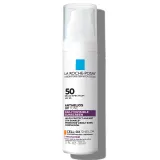
Balea Beauty Expert Vitamin C Serum-Creme LSF 30

Balea Beauty Expert Vitamin C Serum-Creme LSF 30

SPF 30Efficacy90/100IrritancyLow·5 UV filters·100% recommend (1 review)

Works for

Sun protection
SPF 30 · 5 UV filters
Broad spectrum
SPF 30Broad spectrumChemical filtersNo white cast

This product offers a good level of protection against both UVB and UVA rays.

This sunscreen uses organic (so-called "chemical") sunscreen filters. Organic, or "chemical" filters usually provide reliable sun protection and rarely leave a white cast. Sunscreens with organic filters can sting eyes.

This product can be considered "reef safe" because it does not contain the UV filters (oxybenzone and octinoxate) that can be harmful to coral reefs when present in the water in high concentrations.

UV spectrum
UVB290–320 nmUVA II320–340 nmUVA I340–400 nm
Octisalate
Ensulizole
Uvinul T
Tinosorb S
Avobenzone
FilterCoverageWhat it doesEst. amount
OctisalateEthylhexyl SalicylateUVBOctisalate. A UV filter. It offers some protection against the sun rays that cause sunburn (UVB), but does not protect against the most aging sun rays (UVA). It loses its effectiveness quickly when exposed to sunlight. It is an organic, or so called "chemical" sunscreen~3.5–4.3%
EnsulizolePhenylbenzimidazole Sulfonic AcidUVB Photo-stable Ensulizole. A UV filter that is effective against UVB rays. Does not protect against UVA light. It is photostable and can be used to help stabilize other sunscreen ingredients. It is water-soluble meaning that it can help create lighter sunscreen formulations~2–2.5%
Uvinul TEthylhexyl TriazoneUVB Photo-stable Uvinul T. A UV filter. Effective against UVB rays. It is photostable. Can increase water resistance properties of the sunscreen. Unfortunately, not approved by the FDA (US) yet~0.6–0.9%
Tinosorb SBis-ethylhexyloxyphenol Methoxyphenyl TriazineUVBUVA Photo-stable Tinosorb S. One of the most effective broad spectrum sunscreen ingredients. Protects from both UVA and UVB rays. It is photostable. Approved by the US FDA in 2026 (listed as bemotrizinol on US labels).~1.1–1.4%
AvobenzoneButyl MethoxydibenzoylmethaneUVA1Avobenzone. An organic, or so-called "chemical" UV filter. Protects against both UVA and UVB rays. Needs to be combined with other filters in a formulation to be stable.~2.1–2.6%
~ marks concentrations estimated from label position and typical use levels
Reef-safe
No oxybenzone or octinoxate — the two filters banned in Hawaii, Florida Keys and Aruba.
Evens skin tone
Ascorbyl glucoside, Niacinamide
Works well

This product offers broad spectrum sun protection. It means that it can prevent hyperpigmentation and help keep the skin tone even (sun damage is the main factor causing age spots, darkening of post-acne marks and other discolorations).

Ascorbyl glucosideKey activeEffect: MediumA vitamin C derivative that is more stable but less potent than pure form of vitamin C. Has a potential to boost collagen production, nutralise free radicals and reduce hyperpigmentation, but the required concentration is likely to be much higher than for the pure form of vitamin C, limiting the ingredient's effectiveness in products~0.95–1.15%
NiacinamideUnder-dosedIs proven to be effective in reducing blemishes, evening out skin tone and helping to improve lines and wrinkles. It helps the skin to repair sun damage, calm down inflammation and keep maintain good levels of moisture. The concentration of about 2% is effective for supporting the skin barrier and evening out the skin tone. Concentration of 4-6% is better for helping with acne and balancing the sebum production~0.45–0.7%
Anti-blemish
Niacinamide ~0.45–0.7%, below the ~1% it needs
Under-dosed

Effective ingredients missing or their concentration is too low.

NiacinamideUnder-dosedIs proven to be effective in reducing blemishes, evening out skin tone and helping to improve lines and wrinkles. It helps the skin to repair sun damage, calm down inflammation and keep maintain good levels of moisture. The concentration of about 2% is effective for supporting the skin barrier and evening out the skin tone. Concentration of 4-6% is better for helping with acne and balancing the sebum production~0.45–0.7%
Moisturizing
Side benefit · Palmitoyl tripeptide-38, Acetyl dipeptide-1 cetyl ester + 12 more
Works well

This product can help improve hydration of the skin with the two types of ingredients.

The first type is called “humectants”:
these ingredients help attract water. When humectants are on the surface of the skin, they “pull in” the moisture from the outside environment, or from within deeper layers of the skin. The following ingredients in this product do the job: glycerin, butylene glycol.

This product also contains ingredients called “occlusives”. They help reduce the speed with which our skin loses moisture to the outside environment. These ingredients also help soften the upper layer of the skin, so it feels less tight and nicer to the touch. The following ingredients in this product do the job: helianthus annuus seed oil, c12-15 alkyl benzoate.

The following ingredients in this product are especially good for supporting the skin barrier and helping with the hydration level: acetyl dipeptide-1 cetyl ester, palmitoyl tripeptide-38

Palmitoyl tripeptide-38HeroEffect: HighA type of peptide. Peptides are excellent moisturizers and might be able support collagen production reducing fine lines and wrinkles~0.25–0.45%
Acetyl dipeptide-1 cetyl esterHeroEffect: HighA type of peptide. Peptides are excellent moisturizers and might be able support collagen production reducing fine lines and wrinkles~0.25–0.5%
GlycerinKey active· HumectantEffect: HighOne of the best moisturizing ingredients. Naturally present in skin. It attracts water to the upper layer of the skin working as a humectant~4.7–5.8%
Diisopropyl sebacateKey active· EmollientEffect: MediumHelps soften the upper layer of the skin without creatng a greasy finish~2.4–2.9%
C12-15 alkyl benzoateKey active· EmollientEffect: MediumEnhances the product texture and makes it more spreadable. Helps reduce water loss from the outer layer of skin. Extands the shelf life by preventing bacteria growth~1.9–2.4%
Cetearyl alcoholKey active· EmollientEffect: MediumA non-drying alcohol. Works as an emollient. Helps water and oil mix together and creates a nice product texture~0.65–1%
Helianthus annuus seed oilKey active· Emollient, OcclusiveEffect: HighA great emollient due to its high linoleic acid content. One of the most effective plant oils in helping skin hydration and repairing skin barrier function~0.4–0.6%
Dibutyl adipate· EmollientEffect: LowHelps soften the upper layer of the skin and create a nice product consistency~4.2–5.1%
Glyceryl stearate citrate· EmollientEffect: LowHelps oil and water mix together while softening the upper layer of the skin~0.55–0.8%
Hydroxypropyl cyclodextrin· EmollientEffect: LowUsed to stabilize product formulations and help soften the upper layer of the skin~0.25–0.5%
Butylene glycol· HumectantEffect: LowUsed to create a nice product texture and help delivery of other ingredients. Might be somewhat helpful in attracting water to the upper layer of the skin~0.2–0.35%
Caprylyl glycol· Humectant, EmollientEffect: LowHelps preserve products and creates a nice product texture~0.15–0.25%
TocopherolEffect: Low, below effective dosePure form of vitamin E. Can help moisturise and protect the skin from free radicals. Often used to help stabilise other ingredients or the formula itself~0.3–0.55%
NiacinamideUnder-dosedIs proven to be effective in reducing blemishes, evening out skin tone and helping to improve lines and wrinkles. It helps the skin to repair sun damage, calm down inflammation and keep maintain good levels of moisture. The concentration of about 2% is effective for supporting the skin barrier and evening out the skin tone. Concentration of 4-6% is better for helping with acne and balancing the sebum production~0.45–0.7%
Anti-aging
Side benefit · Ascorbyl glucoside, Palmitoyl tripeptide-38 + 3 more
Works well

This product can help prevent early signs of skin aging because it offers a good level of broad spectrum sun protection. Sun damage is the main cause of premature skin aging, and protecting your skin from the sun is the best anti-aging strategy.

These ingredients in the product can also help reduce and prevent fine lines and wrinkles and improve skin elasticity. There is some human evidence for them, though it is smaller or less consistent than the evidence for the best anti-aging ingredients: acetyl dipeptide-1 cetyl ester, ascorbyl glucoside, palmitoyl tripeptide-38.

Ascorbyl glucosideKey activeEffect: MediumA vitamin C derivative that is more stable but less potent than pure form of vitamin C. Has a potential to boost collagen production, nutralise free radicals and reduce hyperpigmentation, but the required concentration is likely to be much higher than for the pure form of vitamin C, limiting the ingredient's effectiveness in products~0.95–1.15%
Palmitoyl tripeptide-38Key activeEffect: MediumA type of peptide. Peptides are excellent moisturizers and might be able support collagen production reducing fine lines and wrinkles~0.25–0.45%
Acetyl dipeptide-1 cetyl esterKey activeEffect: MediumA type of peptide. Peptides are excellent moisturizers and might be able support collagen production reducing fine lines and wrinkles~0.25–0.5%
TocopherolEffect: Low, below effective dosePure form of vitamin E. Can help moisturise and protect the skin from free radicals. Often used to help stabilise other ingredients or the formula itself~0.3–0.55%
NiacinamideUnder-dosedIs proven to be effective in reducing blemishes, evening out skin tone and helping to improve lines and wrinkles. It helps the skin to repair sun damage, calm down inflammation and keep maintain good levels of moisture. The concentration of about 2% is effective for supporting the skin barrier and evening out the skin tone. Concentration of 4-6% is better for helping with acne and balancing the sebum production~0.45–0.7%
Anti-oxidation
Side benefit · Ascorbyl glucoside, Tocopheryl acetate + 1 more
May help

This product contains antioxidants (ascorbyl glucoside) that can help neutralize free radicals in skin to lessen the damage it gets from the UV light (sun). There is some human evidence for this effect in skin, though it is smaller or less consistent than the evidence for the best antioxidants.

Ascorbyl glucosideKey activeEffect: MediumA vitamin C derivative that is more stable but less potent than pure form of vitamin C. Has a potential to boost collagen production, nutralise free radicals and reduce hyperpigmentation, but the required concentration is likely to be much higher than for the pure form of vitamin C, limiting the ingredient's effectiveness in products~0.95–1.15%
Tocopheryl acetateEffect: Low, below effective doseA more stable but less bio-available form of vitamin E compared to Tocopherol. Might help moisturize and protect the skin from free radicals, but mostly used in low concentrations to stabilize other ingredients.~0.45–0.65%
TocopherolUnder-dosedPure form of vitamin E. Can help moisturise and protect the skin from free radicals. Often used to help stabilise other ingredients or the formula itself~0.3–0.55%

Can it cause trouble?

Irritancy
13 flagged ingredients
Low risk
We flag 13 ingredients with irritancy potential; the product's overall irritancy is low. The table lists each ingredient's own rating.
IngredientFunctionIrritationEst. amount
Butyl methoxydibenzoylmethaneAvobenzone. An organic, or so-called "chemical" UV filter. Protects against both UVA and UVB rays. Needs to be combined with other filters in a formulation to be stable.Medium~2.1–2.6%est.
Phenylbenzimidazole sulfonic acidEnsulizole. A UV filter that is effective against UVB rays. Does not protect against UVA light. It is photostable and can be used to help stabilize other sunscreen ingredients. It is water-soluble meaning that it can help create lighter sunscreen formulationsMedium~2–2.5%est.
Aluminum starch octenylsuccinateUsed to thicken the product's consistencyMedium~1.2–1.4%est.
Ascorbyl glucosideA vitamin C derivative that is more stable but less potent than pure form of vitamin C. Has a potential to boost collagen production, nutralise free radicals and reduce hyperpigmentation, but the required concentration is likely to be much higher than for the pure form of vitamin C, limiting the ingredient's effectiveness in productsMedium~0.95–1.15%est.
Bis-ethylhexyloxyphenol methoxyphenyl triazineTinosorb S. One of the most effective broad spectrum sunscreen ingredients. Protects from both UVA and UVB rays. It is photostable. Approved by the US FDA in 2026 (listed as bemotrizinol on US labels).Medium~1.1–1.4%est.
Ethylhexyl triazoneUvinul T. A UV filter. Effective against UVB rays. It is photostable. Can increase water resistance properties of the sunscreen. Unfortunately, not approved by the FDA (US) yetMedium~0.6–0.9%est.
Tocopheryl acetateA more stable but less bio-available form of vitamin E compared to Tocopherol. Might help moisturize and protect the skin from free radicals, but mostly used in low concentrations to stabilize other ingredients.Medium~0.45–0.65%est.
Sodium stearoyl glutamateHelps oil and water mix togetherMedium~0.5–0.7%est.
Sorbitan laurateHelps water and oil mix togetherMedium~0.3–0.55%est.
Hydroxypropyl cyclodextrinUsed to stabilize product formulations and help soften the upper layer of the skinMedium~0.25–0.5%est.
Tetrasodium edtaHelps to stabilize the product formulationMedium~0.15–0.25%est.
Caprylyl glycolHelps preserve products and creates a nice product textureMedium~0.15–0.25%est.
EthylhexylglycerinA preservativeMedium~0.1–0.15%est.
Comedogenic
1 ingredient rated 2 or more on the 0–5 pore-clogging scale
1 flagged
These ingredients have a comedogenic rating of 2 or more on a 0–5 scale; the table shows each one's rating. In leave-on products they can clog pores in acne-prone skin.
IngredientFunctionRatingEst. amount
Cetearyl alcoholA non-drying alcohol. Works as an emollient. Helps water and oil mix together and creates a nice product texture2/5~0.65–1%est.
Did this help you decide?

User reviews

Would you recommend?
100%·yes

1 of 1 community members would buy it again.

100% would0% wouldn't
What reviewers noticed
Marker shows the average response

Ingredients

Filter by role to see what each ingredient is doing.

Water~45–55%
Formula
Irritation risk
Low

Plain old water

More about Water
Glycerin~4.7–5.8%
Key active
Irritation risk
Low
Works for
Moisturizing

One of the best moisturizing ingredients. Naturally present in skin. It attracts water to the upper layer of the skin working as a humectant

More about Glycerin
Dibutyl adipate~4.2–5.1%
Formula
Irritation risk
Low
Works for
Moisturizing

Helps soften the upper layer of the skin and create a nice product consistency

More about Dibutyl adipate
Ethylhexyl salicylate~3.5–4.3%
UV filter
Irritation risk
Low
Works for
Sun protection

Octisalate. A UV filter. It offers some protection against the sun rays that cause sunburn (UVB), but does not protect against the most aging sun rays (UVA). It loses its effectiveness quickly when exposed to sunlight. It is an organic, or so called "chemical" sunscreen

More about Ethylhexyl salicylate
Diisopropyl sebacate~2.4–2.9%
Key active
Irritation risk
Low
Works for
Moisturizing

Helps soften the upper layer of the skin without creatng a greasy finish

More about Diisopropyl sebacate
C12-15 alkyl benzoate~1.9–2.4%
Key active
Irritation risk
Low
Works for
Moisturizing

Enhances the product texture and makes it more spreadable. Helps reduce water loss from the outer layer of skin. Extands the shelf life by preventing bacteria growth

More about C12-15 alkyl benzoate
Butyl methoxydibenzoylmethane~2.1–2.6%
UV filterKey activeIrritant · medium
Irritation risk
Medium
Works for
Sun protection

Avobenzone. An organic, or so-called "chemical" UV filter. Protects against both UVA and UVB rays. Needs to be combined with other filters in a formulation to be stable.

More about Butyl methoxydibenzoylmethane
Phenylbenzimidazole sulfonic acid~2–2.5%
UV filterKey activeIrritant · medium
Irritation risk
Medium
Works for
Sun protection

Ensulizole. A UV filter that is effective against UVB rays. Does not protect against UVA light. It is photostable and can be used to help stabilize other sunscreen ingredients. It is water-soluble meaning that it can help create lighter sunscreen formulations

More about Phenylbenzimidazole sulfonic acid
Aluminum starch octenylsuccinate~1.2–1.4%
Irritant · medium
Irritation risk
Medium

Used to thicken the product's consistency

More about Aluminum starch octenylsuccinate
Ascorbyl glucoside~0.95–1.15%
Key activeIrritant · medium
Irritation risk
Medium
Works for
Evens skin toneAnti-agingAnti-oxidation

A vitamin C derivative that is more stable but less potent than pure form of vitamin C. Has a potential to boost collagen production, nutralise free radicals and reduce hyperpigmentation, but the required concentration is likely to be much higher than for the pure form of vitamin C, limiting the ingredient's effectiveness in products

More about Ascorbyl glucoside
Bis-ethylhexyloxyphenol methoxyphenyl triazine~1.1–1.4%
UV filterKey activeIrritant · medium
Irritation risk
Medium
Works for
Sun protection

Tinosorb S. One of the most effective broad spectrum sunscreen ingredients. Protects from both UVA and UVB rays. It is photostable. Approved by the US FDA in 2026 (listed as bemotrizinol on US labels).

More about Bis-ethylhexyloxyphenol methoxyphenyl triazine
Cetearyl alcohol~0.65–1%
Key activeComedogenic 2/5
Irritation risk
Low
Comedogenicity
2/5
Works for
CleansingMoisturizing

A non-drying alcohol. Works as an emollient. Helps water and oil mix together and creates a nice product texture

More about Cetearyl alcohol
Glyceryl stearate citrate~0.55–0.8%
Formula
Irritation risk
Low
Works for
CleansingMoisturizing

Helps oil and water mix together while softening the upper layer of the skin

More about Glyceryl stearate citrate
Niacinamide~0.45–0.7%
Under-dosed
Irritation risk
Low
Works for
MoisturizingEvens skin toneAnti-blemishAnti-agingReduces irritationReduces rednessAnti-inflammatoryAntibacterial

Is proven to be effective in reducing blemishes, evening out skin tone and helping to improve lines and wrinkles. It helps the skin to repair sun damage, calm down inflammation and keep maintain good levels of moisture. The concentration of about 2% is effective for supporting the skin barrier and evening out the skin tone. Concentration of 4-6% is better for helping with acne and balancing the sebum production

More about Niacinamide
Ethylhexyl triazone~0.6–0.9%
UV filterKey activeIrritant · medium
Irritation risk
Medium
Works for
Sun protection

Uvinul T. A UV filter. Effective against UVB rays. It is photostable. Can increase water resistance properties of the sunscreen. Unfortunately, not approved by the FDA (US) yet

More about Ethylhexyl triazone
Tocopheryl acetate~0.45–0.65%
Irritant · medium
Irritation risk
Medium
Works for
Anti-oxidation

A more stable but less bio-available form of vitamin E compared to Tocopherol. Might help moisturize and protect the skin from free radicals, but mostly used in low concentrations to stabilize other ingredients.

More about Tocopheryl acetate
Sodium stearoyl glutamate~0.5–0.7%
Irritant · medium
Irritation risk
Medium
Works for
Cleansing

Helps oil and water mix together

More about Sodium stearoyl glutamate
Helianthus annuus seed oil~0.4–0.6%
Key active
Irritation risk
Low
Works for
Moisturizing

A great emollient due to its high linoleic acid content. One of the most effective plant oils in helping skin hydration and repairing skin barrier function

More about Helianthus annuus seed oil
Tocopherol~0.3–0.55%
Under-dosed
Irritation risk
Low
Works for
Anti-oxidationMoisturizingAnti-inflammatoryAnti-aging

Pure form of vitamin E. Can help moisturise and protect the skin from free radicals. Often used to help stabilise other ingredients or the formula itself

More about Tocopherol
Sorbitan laurate~0.3–0.55%
Irritant · medium
Irritation risk
Medium
Works for
Cleansing

Helps water and oil mix together

More about Sorbitan laurate
Acetyl dipeptide-1 cetyl ester~0.25–0.5%
Hero · Moisturizing
Irritation risk
Low
Works for
Reduces irritationMoisturizingAnti-inflammatoryAnti-aging

A type of peptide. Peptides are excellent moisturizers and might be able support collagen production reducing fine lines and wrinkles

More about Acetyl dipeptide-1 cetyl ester
Palmitoyl tripeptide-38~0.25–0.45%
Hero · Moisturizing
Irritation risk
Low
Works for
MoisturizingAnti-aging

A type of peptide. Peptides are excellent moisturizers and might be able support collagen production reducing fine lines and wrinkles

More about Palmitoyl tripeptide-38
Hydroxypropyl cyclodextrin~0.25–0.5%
Irritant · medium
Irritation risk
Medium
Works for
Moisturizing

Used to stabilize product formulations and help soften the upper layer of the skin

More about Hydroxypropyl cyclodextrin
Sclerotium gum~0.2–0.4%
Formula
Irritation risk
Low

Used to create gel-like formulas and stabilize emulsions

More about Sclerotium gum
Butylene glycol~0.2–0.35%
Formula
Irritation risk
Low
Works for
Moisturizing

Used to create a nice product texture and help delivery of other ingredients. Might be somewhat helpful in attracting water to the upper layer of the skin

More about Butylene glycol
Hydroxyethylcellulose~0.2–0.35%
Formula
Irritation risk
Low

Used to thicken product formulations and create gel-like textures

More about Hydroxyethylcellulose
Tetrasodium edta~0.15–0.25%
Irritant · medium
Irritation risk
Medium

Helps to stabilize the product formulation

More about Tetrasodium edta
Sodium hydroxide~0.15–0.25%
Formula
Irritation risk
Low

Used to adjust the product's pH

More about Sodium hydroxide
Caprylyl glycol~0.15–0.25%
Irritant · medium
Irritation risk
Medium
Works for
Moisturizing

Helps preserve products and creates a nice product texture

More about Caprylyl glycol
Ethylhexylglycerin~0.1–0.15%
Irritant · medium
Irritation risk
Medium

A preservative

More about Ethylhexylglycerin
Phenoxyethanol~0.1–0.2%
Formula
Irritation risk
Low

A preservative. It helps prevent bacterial growth in cosmetic products

More about Phenoxyethanol
Ingredient list view

Water, Glycerin, Dibutyl adipate, Ethylhexyl salicylate, Diisopropyl sebacate, C12-15 alkyl benzoate, Butyl methoxydibenzoylmethane, Phenylbenzimidazole sulfonic acid, Aluminum starch octenylsuccinate, Ascorbyl glucoside, Bis-ethylhexyloxyphenol methoxyphenyl triazine, Cetearyl alcohol, Glyceryl stearate citrate, Niacinamide, Ethylhexyl triazone, Tocopheryl acetate, Sodium stearoyl glutamate, Helianthus annuus seed oil, Tocopherol, Sorbitan laurate, Acetyl dipeptide-1 cetyl ester, Palmitoyl tripeptide-38, Hydroxypropyl cyclodextrin, Sclerotium gum, Butylene glycol, Hydroxyethylcellulose, Tetrasodium edta, Sodium hydroxide, Caprylyl glycol, Ethylhexylglycerin, Phenoxyethanol

Compare prices

Retailers ranked by price — lowest first.

No pricing data available yet for this product.

Worth comparing, line by line.

Match % combines shared ingredients, the first five ingredients, shared actives and hero ingredients, irritancy (lower counts in the alternative's favour), texture and body area. Only products in the same routine step are compared.

Side-by-side comparison of this product against its closest alternatives
BaleaBeauty Expert Vitamin C Serum-Creme LSF 30YOUR PRODUCTCeraVeInvisible Hydrating Fluid Sunscreen SPF 50grüumskyda daily defence lotion SPF50AltruistSunscreen Fluid SPF50
Match—73%73%72%
Price—$13.97—$13.63
Shared key ingredients—7 of 116 of 116 of 11
Key difference—Ceramide NpPanthenolPanthenol
Irritancy Low Low Low Low
SPFSPF 30SPF 50SPF 50SPF 50
Drying alcohol————
View product Shop Shop Shop

More alternatives: Boots SPF+ Invisible Face Daily Suncare Face Fluid SPF50FaceGym Hydrate + Protect SPF 50

Cheaper alternatives? Browse formulas in the same category.
We compare ingredient profiles across our catalog — pick the closest match for your budget.
Open dupe finder

Product summary

"Balea - Beauty Expert Vitamin C Serum-Creme LSF 30" is effective for: Moisturizing

This product could be helpful for: Anti-aging, but its actives are not the most effective or are not well-studied.

Ingredient callouts

  • Peptides (palmitoyl tripeptide-38 0.25% - 0.45% and acetyl dipeptide-1 cetyl ester 0.25% - 0.50%). Peptides are a very big group of ingredients. They all consist of a different combination of aminoacids. Our skin produces Peptides naturally. Some of them work as natural antibiotics, promote wound-healing and production of collagen. The scientists are still studying how effective the topical application of Peptides is, but it is very likely that theynare helpful. Peptides might be able to support skin barrier restoration and even have an anti-aging benefit. At the very least, they certainly help attract water to the skin and support the hydration in this way.
  • Humectants (glycerin 4.70% - 5.80%). These ingredients help attract water to the upper layer of the skin and improve the skin hydration.

What our users say

Based on 1 review 100% recommend this product
  • When it comes to comedogenicity, the reviewer believes that it clogs pores.
They find the product's texture to be heavy - light and In terms of the smell, our users report that light fragrance.

Balea Beauty Expert Vitamin C Serum-Creme LSF 30
BaleaBeauty Expert Vitamin C Serum-Creme LSF 30

Affiliate links · As an Amazon Associate, WIMJ earns from qualifying purchases.

As an Amazon Associate, WIMJ earns from qualifying purchases.