
Works for:
based on ingredients and %- Moisturizing
- Anti-oxidation
- Anti-aging
Can it cause trouble?
- Irritation risk: high
- Comedogenic risk ingredients: 2
Key actives


Works for
Anti-oxidation
This product contains antioxidants (ubiquinone) that can help neutralize free radicals in skin. By doing so, they can lessen the damage the skin gets from the UV light (sun).
The following ingredients - punica granatum extract also can have an antioxidant effect, but there is less evidence to confirm their effectiveness in skin.
Coenzyme Q10. It helps neutralize free radicals in skin, improves skin hydration and might be helpful agains fine lines and wrinkles. It can be an allergen
A plant extract that can help neutralize free radicals in skin and even out the skin tone, but is typically used in products in a concentration that is too low to be effective
The most well-researched antioxidant that works in skin. Helps neutralize free radicals supporting collagen production, helping to even out the skin tone and preventing early signs of aging
Pure form of vitamin E. Can help moisturise and protect the skin from free radicals. Often used to help stabilise other ingredients or the formula itself
A polyhydroxy acid (PHA) that helps shed the dead cells from the skin surface revealing smoother skin. Is believed to be genter than AHAs. It helps attract water to the upper layer of the skin and can stimulate production of skin's own hyaluronic acid resulting in improved hydration levels. It has been shown to be helpful against acne and clogged pores if used consistently (e.g over a period of 12 weeks) in high enough concentration. It can help reduce fine lines and wrinkles and improve skin tone with long-term application. Can help neutralize free radicals
Can contain potent anti-oxidant compounds (abbreviated ECG, GCG, EGC, and EGCG) that might help protect the skin from free radicals. Can help calm down inflammation and has some anti-bacterial properties. Unfortunately, these antioxidants are unstable and lose their effectiveness very quickly in products. The concentration of the antioxidant compounds in the extract also tends to be low to be effective in topical formulation
A more stable but less bio-available form of vitamin E compared to Tocopherol. Might help moisturize and protect the skin from free radicals, but mostly used in low concentrations to stabilize other ingredients.
A great moisturising ingredient that softens the skin and reduces water loss from its upper layer. It also can be helpful in protecting skin from free radicals
A plant extract that might have some anti-inflammatory properties, but solid evidence is lacking. It can be irritating
An essential oil that is used as a fragrance and can be irritating. It might have some anti-oxidant effect in skin
Moisturizing
What does the product description say?
Ultra pigmented for 24 hours of intense colour and hydration
Source: Feelunique
This product can help improve hydration of the skin with the two types of ingredients.
The first type is called “humectants”:
these ingredients help attract water.
When humectants are on the surface of the skin, they “pull in” the moisture from the outside environment, or from
within deeper layers of the skin. The following ingredients in this product do the job:
algae extract, glycerin.
This product also contains ingredients called “occlusives”. They help reduce the speed with which our skin loses moisture to the outside environment. These ingredients also help soften the upper layer of the skin, so it feels less tight and nicer to the touch. The following ingredients in this product do the job: dimethicone, algae extract.
The following ingredients in this product are especially good for supporting the skin barrier and helping with the hydration level: panthenol
Plant extract that helps the skin to attract water and make it more smooth for touch. Also shows promise of anti-aging properties, but research is not extensive yet
A silicone that helps to reduce water loss from the surface of the skin. Can temporarily "fill in" lines and wrinkles, absorb oil, and create a nice product finish
One of the best moisturizing ingredients. Naturally present in skin. It attracts water to the upper layer of the skin working as a humectant
Helps attract water to the upper layer of the skin and can help improve skin barrier function
Plant oil that helps soften the upper layer of the skin
Coenzyme Q10. It helps neutralize free radicals in skin, improves skin hydration and might be helpful agains fine lines and wrinkles. It can be an allergen
Traditionally used to treat sunburns, dermatitis and inflammation, but evidence for its effectiveness is lacking. The extract can contain humectants that help attract water into the skin
A great moisturising ingredient that softens the skin and reduces water loss from its upper layer. It also can be helpful in protecting skin from free radicals
A polyhydroxy acid (PHA) that helps shed the dead cells from the skin surface revealing smoother skin. Is believed to be genter than AHAs. It helps attract water to the upper layer of the skin and can stimulate production of skin's own hyaluronic acid resulting in improved hydration levels. It has been shown to be helpful against acne and clogged pores if used consistently (e.g over a period of 12 weeks) in high enough concentration. It can help reduce fine lines and wrinkles and improve skin tone with long-term application. Can help neutralize free radicals
Pure form of vitamin E. Can help moisturise and protect the skin from free radicals. Often used to help stabilise other ingredients or the formula itself
Can contain potent anti-oxidant compounds (abbreviated ECG, GCG, EGC, and EGCG) that might help protect the skin from free radicals. Can help calm down inflammation and has some anti-bacterial properties. Unfortunately, these antioxidants are unstable and lose their effectiveness very quickly in products. The concentration of the antioxidant compounds in the extract also tends to be low to be effective in topical formulation
Anti-aging
This product contains ubiquinone. This ingredient help neutralize free radicals in skin. By doing so, they might be able to prevent early signs of aging (like fine lines and wrinkles), at least to some extent. These ingredients will not be able to "reverse" signs of aging.
Coenzyme Q10. It helps neutralize free radicals in skin, improves skin hydration and might be helpful agains fine lines and wrinkles. It can be an allergen
Plant extract that helps the skin to attract water and make it more smooth for touch. Also shows promise of anti-aging properties, but research is not extensive yet
Traditionally used to treat sunburns, dermatitis and inflammation, but evidence for its effectiveness is lacking. The extract can contain humectants that help attract water into the skin
A polyhydroxy acid (PHA) that helps shed the dead cells from the skin surface revealing smoother skin. Is believed to be genter than AHAs. It helps attract water to the upper layer of the skin and can stimulate production of skin's own hyaluronic acid resulting in improved hydration levels. It has been shown to be helpful against acne and clogged pores if used consistently (e.g over a period of 12 weeks) in high enough concentration. It can help reduce fine lines and wrinkles and improve skin tone with long-term application. Can help neutralize free radicals
The most well-researched antioxidant that works in skin. Helps neutralize free radicals supporting collagen production, helping to even out the skin tone and preventing early signs of aging
Three steps removed from the active form of vitamin A - retinoic acid. To have an effect in the skin, it first needs to be converted twice to become the retinoic acid. This means it is less potent than retinol, but could also be less irritating. Once converted to the retinoic acid in the skin, it helps against all signs of aging, improves skin cell turnover and helps fight blemishes and clogged pores. However, in many cosmetic formulations, it is used in a concentration that is too low to have the full effect
A great moisturising ingredient that softens the skin and reduces water loss from its upper layer. It also can be helpful in protecting skin from free radicals
Pure form of vitamin E. Can help moisturise and protect the skin from free radicals. Often used to help stabilise other ingredients or the formula itself
Can contain potent anti-oxidant compounds (abbreviated ECG, GCG, EGC, and EGCG) that might help protect the skin from free radicals. Can help calm down inflammation and has some anti-bacterial properties. Unfortunately, these antioxidants are unstable and lose their effectiveness very quickly in products. The concentration of the antioxidant compounds in the extract also tends to be low to be effective in topical formulation
How honest is this product?
| Promise | Can it deliver? |
|---|---|
| Moisturizing |
Total Promises Fulfilled score: 100/100.
Potential irritants
Comedogenic ingredients
User reviews (0)
Averages from community submissions.
No reviews yet for this product.
Be the first to share your experience!
Tried this product?
Help capture what the ingredient list can't—texture, finish, pilling, scent, and more. Answer what you can, skip the rest.
Takes ~30 seconds.
Reviews are shown in aggregate. No personal details.
| Product | Similarity | Price | Irritancy |
|---|---|---|---|
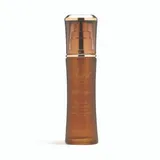 Aquamineral Supreme Face Serum | Current | - | |
Luzern Laboratories Luzern Firming Collagen Booster | 63% | ≈ $238.44 | |
Skinny Tan Coconut Water Serum | 58% | ≈ $30.83 | |
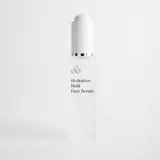 Brand Hydration Hold Face Serum | 57% | - | |
 MZ Skin Hyaluronic Acid Hydrating Serum | 57% | ≈ $114.03 | |
 PSA Skin The Most: Hyaluronic Super Nutrient Hydration Serum | 57% | $43.00 |
Key Actives
A polyhydroxy acid (PHA) that helps shed the dead cells from the skin surface revealing smoother skin. Is believed to be genter than AHAs. It helps attract water to the upper layer of the skin and can stimulate production of skin's own hyaluronic acid resulting in improved hydration levels. It has been shown to be helpful against acne and clogged pores if used consistently (e.g over a period of 12 weeks) in high enough concentration. It can help reduce fine lines and wrinkles and improve skin tone with long-term application. Can help neutralize free radicals
Can contain potent anti-oxidant compounds (abbreviated ECG, GCG, EGC, and EGCG) that might help protect the skin from free radicals. Can help calm down inflammation and has some anti-bacterial properties. Unfortunately, these antioxidants are unstable and lose their effectiveness very quickly in products. The concentration of the antioxidant compounds in the extract also tends to be low to be effective in topical formulation
Three steps removed from the active form of vitamin A - retinoic acid. To have an effect in the skin, it first needs to be converted twice to become the retinoic acid. This means it is less potent than retinol, but could also be less irritating. Once converted to the retinoic acid in the skin, it helps against all signs of aging, improves skin cell turnover and helps fight blemishes and clogged pores. However, in many cosmetic formulations, it is used in a concentration that is too low to have the full effect
Helps attract water to the upper layer of the skin and can help improve skin barrier function
Coenzyme Q10. It helps neutralize free radicals in skin, improves skin hydration and might be helpful agains fine lines and wrinkles. It can be an allergen
A great moisturising ingredient that softens the skin and reduces water loss from its upper layer. It also can be helpful in protecting skin from free radicals
A silicone that helps to reduce water loss from the surface of the skin. Can temporarily "fill in" lines and wrinkles, absorb oil, and create a nice product finish
Plant extract that helps the skin to attract water and make it more smooth for touch. Also shows promise of anti-aging properties, but research is not extensive yet
A plant extract that can help neutralize free radicals in skin and even out the skin tone, but is typically used in products in a concentration that is too low to be effective
One of the best moisturizing ingredients. Naturally present in skin. It attracts water to the upper layer of the skin working as a humectant
Plant oil that helps soften the upper layer of the skin
Potential irritants
Helps oil and water mix together and can enhance the penetration of other ingredients into the skin. It can be irritating
An essential oil that is used as a fragrance and can be irritating. It might have some anti-oxidant effect in skin
Plant extract that can have healing and anti-inflammatory properties. It is a potential allergen and can be irritating
An aromatic blend of unspecified and possibly irritating ingredients
A plant extract that might have some anti-inflammatory properties, but solid evidence is lacking. It can be irritating
Three steps removed from the active form of vitamin A - retinoic acid. To have an effect in the skin, it first needs to be converted twice to become the retinoic acid. This means it is less potent than retinol, but could also be less irritating. Once converted to the retinoic acid in the skin, it helps against all signs of aging, improves skin cell turnover and helps fight blemishes and clogged pores. However, in many cosmetic formulations, it is used in a concentration that is too low to have the full effect
The most well-researched antioxidant that works in skin. Helps neutralize free radicals supporting collagen production, helping to even out the skin tone and preventing early signs of aging
Traditionally used to treat sunburns, dermatitis and inflammation, but evidence for its effectiveness is lacking. The extract can contain humectants that help attract water into the skin
A polyhydroxy acid (PHA) that helps shed the dead cells from the skin surface revealing smoother skin. Is believed to be genter than AHAs. It helps attract water to the upper layer of the skin and can stimulate production of skin's own hyaluronic acid resulting in improved hydration levels. It has been shown to be helpful against acne and clogged pores if used consistently (e.g over a period of 12 weeks) in high enough concentration. It can help reduce fine lines and wrinkles and improve skin tone with long-term application. Can help neutralize free radicals
A plant extract that can help neutralize free radicals in skin and even out the skin tone, but is typically used in products in a concentration that is too low to be effective
A more stable but less bio-available form of vitamin E compared to Tocopherol. Might help moisturize and protect the skin from free radicals, but mostly used in low concentrations to stabilize other ingredients.
Comedogenic ingredients
A great moisturising ingredient that softens the skin and reduces water loss from its upper layer. It also can be helpful in protecting skin from free radicals
Plant extract that helps the skin to attract water and make it more smooth for touch. Also shows promise of anti-aging properties, but research is not extensive yet
All ingredients
Traditionally used to treat sunburns, dermatitis and inflammation, but evidence for its effectiveness is lacking. The extract can contain humectants that help attract water into the skin
One of the best moisturizing ingredients. Naturally present in skin. It attracts water to the upper layer of the skin working as a humectant
Acts as a solvent for other ingredients. Speeds up the absorption of other ingredients into the skin
Helps oil and water mix together and can enhance the penetration of other ingredients into the skin. It can be irritating
Dissolves other ingredients. It does not have additional skin benefits compared to plain water
A preservative. It helps prevent bacterial growth in cosmetic products
A polyhydroxy acid (PHA) that helps shed the dead cells from the skin surface revealing smoother skin. Is believed to be genter than AHAs. It helps attract water to the upper layer of the skin and can stimulate production of skin's own hyaluronic acid resulting in improved hydration levels. It has been shown to be helpful against acne and clogged pores if used consistently (e.g over a period of 12 weeks) in high enough concentration. It can help reduce fine lines and wrinkles and improve skin tone with long-term application. Can help neutralize free radicals
A silicone that helps to reduce water loss from the surface of the skin. Can temporarily "fill in" lines and wrinkles, absorb oil, and create a nice product finish
An essential oil that is used as a fragrance and can be irritating. It might have some anti-oxidant effect in skin
Plant extract that can have healing and anti-inflammatory properties. It is a potential allergen and can be irritating
Helps attract water to the upper layer of the skin and can help improve skin barrier function
Plant oil that helps soften the upper layer of the skin
Coenzyme Q10. It helps neutralize free radicals in skin, improves skin hydration and might be helpful agains fine lines and wrinkles. It can be an allergen
An aromatic blend of unspecified and possibly irritating ingredients
A great moisturising ingredient that softens the skin and reduces water loss from its upper layer. It also can be helpful in protecting skin from free radicals
Can contain potent anti-oxidant compounds (abbreviated ECG, GCG, EGC, and EGCG) that might help protect the skin from free radicals. Can help calm down inflammation and has some anti-bacterial properties. Unfortunately, these antioxidants are unstable and lose their effectiveness very quickly in products. The concentration of the antioxidant compounds in the extract also tends to be low to be effective in topical formulation
Plant extract that helps the skin to attract water and make it more smooth for touch. Also shows promise of anti-aging properties, but research is not extensive yet
A plant extract that can help neutralize free radicals in skin and even out the skin tone, but is typically used in products in a concentration that is too low to be effective
A plant extract that might have some anti-inflammatory properties, but solid evidence is lacking. It can be irritating
Three steps removed from the active form of vitamin A - retinoic acid. To have an effect in the skin, it first needs to be converted twice to become the retinoic acid. This means it is less potent than retinol, but could also be less irritating. Once converted to the retinoic acid in the skin, it helps against all signs of aging, improves skin cell turnover and helps fight blemishes and clogged pores. However, in many cosmetic formulations, it is used in a concentration that is too low to have the full effect
The most well-researched antioxidant that works in skin. Helps neutralize free radicals supporting collagen production, helping to even out the skin tone and preventing early signs of aging
A more stable but less bio-available form of vitamin E compared to Tocopherol. Might help moisturize and protect the skin from free radicals, but mostly used in low concentrations to stabilize other ingredients.
Pure form of vitamin E. Can help moisturise and protect the skin from free radicals. Often used to help stabilise other ingredients or the formula itself
Ingredient list view
Water, Aloe barbadensis leaf juice, Glycerin, Unknown, Propanediol, Propylene glycol, Unknown, Sea water, Maris aqua, Xanthan gum, Phenoxyethanol, Gluconolactone, Dimethicone, Anthemis nobilis flower oil, Chamomilla recutita flower extract, Panthenol, Simmondsia chinensis seed extract, Sodium benzoate, Ubiquinone, Parfum, Benzoic acid, Butyrospermum parkii butter, Camellia sinensis leaf extract, Dehydroacetic acid, Algae extract, Carica papaya fruit extract, Punica granatum extract, Hippophae rhamnoides extract, Panax ginseng root extract, Retinyl palmitate, Ascorbic acid, Tocopheryl acetate, Tocopherol, Methylisothiazolinone
- Glycerol and the skin: holistic approach to its origin and functions
- Surfactants and experimental irritant contact dermatitis
- Propylene Glycol
- Skin-sensitizing and irritant properties of propylene glycol
- A comparative study of gluconolactone versus benzoyl peroxide in the treatment of acne
- The Polyhydroxy Acid Gluconolactone Protects Against Ultraviolet Radiation in an In Vitro Model of Cutaneous Photoaging
- Applications of hydroxy acids: classification, mechanisms, and photoactivity
- The efficacy of glycolic acid, salicylic acid, gluconolactone, and licochalcone A combined with 0.1% adapalene vs adapalene monotherapy in mild-to-moderate acne vulgaris: a double-blinded within-person comparative study
- A polyhydroxy acid skin care regimen provides antiaging effects comparable to an alpha-hydroxyacid regimen
- The use of polyhydroxy acids (PHAs) in photoaged skin
- Blackwell Publishing, Ltd. Alpha-hydroxyacids and carboxylic acids
- An evaluation of a polyhydroxy acid skin care regimen in combination with azelaic acid 15% gel in rosacea patients
- Aging Skin: Causes, Treatments, and Prevention
- Clinical and cosmeceutical uses of hydroxyacids
- Polyhydroxy Acids (PHAs) Provide Conditioning Effects to Skin Without Increasing Sensitivity to UV Light
- Dimethicone as a protective ingredient in topical medications
- Final Report on the Safety Assessment of Dimethicone Copolyol
- Safety Assessment of Anthemis nobilis– Derived Ingredients as Used in Cosmetics
- Skin moisturizing effects of panthenol-based formulations
- Safety Assessment of Panthenol, Pantothenic Acid, and Derivatives as Used in Cosmetics
- 4 Final Report on the Safety Assessment of Sodium Dehydroacetate and Dehydroacetic Acid
- Extract of Punica granatum inhibits skin photoaging induced by UVB irradiation
- Topical microemulsion containing Punica granatum extract: its control over skin erythema and melanin in healthy Asian subjects
- Safety Assessment of Punica granatum -Derived Ingredients as Used in Cosmetics
- Ginseng in Dermatology: A Review
- Antiaging effects of the mixture of Panax ginseng and Crataegus pinnatifida in human dermal fibroblasts and healthy human skin
- Vitamin E in dermatology
- Vitamin E and Skin Health
- Methylisothiazolinone contact allergy: a review