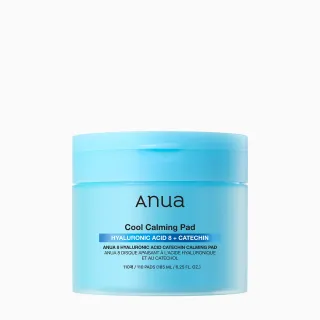
Works for
Anti-agingNiacinamide, Camellia sinensis catechins + 4 moreWorks well
This product can help reduce and prevent fine lines and wrinkles, improve skin elasticity and firmness because it contains niacinamide.
These ingredients in the product can also be helpful, even though there is less evidence for their effectiveness: camellia sinensis catechins.
Keep in mind that it typically takes at least 6 weeks to notice any results because the changes that are needed to improve fine lines and elasticity happen in the deeper layers of the skin. No topical anti-aging product can “erase” wrinkles or fully reverse signs of aging.
Evens skin toneNiacinamide, Camellia sinensis leaf extract + 1 moreWorks well
This product can help reduce hypepigmentation and even out the skin tone because it contains the following effective ingredients: niacinamide
Keep in mind that you would need to apply any topical skincare targetted at hypigmentation consistently for a couple of months to get a result. No topical skincare product can help get rid of hyperpigmentation (including post-acne marks and age spots) instantly.
MoisturizingNiacinamide, Panthenol + 17 moreWorks well
“Formulated to help balance skin’s moisture levels, this pad delivers hydration with hyaluronic acid while providing a calming touch with catechin.”
This product contains good ingredients to attract water to the upper layer of the skin. These ingredients are called "humectants": glycerin, hyaluronic acid.
When humectants are on the surface of the skin, they “pull in” the moisture from the outside environment, or from within deeper layers of the skin. If the air is dry, humectants can speed up the moisture loss from the skin. This is why it is a good idea to use another product on top of this one to help "seal in" the moisture (look for ingredients like dimethicone, squalane, oils and butters).
The following ingredients in this product are especially good for supporting the skin barrier and helping with the hydration level: niacinamide, panthenol
ExfoliationNo ingredient credited for this claimNot delivered
This product does not contain effective exfoliating ingredients. It might be able to deliver physical exfoliation, that is scrub off some of the dead cells on the surface of the skin. We do not recommend physical exfoliation, because it is not uniform (some bits of skin can get exfoliated too much while others not at all). It can also traumatize the skin and aggrevate acne and other skin conditions.
Anti-oxidationSide benefit · Camellia sinensis catechins, Coptis japonica root extract + 9 moreWorks well
This product contains antioxidants (camellia sinensis catechins) that can help neutralize free radicals in skin. By doing so, they can lessen the damage the skin gets from the UV light (sun).
Anti-blemishSide benefit · Niacinamide, Centella asiatica extract + 1 moreWorks well
This product can help reduce breakouts and clogged pores because it contains the following ingredient: niacinamide. This ingredient is used for treating acne and can have a noticeable effect.
Can it cause trouble?
Irritancy1 strong irritant: Zanthoxylum piperitum fruit extractMedium risk
Comedogenic2 ingredients rated 2 or more on the 0–5 pore-clogging scale2 flagged


User reviews
Be the first — your take helps the next person decide.
Ingredients
Filter by role to see what each ingredient is doing.
Water~45–55%
Propanediol~4.5–5.5%
- Irritation risk
- Low
Acts as a solvent for other ingredients. Speeds up the absorption of other ingredients into the skin
More about PropanediolMethylpropanediol~3.9–4.8%
Glycereth-26~2.9–3.5%
1,2-hexanediol~1.2–1.4%
Trehalose~1.8–2.3%
- Irritation risk
- Low
A sugar that attracts water to the upper layer of the skin
More about TrehaloseHydroxyacetophenone~1.6–1.9%
Diethoxyethyl succinate~1.4–1.7%
- Irritation risk
- Low
Helps dissolve other ingredients in the formulation
More about Diethoxyethyl succinateNiacinamide~1.1–1.4%
- Irritation risk
- Low
Is proven to be effective in reducing blemishes, evening out skin tone and helping to improve lines and wrinkles. It helps the skin to repair sun damage, calm down inflammation and keep maintain good levels of moisture. The concentration of about 2% is effective for supporting the skin barrier and evening out the skin tone. Concentration of 4-6% is better for helping with acne and balancing the sebum production
More about NiacinamideButylene glycol~0.75–1.1%
- Irritation risk
- Low
Used to create a nice product texture and help delivery of other ingredients. Might be somewhat helpful in attracting water to the upper layer of the skin
More about Butylene glycolHydroxyethyl urea~0.55–0.85%
- Irritation risk
- Low
A synthetic humectant made from urea. It pulls water into the upper layer of the skin about as well as glycerin, but without glycerin's stickiness. Unlike urea, it has not been shown to exfoliate. Lab and animal tests suggest a low risk of irritation at the levels used in products.
More about Hydroxyethyl ureaSodium citrate~0.45–0.65%
- Irritation risk
- Medium
Helps to control the skin's pH level. Maintains the skin's natural film of amino-lactic acids and oils. Helps to preserve products
More about Sodium citrateGlycerin~0.3–0.6%
- Irritation risk
- Low
One of the best moisturizing ingredients. Naturally present in skin. It attracts water to the upper layer of the skin working as a humectant
More about GlycerinCoptis japonica root extract~0.25–0.45%
- Irritation risk
- High
A plant extract that might have some anti-oxidant properties
More about Coptis japonica root extractCitric acid~0.25–0.45%
- Irritation risk
- Medium
Can work as an exfoliant but is typically used to adjust the product pH
More about Citric acidDisodium edta~0.25–0.45%
Methyl diisopropyl propionamide~0.25–0.5%
- Irritation risk
- Low
Camellia sinensis catechins~0.25–0.45%
- Irritation risk
- Low
A group of chemical compounds extracted from Green Tea. They can help neutralize free radicals in skin. Might be able to help repair sun damage and clam down inflammation in skin
More about Camellia sinensis catechinsXanthan gum~0.25–0.5%
- Irritation risk
- Low
Used to create a thicker product consistency
More about Xanthan gumPanthenol~0.25–0.45%
- Irritation risk
- Low
Helps attract water to the upper layer of the skin and can help improve skin barrier function
More about PanthenolCaffeine~0.2–0.4%
- Irritation risk
- Medium
Might be helpful in neutralizing free radicals. Can have a dehydration effect that might somewhat decrease the look of puffy eyes
More about CaffeineDextrin~0.25–0.45%
- Irritation risk
- Low
A sugar that is used to stabilize the product formulation. Can help attract water to the upper layer of the skin
More about DextrinTheobroma cacao seed extract~0.2–0.35%
- Irritation risk
- Low
- Comedogenicity
- 3/5
Hydrolyzed sodium hyaluronate~0.2–0.35%
- Irritation risk
- Low
Attracts water into the upper layer of the skin
More about Hydrolyzed sodium hyaluronateViola mandshurica flower extract~0.2–0.35%
- Irritation risk
- Low
Diospyros kaki leaf extract~0.2–0.35%
- Irritation risk
- Low
Laminaria japonica extract~0.2–0.35%
- Irritation risk
- Low
- Comedogenicity
- 3/5
Seaweed extract that might help to attract water to the upper layer of the skin and have some anti-oxidant properties
More about Laminaria japonica extractAloe barbadensis leaf extract~0.25–0.45%
- Irritation risk
- Medium
Traditionally used to treat sunburns, dermatitis and inflammation, but evidence for its effectiveness is lacking. The extract can contain humectants that help attract water into the skin
More about Aloe barbadensis leaf extractDioscorea japonica root extract~0.15–0.3%
- Irritation risk
- Low
Vitis vinifera fruit extract~0.15–0.3%
- Irritation risk
- Medium
A plant extract that helps attract water to the upper layer of the skin. It might be helpful in neutralizing free radicals in skin, but is less potent than the extract from the seeds
More about Vitis vinifera fruit extractUlmus davidiana root extract~0.15–0.3%
- Irritation risk
- High
A plant root extract that helps attract water to the upper layer of the skin. It might have an anti-inflammatory effect and could help neturalize free radicals in skin
More about Ulmus davidiana root extractEthylhexylglycerin~0.2–0.35%
Carthamus tinctorius flower extract~0.15–0.3%
- Irritation risk
- Low
Polygonum cuspidatum root extract~0.2–0.4%
- Irritation risk
- Medium
A plant extract that can contain resveratrol, an antioxidant that can help neutralize free radicals in skin. The effectiveness depends on the extract quality and concentration in the product
More about Polygonum cuspidatum root extractCoffea arabica seed extract~0.15–0.3%
- Irritation risk
- Low
Might be helpful in neutralizing free radicals in skin
More about Coffea arabica seed extractZanthoxylum piperitum fruit extract~0.15–0.3%
- Irritation risk
- High
Plant extract that has some anti-oxidant properties. It can be irritating. Can be used to improve the product's smell
More about Zanthoxylum piperitum fruit extractCastanea crenata shell extract~0.15–0.3%
- Irritation risk
- Low
Camellia sinensis leaf extract~0.2–0.4%
- Irritation risk
- Low
Can contain potent anti-oxidant compounds (abbreviated ECG, GCG, EGC, and EGCG) that might help protect the skin from free radicals. Can help calm down inflammation and has some anti-bacterial properties. Unfortunately, these antioxidants are unstable and lose their effectiveness very quickly in products. The concentration of the antioxidant compounds in the extract also tends to be low to be effective in topical formulation
More about Camellia sinensis leaf extractAscorbic acid~0.2–0.35%
- Irritation risk
- High
The most well-researched antioxidant that works in skin. Helps neutralize free radicals supporting collagen production, helping to even out the skin tone and preventing early signs of aging
More about Ascorbic acidSodium hyaluronate~0.15–0.3%
- Irritation risk
- Low
One of the best moisturizing ingredients. Attracts water into the upper layer of the skin
More about Sodium hyaluronateCentella asiatica extract~0.25–0.45%
- Irritation risk
- Medium
A plant extract that has been shown to be able to reduce inflammation in skin, support restoration of skin barrier function, as well as support collagen production. Contains active compounds called centelloids: asiaticoside, madecasosside, asiatic acid and madecassic acid. Might be helpful in preventing stretch marks. It can be itself be irritating though.
More about Centella asiatica extractTannic acid~0.15–0.3%
- Irritation risk
- Low
Hydroxypropyltrimonium hyaluronate~0.2–0.35%
- Irritation risk
- Low
Zinc oxide~0.3–0.6%
- Irritation risk
- Low
A broad spectrum sunblock (protects from both UVA and UVB rays). Is suitable for most sensitive skins. In small concentrations, can be used as a colorant
More about Zinc oxideSodium acetylated hyaluronate~0.2–0.35%
- Irritation risk
- Low
A type of hyaluronic acid that works as an excellent moisturizer by attracting water into the upper layer of the skin. Is typically feels less sticky on the skin compared to the usual hyaluronic acid
More about Sodium acetylated hyaluronateHydrolyzed hyaluronic acid~0.15–0.3%
- Irritation risk
- Low
One of the best moisturizing ingredients. Attracts water into the upper layer of the skin. A version of it is naturally present in skin
More about Hydrolyzed hyaluronic acidSaponins~0.25–0.45%
Triethoxycaprylylsilane~0.15–0.25%
- Irritation risk
- Low
A type of silicone that helps oil and water mix well together. Helps to disperse other ingredients, e.g. pigments, evenly in a formulation
More about TriethoxycaprylylsilaneHyaluronic acid~0.15–0.25%
- Irritation risk
- Low
One of the best moisturizing ingredients. Attracts water into the upper layer of the skin. Naturally present in skin. Typically has large molecule size unless advertised otherwise on the product label. Helps support skin's barrier function and may help to reduce inflammation
More about Hyaluronic acidMineral salts~0.15–0.25%
- Irritation risk
- Low
Used to thicked product formulations. Might help to add minerals to the surface of the skin
More about Mineral saltsSodium hyaluronate crosspolymer~0.1–0.15%
- Irritation risk
- Medium
Attracts water into the upper layer of the skin
More about Sodium hyaluronate crosspolymerPotassium hyaluronate~0.1–0.2%
- Irritation risk
- Low
Ingredient list view
Water, Propanediol, Methylpropanediol, Glycereth-26, 1,2-hexanediol, Trehalose, Hydroxyacetophenone, Diethoxyethyl succinate, Niacinamide, Butylene glycol, Hydroxyethyl urea, Sodium citrate, Glycerin, Coptis japonica root extract, Citric acid, Disodium edta, Methyl diisopropyl propionamide, Camellia sinensis catechins, Xanthan gum, Panthenol, Caffeine, Dextrin, Theobroma cacao seed extract, Hydrolyzed sodium hyaluronate, Viola mandshurica flower extract, Diospyros kaki leaf extract, Laminaria japonica extract, Aloe barbadensis leaf extract, Dioscorea japonica root extract, Vitis vinifera fruit extract, Ulmus davidiana root extract, Ethylhexylglycerin, Carthamus tinctorius flower extract, Polygonum cuspidatum root extract, Coffea arabica seed extract, Zanthoxylum piperitum fruit extract, Castanea crenata shell extract, Camellia sinensis leaf extract, Ascorbic acid, Sodium hyaluronate, Centella asiatica extract, Tannic acid, Hydroxypropyltrimonium hyaluronate, Zinc oxide, Sodium acetylated hyaluronate, Hydrolyzed hyaluronic acid, Saponins, Triethoxycaprylylsilane, Hyaluronic acid, Mineral salts, Sodium hyaluronate crosspolymer, Potassium hyaluronate
Compare prices
Retailers ranked by price — lowest first.

Worth comparing, line by line.
Match % combines shared ingredients, the first five ingredients, shared actives and hero ingredients, irritancy (lower counts in the alternative's favour), texture and body area. Only products in the same routine step are compared.
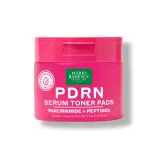
| AnuaCatechin Toner PadsYOUR PRODUCT | NINE LESSB-Boost Kojic Acid Glow Toner Pad | MedicubeKojic Acid Turmeric Pad (70 Pads) | Mario BadescuPDRN Serum Toner Pads with Niacinamide + Peptides | |
|---|---|---|---|---|
| Match | — | 90% | 87% | 86% |
| Price | $15.20 | $19.89+$4.69 | $12.60−$2.60 | $24.00+$8.80 |
| Shared key ingredients | — | 8 of 17 | 9 of 17 | 9 of 17 |
| Key difference | — | Ferulic Acid | Salicylic Acid | Tripeptide-1 |
| Irritancy | Medium | Low | Medium | Medium |
| Drying alcohol | — | — | — | — |
| View product | Shop | Shop | Shop |
More alternatives: innisfree Buy Innisfree Green Tea Hyaluronic Skin Australia - Korean SkincareDr. Ceuracle Hyal Reyouth Toner
Product summary
"Anua - Catechin Toner Pads" is effective for: Moisturizing, Evens skin tone, Anti-blemish and Exfoliation
This product could be helpful for: Anti-aging, but its actives are not the most effective or are not well-studied.
Ingredient callouts
- Ceramides (ceramide np 0.25% - 0.50%). Ceramides are a type of lipids that our skin produces itself. They are a building block of the skin's barrier. Ceramides used in skincare are synthetic or extracted from plants. They work well for softening the skin surface and "patch holes" in the skin's barrier.
- Actives derived from an extract of the Centella Asiatica plant (also known as Gotu Kola) - madecassoside 0.20% - 0.40%, madecassic acid 0.20% - 0.40%, asiaticoside 0.20% - 0.35% and asiatic acid 0.20% - 0.40% The Centella Asiatica Actives help strengthen and restore the skin barrier, decrease inflammation in skin and neutralize free radicals. They also can help to reduce scarring. The good news is that these actives work even in low concentrations.
- Humectants (sodium acetylated hyaluronate 0.10% - 0.15%, sodium hyaluronate crosspolymer 0.15% - 0.30%, sodium hyaluronate 0.20% - 0.40%, hyaluronic acid 0.20% - 0.40%, hydrolyzed hyaluronic acid 0.20% - 0.40%, glyceryl acrylate/acrylic acid copolymer 0.20% - 0.40%, panthenol 0.40% - 0.65%, hydroxyethyl urea 1.00% - 1.20%, diglycerin 1.50% - 1.90%, betaine 1.80% - 2.20% and glycerin 2.30% - 2.90%). These ingredients help attract water to the upper layer of the skin and improve the skin hydration.
Sources cited in this review
Every concentration estimate and effectiveness label is anchored to one of these 41 studies and safety reviews.
- 1
- 2
- 3
- 4
- 5
- 6

Affiliate links · As an Amazon Associate, WIMJ earns from qualifying purchases.