Works for:
based on ingredients and %- Moisturizing
- Anti-aging
- Evens skin tone
- Anti-oxidation
Doesn't work for:
based on ingredients and %- Exfoliation
Can it cause trouble?
- Irritation risk: high
- Comedogenic risk ingredients: 1
Key actives

Moisturizing
What does the product description say?
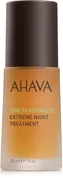
The brand's patented blend of minerals (Osmoter™) delivers optimum levels of moisture and hydration, whilst Alpha-Hydroxy Acids support the skin's overnight repair process, revealing a smoother, more refined complexion come morning.
Source: Lookfantastic Australia
This product can help improve hydration of the skin with the two types of ingredients.
The first type is called “humectants”:
these ingredients help attract water.
When humectants are on the surface of the skin, they “pull in” the moisture from the outside environment, or from
within deeper layers of the skin. The following ingredients in this product do the job:
cyclomethicone, glycerin.
This product also contains ingredients called “occlusives”. They help reduce the speed with which our skin loses moisture to the outside environment. These ingredients also help soften the upper layer of the skin, so it feels less tight and nicer to the touch. The following ingredients in this product do the job: dimethicone, dimethiconol.
The following ingredients in this product are especially good for supporting the skin barrier and helping with the hydration level: dipeptide-2, palmitoyl oligopeptide
A silicone that mixes with water creating nice light-weight product texture
A type of silicone that can decrease loss of moisture from the skin surface. It helps create a nice product texture
One of the best moisturizing ingredients. Attracts water into the upper layer of the skin
Sugar extract that helps attract water to the upper layer of the skin
One of the best moisturizing ingredients. Naturally present in skin. It attracts water to the upper layer of the skin working as a humectant
A silicone that makes products more spreadable and keeps skin smooth. Helps to add gloss to skin and may visually fill in fine lines/wrinkles for short time
A type of silicone that leaves a nice silky finish on the skin and can help soften its upper layer
A silicone that helps to reduce water loss from the surface of the skin. Can temporarily "fill in" lines and wrinkles, absorb oil, and create a nice product finish
A type of peptide. Peptides are excellent moisturizers and might be able support collagen production reducing fine lines and wrinkles
A type of peptide. Peptides are excellent moisturizers and might be able support collagen production reducing fine lines and wrinkles
An oil that is naturally part of skin sebum that helps to soften its upper layer, reduce water loss and neutralize free radicals. It might be comedogenic. Avoid applying large concentrations (or pure oil) before sun exposure as oxidized squalene can clog pores and lead to skin irritation. Today squalene is mostly derived from vegetable oils or synthetized by yeast
Used to create a thicker product texture. Helps soften the upper layer of the skin and might be able to prevent moisture loss from its surface
A green micro-algae extract that might help neutralize free radicals in skin, but solid evidence is lacking. It helps to soften the upper layer of the skin
Helps attract water to the upper layer of the skin. Could be helpful in restoring the skin barrier function
An emollient that helps soften the skin but is not effective for restoring its barrier function. Might be helpful to calm down inflammation
A silicone that helps improve the product texture and spreadability. Can absorb oil creating a short-term mattifying effect on the skin
Improves the texture of the product and helps soften the skin. Helps oil and water mix together and can be used as a cleansing agent
Used to create a nice product texture and help delivery of other ingredients. Might be somewhat helpful in attracting water to the upper layer of the skin
A plant extract that has been shown to be able to reduce inflammation in skin, support restoration of skin barrier function, as well as support collagen production. Contains active compounds called centelloids: asiaticoside, madecasosside, asiatic acid and madecassic acid. Might be helpful in preventing stretch marks. It can be itself be irritating though.
Helps attract water to the upper layer of the skin and can help improve skin barrier function
A good mix of fatty acids that forms a protective layer on the skin. Improves the shelf life of products. Derived from coconut and glycerin
Helps calm down inflammation in skin and can help reduce itching. Helps to repair the skin barrier and keep skin hydrated
A plant extract that can help neutralize free radicals in skin and attract water to its upper layer
Used mostly for creating emulsions - helping oil and water mix together. Helps soften the upper layer of the skin
Traditionally used to treat sunburns, dermatitis and inflammation, but evidence for its effectiveness is lacking. The extract can contain humectants that help attract water into the skin
Pure form of vitamin E. Can help moisturise and protect the skin from free radicals. Often used to help stabilise other ingredients or the formula itself
Anti-aging
What does the product description say?
Synergising Tibetan Goji Berries, Himalayan Raspberry Root and Cetraria Islandica Lichen (extracts that survive harsh, extreme conditions of the Himalayas), the lightweight, non-greasy treatment delivers anti-ageing and antioxidant properties to promote a nourished, revitalised complexion.
Source: Lookfantastic Australia
This product contains dipeptide-2, palmitoyl oligopeptide. These ingredients might be able to help reduce and prevent fine lines and wrinkles, improve skin elasticity and firmness, but there is not enough evidence that it actually works.
A type of peptide. Peptides are excellent moisturizers and might be able support collagen production reducing fine lines and wrinkles
A type of peptide. Peptides are excellent moisturizers and might be able support collagen production reducing fine lines and wrinkles
Might be helpful in reducing fine lines and wrinkles, as well as lightening the skin, but solid evidence is missing. Could somewhat help in reducing the darkness of the under-eye area. Helps to neutralise free radicals in skin
A plant extract that has been shown to be able to reduce inflammation in skin, support restoration of skin barrier function, as well as support collagen production. Contains active compounds called centelloids: asiaticoside, madecasosside, asiatic acid and madecassic acid. Might be helpful in preventing stretch marks. It can be itself be irritating though.
A plant extract that can help neutralize free radicals in skin and attract water to its upper layer
Pure form of vitamin E. Can help moisturise and protect the skin from free radicals. Often used to help stabilise other ingredients or the formula itself
Traditionally used to treat sunburns, dermatitis and inflammation, but evidence for its effectiveness is lacking. The extract can contain humectants that help attract water into the skin
Anti-oxidation
This product contains antioxidants (chrysin, squalene) that might be able to help neutralize free radicals in skin to lessen the damage it gets from the UV light (sun). There is not enough evidence to confirm their effectiveness in skin though.
Might be helpful in reducing fine lines and wrinkles, as well as lightening the skin, but solid evidence is missing. Could somewhat help in reducing the darkness of the under-eye area. Helps to neutralise free radicals in skin
An oil that is naturally part of skin sebum that helps to soften its upper layer, reduce water loss and neutralize free radicals. It might be comedogenic. Avoid applying large concentrations (or pure oil) before sun exposure as oxidized squalene can clog pores and lead to skin irritation. Today squalene is mostly derived from vegetable oils or synthetized by yeast
Bean seed extract. It might have some anti-oxidant properties
An antioxidant that might help neutralize free radicals in skin
A green micro-algae extract that might help neutralize free radicals in skin, but solid evidence is lacking. It helps to soften the upper layer of the skin
A plant extract (perforate St John's-wort) that might have some anti-oxidant effect. Can be used as a fragrance and be irritating
Plant extract. Might have some anti-oxidant properties. Can be irritating
Might be helpful in neutralizing free radicals. Can have a dehydration effect that might somewhat decrease the look of puffy eyes
Might help neutralize free radicals in skin. Is claimed to be able to improve the appearance of undereye darkness but evidence is missing. Can be an allergen and cause irritation
A plant extract that has some anti-oxidant and anti-bacterial properties. Can be irritating
Pure form of vitamin E. Can help moisturise and protect the skin from free radicals. Often used to help stabilise other ingredients or the formula itself
A plant extract that can help neutralize free radicals in skin and attract water to its upper layer
A plant extract that has been shown to be able to reduce inflammation in skin, support restoration of skin barrier function, as well as support collagen production. Contains active compounds called centelloids: asiaticoside, madecasosside, asiatic acid and madecassic acid. Might be helpful in preventing stretch marks. It can be itself be irritating though.
An active component of chamomile plant that historically has been used to calm down irritated skin. A recent study shows that bisabolol indeed can have some anti-inflammatory effect on skin, even though conclusive data is lacking. Bisabolol has a sweet floral scent and can be added to products for its aromatic properties
Evens skin tone
What does the product description say?
Improve skin tone and texture with AHAVA's Extreme Night Treatment ; an innovative formula that utilises natural extracts from the lowest and highest points on earth .
Source: Lookfantastic Australia
The following ingredient (ingredients) in this product might be helpful, but there is no evidence to confirm that it actually works: chrysin.
Might be helpful in reducing fine lines and wrinkles, as well as lightening the skin, but solid evidence is missing. Could somewhat help in reducing the darkness of the under-eye area. Helps to neutralise free radicals in skin
Is claimed to be able to brighten skin tone by removing some blood-related pigmented compounds in skin (hemoglobin and related elements) but solid research is missing. Can be irritating
Exfoliation
What does the product description say?
the Dead Sea and the Himalayan mountains.
Source: Lookfantastic Australia
This product does not contain effective exfoliating ingredients. It might be able to deliver physical exfoliation, that is scrub off some of the dead cells on the surface of the skin. We do not recommend physical exfoliation, because it is not uniform (some bits of skin can get exfoliated too much while others not at all). It can also traumatize the skin and aggrevate acne and other skin conditions.
Used to thicken the product formulation and might help to add minerals to the surface of the skin. It is used in scrubs as a physical exfoliant. Can increase sensitivity to other ingredients if left on the skin or used in high concentration
Helps calm down inflammation in skin and can help reduce itching. Helps to repair the skin barrier and keep skin hydrated
How honest is this product?
| Promise | Can it deliver? |
|---|---|
| Moisturizing | |
| Anti-aging | |
| Evens skin tone | |
| Exfoliation |
Total Promises Fulfilled score: 62/100.
We receive a small commission for purchases made through these links at no cost for you. Thank you for your support! Learn more
Potential irritants
Comedogenic ingredients
User reviews (0)
Averages from community submissions.
No reviews yet for this product.
Be the first to share your experience!
Tried this product?
Help capture what the ingredient list can't—texture, finish, pilling, scent, and more. Answer what you can, skip the rest.
Takes ~30 seconds.
Reviews are shown in aggregate. No personal details.
Key Actives
A plant extract that has been shown to be able to reduce inflammation in skin, support restoration of skin barrier function, as well as support collagen production. Contains active compounds called centelloids: asiaticoside, madecasosside, asiatic acid and madecassic acid. Might be helpful in preventing stretch marks. It can be itself be irritating though.
A plant extract that can help neutralize free radicals in skin and attract water to its upper layer
A type of peptide. Peptides are excellent moisturizers and might be able support collagen production reducing fine lines and wrinkles
Helps attract water to the upper layer of the skin and can help improve skin barrier function
Might be helpful in reducing fine lines and wrinkles, as well as lightening the skin, but solid evidence is missing. Could somewhat help in reducing the darkness of the under-eye area. Helps to neutralise free radicals in skin
A silicone that helps improve the product texture and spreadability. Can absorb oil creating a short-term mattifying effect on the skin
A silicone that mixes with water creating nice light-weight product texture
A silicone that helps to reduce water loss from the surface of the skin. Can temporarily "fill in" lines and wrinkles, absorb oil, and create a nice product finish
A silicone that helps improve the product texture and spreadability. Can absorb oil creating a short-term mattifying effect on the skin
Might be helpful in neutralizing free radicals. Can have a dehydration effect that might somewhat decrease the look of puffy eyes
A type of peptide. Peptides are excellent moisturizers and might be able support collagen production reducing fine lines and wrinkles
An oil that is naturally part of skin sebum that helps to soften its upper layer, reduce water loss and neutralize free radicals. It might be comedogenic. Avoid applying large concentrations (or pure oil) before sun exposure as oxidized squalene can clog pores and lead to skin irritation. Today squalene is mostly derived from vegetable oils or synthetized by yeast
A form of Vitamin E. In concentrations 1-3%, it can help neutralize free radicals in skin and support photodamage repair
A type of silicone that leaves a nice silky finish on the skin and can help soften its upper layer
One of the best moisturizing ingredients. Naturally present in skin. It attracts water to the upper layer of the skin working as a humectant
A silicone that makes products more spreadable and keeps skin smooth. Helps to add gloss to skin and may visually fill in fine lines/wrinkles for short time
One of the best moisturizing ingredients. Naturally present in skin. It attracts water to the upper layer of the skin working as a humectant
Sugar extract that helps attract water to the upper layer of the skin
One of the best moisturizing ingredients. Naturally present in skin. It attracts water to the upper layer of the skin working as a humectant
A good mix of fatty acids that forms a protective layer on the skin. Improves the shelf life of products. Derived from coconut and glycerin
A type of silicone that can decrease loss of moisture from the skin surface. It helps create a nice product texture
One of the best moisturizing ingredients. Attracts water into the upper layer of the skin
Potential irritants
Plant extract. Might have some anti-oxidant properties. Can be irritating
A plant extract that is used as a fragrance. Can be irritating and lead to photosensitivity
Used as a fragrance. Can be irritating and cause photosensitivity
A plant extract that might have anti-oxidant properties. Can be irritating
Helps oil and water mix together and can enhance the penetration of other ingredients into the skin. It can be irritating
Might help neutralize free radicals in skin. Is claimed to be able to improve the appearance of undereye darkness but evidence is missing. Can be an allergen and cause irritation
Plant oil that can have healing and anti-inflammatory properties. It contains volatile compouunds that are potential allergens and can be irritating
Is claimed to be able to brighten skin tone by removing some blood-related pigmented compounds in skin (hemoglobin and related elements) but solid research is missing. Can be irritating
A plant extract that has some anti-oxidant and anti-bacterial properties. Can be irritating
A plant extract (perforate St John's-wort) that might have some anti-oxidant effect. Can be used as a fragrance and be irritating
A plant extract. Used as a fragrance. Can be irritating
An aromatic blend of unspecified and possibly irritating ingredients
A fragrance. Can trigger allergic reactions and be irritating
A fragrance. Potential allergen and can be irritating
A common frangrance that can easily irritate skin, especially if exposed to air, light or heat
A plant extract that contains small percentage of AHAs. Is unlikely to have any skin benefit due the small concentration of the active compounds
Might be helpful in neutralizing free radicals. Can have a dehydration effect that might somewhat decrease the look of puffy eyes
A good mix of fatty acids that forms a protective layer on the skin. Improves the shelf life of products. Derived from coconut and glycerin
A plant extract that can contain an anti-inflammatory compound
A plant extract that has been shown to be able to reduce inflammation in skin, support restoration of skin barrier function, as well as support collagen production. Contains active compounds called centelloids: asiaticoside, madecasosside, asiatic acid and madecassic acid. Might be helpful in preventing stretch marks. It can be itself be irritating though.
Might be helpful in reducing fine lines and wrinkles, as well as lightening the skin, but solid evidence is missing. Could somewhat help in reducing the darkness of the under-eye area. Helps to neutralise free radicals in skin
Traditionally used to treat sunburns, dermatitis and inflammation, but evidence for its effectiveness is lacking. The extract can contain humectants that help attract water into the skin
An emollient that helps soften the skin but is not effective for restoring its barrier function. Might be helpful to calm down inflammation
Used to thicken the product formulation and might help to add minerals to the surface of the skin. It is used in scrubs as a physical exfoliant. Can increase sensitivity to other ingredients if left on the skin or used in high concentration
A plant extract that can help neutralize free radicals in skin and attract water to its upper layer
Can work as an exfoliant but is typically used to adjust the product pH
Helps preserve product formulations and can mask the smell of other ingredients in a product
Used to stabilize the product formulation protecting it from sun light
Comedogenic ingredients
An oil that is naturally part of skin sebum that helps to soften its upper layer, reduce water loss and neutralize free radicals. It might be comedogenic. Avoid applying large concentrations (or pure oil) before sun exposure as oxidized squalene can clog pores and lead to skin irritation. Today squalene is mostly derived from vegetable oils or synthetized by yeast
All ingredients
A silicone that helps improve the product texture and spreadability. Can absorb oil creating a short-term mattifying effect on the skin
A silicone that mixes with water creating nice light-weight product texture
A type of silicone that leaves a nice silky finish on the skin and can help soften its upper layer
Plant extract. Might have some anti-oxidant properties. Can be irritating
Acts as a solvent for other ingredients. Speeds up the absorption of other ingredients into the skin
A silicone that helps to reduce water loss from the surface of the skin. Can temporarily "fill in" lines and wrinkles, absorb oil, and create a nice product finish
Used to create a thicker product texture. Helps soften the upper layer of the skin and might be able to prevent moisture loss from its surface
One of the best moisturizing ingredients. Naturally present in skin. It attracts water to the upper layer of the skin working as a humectant
A silicone that helps improve the product texture and spreadability. Can absorb oil creating a short-term mattifying effect on the skin
A silicone that makes products more spreadable and keeps skin smooth. Helps to add gloss to skin and may visually fill in fine lines/wrinkles for short time
One of the best moisturizing ingredients. Naturally present in skin. It attracts water to the upper layer of the skin working as a humectant
A plant extract that contains small percentage of AHAs. Is unlikely to have any skin benefit due the small concentration of the active compounds
A plant extract that is used as a fragrance. Can be irritating and lead to photosensitivity
Used as a fragrance. Can be irritating and cause photosensitivity
Sugar extract that helps attract water to the upper layer of the skin
Used to create a nice product texture and help delivery of other ingredients. Might be somewhat helpful in attracting water to the upper layer of the skin
One of the best moisturizing ingredients. Naturally present in skin. It attracts water to the upper layer of the skin working as a humectant
A plant extract that might have anti-oxidant properties. Can be irritating
A type of peptide. Peptides are excellent moisturizers and might be able support collagen production reducing fine lines and wrinkles
Helps create a thicker or gel-like product texture. It is not a surfactant but can be used in gentle cleansing formulations
Might be helpful in neutralizing free radicals. Can have a dehydration effect that might somewhat decrease the look of puffy eyes
Used mostly for creating emulsions - helping oil and water mix together. Helps soften the upper layer of the skin
Helps oil and water mix together and can enhance the penetration of other ingredients into the skin. It can be irritating
Used to create a thicker product consistency and stabilize formulations
Bean seed extract. It might have some anti-oxidant properties
A type of peptide. Peptides are excellent moisturizers and might be able support collagen production reducing fine lines and wrinkles
Might help neutralize free radicals in skin. Is claimed to be able to improve the appearance of undereye darkness but evidence is missing. Can be an allergen and cause irritation
A good mix of fatty acids that forms a protective layer on the skin. Improves the shelf life of products. Derived from coconut and glycerin
A plant extract that can contain an anti-inflammatory compound
A type of silicone that can decrease loss of moisture from the skin surface. It helps create a nice product texture
An active component of chamomile plant that historically has been used to calm down irritated skin. A recent study shows that bisabolol indeed can have some anti-inflammatory effect on skin, even though conclusive data is lacking. Bisabolol has a sweet floral scent and can be added to products for its aromatic properties
Plant oil that can have healing and anti-inflammatory properties. It contains volatile compouunds that are potential allergens and can be irritating
Helps attract water to the upper layer of the skin. Could be helpful in restoring the skin barrier function
An oil that is naturally part of skin sebum that helps to soften its upper layer, reduce water loss and neutralize free radicals. It might be comedogenic. Avoid applying large concentrations (or pure oil) before sun exposure as oxidized squalene can clog pores and lead to skin irritation. Today squalene is mostly derived from vegetable oils or synthetized by yeast
A plant extract that has been shown to be able to reduce inflammation in skin, support restoration of skin barrier function, as well as support collagen production. Contains active compounds called centelloids: asiaticoside, madecasosside, asiatic acid and madecassic acid. Might be helpful in preventing stretch marks. It can be itself be irritating though.
Helps attract water to the upper layer of the skin and can help improve skin barrier function
Might be helpful in reducing fine lines and wrinkles, as well as lightening the skin, but solid evidence is missing. Could somewhat help in reducing the darkness of the under-eye area. Helps to neutralise free radicals in skin
Is claimed to be able to brighten skin tone by removing some blood-related pigmented compounds in skin (hemoglobin and related elements) but solid research is missing. Can be irritating
Improves the texture of the product and helps soften the skin. Helps oil and water mix together and can be used as a cleansing agent
Traditionally used to treat sunburns, dermatitis and inflammation, but evidence for its effectiveness is lacking. The extract can contain humectants that help attract water into the skin
A plant extract that has some anti-oxidant and anti-bacterial properties. Can be irritating
Pure form of vitamin E. Can help moisturise and protect the skin from free radicals. Often used to help stabilise other ingredients or the formula itself
A plant extract (perforate St John's-wort) that might have some anti-oxidant effect. Can be used as a fragrance and be irritating
An emollient that helps soften the skin but is not effective for restoring its barrier function. Might be helpful to calm down inflammation
A preservative. It helps prevent bacterial growth in cosmetic products
A preservative. It helps prevent bacterial growth in cosmetic products
Used to thicken the product formulation and might help to add minerals to the surface of the skin. It is used in scrubs as a physical exfoliant. Can increase sensitivity to other ingredients if left on the skin or used in high concentration
Dissolves other ingredients. It does not have additional skin benefits compared to plain water
A plant extract that can help neutralize free radicals in skin and attract water to its upper layer
One of the best moisturizing ingredients. Attracts water into the upper layer of the skin
A plant extract. Used as a fragrance. Can be irritating
An aromatic blend of unspecified and possibly irritating ingredients
Helps calm down inflammation in skin and can help reduce itching. Helps to repair the skin barrier and keep skin hydrated
A green micro-algae extract that might help neutralize free radicals in skin, but solid evidence is lacking. It helps to soften the upper layer of the skin
Can work as an exfoliant but is typically used to adjust the product pH
Helps preserve product formulations and can mask the smell of other ingredients in a product
A form of Vitamin E. In concentrations 1-3%, it can help neutralize free radicals in skin and support photodamage repair
Used to stabilize the product formulation protecting it from sun light
A fragrance. Can trigger allergic reactions and be irritating
A fragrance. Potential allergen and can be irritating
A common frangrance that can easily irritate skin, especially if exposed to air, light or heat
Ingredient list view
Cyclopentasiloxane, Peg/ppg-18/18 dimethicone, Cyclomethicone, Aesculus hippocastanum seed extract, Propanediol, Unknown, Glycol, Water, Dimethicone, Dimethicone crosspolymer, Glycerin, Ruscus aculeatus root extract, Water, Cyclopentasiloxane, Dimethiconol, Glycerin, Acer saccharum extract, Citrus aurantium dulcis fruit extract, Citrus limon fruit extract, Saccharum officinarum extract, Vaccinium myrtillus leaf extract, Butylene glycol, Glycerin, Equisetum arvense extract, Palmitoyl oligopeptide, Elaeis guineensis extract, Tetrapeptide-3, Polysorbate 20, Carbomer, Caffeine, Lecithin, Palmitoyl carnitine, Propylene glycol, Cetyl hydroxyethylcellulose, Phaseolus lunatus seed extract, Rutin, Dipeptide-2, Hesperidin methyl chalcone, Steareth-20, Caprylic/capric triglyceride, Teprenone, Sigesbeckia orientalis extract, Rabdosia rubescens extract, Bis-hydroxyethoxypropyl dimethicone, Phenyl trimethicone, Bisabolol, Chamomilla recutita flower oil, Chamomilla recutita flower water, Glucose, Peg-40 hydrogenated castor oil, Squalene, Cetraria islandica extract, Centella asiatica extract, Panthenol, Chrysin, N-hydroxysuccinimide, Isohexadecane, Aloe barbadensis leaf juice, Calendula officinalis flower extract, Tocopherol, Hypericum perforatum flower/leaf/stem extract, Olea europaea fruit oil, Phenoxyethanol, Pichia/resveratrol ferment extract, Phenoxyethanol, Ethylhexylglycerin, Maris sal, Unknown, Sea water, Rosa centifolia flower extract, Lycium barbarum fruit extract, Rubus ellipticus root extract, Sodium hyaluronate, Ammonium lactate, Bellis perennis flower extract, Parfum, Allantoin, Dunaliella salina extract, Bha, Citric acid, Propyl gallate, Phoenix dactylifera fruit extract, Disodium lauriminodipropionate tocopheryl phosphates, Benzotriazolyl dodecyl p-cresol, Butylphenyl methylpropional, Linalool, Citronellol, Alpha-isomethyl ionone, Hexyl cinnamal, Limonene, Benzyl salicylate, Geraniol
- Contact dermatitis as an adverse reaction to some topically used European herbal medicinal products – part 1: Achillea millefolium–Curcuma longa
- Dimethicone as a protective ingredient in topical medications
- Final Report on the Safety Assessment of Dimethicone Copolyol
- Glycerol and the skin: holistic approach to its origin and functions
- Safety Assessment of Citrus Fruit-Derived Ingredients as Used in Cosmetics
- Photosensitivity in children: An approach to diagnosis and management
- Safety Assessment of Citrus-Derived Peel Oils as Used in Cosmetics
- Surfactants and experimental irritant contact dermatitis
- Propylene Glycol
- Skin-sensitizing and irritant properties of propylene glycol
- Hesperidin methyl chalcone - a new cosmetic contact allergen
- Benefits of Hesperidin for Cutaneous Functions
- Purified Pland Extracts
- α-(-)-Bisabolol Reduces Pro-Inflammatory Cytokine Production and Ameliorates Skin Inflammation
- Topical Glucose Induces Claudin-1 and Filaggrin Expression in a Mouse Model of Atopic Dermatitis and in Keratinocyte Culture, Exerting Anti-inflammatory Effects by Repairing Skin Barrier Function
- Amended Safety Assessment of PEGylated Oils as Used in Cosmetics
- Squalene and its potential clinical uses
- Biological and Pharmacological Activities of Squalene and Related Compounds: Potential Uses in Cosmetic Dermatology
- Enhanced comedo formation in rabbit ear skin by squalene and oleic acid peroxides
- Anti-Inflammatory Effect of Titrated Extract of Centella asiatica in Phthalic Anhydride-Induced Allergic Dermatitis Animal Model
- Centella asiatica in cosmetology
- Triterpene Composition and Bioactivities of Centella asiatica
- Asiaticoside induction for cell-cycle progression, proliferation and collagen synthesis in human dermal fibroblasts
- Assessment report on Centella asiatica (L.) Urban, herba
- Contact dermatitis due to Madecassol
- The Effects of a Standardized Extract of Centella asiatica on Postlaser Resurfacing Wound Healing on the Face: A Split-Face, Double-Blind, Randomized, Placebo-Controlled Trial
- Skin moisturizing effects of panthenol-based formulations
- Safety Assessment of Panthenol, Pantothenic Acid, and Derivatives as Used in Cosmetics
- Anti-photoageing and anti-melanogenesis activities of chrysin
- Chrysin Protects Epidermal Keratinocytes from UVA- and UVB-Induced Damage
- Inhibition of melanogenesis by 5,7-dihydroxyflavone (chrysin) via blocking adenylyl cyclase activity
- Topical application of Calendula officinalis (L.): Formulation and evaluation of hydrophilic cream with antioxidant activity
- The seamy side of natural medicines: contact sensitization to arnica (Arnica montana L.) and marigold (Calendula officinalis L.)
- Final report on the safety assessment of Calendula officinalis extract and Calendula officinalis
- Vitamin E in dermatology
- Vitamin E and Skin Health
- Medical Attributes of St. John’s Wort (Hypericum perforatum)
- Use of “natural” oils for moisturization: Review of olive, coconut, and sunflower seed oil
- https://ec.europa.eu/health/scientific_committees/consumer_safety/docs/sccs_o_073_annex1.pdf
- Water-soluble polysaccharide from dried Lycium barbarum fruits: Isolation, structural features and antioxidant activity
- Lycium barbarum polysaccharide protects human keratinocytes against UVB-induced photo-damage
- Lycium Barbarum and Human Health
- Hyaluronic acid: A key molecule in skin aging
- Hyaluronan (Hyaluronic Acid): a natural moisturizer for skin care
- Profile of wound healing process induced by allantoin
- Dunaliella salina alga extract inhibits the production of interleukin-6, nitric oxide, and reactive oxygen species by regulating nuclear factor-κB/Janus kinase/signal transducer and activator of transcription in virus-infected RAW264.7 cells
- Biochemical composition and bioactivity screening of various extracts from Dunaliella salina, a green microalga