
Works for:
based on ingredients and %- Moisturizing
Doesn't work for:
based on ingredients and %- Anti-aging
- Exfoliation
- Evens skin tone
Can it cause trouble?
- Irritation risk: medium
- Comedogenic risk ingredients: 3
Key actives


Moisturizing
What does the product description say?
Formulated with ZPOLY™ complex for enhanced redness-soothing and barrier-strengthening capability.
Source: Zo Skin Health
This product can help improve hydration of the skin with the two types of ingredients.
The first type is called “humectants”:
these ingredients help attract water.
When humectants are on the surface of the skin, they “pull in” the moisture from the outside environment, or from
within deeper layers of the skin. The following ingredients in this product do the job:
galactoarabinan, glycerin.
This product also contains ingredients called “occlusives”. They help reduce the speed with which our skin loses moisture to the outside environment. These ingredients also help soften the upper layer of the skin, so it feels less tight and nicer to the touch. The following ingredients in this product do the job: dimethicone, helianthus annuus seed oil.
The following ingredients in this product are especially good for supporting the skin barrier and helping with the hydration level: panthenol
A stable oil-soluble derivative of vitamin B5. It can help support skin barrier and reduce inflammation in skin
A silicone that helps to reduce water loss from the surface of the skin. Can temporarily "fill in" lines and wrinkles, absorb oil, and create a nice product finish
Helps attract water to the upper layer of the skin
One of the best moisturizing ingredients. Naturally present in skin. It attracts water to the upper layer of the skin working as a humectant
A great emollient due to its high linoleic acid content. One of the most effective plant oils in helping skin hydration and repairing skin barrier function
Helps attract water to the upper layer of the skin and can help improve skin barrier function
Helps attract water to the upper layer of the skin
Enhances the product texture and makes it more spreadable. Helps reduce water loss from the outer layer of skin. Extands the shelf life by preventing bacteria growth
A non-drying alcohol that works to soften the skin and stabilize product formulations helping oil and water mix together
Derived from brown algae. Helps attract water to the upper layer of the skin
Used to thicken product formulation. Can help attract water to the upper layer of the skin
Helps preserve products and creates a nice product texture
An emollient that softens the skin and forms a protective layer on its surface. Helps water and oil mix together
An exfoliating and moisturizing alpha-hydroxy acid (AHA). Typically causes less irritation than other AHAs, for example, glycolic acid. At high concentrations (about 15%), lactic acid can help reduce lines and wrinkles. Recent studies show that lactic acid can support the "good" bacteria living on skin's surface (healthy skin microbiome)
Seaweed extract that helps the skin to attract water and make it more smooth for touch. Also shows promise of anti-aging properties, but good research is lacking at the moment
Used mostly for creating emulsions - helping oil and water mix together. Helps soften the upper layer of the skin
Pure form of vitamin E. Can help moisturise and protect the skin from free radicals. Often used to help stabilise other ingredients or the formula itself
Anti-aging
What does the product description say?
Exfoliating properties provide ultra-mild exfoliation to prevent the signs of premature aging.
Source: Face the future
This product does not contain ingredients that are able to reduce fine lines and wrinkles or help with skin elasticity, but it can improve the look of the skin temporarily through moisturization. Well-moisturized skin might also be able to repair the sun damage better.These ingredients - magnesium aluminum silicate, panthenyl triacetate - could be helpful for preventing or repairing signs of aging in theory, but there is no evidence that it actually works.
Might be helpful in restoring skin barrier function and, when combined with zinc carbonate and malonic acid, reducing fine lines and wrinkles by stimulating elastin production. Also helps stabilize the product formulation
A stable oil-soluble derivative of vitamin B5. It can help support skin barrier and reduce inflammation in skin
An exfoliating and moisturizing alpha-hydroxy acid (AHA). Typically causes less irritation than other AHAs, for example, glycolic acid. At high concentrations (about 15%), lactic acid can help reduce lines and wrinkles. Recent studies show that lactic acid can support the "good" bacteria living on skin's surface (healthy skin microbiome)
Pure form of vitamin E. Can help moisturise and protect the skin from free radicals. Often used to help stabilise other ingredients or the formula itself
Seaweed extract that helps the skin to attract water and make it more smooth for touch. Also shows promise of anti-aging properties, but good research is lacking at the moment
Evens skin tone
What does the product description say?
Provides mild exfoliation to help smooth skin texture and even skin tone
Source: Face the future
Effective ingredients missing or their concentration is too low
An exfoliating and moisturizing alpha-hydroxy acid (AHA). Typically causes less irritation than other AHAs, for example, glycolic acid. At high concentrations (about 15%), lactic acid can help reduce lines and wrinkles. Recent studies show that lactic acid can support the "good" bacteria living on skin's surface (healthy skin microbiome)
Exfoliation
What does the product description say?
Provides mild enzymatic exfoliation to smooth bumpy texture
Source: Zo Skin Health
This product does not contain effective exfoliating ingredients. It might be able to deliver physical exfoliation, that is scrub off some of the dead cells on the surface of the skin. We do not recommend physical exfoliation, because it is not uniform (some bits of skin can get exfoliated too much while others not at all). It can also traumatize the skin and aggrevate acne and other skin conditions.
An exfoliating and moisturizing alpha-hydroxy acid (AHA). Typically causes less irritation than other AHAs, for example, glycolic acid. At high concentrations (about 15%), lactic acid can help reduce lines and wrinkles. Recent studies show that lactic acid can support the "good" bacteria living on skin's surface (healthy skin microbiome)
How honest is this product?
| Promise | Can it deliver? |
|---|---|
| Moisturizing | |
| Anti-aging | |
| Exfoliation | |
| Evens skin tone |
Total Promises Fulfilled score: 37/100.
We receive a small commission for purchases made through these links at no cost for you. Thank you for your support! Learn more
Potential irritants
Comedogenic ingredients
User reviews (0)
Averages from community submissions.
No reviews yet for this product.
Be the first to share your experience!
Tried this product?
Help capture what the ingredient list can't—texture, finish, pilling, scent, and more. Answer what you can, skip the rest.
Takes ~30 seconds.
Reviews are shown in aggregate. No personal details.
| Product | Similarity | Price | Irritancy |
|---|---|---|---|
 ZO Skin Health Rozatrol | Current | $67.99 | |
Dr. Barbara Sturm The Good C Vitamin C Serum | 60% | ≈ $154.63 | |
Joanna Vargas Magic Serum | 60% | - | |
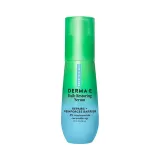 Derma E Sensitive Skin Daily Restoring Serum | 59% | $24.95 | |
 The INKEY List CA 360° Clarifying Serum | 59% | ≈ $17.18 | |
Revolution Skin Cica Serum | 59% | ≈ $10.72 |
Key Actives
Pure form of vitamin E. Can help moisturise and protect the skin from free radicals. Often used to help stabilise other ingredients or the formula itself
Helps attract water to the upper layer of the skin and can help improve skin barrier function
A silicone that helps to reduce water loss from the surface of the skin. Can temporarily "fill in" lines and wrinkles, absorb oil, and create a nice product finish
A stable oil-soluble derivative of vitamin B5. It can help support skin barrier and reduce inflammation in skin
One of the best moisturizing ingredients. Naturally present in skin. It attracts water to the upper layer of the skin working as a humectant
A great emollient due to its high linoleic acid content. One of the most effective plant oils in helping skin hydration and repairing skin barrier function
Helps attract water to the upper layer of the skin
Potential irritants
An aromatic blend of unspecified and possibly irritating ingredients
Might have some anti-inflammatory properties but research is lacking
Helps preserve products and creates a nice product texture
An exfoliating and moisturizing alpha-hydroxy acid (AHA). Typically causes less irritation than other AHAs, for example, glycolic acid. At high concentrations (about 15%), lactic acid can help reduce lines and wrinkles. Recent studies show that lactic acid can support the "good" bacteria living on skin's surface (healthy skin microbiome)
Can work as an exfoliant but is typically used to adjust the product pH
Comedogenic ingredients
Seaweed extract that helps the skin to attract water and make it more smooth for touch. Also shows promise of anti-aging properties, but good research is lacking at the moment
Derived from brown algae. Helps attract water to the upper layer of the skin
Used to thicken product formulation. Can help attract water to the upper layer of the skin
All ingredients
One of the best moisturizing ingredients. Naturally present in skin. It attracts water to the upper layer of the skin working as a humectant
A non-drying alcohol that works to soften the skin and stabilize product formulations helping oil and water mix together
A great emollient due to its high linoleic acid content. One of the most effective plant oils in helping skin hydration and repairing skin barrier function
Enhances the product texture and makes it more spreadable. Helps reduce water loss from the outer layer of skin. Extands the shelf life by preventing bacteria growth
A silicone that helps to reduce water loss from the surface of the skin. Can temporarily "fill in" lines and wrinkles, absorb oil, and create a nice product finish
Helps attract water to the upper layer of the skin and can help improve skin barrier function
An emollient that softens the skin and forms a protective layer on its surface. Helps water and oil mix together
Helps oil and water mix togehter and creates a nice product texture
Might have some anti-inflammatory properties but research is lacking
A stable oil-soluble derivative of vitamin B5. It can help support skin barrier and reduce inflammation in skin
Used mostly for creating emulsions - helping oil and water mix together. Helps soften the upper layer of the skin
Seaweed extract that helps the skin to attract water and make it more smooth for touch. Also shows promise of anti-aging properties, but good research is lacking at the moment
Pure form of vitamin E. Can help moisturise and protect the skin from free radicals. Often used to help stabilise other ingredients or the formula itself
Helps preserve products and creates a nice product texture
Derived from brown algae. Helps attract water to the upper layer of the skin
Used to thicken product formulation. Can help attract water to the upper layer of the skin
Might be helpful in restoring skin barrier function and, when combined with zinc carbonate and malonic acid, reducing fine lines and wrinkles by stimulating elastin production. Also helps stabilize the product formulation
Used to stabilize the product formulation and can help absorb oil
An exfoliating and moisturizing alpha-hydroxy acid (AHA). Typically causes less irritation than other AHAs, for example, glycolic acid. At high concentrations (about 15%), lactic acid can help reduce lines and wrinkles. Recent studies show that lactic acid can support the "good" bacteria living on skin's surface (healthy skin microbiome)
Can work as an exfoliant but is typically used to adjust the product pH
A preservative. It helps prevent bacterial growth in cosmetic products
An aromatic blend of unspecified and possibly irritating ingredients
Ingredient list view
Water, Glycerin, Cetyl alcohol, Helianthus annuus seed oil, C12-15 alkyl benzoate, Palmitoyl glycine, Neopentyl glycol diethylhexanoate, Dimethicone, Panthenol, Glyceryl stearate, Peg-100 stearate, Potassium cetyl phosphate, Lactose, Lactis proteinum, Brassica oleracea italica extract, Farnesyl acetate, Farnesol, Panthenyl triacetate, Leontopodium alpinum meristem cell culture, Marrubium vulgare meristem cell culture, Lecithin, Opuntia ficus-indica stem extract, Laminaria digitata extract, Peg-35 castor oil, Carbomer/papain crosspolymer, Tocopherol, Xanthan gum, Caprylyl glycol, Hydrolyzed algin, Neopentyl glycol diisostearate, Algin, Galactoarabinan, Schizophyllan, Peg-12 glyceryl laurate, Magnesium aluminum silicate, Disodium edta, Maltodextrin, 1,2-hexanediol, Aminomethyl propanol, Lactic acid, Citric acid, Chlorphenesin, Phenoxyethanol, Parfum
- Glycerol and the skin: holistic approach to its origin and functions
- Effect of Olive and Sunflower Seed Oil on the Adult Skin Barrier: Implications for Neonatal Skin Care
- Topically Applied Sunflower Seed Oil Prevents Invasive Bacterial Infections in Preterm Infants in Egypt
- Effect of topically applied lipids on surfactant-irritated skin
- Impact of topical oils on the skin barrier: possible implications for neonatal health in developing countries
- Dimethicone as a protective ingredient in topical medications
- Final Report on the Safety Assessment of Dimethicone Copolyol
- Skin moisturizing effects of panthenol-based formulations
- Safety Assessment of Panthenol, Pantothenic Acid, and Derivatives as Used in Cosmetics
- Panthenyl Triacetate Transformation, Stimulation of Metabolic Pathways, and Wound-Healing Properties in the Human Skin
- Vitamin E in dermatology
- Vitamin E and Skin Health
- Safety Assessment of Plant Polysaccharide Gums as Used in Cosmetics
- Final report on the safety assessment of aluminum silicate, calcium silicate, magnesium aluminum silicate, magnesium silicate, magnesium trisilicate, sodium magnesium silicate, zirconium silicate, attapulgite, bentonite, Fuller's earth, hectorite, kaolin, lithium magnesium silicate, lithium magnesium sodium silicate, montmorillonite, pyrophyllite, and zeolite
- Extracellular matrix in cutaneous ageing: the effects of 0.1% copper-zinc malonate-containing cream on elastin biosynthesis
- The influence of alkane chain length on the skin irritation potential of 1,2-alkanediols
- Epidermal and dermal effects of topical lactic acid
- Dual Effects of Alpha-Hydroxy Acids on the Skin