Ziajaonline Ziaja Med Lipid Formula Physioderm Body Balm
Works for
1 of 1 advertised claim delivered
MoisturizingPhytosphingosine, Ceramide 1 + 16 moreStrong evidence
“Intensely moisturises and reduces transepidermal water loss. Visibly soothes irritation.”
This product can help improve hydration of the skin with the two types of ingredients.
The first type is called “humectants”:
these ingredients help attract water.
When humectants are on the surface of the skin, they “pull in” the moisture from the outside environment, or from
within deeper layers of the skin. The following ingredients in this product do the job:
glycerin, peg-8.
This product also contains ingredients called “occlusives”. They help reduce the speed with which our skin loses moisture to the outside environment. These ingredients also help soften the upper layer of the skin, so it feels less tight and nicer to the touch. The following ingredients in this product do the job: butyrospermum parkii butter, caprylic/capric triglyceride.
The following ingredients in this product are especially good for supporting the skin barrier and helping with the hydration level: ceramide 1, ceramide 3, ceramide 6 ii, phytosphingosine
Can it cause trouble?
Irritancy1 strong irritant: Diazolidinyl ureaMedium risk
Comedogenic3 ingredients rated 2 or more on the 0–5 pore-clogging scale3 flagged

User reviews
Be the first — your take helps the next person decide.
Ingredients
Filter by role to see what each ingredient is doing.
Water~45–55%
Caprylic/capric triglyceride~6.6–8.1%
- Irritation risk
- Medium
A good mix of fatty acids that forms a protective layer on the skin. Improves the shelf life of products. Derived from coconut and glycerin
More about Caprylic/capric triglycerideGlycerin~4.2–5.2%
- Irritation risk
- Low
One of the best moisturizing ingredients. Naturally present in skin. It attracts water to the upper layer of the skin working as a humectant
More about GlycerinHexyl laurate~3.2–3.9%
- Irritation risk
- Medium
Helps soften the upper layer of the skin and create a nice product consistency
More about Hexyl lauratePolyglyceryl-3 methylglucose distearate~2.3–2.9%
- Irritation risk
- Medium
Helps water and oil mix together
More about Polyglyceryl-3 methylglucose distearateButyrospermum parkii butter~2.1–2.5%
- Irritation risk
- Low
- Comedogenicity
- 3/5
A great moisturising ingredient that softens the skin and reduces water loss from its upper layer. It also can be helpful in protecting skin from free radicals
More about Butyrospermum parkii butterCetearyl alcohol~1.7–2.1%
- Irritation risk
- Low
- Comedogenicity
- 2/5
A non-drying alcohol. Works as an emollient. Helps water and oil mix together and creates a nice product texture
More about Cetearyl alcoholHydrogenated coco-glycerides~1.5–1.8%
- Irritation risk
- Medium
Helps oil and water mix together while creating a nice finish on the skin
More about Hydrogenated coco-glyceridesHydrogenated lecithin~1.2–1.4%
- Irritation risk
- Low
Helps to retain moisture by creating a protective barrier on the skin. Rich in fatty acids. Improves product texture and helps with the penetration of other ingredients.
More about Hydrogenated lecithinC12-16 alcohols~1–1.2%
- Irritation risk
- Medium
Helps soften the upper layer of the skin and improve the product's texture
More about C12-16 alcoholsPalmitic acid~0.75–1.1%
- Irritation risk
- Low
An emollient that is naturally present in skin and helps soften it
More about Palmitic acidOlea europaea fruit oil~0.6–0.85%
- Irritation risk
- Medium
An emollient that helps soften the skin but is not effective for restoring its barrier function. Might be helpful to calm down inflammation
More about Olea europaea fruit oilMacadamia ternifolia seed oil~0.55–0.8%
- Irritation risk
- Medium
Plant oil from nuts that helps soften the upper layer of the skin. Contains a high concentration of oleic acid that can weaken skin's barrier function and increase water-loss while enhancing penetration of other ingredients
More about Macadamia ternifolia seed oilGossypium herbaceum seed oil~0.45–0.7%
- Irritation risk
- Low
- Comedogenicity
- 3/5
Cottonseed oil. It is used as an emollient and occlusive in products. It is rich palmitic, oleic acid, and linoleic fatty acids.
More about Gossypium herbaceum seed oilSqualane~0.5–0.75%
- Irritation risk
- Low
An oil naturally present in skin. Works as an emollient to soften the skin and form a protective layer on its surface without a greasy feeling.
More about SqualaneCeramide 3~0.45–0.7%
- Irritation risk
- Low
A type of lipid similar to ceramides naturally present in skin. Helps to soften the upper layer of the skin and supports the skin barrier function to keep it hydrated. Can help to prevent inflammation in skin
More about Ceramide 3Ceramide 6 ii~0.45–0.7%
- Irritation risk
- Low
A type of lipid similar to ceramides naturally present in skin. Helps to soften the upper layer of the skin and supports the skin barrier function to keep it hydrated. Can help to prevent inflammation in skin
More about Ceramide 6 iiCeramide 1~0.4–0.65%
- Irritation risk
- Low
A type of lipid similar to ceramides naturally present in skin. Helps to soften the upper layer of the skin and supports the skin barrier function to keep it hydrated. Can help to prevent inflammation in skin
More about Ceramide 1Phytosphingosine~0.35–0.65%
- Irritation risk
- Low
A type of lipid that is naturally present in skin. It might help in repairing skin barrier function and has anti-bacterial effect
More about PhytosphingosineCholesterol~0.35–0.6%
- Irritation risk
- Low
An emollient that is naturally found in skin
More about CholesterolSodium lauroyl lactylate~0.25–0.5%
- Irritation risk
- Medium
Helps water and oil mix together
More about Sodium lauroyl lactylateCarbomer~0.25–0.45%
- Irritation risk
- Low
Helps create a thicker or gel-like product texture. It is not a surfactant but can be used in gentle cleansing formulations
More about CarbomerXanthan gum~0.25–0.45%
- Irritation risk
- Low
Used to create a thicker product consistency
More about Xanthan gumTocopheryl acetate~0.25–0.4%
- Irritation risk
- Medium
A more stable but less bio-available form of vitamin E compared to Tocopherol. Might help moisturize and protect the skin from free radicals, but mostly used in low concentrations to stabilize other ingredients.
More about Tocopheryl acetatePeg-8~0.2–0.4%
- Irritation risk
- Medium
Used to create a nice product consistency
More about Peg-8Tocopherol~0.2–0.4%
- Irritation risk
- Low
Pure form of vitamin E. Can help moisturise and protect the skin from free radicals. Often used to help stabilise other ingredients or the formula itself
More about TocopherolAscorbyl palmitate~0.2–0.35%
- Irritation risk
- Medium
Being a lipid soluble form of vitamin C, it is more stable and can penetrate the skin better than L-Ascorbic acid. It is effective in protecting the skin from free radicals, as well as evening the skin tone, but is less effective in stimulating collagen production compared to L-Ascorbic acid.
More about Ascorbyl palmitateAscorbic acid~0.15–0.3%
- Irritation risk
- High
The most well-researched antioxidant that works in skin. Helps neutralize free radicals supporting collagen production, helping to even out the skin tone and preventing early signs of aging
More about Ascorbic acidCitric acid~0.15–0.25%
- Irritation risk
- Medium
Can work as an exfoliant but is typically used to adjust the product pH
More about Citric acidBenzyl alcohol~0.1–0.2%
- Irritation risk
- High
A preservative. Can be used to mask unpleasant smell. Can be irritating
More about Benzyl alcoholDiazolidinyl urea~0.1–0.2%
- Irritation risk
- High
A preservative. Works by releasing formaldehyde. Can be irritating
More about Diazolidinyl ureaSodium benzoate~0.1–0.2%
Sodium hydroxide~0.05–0.15%
Ingredient list view
Water, Caprylic/capric triglyceride, Glycerin, Hexyl laurate, Polyglyceryl-3 methylglucose distearate, Butyrospermum parkii butter, Cetearyl alcohol, Hydrogenated coco-glycerides, Hydrogenated lecithin, C12-16 alcohols, Palmitic acid, Olea europaea fruit oil, Macadamia ternifolia seed oil, Gossypium herbaceum seed oil, Squalane, Ceramide 3, Ceramide 6 ii, Ceramide 1, Phytosphingosine, Cholesterol, Sodium lauroyl lactylate, Carbomer, Xanthan gum, Tocopheryl acetate, Peg-8, Tocopherol, Ascorbyl palmitate, Ascorbic acid, Citric acid, Benzyl alcohol, Diazolidinyl urea, Sodium benzoate, Sodium hydroxide
Compare prices
Retailers ranked by price — lowest first.

Affiliate links · prices updated regularly
Worth comparing, line by line.
Match % combines shared ingredients, the first five ingredients, shared actives and hero ingredients, irritancy (lower counts in the alternative's favour), texture and body area. Only products in the same routine step are compared.
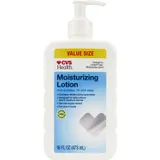
| ZiajaonlineZiaja Med Lipid Formula Physioderm Body BalmYOUR PRODUCT | CeraVeFace and Body Moisturizing Cream for Normal to Dry Skin Fragrance Free | cvs> > > > > CVS Health Moisturizing Lotion | ZiajaMed Atopic Skin Nourishing Body Lotion | |
|---|---|---|---|---|
| Match | — | 60% | 60% | 56% |
| Price | — | $6.99 | $16.29 | $14.41 |
| Shared key ingredients | — | 7 of 10 | 7 of 10 | 7 of 10 |
| Key difference | — | Petrolatum | Beta-Sitosterol | Urea |
| Irritancy | Medium | Low | Low | Medium |
| Drying alcohol | — | — | — | — |
| View product | Shop | Shop | Shop |

Product summary
Based on the ingredient list, "Ziajaonline - Ziaja Med Lipid Formula Physioderm Body Balm" can work well for skin moisturization. To work well, any moisturizer needs to include a combination of water-binding and emollient ingredients. Ziajaonline - Ziaja Med Lipid Formula Physioderm Body Balm ticks this box. Glycerin and peg-8 in this product (humectants) attract water molecules to the upper layer of the skin (the water comes from the outside air or from the deeper layers of the skin if the air is dry). Ceramide 1, ceramide 3, ceramide 6 ii, phytosphingosine and cholesterol in this product help decrease the water evoporation from the skin, so that it stays hydrated for longer. These ingredients also soften the skin and take away the feeling of tightness and dryness.
Ingredient callouts
- This product also contains Vitamin C (Ascorbic Acid). It can be an effective active for anti-aging and evening out the skin tone, but in this moisturizer it is used for stabilizing other ingredients in the formulation. In this concentration (0.15% - 0.30%) it cannot have a noticeable benefit for the skin.
- As a plus, this moisturizer also contains Ceramides (phytosphingosine 0.35% - 0.65%, ceramide 1 0.40% - 0.65%, ceramide 6 ii 0.45% - 0.70% and ceramide 3 0.45% - 0.70%). Ceramides are a type of lipids that our skin produces itself. They are a building block of the skin's barrier. Ceramides used in skincare are synthetic or extracted from plants. They work well for softening the skin surface and "patch holes" in the skin's barrier.
Irritation risk
This formulation includes some common irritants, including ingredients that do not provide a benefit for the skin. We assess the overall irritancy of this moisturizer to be medium. For a detailed overview of all potential irritants: click here
You can see the detailed formula review with the breakdown of all actives in the product and the full ingredient list with estimated concentrations in the tables below.
Sources cited in this review
Every concentration estimate and effectiveness label is anchored to one of these 6 studies and safety reviews.
- 1
- 2Use of “natural” oils for moisturization: Review of olive, coconut, and sunflower seed oilonlinelibrary.wiley.com
- 3
- 4
- 5Vitamin E in dermatologyncbi.nlm.nih.gov
- 6Vitamin E and Skin Healthlpi.oregonstate.edu

Affiliate links · As an Amazon Associate, WIMJ earns from qualifying purchases.