Works for:
based on ingredients and %- Evens skin tone
- Anti-blemish
- Anti-aging
- Moisturizing
Can it cause trouble?
- Irritation risk: high
- Comedogenic risk ingredients: 0
Key actives

Anti-aging
What does the product description say?
This silky treatment drops supports natural collagen production, promotes skin’s firmness and elasticity and reduces the appearance of fine lines and wrinkles.
Source: Zelens
This product can help reduce and prevent fine lines and wrinkles, improve skin elasticity and firmness because it contains hydroxypinacolone retinoate, retinol.
Keep in mind that it typically takes at least 6 weeks to notice any results because the changes that are needed to improve fine lines and elasticity happen in the deeper layers of the skin. No topical anti-aging product can “erase” wrinkles or fully reverse signs of aging.
Two steps removed from the active form of vitamin A - retinoic acid. Once converted to the retinoic acid in the skin, retinol is proven to be effective against all signs of aging. It improves skin cell turnover, helps fight blemishes and clogged pores, can regulate excess oil production and even skin tone. It can, however, be quite irritating
A derivative of the most potent form of vitamin A, retinoic acid. The ingredient can be sold under name Granactive Retinoid. Note that if a skincare brand discloses the concentration of Granactive Retinoid in a product, the concentration refers to a diluted form of Hydroxypinacolone Retinoate: 1% of Granactive Retinoid corresponds to 0.1% of Hydroxypinacolone Retinoate. Hydroxypinacolone Retinoate (HPR) is a unique derivative of retinoic acid because it can directly work in the skin and does not require additional conversion steps. According to studies done by the manufacturer on models of human skin (not real people), this derivative is more effective than other cosmetic versions of retinoids (such as retinol, retinaldehyde, and retinyl palmitate), and, at the same time, causes less irritation. It has been also demonstrated to be more stable than retinol which makes formulating with easier and increases the chances that a product with it will maintain its effectiveness after opening. The packaging should still ideally be air-tight. HPR is available over the counter in the EU, UK, Asia, Australia and New Zealand, but is only with a prescription in Canada.
Three steps removed from the active form of vitamin A - retinoic acid. To have an effect in the skin, it first needs to be converted twice to become the retinoic acid. This means it is less potent than retinol, but could also be less irritating. Once converted to the retinoic acid in the skin, it helps against all signs of aging, improves skin cell turnover and helps fight blemishes and clogged pores. However, in many cosmetic formulations, it is used in a concentration that is too low to have the full effect
Pure form of vitamin E. Can help moisturise and protect the skin from free radicals. Often used to help stabilise other ingredients or the formula itself
Anti-blemish
What does the product description say?
This encapsulated retinol serum targets blemishes and visible signs of ageing without irritation for a radiant, clear and youthful complexion.
Source: Face the future
This product can help reduce breakouts and clogged pores because it contains the following ingredient: hydroxypinacolone retinoate, retinol. These ingredients is used for treating acne and can have a noticeable effect.
In addition, this product contains ethyl linoleate. It can help in reducing blemishes, even though it is less effective.
The following ingredient (ingredients) in this product might be helpful, but there is no evidence to confirm that it actually works: linoleic acid
Two steps removed from the active form of vitamin A - retinoic acid. Once converted to the retinoic acid in the skin, retinol is proven to be effective against all signs of aging. It improves skin cell turnover, helps fight blemishes and clogged pores, can regulate excess oil production and even skin tone. It can, however, be quite irritating
Helps reduce acne and blemishes. Helps to soften the upper layer of the skin and reduce inflammation. Might be helpful in reducing hyperpigmentation and evening out the skin tone, but evidence of effectiveness in skin are lacking
A derivative of the most potent form of vitamin A, retinoic acid. The ingredient can be sold under name Granactive Retinoid. Note that if a skincare brand discloses the concentration of Granactive Retinoid in a product, the concentration refers to a diluted form of Hydroxypinacolone Retinoate: 1% of Granactive Retinoid corresponds to 0.1% of Hydroxypinacolone Retinoate. Hydroxypinacolone Retinoate (HPR) is a unique derivative of retinoic acid because it can directly work in the skin and does not require additional conversion steps. According to studies done by the manufacturer on models of human skin (not real people), this derivative is more effective than other cosmetic versions of retinoids (such as retinol, retinaldehyde, and retinyl palmitate), and, at the same time, causes less irritation. It has been also demonstrated to be more stable than retinol which makes formulating with easier and increases the chances that a product with it will maintain its effectiveness after opening. The packaging should still ideally be air-tight. HPR is available over the counter in the EU, UK, Asia, Australia and New Zealand, but is only with a prescription in Canada.
An excellent emollient. Helps soften the skin, restore its barrier function, and can help to calm down inflammation. It can be helpful to prevent blemishes and clogged pores
Three steps removed from the active form of vitamin A - retinoic acid. To have an effect in the skin, it first needs to be converted twice to become the retinoic acid. This means it is less potent than retinol, but could also be less irritating. Once converted to the retinoic acid in the skin, it helps against all signs of aging, improves skin cell turnover and helps fight blemishes and clogged pores. However, in many cosmetic formulations, it is used in a concentration that is too low to have the full effect
Anti-oxidation
This product contains antioxidants (retinol) that can help neutralize free radicals in skin. By doing so, they can lessen the damage the skin gets from the UV light (sun).
Two steps removed from the active form of vitamin A - retinoic acid. Once converted to the retinoic acid in the skin, retinol is proven to be effective against all signs of aging. It improves skin cell turnover, helps fight blemishes and clogged pores, can regulate excess oil production and even skin tone. It can, however, be quite irritating
A plant extract that might have some anti-oxidant properties
An essential oil. Can be irritating. Can become an allergen with oxidation
Pure form of vitamin E. Can help moisturise and protect the skin from free radicals. Often used to help stabilise other ingredients or the formula itself
Might have some anti-inflammatory properties but research is lacking
Evens skin tone
What does the product description say?
Brightens and evens skin tone to reveal a visibly radiant and youthful complexion.
Source: Zelens
This product can help reduce hypepigmentation and even out the skin tone because it contains the following effective ingredients: hydroxypinacolone retinoate, retinol.
The following ingredient (ingredients) in this product might be helpful, but there is no evidence to confirm that it actually can help even out the skin tone: ethyl linoleate.
Keep in mind that you would need to apply any topical skincare targetted at hypigmentation consistently for a couple of months to get a result. No topical skincare product can help get rid of hyperpigmentation (including post-acne marks and age spots) instantly.
A derivative of the most potent form of vitamin A, retinoic acid. The ingredient can be sold under name Granactive Retinoid. Note that if a skincare brand discloses the concentration of Granactive Retinoid in a product, the concentration refers to a diluted form of Hydroxypinacolone Retinoate: 1% of Granactive Retinoid corresponds to 0.1% of Hydroxypinacolone Retinoate. Hydroxypinacolone Retinoate (HPR) is a unique derivative of retinoic acid because it can directly work in the skin and does not require additional conversion steps. According to studies done by the manufacturer on models of human skin (not real people), this derivative is more effective than other cosmetic versions of retinoids (such as retinol, retinaldehyde, and retinyl palmitate), and, at the same time, causes less irritation. It has been also demonstrated to be more stable than retinol which makes formulating with easier and increases the chances that a product with it will maintain its effectiveness after opening. The packaging should still ideally be air-tight. HPR is available over the counter in the EU, UK, Asia, Australia and New Zealand, but is only with a prescription in Canada.
Two steps removed from the active form of vitamin A - retinoic acid. Once converted to the retinoic acid in the skin, retinol is proven to be effective against all signs of aging. It improves skin cell turnover, helps fight blemishes and clogged pores, can regulate excess oil production and even skin tone. It can, however, be quite irritating
Helps reduce acne and blemishes. Helps to soften the upper layer of the skin and reduce inflammation. Might be helpful in reducing hyperpigmentation and evening out the skin tone, but evidence of effectiveness in skin are lacking
Three steps removed from the active form of vitamin A - retinoic acid. To have an effect in the skin, it first needs to be converted twice to become the retinoic acid. This means it is less potent than retinol, but could also be less irritating. Once converted to the retinoic acid in the skin, it helps against all signs of aging, improves skin cell turnover and helps fight blemishes and clogged pores. However, in many cosmetic formulations, it is used in a concentration that is too low to have the full effect
Exfoliation
This product can help exfoliate the skin. In other words, it helps break down the bonds between dead cells on the surface of the skin and speed up the skin turnover. Skin often appears softer and brighter after exfoliation, but overdoing it can result in disrupted skin barrier. The following ingredient is doing the exfoliating job in this product: retinol.
Two steps removed from the active form of vitamin A - retinoic acid. Once converted to the retinoic acid in the skin, retinol is proven to be effective against all signs of aging. It improves skin cell turnover, helps fight blemishes and clogged pores, can regulate excess oil production and even skin tone. It can, however, be quite irritating
A derivative of the most potent form of vitamin A, retinoic acid. The ingredient can be sold under name Granactive Retinoid. Note that if a skincare brand discloses the concentration of Granactive Retinoid in a product, the concentration refers to a diluted form of Hydroxypinacolone Retinoate: 1% of Granactive Retinoid corresponds to 0.1% of Hydroxypinacolone Retinoate. Hydroxypinacolone Retinoate (HPR) is a unique derivative of retinoic acid because it can directly work in the skin and does not require additional conversion steps. According to studies done by the manufacturer on models of human skin (not real people), this derivative is more effective than other cosmetic versions of retinoids (such as retinol, retinaldehyde, and retinyl palmitate), and, at the same time, causes less irritation. It has been also demonstrated to be more stable than retinol which makes formulating with easier and increases the chances that a product with it will maintain its effectiveness after opening. The packaging should still ideally be air-tight. HPR is available over the counter in the EU, UK, Asia, Australia and New Zealand, but is only with a prescription in Canada.
Three steps removed from the active form of vitamin A - retinoic acid. To have an effect in the skin, it first needs to be converted twice to become the retinoic acid. This means it is less potent than retinol, but could also be less irritating. Once converted to the retinoic acid in the skin, it helps against all signs of aging, improves skin cell turnover and helps fight blemishes and clogged pores. However, in many cosmetic formulations, it is used in a concentration that is too low to have the full effect
Moisturizing
This product can help soften the skin and reduce its moisture loss with emollients and occlusives: caprylic/capric triglyceride, ethyl linoleate.
Keep in mind that this product does not contain effective ingredients to attract water to the upper layer of the skin. This is why an additional product with humectants like glycerin or hyaluronic acid can be helpful (apply it before this product for the best results).
The following ingredients in this product are especially good for supporting the skin barrier and helping with the hydration level: linoleic acid
An excellent emollient. Helps soften the skin, restore its barrier function, and can help to calm down inflammation. It can be helpful to prevent blemishes and clogged pores
An emollient that helps soften the skin
Helps reduce acne and blemishes. Helps to soften the upper layer of the skin and reduce inflammation. Might be helpful in reducing hyperpigmentation and evening out the skin tone, but evidence of effectiveness in skin are lacking
A good mix of fatty acids that forms a protective layer on the skin. Improves the shelf life of products. Derived from coconut and glycerin
An emollient that helps soften the skin and calm down inflammation
Helps soften the upper layer of the skin
Emollients that are naturaly present in skin. In addition, they help water and oil mix together in the product
Helps to soften the upper layer of the skin without creating a greasy texture
An emollient that helps to soften the skin and create a pleasant product texture and stabilize the formulation
Ethyl oleate is a long-chain fatty acid ethyl ester resulting from the formal condensation of the carboxy group of oleic acid with the hydroxy group of ethanol. It derives from an oleic acid. In skincare, it is used to soften the upper layer of the skin, improve the product texture and smell
Pure form of vitamin E. Can help moisturise and protect the skin from free radicals. Often used to help stabilise other ingredients or the formula itself
Used mostly for creating emulsions - helping oil and water mix together. Helps soften the upper layer of the skin
How honest is this product?
| Promise | Can it deliver? |
|---|---|
| Anti-aging | |
| Evens skin tone | |
| Anti-blemish |
Total Promises Fulfilled score: 100/100.
Potential irritants
Comedogenic ingredients
No comedogenic ingredients detected
User reviews (0)
Averages from community submissions.
No reviews yet for this product.
Be the first to share your experience!
Tried this product?
Help capture what the ingredient list can't—texture, finish, pilling, scent, and more. Answer what you can, skip the rest.
Takes ~30 seconds.
Reviews are shown in aggregate. No personal details.
| Product | Similarity | Price | Irritancy |
|---|---|---|---|
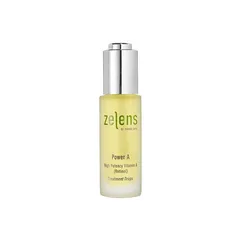
 Zelens Power A High Potency Vitamin A Treatment Drops | Current | - | |
IOPE Expert Retinol RX™ 2% Reti-Jection Serum for Wrinkles | 78% | ≈ $54.87 | |
Boost Lab Retinol Night Renewal Serum | 77% | ≈ $16.80 | |
 epii HPR Pro Shot | 72% | $17.49 | |
 cocokind beginner retinol gel 0.1% | 70% | $27.00 | |
 The Ordinary Advanced Granactive Retinoid 2% Emulsion | 69% | $9.80 |
Key Actives
Two steps removed from the active form of vitamin A - retinoic acid. Once converted to the retinoic acid in the skin, retinol is proven to be effective against all signs of aging. It improves skin cell turnover, helps fight blemishes and clogged pores, can regulate excess oil production and even skin tone. It can, however, be quite irritating
A derivative of the most potent form of vitamin A, retinoic acid. The ingredient can be sold under name Granactive Retinoid. Note that if a skincare brand discloses the concentration of Granactive Retinoid in a product, the concentration refers to a diluted form of Hydroxypinacolone Retinoate: 1% of Granactive Retinoid corresponds to 0.1% of Hydroxypinacolone Retinoate. Hydroxypinacolone Retinoate (HPR) is a unique derivative of retinoic acid because it can directly work in the skin and does not require additional conversion steps. According to studies done by the manufacturer on models of human skin (not real people), this derivative is more effective than other cosmetic versions of retinoids (such as retinol, retinaldehyde, and retinyl palmitate), and, at the same time, causes less irritation. It has been also demonstrated to be more stable than retinol which makes formulating with easier and increases the chances that a product with it will maintain its effectiveness after opening. The packaging should still ideally be air-tight. HPR is available over the counter in the EU, UK, Asia, Australia and New Zealand, but is only with a prescription in Canada.
Three steps removed from the active form of vitamin A - retinoic acid. To have an effect in the skin, it first needs to be converted twice to become the retinoic acid. This means it is less potent than retinol, but could also be less irritating. Once converted to the retinoic acid in the skin, it helps against all signs of aging, improves skin cell turnover and helps fight blemishes and clogged pores. However, in many cosmetic formulations, it is used in a concentration that is too low to have the full effect
An emollient that helps soften the skin and calm down inflammation
Helps reduce acne and blemishes. Helps to soften the upper layer of the skin and reduce inflammation. Might be helpful in reducing hyperpigmentation and evening out the skin tone, but evidence of effectiveness in skin are lacking
An excellent emollient. Helps soften the skin, restore its barrier function, and can help to calm down inflammation. It can be helpful to prevent blemishes and clogged pores
A good mix of fatty acids that forms a protective layer on the skin. Improves the shelf life of products. Derived from coconut and glycerin
An emollient that helps soften the skin
Potential irritants
A derivative of the most potent form of vitamin A, retinoic acid. The ingredient can be sold under name Granactive Retinoid. Note that if a skincare brand discloses the concentration of Granactive Retinoid in a product, the concentration refers to a diluted form of Hydroxypinacolone Retinoate: 1% of Granactive Retinoid corresponds to 0.1% of Hydroxypinacolone Retinoate. Hydroxypinacolone Retinoate (HPR) is a unique derivative of retinoic acid because it can directly work in the skin and does not require additional conversion steps. According to studies done by the manufacturer on models of human skin (not real people), this derivative is more effective than other cosmetic versions of retinoids (such as retinol, retinaldehyde, and retinyl palmitate), and, at the same time, causes less irritation. It has been also demonstrated to be more stable than retinol which makes formulating with easier and increases the chances that a product with it will maintain its effectiveness after opening. The packaging should still ideally be air-tight. HPR is available over the counter in the EU, UK, Asia, Australia and New Zealand, but is only with a prescription in Canada.
Two steps removed from the active form of vitamin A - retinoic acid. Once converted to the retinoic acid in the skin, retinol is proven to be effective against all signs of aging. It improves skin cell turnover, helps fight blemishes and clogged pores, can regulate excess oil production and even skin tone. It can, however, be quite irritating
Three steps removed from the active form of vitamin A - retinoic acid. To have an effect in the skin, it first needs to be converted twice to become the retinoic acid. This means it is less potent than retinol, but could also be less irritating. Once converted to the retinoic acid in the skin, it helps against all signs of aging, improves skin cell turnover and helps fight blemishes and clogged pores. However, in many cosmetic formulations, it is used in a concentration that is too low to have the full effect
An essential oil. Can be irritating. Can become an allergen with oxidation
A good mix of fatty acids that forms a protective layer on the skin. Improves the shelf life of products. Derived from coconut and glycerin
Helps stabilize emulsions and create a nice product texture
Helps oil and water mix together and works as a cleansing agent
Might have some anti-inflammatory properties but research is lacking
A plant extract that might have some anti-oxidant properties
An emollient that helps soften the skin and calm down inflammation
Helps reduce acne and blemishes. Helps to soften the upper layer of the skin and reduce inflammation. Might be helpful in reducing hyperpigmentation and evening out the skin tone, but evidence of effectiveness in skin are lacking
Ethyl oleate is a long-chain fatty acid ethyl ester resulting from the formal condensation of the carboxy group of oleic acid with the hydroxy group of ethanol. It derives from an oleic acid. In skincare, it is used to soften the upper layer of the skin, improve the product texture and smell
Comedogenic ingredients
We couldn't find any comedogenic ingredients in this product
All ingredients
Helps to soften the upper layer of the skin without creating a greasy texture
A good mix of fatty acids that forms a protective layer on the skin. Improves the shelf life of products. Derived from coconut and glycerin
Helps stabilize emulsions and create a nice product texture
An emollient that helps to soften the skin and create a pleasant product texture and stabilize the formulation
Helps oil and water mix together and works as a cleansing agent
An excellent emollient. Helps soften the skin, restore its barrier function, and can help to calm down inflammation. It can be helpful to prevent blemishes and clogged pores
Used to dissolve other ingredients in a product and can enhance their ability to penetrate the skin
Emollients that are naturaly present in skin. In addition, they help water and oil mix together in the product
A derivative of the most potent form of vitamin A, retinoic acid. The ingredient can be sold under name Granactive Retinoid. Note that if a skincare brand discloses the concentration of Granactive Retinoid in a product, the concentration refers to a diluted form of Hydroxypinacolone Retinoate: 1% of Granactive Retinoid corresponds to 0.1% of Hydroxypinacolone Retinoate. Hydroxypinacolone Retinoate (HPR) is a unique derivative of retinoic acid because it can directly work in the skin and does not require additional conversion steps. According to studies done by the manufacturer on models of human skin (not real people), this derivative is more effective than other cosmetic versions of retinoids (such as retinol, retinaldehyde, and retinyl palmitate), and, at the same time, causes less irritation. It has been also demonstrated to be more stable than retinol which makes formulating with easier and increases the chances that a product with it will maintain its effectiveness after opening. The packaging should still ideally be air-tight. HPR is available over the counter in the EU, UK, Asia, Australia and New Zealand, but is only with a prescription in Canada.
Two steps removed from the active form of vitamin A - retinoic acid. Once converted to the retinoic acid in the skin, retinol is proven to be effective against all signs of aging. It improves skin cell turnover, helps fight blemishes and clogged pores, can regulate excess oil production and even skin tone. It can, however, be quite irritating
Three steps removed from the active form of vitamin A - retinoic acid. To have an effect in the skin, it first needs to be converted twice to become the retinoic acid. This means it is less potent than retinol, but could also be less irritating. Once converted to the retinoic acid in the skin, it helps against all signs of aging, improves skin cell turnover and helps fight blemishes and clogged pores. However, in many cosmetic formulations, it is used in a concentration that is too low to have the full effect
Used mostly for creating emulsions - helping oil and water mix together. Helps soften the upper layer of the skin
Might have some anti-inflammatory properties but research is lacking
A plant extract that might have some anti-oxidant properties
An emollient that helps soften the skin and calm down inflammation
Helps reduce acne and blemishes. Helps to soften the upper layer of the skin and reduce inflammation. Might be helpful in reducing hyperpigmentation and evening out the skin tone, but evidence of effectiveness in skin are lacking
Ethyl oleate is a long-chain fatty acid ethyl ester resulting from the formal condensation of the carboxy group of oleic acid with the hydroxy group of ethanol. It derives from an oleic acid. In skincare, it is used to soften the upper layer of the skin, improve the product texture and smell
Pure form of vitamin E. Can help moisturise and protect the skin from free radicals. Often used to help stabilise other ingredients or the formula itself
An essential oil. Can be irritating. Can become an allergen with oxidation
Ingredient list view
Coco-caprylate/caprate, Caprylic/capric triglyceride, Caprylyl caprylate/caprate, Isoamyl laurate, Octyldodecanol, Isoamyl cocoate, Linoleic acid, Dimethyl isosorbide, Phospholipids, Hydroxypinacolone retinoate, Retinol, Retinyl palmitate, Lecithin, Glycine soja lipids, Glycine soja sterols, Glycolipids, Daucus carota sativa extract, Solanum lycopersicum fruit extract, Cucurbita pepo fruit extract, Brassica oleracea italica extract, Ipomoea batatas tuber extract, Spinacia oleracea leaf extract, Linolenic acid, Arachidyl propionate, Ethyl linolenate, Ethyl linoleate, Ethyl oleate, Tocopherol, Pelargonium graveolens flower oil, Citronellol, Geraniol, Linalool
- Safety Assessment of Alkyl Esters as Used in Cosmetics
- The Permeability Barrier in Essential Fatty Acid Deficiency: Evidence for a Direct Role for Linoleic Acid in Barrier Function
- Digital image analysis of the effect of topically applied linoleic acid on acne microcomedones.
- Activity enhancement of ferulic acid with dimethyl isosorbride in cosmetic compositions
- Antiaging effects of retinoid hydroxypinacolone retinoate on skin models. (2018). Journal of the American Academy of Dermatology, 79(3), AB44. doi:10.1016/j.jaad.2018.05.215
- Treatment of mild to moderate acne with a fixed combination of hydroxypinacolone retinoate, retinol glycospheres and papain glycospheres
- Retinoids in the treatment of skin aging: an overview of clinical efficacy and safety
- Improvement of naturally aged skin with vitamin A (retinol)
- A comparative study of the effects of retinol and retinoic acid on histological, molecular, and clinical properties of human skin
- Ethyl linoleate inhibits α-MSH-induced melanogenesis through Akt/GSK3β/β-catenin signal pathway
- Double-blind, randomized, placebo-controlled study of a lotion containing triethyl citrate and ethyl linoleate in the treatment of acne vulgaris
- Vitamin E in dermatology
- Vitamin E and Skin Health
- Fragrance Compound Geraniol Forms Contact Allergens on Air Exposure. Identification and Quantification of Oxidation Products and Effect on Skin Sensitization
- Annex I: Clinical evidence regarding sensitisation to individual fragrance chemicals and to natural extracts