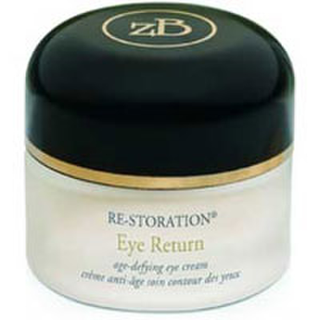
Works for
3 of 3 advertised claims delivered
Moisturizing20 ingredients credited for this claimStrong support
“It reduces the appearance of fine lines, wrinkles and puffiness, while deeply hydrating and soothing the most sensitive skin.”
This product can help improve hydration of the skin with the two types of ingredients.
The first type is called “humectants”:
these ingredients help attract water.
When humectants are on the surface of the skin, they “pull in” the moisture from the outside environment, or from
within deeper layers of the skin. The following ingredients in this product do the job:
arginine, cyclomethicone.
This product also contains ingredients called “occlusives”. They help reduce the speed with which our skin loses moisture to the outside environment. These ingredients also help soften the upper layer of the skin, so it feels less tight and nicer to the touch. The following ingredients in this product do the job: arginine, dimethicone.
The following ingredients in this product are especially good for supporting the skin barrier and helping with the hydration level: linoleic acid, panthenol
Evens skin tone3 ingredients credited for this claimModerate support
“Citrus extract works specifically to even skin tone around the eye area.”
The following ingredient (ingredients) in this product might be helpful, but there is no evidence to confirm that it actually works: retinyl palmitate.
Anti-aging6 ingredients credited for this claimModerate support
“Re-Storation Eye Return anti-aging eye cream is the most complete and effective treatment for the delicate eye area.”
This product contains folic acid, retinyl palmitate, vitis vinifera seed extract. These ingredients might be able to help reduce and prevent fine lines and wrinkles, improve skin elasticity and firmness, but there is not enough evidence that it actually works.
Anti-oxidationNot advertised by the brand · 14 ingredients credited for this claimStrong support
This product contains antioxidants (camellia oleifera leaf extract, superoxide dismutase, thioctic acid, vitis vinifera seed extract) that can help neutralize free radicals in skin. By doing so, they can lessen the damage the skin gets from the UV light (sun).
Can it cause trouble?
Irritancy6 strong irritants: Citrus medica acida peel extract, Nasturtium officinale extract + 4 more — patch-test recommendedHigh risk
Comedogenic3 ingredients rated 2 or more on the 0–5 pore-clogging scale3 flagged

User reviews
Be the first — your take helps the next person decide.
Ingredients
Filter by role to see what each ingredient is doing.
Water~45–55%
Vitis vinifera seed extract~8.7–10.6%
- Irritation risk
- Low
A plant extract that contains resveratrol and other anti-oxidant compounds that can help neutralize free radicals, reduce inflammation in skin and even out its tone. Can be also used to stabilize the product formulation
More about Vitis vinifera seed extractPropylene glycol~4–4.9%
- Irritation risk
- High
Helps oil and water mix together and can enhance the penetration of other ingredients into the skin. It can be irritating
More about Propylene glycolGlycerin~3–3.6%
- Irritation risk
- Low
One of the best moisturizing ingredients. Naturally present in skin. It attracts water to the upper layer of the skin working as a humectant
More about GlycerinCyclomethicone~2.3–2.8%
- Irritation risk
- Low
A type of silicone that leaves a nice silky finish on the skin and can help soften its upper layer
More about CyclomethiconePeg-100 stearate~2–2.4%
- Irritation risk
- Low
Helps oil and water mix togehter and creates a nice product texture
More about Peg-100 stearateGlyceryl stearate~1.6–2%
- Irritation risk
- Low
An emollient that softens the skin and forms a protective layer on its surface. Helps water and oil mix together
More about Glyceryl stearateSqualane~1.5–1.8%
- Irritation risk
- Low
An oil naturally present in skin. Works as an emollient to soften the skin and form a protective layer on its surface without a greasy feeling.
More about SqualanePrunus armeniaca kernel oil~1.3–1.6%
- Irritation risk
- Medium
An emollient that helps soften the skin
More about Prunus armeniaca kernel oilGlycine soja oil~1–1.3%
- Irritation risk
- Medium
- Comedogenicity
- 2/5
A good emollient that helps soften the skin and helps repair its barrier function. It can clog pores if used in high concentrations.
More about Glycine soja oilCamellia oleifera leaf extract~0.7–1.1%
- Irritation risk
- Low
A plant extract that can help neutralize free radicals and reduce inflammation, even though it is not usually used in sufficient concentration in cosmetics
More about Camellia oleifera leaf extractButylene glycol~0.6–0.9%
- Irritation risk
- Low
Used to create a nice product texture and help delivery of other ingredients. Might be somewhat helpful in attracting water to the upper layer of the skin
More about Butylene glycolTocopheryl acetate~0.6–0.85%
- Irritation risk
- Medium
A more stable but less bio-available form of vitamin E compared to Tocopherol. Might help moisturize and protect the skin from free radicals, but mostly used in low concentrations to stabilize other ingredients.
More about Tocopheryl acetateDimethicone~0.6–0.9%
- Irritation risk
- Low
A silicone that helps to reduce water loss from the surface of the skin. Can temporarily "fill in" lines and wrinkles, absorb oil, and create a nice product finish
More about DimethiconeLinoleic acid~0.65–0.95%
- Irritation risk
- Low
An excellent emollient. Helps soften the skin, restore its barrier function, and can help to calm down inflammation. It can be helpful to prevent blemishes and clogged pores
More about Linoleic acidGlyceryl distearate~0.55–0.8%
- Irritation risk
- Low
Cetyl alcohol~0.55–0.85%
- Irritation risk
- Low
A non-drying alcohol that works to soften the skin and stabilize product formulations helping oil and water mix together
More about Cetyl alcoholStearyl alcohol~0.5–0.75%
- Irritation risk
- Low
An emollient that helps soften the skin
More about Stearyl alcoholPolyacrylamide~0.45–0.7%
- Irritation risk
- Medium
Used to improve product texture and help oil and water mix together
More about PolyacrylamideC13-14 isoparaffin~0.45–0.65%
- Irritation risk
- Low
Helps soften the upper layer of the skin, dissolve other ingredients and create a thicker product consistency
More about C13-14 isoparaffinLaureth-7~0.4–0.6%
Thioctic acid~0.35–0.65%
Sodium hyaluronate~0.3–0.6%
- Irritation risk
- Low
One of the best moisturizing ingredients. Attracts water into the upper layer of the skin
More about Sodium hyaluronateCitrus medica acida peel extract~0.3–0.55%
- Irritation risk
- High
Macrocystis pyrifera extract~0.3–0.55%
- Irritation risk
- Low
- Comedogenicity
- 3/5
Taraxacum officinale extract~0.3–0.55%
- Irritation risk
- High
A plant extract that might have anti-oxidant and anti-inflammatory properties, but evidence of effectiveness in skin is lacking. Can be an allergen
More about Taraxacum officinale extractPanax ginseng root extract~0.35–0.65%
- Irritation risk
- High
A plant extract that might have some anti-inflammatory properties, but solid evidence is lacking. It can be irritating
More about Panax ginseng root extractNasturtium officinale extract~0.3–0.5%
- Irritation risk
- High
Used as a fragrance. Might have anti-oxidant properties
More about Nasturtium officinale extractCymbopogon schoenanthus extract~0.3–0.55%
- Irritation risk
- High
Rosa canina fruit extract~0.3–0.55%
- Irritation risk
- Medium
A plant extract that might have some anti-oxidant properties, but evidence is lacking
More about Rosa canina fruit extractButyrospermum parkii butter~0.4–0.6%
- Irritation risk
- Low
- Comedogenicity
- 3/5
A great moisturising ingredient that softens the skin and reduces water loss from its upper layer. It also can be helpful in protecting skin from free radicals
More about Butyrospermum parkii butterGlyceryl linoleate~0.4–0.6%
- Irritation risk
- Medium
Helps oil and water mix together
More about Glyceryl linoleateHydrolyzed soy protein~0.3–0.6%
- Irritation risk
- Low
Helps attract water to the upper layer of the skin. Might have some anti-aging, anti-oxidant, and skin lightening properties, but solid evidence is missing
More about Hydrolyzed soy proteinRetinyl palmitate~0.3–0.55%
- Irritation risk
- High
Three steps removed from the active form of vitamin A - retinoic acid. To have an effect in the skin, it first needs to be converted twice to become the retinoic acid. This means it is less potent than retinol, but could also be less irritating. Once converted to the retinoic acid in the skin, it helps against all signs of aging, improves skin cell turnover and helps fight blemishes and clogged pores. However, in many cosmetic formulations, it is used in a concentration that is too low to have the full effect
More about Retinyl palmitateDaucus carota sativa root extract~0.3–0.55%
- Irritation risk
- Low
Carrot extract. Might have anti-oxidant properties and be used to add orange color
More about Daucus carota sativa root extractArginine~0.3–0.55%
- Irritation risk
- Low
An amino acid that is naturally present in skin and helps keep it hydrated. When used together with AHAs, it can reduce their irritating effect on the skin
More about ArginineSuperoxide dismutase~0.3–0.55%
- Irritation risk
- Low
An antioxidant enzyme that is naturally present in skin. It can help support skin barrier function and reduce inflammation in skin. It is used in topical medications for inflammatory skin conditions including atopic dermatitis (eczema) and psoriasis. There are three types of natural Superoxide Dismutase in human skin. The compound used in topical treatments and cosmetics are mimics of typically one of these natural variants
More about Superoxide dismutaseCaffeine~0.3–0.6%
- Irritation risk
- Medium
Might be helpful in neutralizing free radicals. Can have a dehydration effect that might somewhat decrease the look of puffy eyes
More about CaffeinePanthenol~0.3–0.55%
- Irritation risk
- Low
Helps attract water to the upper layer of the skin and can help improve skin barrier function
More about PanthenolNiacin~0.3–0.55%
- Irritation risk
- High
A form of vitamin B3. It is similar in action to niacinamide, but is more likely to cause red flashes in skin as the side effect
More about NiacinPhytonadione~0.25–0.45%
- Irritation risk
- Low
Riboflavin~0.3–0.5%
- Irritation risk
- Low
Folic acid~0.25–0.5%
- Irritation risk
- Low
Can help stimulate collagen production in skin. While available studies are promising, more research is needed to confirm the efficacy in skin
More about Folic acidCyanocobalamin~0.25–0.45%
- Irritation risk
- Low
Can support skin barrier function and reduce inflammation in skin
More about CyanocobalaminEucalyptus globulus leaf oil~0.2–0.4%
- Irritation risk
- High
An essential oil that can be very irritating. Has some anti-bacterial properties
More about Eucalyptus globulus leaf oilGlyceryl hydroxystearate~0.3–0.55%
- Irritation risk
- Low
Helps oil and water mix together. It is used to stabilize the product formulation and create a thicker product consistency
More about Glyceryl hydroxystearatePeg-40 stearate~0.25–0.45%
Corn starch modified~0.2–0.4%
Imidazolidinyl urea~0.15–0.3%
- Irritation risk
- High
A preservative. Is more irritating than many other preservatives available
More about Imidazolidinyl ureaMethylparaben~0.1–0.2%
Propylparaben~0.05–0.1%
Tetrasodium edta~0.1–0.2%
Ci 19140~0.1–0.2%
Ci 15510~0.05–0.1%
- Irritation risk
- Low
Ci 14700~0.05–0.1%
Ingredient list view
Water, Vitis vinifera seed extract, Propylene glycol, Glycerin, Cyclomethicone, Peg-100 stearate, Glyceryl stearate, Squalane, Prunus armeniaca kernel oil, Glycine soja oil, Camellia oleifera leaf extract, Butylene glycol, Tocopheryl acetate, Dimethicone, Linoleic acid, Glyceryl distearate, Cetyl alcohol, Stearyl alcohol, Polyacrylamide, C13-14 isoparaffin, Laureth-7, Thioctic acid, Sodium hyaluronate, Citrus medica acida peel extract, Macrocystis pyrifera extract, Taraxacum officinale extract, Panax ginseng root extract, Nasturtium officinale extract, Cymbopogon schoenanthus extract, Rosa canina fruit extract, Butyrospermum parkii butter, Glyceryl linoleate, Hydrolyzed soy protein, Retinyl palmitate, Daucus carota sativa root extract, Arginine, Superoxide dismutase, Caffeine, Panthenol, Niacin, Phytonadione, Riboflavin, Folic acid, Cyanocobalamin, Eucalyptus globulus leaf oil, Glyceryl hydroxystearate, Peg-40 stearate, Corn starch modified, Imidazolidinyl urea, Methylparaben, Propylparaben, Tetrasodium edta, Ci 19140, Ci 15510, Ci 14700
Compare prices
Retailers ranked by price — lowest first.
Affiliate links · prices updated regularly · As an Amazon Associate, WIMJ earns from qualifying purchases.
Worth comparing, line by line.
Match % combines shared ingredients, the first five ingredients, shared actives and hero ingredients, irritancy (lower counts in the alternative's favour), texture and body area. Only products in the same routine step are compared.
| Z. BigattiRe-Storation Eye ReturnYOUR PRODUCT | Eye CareComplexion Radiance Cream | florence by millsLook Alive Eye Balm | First Aid BeautyEye Duty Niacinamide Brightening Eye Cream | |
|---|---|---|---|---|
| Match | — | 52% | 51% | 50% |
| Price | $37.50 | $19.63−$17.87 | $16.00−$21.50 | $31.73−$5.77 |
| Shared key ingredients | — | 5 of 20 | 8 of 20 | 7 of 20 |
| Key difference | — | Niacinamide | Gluconolactone | Niacinamide |
| Irritancy | High | Medium | Medium | High |
| Drying alcohol | — | — | — | — |
| View product | Shop | Shop | Shop |


Product summary
"Z. Bigatti - Re-Storation Eye Return" is effective for: Anti-inflammatory and Moisturizing
This product could be helpful for: Anti-aging, but its actives are not the most effective or are not well-studied.
Ingredient callouts
- this product includes a form of Retinoids (vitamin A) - retinyl palmitate 0.30% - 0.55%, but this type of vitamin A is not very effective. It could in theory help with fine lines and wrinkles, but the effect is most likely minimal.
- We love that there is also Linoleic Acid in this product (0.65% - 0.95%). Linoleic Acid is one of the skin's natural emollients. It supports the skin barrier and can even help reduce clogged pores.
- Humectants (panthenol 0.30% - 0.60%, arginine 0.30% - 0.55%, sodium hyaluronate 0.30% - 0.60%, glycerin 3.00% - 3.60% and cyclomethicone 2.30% - 2.80%). These ingredients help attract water to the upper layer of the skin and improve the skin hydration.
Price
The product retails for 37.50$ in the United States.
For a detailed price comparison: click here.
Sources cited in this review
Every concentration estimate and effectiveness label is anchored to one of these 37 studies and safety reviews.
- 1
- 2
- 3
- 4Surfactants and experimental irritant contact dermatitisncbi.nlm.nih.gov
- 5Propylene Glycolpubmed.ncbi.nlm.nih.gov
- 6Skin-sensitizing and irritant properties of propylene glycolonlinelibrary.wiley.com

Affiliate links · As an Amazon Associate, WIMJ earns from qualifying purchases.