Works for:
based on ingredients and %- Cleansing
Can it cause trouble?
- Irritation risk: medium
- Comedogenic risk ingredients: 3
Key actives
Works for
Cleansing
What does the product description say?
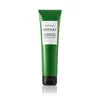
Effortlessly melt away makeup and impurities with this ultra-gentle rinse-off cleansing cream.
Source: Face the future
This product works by removing dirt and oil from the surface of the skin. It uses a combination of mild cleansing agents (arachidic acid, cetearyl alcohol, cetearyl glucoside, lauric acid, myristic acid, palmitic acid, sodium stearoyl glutamate, stearic acid, sucrose stearate, xanthan gum) and should be able to cleanse the skin gently. Still keep in mind that any cleansing can disrupt the skin barrier, and most people do not need to cleanse their skin more than once per day.
A non-drying alcohol. Works as an emollient. Helps water and oil mix together and creates a nice product texture
Helps water and oil in the product mix well together and improves product texture
Helps water and oil mix together. Has anti-bacterial properties that might be helpful in preventing blemishes
Helps oil and water mix together. Could be comedogenic
An emollient that is naturally present in skin and helps soften it
Helps oil and water mix together
Helps oil and water mix together and works as an emollient
Helps water and oil mix together
Used to create a thicker product consistency
How honest is this product?
| Promise | Can it deliver? |
|---|---|
| Cleansing |
Total Promises Fulfilled score: 100/100.
We receive a small commission for purchases made through these links at no cost for you. Thank you for your support! Learn more
Affiliate link · supports WIMJ at no cost to you
Potential irritants
Comedogenic ingredients
User reviews (0)
Averages from community submissions.
No reviews yet for this product.
Be the first to share your experience!
Tried this product?
Help capture what the ingredient list can't—texture, finish, pilling, scent, and more. Answer what you can, skip the rest.
Takes ~30 seconds.
Reviews are shown in aggregate. No personal details.
Key Actives
A plant oil that is effective in reducing irritation in skin, restore the barrier function and support its hydration
A plant oil that can help neutralize free radicals, soften the upper layer of the skin, and support skin's barrier function
This oil's cmposition is closest to rapeseed oil. It is a very stable oil and serves as an emoillient
Helps water and oil mix together. Has anti-bacterial properties that might be helpful in preventing blemishes
A great emollient that can also have anti-oxidant properties
A non-drying alcohol. Works as an emollient. Helps water and oil mix together and creates a nice product texture
An emollient that is naturally present in skin and helps soften it
Helps oil and water mix together and works as an emollient
An emollient that does not leave a greasy finish
A plant oil that because of its high content of alpha-linolenic acid help support skin barrier function and moisturize the skin
Helps soften the upper layer of the skin, support the skin's barrier function and might help neutralize free radicals
A great emollient. Contains vitamin E (tocopherol) which may give it some anti-oxidant properties. Can contain volatile compounds and can be irritating
An effective moisturizing and skin barrier repair ingredient. Helps calm down inflammation and has some anti-oxidant properties
A good mix of fatty acids that forms a protective layer on the skin. Improves the shelf life of products. Derived from coconut and glycerin
One of the best moisturizing ingredients. Naturally present in skin. It attracts water to the upper layer of the skin working as a humectant
Helps oil and water mix together
Helps soften the upper layer of the skin
A great emollient due to its high linoleic acid content. One of the most effective plant oils in helping skin hydration and repairing skin barrier function
Chia seed oil. Helps to soften the upper layer of the skin and might be helpful in repairing skin barrier
Helps soften the upper layer of the skin
Helps soften the upper layer of the skin and support the skin's barrier due to the high content of linoleic acid
A good emollient that helps soften the upper layer of the skin and, due to the high linoleic acid content, can support the skin's barrier function
A plant oil that might be able to help neutralize free radicals in skin
A good emollient helping to soften the skin. Might have some anti-oxidant properties. Adds a fragrance to the product
A great emollient due to its high linoleic acid content. One of the most effective plant oils in helping skin hydration and repairing skin barrier function
Helps oil and water mix together. Could be comedogenic
Helps water and oil in the product mix well together and improves product texture
Used to create a thicker product consistency
Potential irritants
A plant extract that might have some anti-inflammatory and anti-oxidant properties but evidence is missing
A good emollient helping to soften the skin. Might have some anti-oxidant properties. Adds a fragrance to the product
A preservative. Can be used to mask unpleasant smell. Can be irritating
Traditionally used to treat sunburns, dermatitis and inflammation, but evidence for its effectiveness is lacking. The extract can contain humectants that help attract water into the skin
A great emollient that can also have anti-oxidant properties
A good mix of fatty acids that forms a protective layer on the skin. Improves the shelf life of products. Derived from coconut and glycerin
A plant oil that can help neutralize free radicals, soften the upper layer of the skin, and support skin's barrier function
An emollient that does not leave a greasy finish
Helps soften the upper layer of the skin and support the skin's barrier due to the high content of linoleic acid
A plant oil that because of its high content of alpha-linolenic acid help support skin barrier function and moisturize the skin
Helps soften the upper layer of the skin, support the skin's barrier function and might help neutralize free radicals
A plant seed oil that consists mainly of erucic acid and used to help soften the upper layer of the skin. This fatty acid can enhance penetration of other ingredients into the skin but it is not a good moisturizer on its own
A great emollient. Contains vitamin E (tocopherol) which may give it some anti-oxidant properties. Can contain volatile compounds and can be irritating
A plant oil that might be able to help neutralize free radicals in skin
Helps oil and water mix together. Could be comedogenic
Helps water and oil in the product mix well together and improves product texture
Helps water and oil mix together. Has anti-bacterial properties that might be helpful in preventing blemishes
Can work as an exfoliant but is typically used to adjust the product pH
Comedogenic ingredients
A non-drying alcohol. Works as an emollient. Helps water and oil mix together and creates a nice product texture
Helps oil and water mix together. Could be comedogenic
Helps water and oil mix together. Has anti-bacterial properties that might be helpful in preventing blemishes
All ingredients
Traditionally used to treat sunburns, dermatitis and inflammation, but evidence for its effectiveness is lacking. The extract can contain humectants that help attract water into the skin
A great emollient that can also have anti-oxidant properties
A non-drying alcohol. Works as an emollient. Helps water and oil mix together and creates a nice product texture
An effective moisturizing and skin barrier repair ingredient. Helps calm down inflammation and has some anti-oxidant properties
A good mix of fatty acids that forms a protective layer on the skin. Improves the shelf life of products. Derived from coconut and glycerin
One of the best moisturizing ingredients. Naturally present in skin. It attracts water to the upper layer of the skin working as a humectant
An emollient that is naturally present in skin and helps soften it
A plant oil that can help neutralize free radicals, soften the upper layer of the skin, and support skin's barrier function
A great emollient due to its high linoleic acid content. One of the most effective plant oils in helping skin hydration and repairing skin barrier function
This oil's cmposition is closest to rapeseed oil. It is a very stable oil and serves as an emoillient
Chia seed oil. Helps to soften the upper layer of the skin and might be helpful in repairing skin barrier
An emollient that does not leave a greasy finish
Helps soften the upper layer of the skin and support the skin's barrier due to the high content of linoleic acid
A good emollient that helps soften the upper layer of the skin and, due to the high linoleic acid content, can support the skin's barrier function
A plant oil that because of its high content of alpha-linolenic acid help support skin barrier function and moisturize the skin
Helps soften the upper layer of the skin, support the skin's barrier function and might help neutralize free radicals
A plant oil that is effective in reducing irritation in skin, restore the barrier function and support its hydration
A plant seed oil that consists mainly of erucic acid and used to help soften the upper layer of the skin. This fatty acid can enhance penetration of other ingredients into the skin but it is not a good moisturizer on its own
A great emollient. Contains vitamin E (tocopherol) which may give it some anti-oxidant properties. Can contain volatile compounds and can be irritating
A plant oil that might be able to help neutralize free radicals in skin
A plant extract that might have some anti-inflammatory and anti-oxidant properties but evidence is missing
A good emollient helping to soften the skin. Might have some anti-oxidant properties. Adds a fragrance to the product
A great emollient due to its high linoleic acid content. One of the most effective plant oils in helping skin hydration and repairing skin barrier function
Helps oil and water mix together. Could be comedogenic
Helps water and oil in the product mix well together and improves product texture
A preservative. Can be used to mask unpleasant smell. Can be irritating
Helps water and oil mix together. Has anti-bacterial properties that might be helpful in preventing blemishes
Can work as an exfoliant but is typically used to adjust the product pH
An emollient that helps to soften the skin and create a pleasant product texture and stabilize the formulation
Pure form of vitamin E. Can help moisturise and protect the skin from free radicals. Often used to help stabilise other ingredients or the formula itself
Ingredient list view
Aloe barbadensis leaf juice powder, Water, Vitis vinifera seed oil, Cetearyl alcohol, Avena sativa kernel oil, Caprylic/capric triglyceride, Glycerin, Palmitic acid, Sucrose stearate, Stearic acid, Sodium stearoyl glutamate, Cucurbita pepo seed oil, Vaccinium macrocarpon seed oil, Helianthus annuus seed oil, Limnanthes alba seed oil, Salvia hispanica seed oil, Camellia oleifera seed oil, Fragaria ananassa seed oil, Nigella sativa seed oil, Papaver somniferum seed oil, Solanum lycopersicum seed oil, Echium plantagineum seed oil, Linum usitatissimum seed oil, Punica granatum seed oil, Vaccinium corymbosum seed oil, Borago officinalis seed oil, Brassica oleracea italica seed oil, Citrullus lanatus seed oil, Prunus cerasus seed oil, Rosa canina fruit oil, Rubus idaeus seed oil, Cardiospermum halicacabum flower/leaf/vine extract, Passiflora edulis seed oil, Helianthus annuus seed oil unsaponifiables, Myristic acid, Cetearyl glucoside, Arachidic acid, Benzyl alcohol, Lauric acid, Hydroxyacetophenone, Citric acid, Octyldodecanol, Xanthan gum, Tocopherol
- Glycerol and the skin: holistic approach to its origin and functions
- Wound‐healing Properties of the Oils of Vitis vinifera and Vaccinium macrocarpon
- BERRY SEEDS: A SOURCE OF SPECIALTY OILS WITH HIGH CONTENT OF BIOACTIVES AND NUTRITIONAL VALUE
- Effect of Olive and Sunflower Seed Oil on the Adult Skin Barrier: Implications for Neonatal Skin Care
- Topically Applied Sunflower Seed Oil Prevents Invasive Bacterial Infections in Preterm Infants in Egypt
- Effect of topically applied lipids on surfactant-irritated skin
- Impact of topical oils on the skin barrier: possible implications for neonatal health in developing countries
- Characteristics and composition of tomato seed oil
- Physicochemical characteristics and fatty acid composition of tomato seed oils from processing wastes
- Healing fats of the skin: the structural and immunologic roles of the omega-6 and omega-3 fatty acids
- Dermatology News - Commentary: Borage Seed Oil
- Undershirts coated with borage oil alleviate the symptoms of atopic dermatitis in children
- The Enigma of Bioactivity and Toxicity of Botanical Oils for Skin Care
- Evidence for the efficacy and safety of topical herbal drugs in dermatology: Part I: Anti-inflammatory agents
- The fatty acid profile of the skin surface lipid layer in papulopustular rosacea
- Vitamin E in dermatology
- Vitamin E and Skin Health