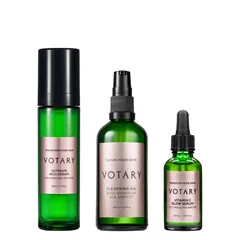
Works for:
based on ingredients and %- Moisturizing
- Evens skin tone
- Anti-oxidation
- Anti-aging
Can it cause trouble?
- Irritation risk: high
- Comedogenic risk ingredients: 1
Key actives


Anti-oxidation
This product contains antioxidants (tocopherol) that can help neutralize free radicals in skin. By doing so, they can lessen the damage the skin gets from the UV light (sun).
Pure form of vitamin E. Can help moisturise and protect the skin from free radicals. Often used to help stabilise other ingredients or the formula itself
A compound that combines zinc with a hydrating ingredient PCA. Might to be helpful against acne and clogged pores. Can help calm down inflammation in skin. Could be helpful in reducing the formation of free radicals in skin. Might help to reduce fine lines in wrinkles, but solid evidence is missing
A great emollient that can also have anti-oxidant properties
An essential oil. Can be irritating. Can become an allergen with oxidation
An emollient that helps soften the skin
A stable derivative of vitamin C. It is oil-soluble which means it is more likely to penetrate the skin compared to the pure form of vitamin C (which is water-soluble), but it is less bio-available and is way less effective in stimulating collagen and reducing wrinkles compared to the pure form of vitamin C (L-ascorbic acid) and its other derivatives (for example, magnesium ascorbyl phosphate). At the same time, this vitamin C derivative has been shown in studies to be effective in reducing acne, blemishes and clogged pores. It is less irritating then the pure form of vitamin C
An essential oil that is used as a fragrance and can be irritating. It might have some anti-oxidant effect in skin
Evens skin tone
What does the product description say?
Vitamin C Glow Serum to brighten
Source: Votary
This product can help reduce hypepigmentation and even out the skin tone because it contains the following effective ingredients: alpha-arbutin
Keep in mind that you would need to apply any topical skincare targetted at hypigmentation consistently for a couple of months to get a result. No topical skincare product can help get rid of hyperpigmentation (including post-acne marks and age spots) instantly.
Might help reduce hyperpigmentation when used regularly over a long period of time. Is more effective than beta-arbutin
Is proven to be effective in reducing blemishes, evening out skin tone and helping to improve lines and wrinkles. It helps the skin to repair sun damage, calm down inflammation and keep maintain good levels of moisture. The concentration of about 2% is effective for supporting the skin barrier and evening out the skin tone. Concentration of 4-6% is better for helping with acne and balancing the sebum production
Three steps removed from the active form of vitamin A - retinoic acid. To have an effect in the skin, it first needs to be converted twice to become the retinoic acid. This means it is less potent than retinol, but could also be less irritating. Once converted to the retinoic acid in the skin, it helps against all signs of aging, improves skin cell turnover and helps fight blemishes and clogged pores. However, in many cosmetic formulations, it is used in a concentration that is too low to have the full effect
Moisturizing
What does the product description say?
hydrate
Source: Votary
This product can help improve hydration of the skin with the two types of ingredients.
The first type is called “humectants”:
these ingredients help attract water.
When humectants are on the surface of the skin, they “pull in” the moisture from the outside environment, or from
within deeper layers of the skin. The following ingredients in this product do the job:
glycerin, sodium hyaluronate.
This product also contains ingredients called “occlusives”. They help reduce the speed with which our skin loses moisture to the outside environment. These ingredients also help soften the upper layer of the skin, so it feels less tight and nicer to the touch. The following ingredients in this product do the job: helianthus annuus seed oil, plukenetia volubilis seed oil.
The following ingredients in this product are especially good for supporting the skin barrier and helping with the hydration level: ceramide np, palmitoyl dipeptide-5 diaminobutyroyl hydroxythreonine, panthenol
A compound that combines zinc with a hydrating ingredient PCA. Might to be helpful against acne and clogged pores. Can help calm down inflammation in skin. Could be helpful in reducing the formation of free radicals in skin. Might help to reduce fine lines in wrinkles, but solid evidence is missing
Helps attract water to the upper layer of the skin and can help improve skin barrier function
A plant oil that works as a good moisturizer by softening the upper layer of the skin. Might be helpful in reducing inflammation in skin and reducing blemishes due to the large content of linoleic acid
An emollient that helps soften the skin
Softens the upper layer of skin and helps restore the healthy skin barrier. Has shown to help calm down inflammation in skin. It is a stable oil, meaning that it retains its properties even when exposed to air.
One of the best moisturizing ingredients. Attracts water into the upper layer of the skin
An oil naturally present in skin. Works as an emollient to soften the skin and form a protective layer on its surface without a greasy feeling.
A great emollient that can also have anti-oxidant properties
A type of lipid similar to ceramides naturally present in skin. Helps to soften the upper layer of the skin and supports the skin barrier function to keep it hydrated. Can help to prevent inflammation in skin
One of the best moisturizing ingredients. Naturally present in skin. It attracts water to the upper layer of the skin working as a humectant
A great emollient due to its high linoleic acid content. One of the most effective plant oils in helping skin hydration and repairing skin barrier function
An emollient that helps soften the skin but is not effective for restoring its barrier function. Might be helpful to calm down inflammation
Helps to soften the upper layer of the skin without creating a greasy texture
Used to preserve products, dissolve other ingredients and create a nice product texture
Pure form of vitamin E. Can help moisturise and protect the skin from free radicals. Often used to help stabilise other ingredients or the formula itself
Used to create a nice product texture and help delivery of other ingredients. Might be somewhat helpful in attracting water to the upper layer of the skin
Is proven to be effective in reducing blemishes, evening out skin tone and helping to improve lines and wrinkles. It helps the skin to repair sun damage, calm down inflammation and keep maintain good levels of moisture. The concentration of about 2% is effective for supporting the skin barrier and evening out the skin tone. Concentration of 4-6% is better for helping with acne and balancing the sebum production
A good mix of fatty acids that forms a protective layer on the skin. Improves the shelf life of products. Derived from coconut and glycerin
Anti-aging
This product contains palmitoyl dipeptide-5 diaminobutyroyl hydroxythreonine. This ingredient might be able to help reduce and prevent fine lines and wrinkles, improve skin elasticity and firmness, but there is not enough evidence that it actually works.
Pure form of vitamin E. Can help moisturise and protect the skin from free radicals. Often used to help stabilise other ingredients or the formula itself
A compound that combines zinc with a hydrating ingredient PCA. Might to be helpful against acne and clogged pores. Can help calm down inflammation in skin. Could be helpful in reducing the formation of free radicals in skin. Might help to reduce fine lines in wrinkles, but solid evidence is missing
Is proven to be effective in reducing blemishes, evening out skin tone and helping to improve lines and wrinkles. It helps the skin to repair sun damage, calm down inflammation and keep maintain good levels of moisture. The concentration of about 2% is effective for supporting the skin barrier and evening out the skin tone. Concentration of 4-6% is better for helping with acne and balancing the sebum production
Three steps removed from the active form of vitamin A - retinoic acid. To have an effect in the skin, it first needs to be converted twice to become the retinoic acid. This means it is less potent than retinol, but could also be less irritating. Once converted to the retinoic acid in the skin, it helps against all signs of aging, improves skin cell turnover and helps fight blemishes and clogged pores. However, in many cosmetic formulations, it is used in a concentration that is too low to have the full effect
A stable derivative of vitamin C. It is oil-soluble which means it is more likely to penetrate the skin compared to the pure form of vitamin C (which is water-soluble), but it is less bio-available and is way less effective in stimulating collagen and reducing wrinkles compared to the pure form of vitamin C (L-ascorbic acid) and its other derivatives (for example, magnesium ascorbyl phosphate). At the same time, this vitamin C derivative has been shown in studies to be effective in reducing acne, blemishes and clogged pores. It is less irritating then the pure form of vitamin C
How honest is this product?
| Promise | Can it deliver? |
|---|---|
| Moisturizing | |
| Evens skin tone |
Total Promises Fulfilled score: 100/100.
We receive a small commission for purchases made through these links at no cost for you. Thank you for your support! Learn more
Affiliate link · supports WIMJ at no cost to you
Potential irritants
Comedogenic ingredients
User reviews (0)
Averages from community submissions.
No reviews yet for this product.
Be the first to share your experience!
Tried this product?
Help capture what the ingredient list can't—texture, finish, pilling, scent, and more. Answer what you can, skip the rest.
Takes ~30 seconds.
Reviews are shown in aggregate. No personal details.
| Product | Similarity | Price | Irritancy |
|---|---|---|---|
 Votary Hydration Heroes | Current | $155.00 | |
HydroPeptide Soothing Serum - Soothing Repair Redness Relief Serum | 77% | $84.00 | |
Remedy Barrier Repairing Rich Cream | 75% | $19.99 | |
Nakery SkinRepair Retinol Deep Wrinkle Serum | 74% | $44.00 | |
 HoliFrog Galilee Antioxidant Dewy Drop Serum | 73% | $84.00 | |
 Naturium Multi-Peptide Moisturizer | 73% | $11.00 |
Key Actives
Is proven to be effective in reducing blemishes, evening out skin tone and helping to improve lines and wrinkles. It helps the skin to repair sun damage, calm down inflammation and keep maintain good levels of moisture. The concentration of about 2% is effective for supporting the skin barrier and evening out the skin tone. Concentration of 4-6% is better for helping with acne and balancing the sebum production
A compound that combines zinc with a hydrating ingredient PCA. Might to be helpful against acne and clogged pores. Can help calm down inflammation in skin. Could be helpful in reducing the formation of free radicals in skin. Might help to reduce fine lines in wrinkles, but solid evidence is missing
Pure form of vitamin E. Can help moisturise and protect the skin from free radicals. Often used to help stabilise other ingredients or the formula itself
Pure form of vitamin E. Can help moisturise and protect the skin from free radicals. Often used to help stabilise other ingredients or the formula itself
Three steps removed from the active form of vitamin A - retinoic acid. To have an effect in the skin, it first needs to be converted twice to become the retinoic acid. This means it is less potent than retinol, but could also be less irritating. Once converted to the retinoic acid in the skin, it helps against all signs of aging, improves skin cell turnover and helps fight blemishes and clogged pores. However, in many cosmetic formulations, it is used in a concentration that is too low to have the full effect
Pure form of vitamin E. Can help moisturise and protect the skin from free radicals. Often used to help stabilise other ingredients or the formula itself
Helps attract water to the upper layer of the skin and can help improve skin barrier function
A type of lipid similar to ceramides naturally present in skin. Helps to soften the upper layer of the skin and supports the skin barrier function to keep it hydrated. Can help to prevent inflammation in skin
An emollient that helps soften the skin
A great emollient that can also have anti-oxidant properties
An emollient that helps soften the skin
A great emollient that can also have anti-oxidant properties
A great emollient due to its high linoleic acid content. One of the most effective plant oils in helping skin hydration and repairing skin barrier function
Softens the upper layer of skin and helps restore the healthy skin barrier. Has shown to help calm down inflammation in skin. It is a stable oil, meaning that it retains its properties even when exposed to air.
One of the best moisturizing ingredients. Naturally present in skin. It attracts water to the upper layer of the skin working as a humectant
Might help reduce hyperpigmentation when used regularly over a long period of time. Is more effective than beta-arbutin
One of the best moisturizing ingredients. Attracts water into the upper layer of the skin
One of the best moisturizing ingredients. Naturally present in skin. It attracts water to the upper layer of the skin working as a humectant
An oil naturally present in skin. Works as an emollient to soften the skin and form a protective layer on its surface without a greasy feeling.
A good mix of fatty acids that forms a protective layer on the skin. Improves the shelf life of products. Derived from coconut and glycerin
A plant oil that works as a good moisturizer by softening the upper layer of the skin. Might be helpful in reducing inflammation in skin and reducing blemishes due to the large content of linoleic acid
One of the best moisturizing ingredients. Attracts water into the upper layer of the skin
Potential irritants
An essential oil. Can be irritating. Can become an allergen with oxidation
An essential oil that is used as a fragrance and can be irritating. It might have some anti-oxidant effect in skin
A preservative. Can be used to mask unpleasant smell. Can be irritating
Three steps removed from the active form of vitamin A - retinoic acid. To have an effect in the skin, it first needs to be converted twice to become the retinoic acid. This means it is less potent than retinol, but could also be less irritating. Once converted to the retinoic acid in the skin, it helps against all signs of aging, improves skin cell turnover and helps fight blemishes and clogged pores. However, in many cosmetic formulations, it is used in a concentration that is too low to have the full effect
A common frangrance that can easily irritate skin, especially if exposed to air, light or heat
Softens the upper layer of skin and helps restore the healthy skin barrier. Has shown to help calm down inflammation in skin. It is a stable oil, meaning that it retains its properties even when exposed to air.
A great emollient that can also have anti-oxidant properties
Used to preserve products, dissolve other ingredients and create a nice product texture
A stable derivative of vitamin C. It is oil-soluble which means it is more likely to penetrate the skin compared to the pure form of vitamin C (which is water-soluble), but it is less bio-available and is way less effective in stimulating collagen and reducing wrinkles compared to the pure form of vitamin C (L-ascorbic acid) and its other derivatives (for example, magnesium ascorbyl phosphate). At the same time, this vitamin C derivative has been shown in studies to be effective in reducing acne, blemishes and clogged pores. It is less irritating then the pure form of vitamin C
Might help reduce hyperpigmentation when used regularly over a long period of time. Is more effective than beta-arbutin
Can work as an exfoliant but is typically used to adjust the product pH
Helps mask the small of other ingredients and improve the product texture
A great emollient that can also have anti-oxidant properties
A good mix of fatty acids that forms a protective layer on the skin. Improves the shelf life of products. Derived from coconut and glycerin
An emollient that helps soften the skin but is not effective for restoring its barrier function. Might be helpful to calm down inflammation
Used to create a thicker product consistency and stabilize the formulation
Can work as an exfoliant but is typically used to adjust the product pH
Comedogenic ingredients
All ingredients
A great emollient due to its high linoleic acid content. One of the most effective plant oils in helping skin hydration and repairing skin barrier function
Softens the upper layer of skin and helps restore the healthy skin barrier. Has shown to help calm down inflammation in skin. It is a stable oil, meaning that it retains its properties even when exposed to air.
A great emollient that can also have anti-oxidant properties
Pure form of vitamin E. Can help moisturise and protect the skin from free radicals. Often used to help stabilise other ingredients or the formula itself
An essential oil. Can be irritating. Can become an allergen with oxidation
An essential oil that is used as a fragrance and can be irritating. It might have some anti-oxidant effect in skin
Is proven to be effective in reducing blemishes, evening out skin tone and helping to improve lines and wrinkles. It helps the skin to repair sun damage, calm down inflammation and keep maintain good levels of moisture. The concentration of about 2% is effective for supporting the skin barrier and evening out the skin tone. Concentration of 4-6% is better for helping with acne and balancing the sebum production
Used to preserve products, dissolve other ingredients and create a nice product texture
One of the best moisturizing ingredients. Naturally present in skin. It attracts water to the upper layer of the skin working as a humectant
Used to create a nice product texture and help delivery of other ingredients. Might be somewhat helpful in attracting water to the upper layer of the skin
A stable derivative of vitamin C. It is oil-soluble which means it is more likely to penetrate the skin compared to the pure form of vitamin C (which is water-soluble), but it is less bio-available and is way less effective in stimulating collagen and reducing wrinkles compared to the pure form of vitamin C (L-ascorbic acid) and its other derivatives (for example, magnesium ascorbyl phosphate). At the same time, this vitamin C derivative has been shown in studies to be effective in reducing acne, blemishes and clogged pores. It is less irritating then the pure form of vitamin C
Might help reduce hyperpigmentation when used regularly over a long period of time. Is more effective than beta-arbutin
One of the best moisturizing ingredients. Attracts water into the upper layer of the skin
Can work as an exfoliant but is typically used to adjust the product pH
Helps mask the small of other ingredients and improve the product texture
A preservative. Can be used to mask unpleasant smell. Can be irritating
Pure form of vitamin E. Can help moisturise and protect the skin from free radicals. Often used to help stabilise other ingredients or the formula itself
One of the best moisturizing ingredients. Naturally present in skin. It attracts water to the upper layer of the skin working as a humectant
Helps to soften the upper layer of the skin without creating a greasy texture
An oil naturally present in skin. Works as an emollient to soften the skin and form a protective layer on its surface without a greasy feeling.
A great emollient that can also have anti-oxidant properties
A good mix of fatty acids that forms a protective layer on the skin. Improves the shelf life of products. Derived from coconut and glycerin
An emollient that helps soften the skin but is not effective for restoring its barrier function. Might be helpful to calm down inflammation
A plant oil that works as a good moisturizer by softening the upper layer of the skin. Might be helpful in reducing inflammation in skin and reducing blemishes due to the large content of linoleic acid
Helps attract water to the upper layer of the skin and can help improve skin barrier function
A type of lipid similar to ceramides naturally present in skin. Helps to soften the upper layer of the skin and supports the skin barrier function to keep it hydrated. Can help to prevent inflammation in skin
A compound that combines zinc with a hydrating ingredient PCA. Might to be helpful against acne and clogged pores. Can help calm down inflammation in skin. Could be helpful in reducing the formation of free radicals in skin. Might help to reduce fine lines in wrinkles, but solid evidence is missing
One of the best moisturizing ingredients. Attracts water into the upper layer of the skin
A preservative. It helps prevent bacterial growth in cosmetic products
Used to create a thicker product consistency and stabilize the formulation
Three steps removed from the active form of vitamin A - retinoic acid. To have an effect in the skin, it first needs to be converted twice to become the retinoic acid. This means it is less potent than retinol, but could also be less irritating. Once converted to the retinoic acid in the skin, it helps against all signs of aging, improves skin cell turnover and helps fight blemishes and clogged pores. However, in many cosmetic formulations, it is used in a concentration that is too low to have the full effect
Pure form of vitamin E. Can help moisturise and protect the skin from free radicals. Often used to help stabilise other ingredients or the formula itself
Used to stabilize mixtures of oil and water, and create thicker, gel-like product textures
Can work as an exfoliant but is typically used to adjust the product pH
A common frangrance that can easily irritate skin, especially if exposed to air, light or heat
Ingredient list view
Helianthus annuus seed oil, Prunus armeniaca kernel oil, Simmondsia chinensis seed oil, Vitis vinifera seed oil, Tocopherol, Pelargonium graveolens flower oil, Anthemis nobilis flower oil, Geranyl acetate, Terpineol, Pinene, Geraniol, Linalool, Citronellol, Water, Niacinamide, Pentylene glycol, Glycerin, Butylene glycol, Sodium ascorbyl phosphate, Alpha-arbutin, Sodium hyaluronate, Citric acid, Acacia senegal gum, Xanthan gum, Ethylhexylglycerin, Sodium benzoate, Benzyl alcohol, Sodium phytate, Ci 15985, Tocopherol, Ci 16035, Water, Glycerin, Coco-caprylate/caprate, Prunus armeniaca kernel oil, Squalane, Vitis vinifera seed oil, Caprylic/capric triglyceride, Polyglyceryl-4 oleate, Olea europaea fruit oil, Plukenetia volubilis seed oil, Magnesium sulfate, Panthenol, Ceramide np, Zinc pca, Sodium hyaluronate, Palmitoyl dipeptide-5 diaminobutyroyl hydroxythreonine, Palmitoyl dipeptide-5 diaminohydroxybutyrate, Phenoxyethanol, Polyglyceryl-6 oleate, Polyhydroxystearic acid, Retinyl palmitate, Tocopherol, Ethylhexylglycerin, Sodium chloride, Polyglyceryl-10 laurate, Citric acid, Citrus aurantium amara flower oil, Citrus aurantium flower oil, Linalool, Linalyl acetate, Limonene, Pinene, Terpineol, Geraniol, Geranyl acetate, Farnesol
- Effect of Olive and Sunflower Seed Oil on the Adult Skin Barrier: Implications for Neonatal Skin Care
- Topically Applied Sunflower Seed Oil Prevents Invasive Bacterial Infections in Preterm Infants in Egypt
- Effect of topically applied lipids on surfactant-irritated skin
- Impact of topical oils on the skin barrier: possible implications for neonatal health in developing countries
- Vitamin E in dermatology
- Vitamin E and Skin Health
- Fragrance Compound Geraniol Forms Contact Allergens on Air Exposure. Identification and Quantification of Oxidation Products and Effect on Skin Sensitization
- Safety Assessment of Anthemis nobilis– Derived Ingredients as Used in Cosmetics
- Annex I: Clinical evidence regarding sensitisation to individual fragrance chemicals and to natural extracts
- Niacinamide - mechanisms of action and its topical use in dermatology
- Gehring, W. (2004). Nicotinic acid/niacinamide and the skin. Journal of Cosmetic Dermatology, 3(2), 88–93. doi:10.1111/j.1473-2130.2004.00115.x
- Glycerol and the skin: holistic approach to its origin and functions
- Sodium ascorbyl phosphate shows in vitro and in vivo efficacy in the prevention and treatment of acne vulgaris
- Sodium ascorbyl phosphate in topical microemulsions
- Final report of the safety assessment of L-Ascorbic Acid, Calcium Ascorbate, Magnesium Ascorbate, Magnesium Ascorbyl Phosphate, Sodium Ascorbate, and Sodium Ascorbyl Phosphate as used in cosmetics
- Regulation of collagen synthesis in human dermal fibroblasts by the sodium and magnesium salts of ascorbyl-2-phosphate
- Comparison of clinical efficacies of sodium ascorbyl phosphate, retinol and their combination in acne treatment
- Application of l-ascorbic acid and its derivatives (sodium ascorbyl phosphate and magnesium ascorbyl phosphate) in topical cosmetic formulations: stability studies
- Sodium L-ascorbyl-2-phosphate 5% lotion for the treatment of acne vulgaris: a randomized, double-blind, controlled trial
- Hyaluronic acid: A key molecule in skin aging
- Hyaluronan (Hyaluronic Acid): a natural moisturizer for skin care
- Safety Assessment of Alkyl Esters as Used in Cosmetics
- Use of “natural” oils for moisturization: Review of olive, coconut, and sunflower seed oil
- Chemical composition of Sacha Inchi ( Plukenetia volubilis L.) seeds and characteristics of their lipid fraction
- Safety Assessment of Magnesium Sulfate as Used in Cosmetics
- Skin moisturizing effects of panthenol-based formulations
- Safety Assessment of Panthenol, Pantothenic Acid, and Derivatives as Used in Cosmetics
- Skin hydration is significantly increased by a cream formulated to mimic the skin’s own natural moisturizing systems
- Topically Applied Ceramides Interact with the Stratum Corneum Lipid Matrix in Compromised Ex Vivo Skin
- Zinc L-pyrrolidone carboxylate inhibits the UVA-induced production of matrix metalloproteinase-1 by in vitro cultured skin fibroblasts, whereas it enhances their collagen synthesis
- Zinc Therapy in Dermatology: A Review
- In Vitro Assessment of Skin Irritation Potential of Surfactant-based Formulations by Using a 3-D Skin Reconstructed Tissue Model and Cytokine Response
- Biological Activities and Safety of Citrus spp. Essential Oils