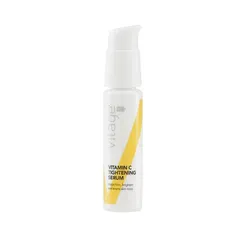
Works for:
based on ingredients and %- Moisturizing
Doesn't work for:
based on ingredients and %- Anti-aging
- Evens skin tone
Can it cause trouble?
- Irritation risk: medium
- Comedogenic risk ingredients: 0
Key actives
Moisturizing
What does the product description say?
Hyaluronic acid deeply hydrates, replenishing lost moisture levels and tackling dehydration, thus smoothing out any dehydration lines .
Source: Face the future
This product can help improve hydration of the skin with the two types of ingredients.
The first type is called “humectants”:
these ingredients help attract water.
When humectants are on the surface of the skin, they “pull in” the moisture from the outside environment, or from
within deeper layers of the skin. The following ingredients in this product do the job:
glycerin, sodium hyaluronate.
This product also contains ingredients called “occlusives”. They help reduce the speed with which our skin loses moisture to the outside environment. These ingredients also help soften the upper layer of the skin, so it feels less tight and nicer to the touch. The following ingredients in this product do the job: squalane.
One of the best moisturizing ingredients. Naturally present in skin. It attracts water to the upper layer of the skin working as a humectant
One of the best moisturizing ingredients. Attracts water into the upper layer of the skin
An oil naturally present in skin. Works as an emollient to soften the skin and form a protective layer on its surface without a greasy feeling.
Anti-aging
What does the product description say?
ARGANTENSYLTM proteins provide both instant and long-term lifting and tightening benefits to restore a youthful appearance.
Source: Face the future
Effective ingredients missing or their concentration is too low.
A derivative of vitamin C that is more stable, but less bioavailable than the pure form of vitamin C. It does not penetrate the skin well, but has been shown to convert to pure vitamin C once in skin. It can be helpful in stimulating collagen production and lightening the skin tone, but the required concentration is likely to be very high
Evens skin tone
What does the product description say?
Read More Enriched with high levels of stabilised vitamin C, this serum brightens dull, uneven skin tone.
Source: Face the future
Effective ingredients missing or their concentration is too low
A derivative of vitamin C that is more stable, but less bioavailable than the pure form of vitamin C. It does not penetrate the skin well, but has been shown to convert to pure vitamin C once in skin. It can be helpful in stimulating collagen production and lightening the skin tone, but the required concentration is likely to be very high
How honest is this product?
| Promise | Can it deliver? |
|---|---|
| Moisturizing | |
| Anti-aging | |
| Evens skin tone |
Total Promises Fulfilled score: 25/100.
Potential irritants
Comedogenic ingredients
No comedogenic ingredients detected
User reviews (0)
Averages from community submissions.
No reviews yet for this product.
Be the first to share your experience!
Tried this product?
Help capture what the ingredient list can't—texture, finish, pilling, scent, and more. Answer what you can, skip the rest.
Takes ~30 seconds.
Reviews are shown in aggregate. No personal details.
| Product | Similarity | Price | Irritancy |
|---|---|---|---|
 Vitage Vitamin C Tightening Serum | Current | - | |
 Neocutis Bio Serum Firm | 46% | ≈ $283.07 | |
 Peter Thomas Roth Firm X Collagen Serum | 44% | $69.30 | |
 Dr. Barbara Sturm The Good C Vitamin C Serum | 43% | ≈ $154.34 | |
 Simply Pure Superdrug Simply Pure Hydrating Night Serum | 43% | ≈ $5.33 | |
 Kate Somerville Kx Active Concentrates Squalane + Hyaluronic Serum | 43% | - |
Key Actives
One of the best moisturizing ingredients. Naturally present in skin. It attracts water to the upper layer of the skin working as a humectant
An oil naturally present in skin. Works as an emollient to soften the skin and form a protective layer on its surface without a greasy feeling.
One of the best moisturizing ingredients. Attracts water into the upper layer of the skin
Potential irritants
Can be drying and contribute to skin irritation. Used in formulars to dissolve other ingredients, create a thinner product consistency or for its antibacterial properties
A gelling agent that thickens the product consistency and leaves the skin with a velvety finish
Can work as an exfoliant but is typically used to adjust the product pH
A derivative of vitamin C that is more stable, but less bioavailable than the pure form of vitamin C. It does not penetrate the skin well, but has been shown to convert to pure vitamin C once in skin. It can be helpful in stimulating collagen production and lightening the skin tone, but the required concentration is likely to be very high
Comedogenic ingredients
We couldn't find any comedogenic ingredients in this product
All ingredients
Can be drying and contribute to skin irritation. Used in formulars to dissolve other ingredients, create a thinner product consistency or for its antibacterial properties
A preservative. It helps prevent bacterial growth in cosmetic products
A gelling agent that thickens the product consistency and leaves the skin with a velvety finish
One of the best moisturizing ingredients. Naturally present in skin. It attracts water to the upper layer of the skin working as a humectant
Used to thicken product formulations and create gel-like textures
An oil naturally present in skin. Works as an emollient to soften the skin and form a protective layer on its surface without a greasy feeling.
One of the best moisturizing ingredients. Attracts water into the upper layer of the skin
Can work as an exfoliant but is typically used to adjust the product pH
Helps to retain moisture by creating a protective barrier on the skin. Rich in fatty acids. Improves product texture and helps with the penetration of other ingredients.
A derivative of vitamin C that is more stable, but less bioavailable than the pure form of vitamin C. It does not penetrate the skin well, but has been shown to convert to pure vitamin C once in skin. It can be helpful in stimulating collagen production and lightening the skin tone, but the required concentration is likely to be very high
Helps create a thicker or gel-like product texture. It is not a surfactant but can be used in gentle cleansing formulations
Ingredient list view
Water, Alcohol, Phenoxyethanol, Argania spinosa kernel extract, Hydroxyethyl acrylate/sodium acryloyldimethyl taurate copolymer, Glycerin, Hydroxyethylcellulose, Squalane, Potassium sorbate, Sodium hyaluronate, Sodium cocoyl glutamate, Citric acid, Ethylhexylglycerin, Disodium edta, Polysorbate 60, Hydrogenated lecithin, Magnesium ascorbyl phosphate, Carbomer, Sorbitan isostearate