Urban Skin Rx HyperCorrect™ Intense Fading Cream
Works for
3 of 3 advertised claims delivered
Evens skin toneTranexamic acid, Kojic acid + 5 moreStrong evidence
“Fine Lines & Wrinkles Dark Spots & Uneven Skin Dryness & Eczema Large Pores Oily Skin Under Eye Circles Ingrown Hairs Sensitive Skin Pregnancy Skin”
This product can help reduce hypepigmentation and even out the skin tone because it contains the following effective ingredients: bakuchiol, glycolic acid, hydroxyphenoxy propionic acid, kojic acid, tranexamic acid
Keep in mind that you would need to apply any topical skincare targetted at hypigmentation consistently for a couple of months to get a result. No topical skincare product can help get rid of hyperpigmentation (including post-acne marks and age spots) instantly.
Anti-agingBakuchiol, Glycolic acid + 3 moreStrong evidence
“Fine Lines & Wrinkles Dark Spots & Uneven Skin Dryness & Eczema Large Pores Oily Skin Under Eye Circles Ingrown Hairs Sensitive Skin Pregnancy Skin”
This product can help reduce and prevent fine lines and wrinkles, improve skin elasticity and firmness because it contains bakuchiol, glycolic acid.
These ingredients in the product can also be helpful, even though there is less evidence for their effectiveness: palmitoyl tripeptide-38.
Keep in mind that it typically takes at least 6 weeks to notice any results because the changes that are needed to improve fine lines and elasticity happen in the deeper layers of the skin. No topical anti-aging product can “erase” wrinkles or fully reverse signs of aging.
MoisturizingPalmitoyl tripeptide-38, Dimethicone + 18 moreStrong evidence
“Hyper Correct™ Intense Fading Cream”
This product can help improve hydration of the skin with the two types of ingredients.
The first type is called “humectants”:
these ingredients help attract water.
When humectants are on the surface of the skin, they “pull in” the moisture from the outside environment, or from
within deeper layers of the skin. The following ingredients in this product do the job:
glycerin, sodium hyaluronate.
This product also contains ingredients called “occlusives”. They help reduce the speed with which our skin loses moisture to the outside environment. These ingredients also help soften the upper layer of the skin, so it feels less tight and nicer to the touch. The following ingredients in this product do the job: dimethicone, squalane.
The following ingredients in this product are especially good for supporting the skin barrier and helping with the hydration level: palmitoyl tripeptide-38
Anti-oxidationNot advertised by the brand · Bakuchiol, Kojic acid + 4 moreStrong evidence
This product contains antioxidants (bakuchiol, kojic acid) that can help neutralize free radicals in skin. By doing so, they can lessen the damage the skin gets from the UV light (sun).
The following ingredients - camellia sinensis leaf extract also can have an antioxidant effect, but there is less evidence to confirm their effectiveness in skin.
ExfoliationNot advertised by the brand · Glycolic acidStrong evidence
This product can help exfoliate the skin. In other words, it helps break down the bonds between dead cells on the surface of the skin and speed up the skin turnover. Skin often appears softer and brighter after exfoliation, but overdoing it can result in disrupted skin barrier. The following ingredient is doing the exfoliating job in this product: glycolic acid.
Anti-blemishNot advertised by the brand · Bakuchiol, Glycolic acid + 2 moreGood evidence
This product might be able to help reduce blemishes and clogged pores because it contains bakuchiol.
The following ingredient (ingredients) in this product might be helpful, but there is no evidence to confirm that it actually works: glycolic acid
Can it cause trouble?
Irritancy4 strong irritants: Citrus limon fruit extract, Citrus aurantium dulcis seed extract + 2 more — patch-test recommendedHigh risk
Comedogenic1 ingredient rated 2 or more on the 0–5 pore-clogging scale1 flagged


User reviews
Be the first — your take helps the next person decide.
Ingredients
Filter by role to see what each ingredient is doing.
Lac~22–33%
- Irritation risk
- Low
Helps form a film on the surface of the skin and disperse other ingredients (like colorants) in cosmetics. Lac is a resinous substance secreted by parasite insects living on trees
More about LacWater~11–17%
Acrylates copolymer~5.7–8.5%
- Irritation risk
- Medium
Used to stabilize product formulation, help create an even product layer over skin (for example, in sunscreen) and create a thicker product consistency
More about Acrylates copolymerCocamidopropyl betaine~4.7–7.1%
- Irritation risk
- High
Helps water and oil mix together. Used as a cleansing ingredient. Could be an allergen
More about Cocamidopropyl betaineJojoba esters~2.9–4.4%
- Irritation risk
- Medium
An emollient made of jojoba oil. Helps soften the skin and support its barrier function
More about Jojoba estersButylene glycol~2.1–3.1%
- Irritation risk
- Low
Used to create a nice product texture and help delivery of other ingredients. Might be somewhat helpful in attracting water to the upper layer of the skin
More about Butylene glycolPalmitoyl tripeptide-38~1.7–2.6%
- Irritation risk
- Low
A type of peptide. Peptides are excellent moisturizers and might be able support collagen production reducing fine lines and wrinkles
More about Palmitoyl tripeptide-38Lac~1.5–2.3%
- Irritation risk
- Low
Helps form a film on the surface of the skin and disperse other ingredients (like colorants) in cosmetics. Lac is a resinous substance secreted by parasite insects living on trees
More about LacSaccharum officinarum extract~1.3–2%
- Irritation risk
- Low
Sugar extract that helps attract water to the upper layer of the skin
More about Saccharum officinarum extractCitrus limon fruit extract~1.1–1.7%
- Irritation risk
- High
Used as a fragrance. Can be irritating and cause photosensitivity
More about Citrus limon fruit extractCitrus aurantium dulcis seed extract~0.95–1.4%
- Irritation risk
- High
Malus domestica fruit extract~0.8–1.2%
- Irritation risk
- Medium
Helps attract water to the upper layer of the skin
More about Malus domestica fruit extractCamellia sinensis leaf extract~0.6–1.4%
- Irritation risk
- Low
Can contain potent anti-oxidant compounds (abbreviated ECG, GCG, EGC, and EGCG) that might help protect the skin from free radicals. Can help calm down inflammation and has some anti-bacterial properties. Unfortunately, these antioxidants are unstable and lose their effectiveness very quickly in products. The concentration of the antioxidant compounds in the extract also tends to be low to be effective in topical formulation
More about Camellia sinensis leaf extractSodium hyaluronate~0.55–1.3%
- Irritation risk
- Low
One of the best moisturizing ingredients. Attracts water into the upper layer of the skin
More about Sodium hyaluronateGlycerin~0.55–1.3%
- Irritation risk
- Low
One of the best moisturizing ingredients. Naturally present in skin. It attracts water to the upper layer of the skin working as a humectant
More about GlycerinHydroxypropyl cyclodextrin~0.55–1.3%
- Irritation risk
- Medium
Used to stabilize product formulations and help soften the upper layer of the skin
More about Hydroxypropyl cyclodextrinPolysorbate 20~0.55–1.25%
Phenoxyethanol~0.5–1%
- Irritation risk
- Low
A preservative. It helps prevent bacterial growth in cosmetic products
More about PhenoxyethanolCaprylyl glycol~0.5–1.15%
- Irritation risk
- Medium
Helps preserve products and creates a nice product texture
More about Caprylyl glycolEthylhexylglycerin~0.45–1.1%
Hexylene glycol~0.45–1%
- Irritation risk
- Medium
Helps create a more spreadable product texture
More about Hexylene glycolSodium hydroxide~0.45–1%
Water~0.45–1%
Glycolic acid~0.45–1%
- Irritation risk
- High
An alpha-hydroxy acid (AHA) that helps to remove the dead skin cells on the surface of the skin reveling a more even, smoother complexation. It is also able to stimulate collagen production with long-term use. Could help to reduce pore congestion. It can be irritating to the skin. Apply sunscreen daily if using products with glycolic acid
More about Glycolic acidC12-15 alkyl benzoate~0.45–1.05%
- Irritation risk
- Low
Enhances the product texture and makes it more spreadable. Helps reduce water loss from the outer layer of skin. Extands the shelf life by preventing bacteria growth
More about C12-15 alkyl benzoateNiacinamide~0.45–1%
- Irritation risk
- Low
Is proven to be effective in reducing blemishes, evening out skin tone and helping to improve lines and wrinkles. It helps the skin to repair sun damage, calm down inflammation and keep maintain good levels of moisture. The concentration of about 2% is effective for supporting the skin barrier and evening out the skin tone. Concentration of 4-6% is better for helping with acne and balancing the sebum production
More about NiacinamideGlycerin~0.45–1.05%
- Irritation risk
- Low
One of the best moisturizing ingredients. Naturally present in skin. It attracts water to the upper layer of the skin working as a humectant
More about GlycerinPolyglyceryl-6 stearate~0.45–1.1%
- Irritation risk
- Low
Helps soften the upper layer of the skin
More about Polyglyceryl-6 stearateCaprylic/capric triglyceride~0.45–1.1%
- Irritation risk
- Medium
A good mix of fatty acids that forms a protective layer on the skin. Improves the shelf life of products. Derived from coconut and glycerin
More about Caprylic/capric triglycerideTranexamic acid~0.4–0.95%
- Irritation risk
- Low
An amino acid that is effective in reducing hyperpigmentation and evening out the skin tone. It can also help in skin barrier recovery. It is used to treat melasma, especially with injections and when taken orally
More about Tranexamic acidDimethyl isosorbide~0.45–1%
- Irritation risk
- Low
Used to dissolve other ingredients in a product and can enhance their ability to penetrate the skin
More about Dimethyl isosorbideButylene glycol~0.4–1%
- Irritation risk
- Low
Used to create a nice product texture and help delivery of other ingredients. Might be somewhat helpful in attracting water to the upper layer of the skin
More about Butylene glycolKojic acid~0.4–0.95%
- Irritation risk
- High
Helps to reduce hyperpigmentation and neutralize free radicals. Can be irritating
More about Kojic acidSodium hydroxide~0.4–1%
Hydroxyethyl acrylate/sodium acryloyldimethyl taurate copolymer~0.45–1%
- Irritation risk
- Medium
A gelling agent that thickens the product consistency and leaves the skin with a velvety finish
More about Hydroxyethyl acrylate/sodium acryloyldimethyl taurate copolymerCetearyl alcohol~0.45–1.1%
- Irritation risk
- Low
- Comedogenicity
- 2/5
A non-drying alcohol. Works as an emollient. Helps water and oil mix together and creates a nice product texture
More about Cetearyl alcoholBakuchiol~0.45–1%
- Irritation risk
- Medium
A plant extract that is, though different in chemical structure, acts similar to retinoids. First studies show that it can help reduce fine lines and wrinkles, improve skin tone, reduce clogged pores and blemishes, and reduce inflammation. There is no conclusive evidence that bakuchiol is as effective as retinol however. The study that directly compared retinol with bakuchiol used bakuchiol applied twice daily compared to once per day for the retinol. According to this study, bakuchiol is less irritating than retinol. Bakuchiol is extracted from seeds of Babchi plant. Other parts of the plant contain coumarins that could cause allergic and irritant reactions. These compounds should be removed in the extraction process when bakuchiol is produced, but it is a good idea to be cautious and stay away from products that include the Babchi plant extracts other than purified bakuchiol to avoid irritation
More about BakuchiolDimethicone~0.45–1.1%
- Irritation risk
- Low
A silicone that helps to reduce water loss from the surface of the skin. Can temporarily "fill in" lines and wrinkles, absorb oil, and create a nice product finish
More about DimethiconeHydroxyphenoxy propionic acid~0.4–0.95%
- Irritation risk
- Medium
Helps reduce hypepigmentation and even out the skin tone
More about Hydroxyphenoxy propionic acidPhenoxyethanol~0.45–1%
- Irritation risk
- Low
A preservative. It helps prevent bacterial growth in cosmetic products
More about PhenoxyethanolPpg-12/smdi copolymer~0.55–1.3%
Squalane~0.45–1.1%
- Irritation risk
- Low
An oil naturally present in skin. Works as an emollient to soften the skin and form a protective layer on its surface without a greasy feeling.
More about SqualaneHydrogenated lecithin~0.45–1%
- Irritation risk
- Low
Helps to retain moisture by creating a protective barrier on the skin. Rich in fatty acids. Improves product texture and helps with the penetration of other ingredients.
More about Hydrogenated lecithinPolyglyceryl-6 behenate~0.45–1%
Tocopheryl acetate~0.4–0.95%
- Irritation risk
- Medium
A more stable but less bio-available form of vitamin E compared to Tocopherol. Might help moisturize and protect the skin from free radicals, but mostly used in low concentrations to stabilize other ingredients.
More about Tocopheryl acetateHydroxyethylcellulose~0.5–1.2%
- Irritation risk
- Low
Used to thicken product formulations and create gel-like textures
More about HydroxyethylcelluloseCamellia sinensis leaf extract~0.45–1.1%
- Irritation risk
- Low
Can contain potent anti-oxidant compounds (abbreviated ECG, GCG, EGC, and EGCG) that might help protect the skin from free radicals. Can help calm down inflammation and has some anti-bacterial properties. Unfortunately, these antioxidants are unstable and lose their effectiveness very quickly in products. The concentration of the antioxidant compounds in the extract also tends to be low to be effective in topical formulation
More about Camellia sinensis leaf extractEthylhexylglycerin~0.45–1.05%
Disodium edta~0.5–1%
Cream~0.5–1.1%
- Irritation risk
- Low
Water~0.45–1.05%
Cysteamine~0.45–1.05%
- Irritation risk
- Low
Caprylic/capric triglyceride~0.5–1.15%
- Irritation risk
- Medium
A good mix of fatty acids that forms a protective layer on the skin. Improves the shelf life of products. Derived from coconut and glycerin
More about Caprylic/capric triglyceridePolyacrylate-13~0.55–1.3%
- Irritation risk
- Low
Used to create a thicker product consistency and stabilize the product formulation
More about Polyacrylate-13Cetearyl phosphate~0.45–1.05%
- Irritation risk
- Low
Squalane~0.5–1.15%
- Irritation risk
- Low
An oil naturally present in skin. Works as an emollient to soften the skin and form a protective layer on its surface without a greasy feeling.
More about SqualanePolyisobutene~0.55–1.3%
Niacinamide~0.45–1.05%
- Irritation risk
- Low
Is proven to be effective in reducing blemishes, evening out skin tone and helping to improve lines and wrinkles. It helps the skin to repair sun damage, calm down inflammation and keep maintain good levels of moisture. The concentration of about 2% is effective for supporting the skin barrier and evening out the skin tone. Concentration of 4-6% is better for helping with acne and balancing the sebum production
More about NiacinamidePhenoxyethanol~0.5–1%
- Irritation risk
- Low
A preservative. It helps prevent bacterial growth in cosmetic products
More about PhenoxyethanolPolysorbate 20~0.45–1.1%
Sodium hydroxide~0.45–1.05%
Sorbitan isostearate~0.45–1.1%
- Irritation risk
- Low
Helps oil and water mix together
More about Sorbitan isostearateDisodium edta~0.5–1%
Ethylhexylglycerin~0.45–1.05%
Tocopheryl acetate~0.45–1.05%
- Irritation risk
- Medium
A more stable but less bio-available form of vitamin E compared to Tocopherol. Might help moisturize and protect the skin from free radicals, but mostly used in low concentrations to stabilize other ingredients.
More about Tocopheryl acetateSqualane~0.5–1.15%
- Irritation risk
- Low
An oil naturally present in skin. Works as an emollient to soften the skin and form a protective layer on its surface without a greasy feeling.
More about SqualaneSodium pca~0.45–1.05%
- Irritation risk
- Low
Naturally present in skin and helps to attract water to its upper layer
More about Sodium pcaCarbon~0.45–1.05%
- Irritation risk
- Low
Zinc oxide11.6%
- Irritation risk
- Low
A broad spectrum sunblock (protects from both UVA and UVB rays). Is suitable for most sensitive skins. In small concentrations, can be used as a colorant
More about Zinc oxideWater~0.45–1.05%
Butyloctyl salicylate~0.45–1.05%
- Irritation risk
- Medium
A synthetic ester of salicylic acid that is used to help disperse pigments and boost effectiveness of sunscreen ingredients. It is able to absorb UV light (working as an organic, or chemical filter), but is not approved as a sunscreen ingredient on its own
More about Butyloctyl salicylateCaprylic/capric triglyceride~0.5–1.15%
- Irritation risk
- Medium
A good mix of fatty acids that forms a protective layer on the skin. Improves the shelf life of products. Derived from coconut and glycerin
More about Caprylic/capric triglycerideGlycerin~0.5–1.1%
- Irritation risk
- Low
One of the best moisturizing ingredients. Naturally present in skin. It attracts water to the upper layer of the skin working as a humectant
More about GlycerinDimethicone~0.5–1.15%
- Irritation risk
- Low
A silicone that helps to reduce water loss from the surface of the skin. Can temporarily "fill in" lines and wrinkles, absorb oil, and create a nice product finish
More about DimethiconeUndecylcrylene dimethicone~0.5–1.2%
- Irritation risk
- Low
Cetearyl olivate~0.45–1%
Polyester-8~0.5–1.15%
- Irritation risk
- Medium
Used to stabilize product formulations and individual ingredients (for example, sunscreens). Can be an allergen
More about Polyester-8Polyglyceryl-3 beeswax~0.4–0.95%
- Irritation risk
- Medium
Helps water and oil mix together. Could be an allergen (beeswax)
More about Polyglyceryl-3 beeswaxCarthamus tinctorius oleosomes~0.4–1%
- Irritation risk
- Low
Helps soften the upper layer of the skin
More about Carthamus tinctorius oleosomesSorbitan olivate~0.4–0.9%
Propanediol~0.4–0.9%
- Irritation risk
- Low
Acts as a solvent for other ingredients. Speeds up the absorption of other ingredients into the skin
More about PropanediolPolyhydroxystearic acid~0.4–0.95%
- Irritation risk
- Medium
Used to create a thicker product consistency and stabilize the formulation
More about Polyhydroxystearic acidPotassium cetyl phosphate~0.4–0.9%
- Irritation risk
- Medium
Helps oil and water mix together
More about Potassium cetyl phosphateCaprylyl glycol~0.4–0.9%
- Irritation risk
- Medium
Helps preserve products and creates a nice product texture
More about Caprylyl glycolHydrolyzed wheat protein/pvp crosspolymer~0.4–0.9%
- Irritation risk
- Low
Xanthan gum~0.2–0.75%
- Irritation risk
- Low
Used to create a thicker product consistency
More about Xanthan gumBisabolol~0.1–0.5%
- Irritation risk
- Low
An active component of chamomile plant that historically has been used to calm down irritated skin. A recent study shows that bisabolol indeed can have some anti-inflammatory effect on skin, even though conclusive data is lacking. Bisabolol has a sweet floral scent and can be added to products for its aromatic properties
More about BisabololCaprylhydroxamic acid~0.1–0.45%
Sodium gluconate~0.1–0.5%
Citrus reticulata peel oil~0.1–0.4%
- Irritation risk
- High
An essential oil used for fragrance. Can be an allergen and irritant
More about Citrus reticulata peel oilCarthamus tinctorius seedcake extract~0.1–0.35%
- Irritation risk
- Low
Citrus grandis fruit extract~0.1–0.3%
- Irritation risk
- High
Ingredient list view
Lac, Water, Acrylates copolymer, Cocamidopropyl betaine, Jojoba esters, Butylene glycol, Palmitoyl tripeptide-38, Lac, Unknown, Saccharum officinarum extract, Citrus limon fruit extract, Citrus aurantium dulcis seed extract, Unknown, Malus domestica fruit extract, Camellia sinensis leaf extract, Sodium hyaluronate, Glycerin, Hydroxypropyl cyclodextrin, Polysorbate 20, Phenoxyethanol, Caprylyl glycol, Ethylhexylglycerin, Hexylene glycol, Sodium hydroxide, Water, Glycolic acid, C12-15 alkyl benzoate, Niacinamide, Glycerin, Polyglyceryl-6 stearate, Caprylic/capric triglyceride, Tranexamic acid, Dimethyl isosorbide, Butylene glycol, Kojic acid, Sodium hydroxide, Hydroxyethyl acrylate/sodium acryloyldimethyl taurate copolymer, Cetearyl alcohol, Bakuchiol, Dimethicone, Hydroxyphenoxy propionic acid, Phenoxyethanol, Ppg-12/smdi copolymer, Squalane, Hydrogenated lecithin, Polyglyceryl-6 behenate, Tocopheryl acetate, Hydroxyethylcellulose, Camellia sinensis leaf extract, Ethylhexylglycerin, Disodium edta, Cream, Water, Cysteamine, Unknown, Caprylic/capric triglyceride, Polyacrylate-13, Cetearyl phosphate, Squalane, Polyisobutene, Niacinamide, Phenoxyethanol, Polysorbate 20, Sodium hydroxide, Sorbitan isostearate, Disodium edta, Ethylhexylglycerin, Tocopheryl acetate, Squalane, Sodium pca, Carbon, Zinc oxide, Water, Butyloctyl salicylate, Caprylic/capric triglyceride, Glycerin, Dimethicone, Undecylcrylene dimethicone, Cetearyl olivate, Polyester-8, Polyglyceryl-3 beeswax, Carthamus tinctorius oleosomes, Sorbitan olivate, Propanediol, Polyhydroxystearic acid, Potassium cetyl phosphate, Caprylyl glycol, Hydrolyzed wheat protein/pvp crosspolymer, Xanthan gum, Bisabolol, Caprylhydroxamic acid, Sodium gluconate, Citrus reticulata peel oil, Carthamus tinctorius seedcake extract, Citrus grandis fruit extract
Compare prices
Retailers ranked by price — lowest first.
Worth comparing, line by line.
Match % combines shared ingredients, the first five ingredients, shared actives and hero ingredients, irritancy (lower counts in the alternative's favour), texture and body area. Only products in the same routine step are compared.
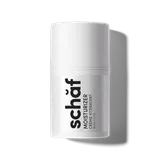
| Urban Skin RxHyperCorrect™ Intense Fading CreamYOUR PRODUCT | epi.logicThe Total Package | SchafMoisturizer | Key SoulcareSKIN TRANSFORMATION CREAM FRAGRANCE FREE | |
|---|---|---|---|---|
| Match | — | 75% | 74% | 74% |
| Price | $48.00 | $96.00+$48.00 | — | $34.00−$14.00 |
| Shared key ingredients | — | 8 of 19 | 7 of 19 | 6 of 19 |
| Key difference | — | Gluconolactone | Palmitoyl Tetrapeptide-7 | Phytosphingosine |
| Irritancy | High | Medium | Low | Low |
| Drying alcohol | — | — | — | — |
| View product | Shop | Shop | Shop |

Product summary
Judging from the ingredient list, "Urban Skin Rx - HyperCorrect™ Intense Fading Cream" works well for improving skin hydration This moisturizer uses a good combo of humectants and emollients. These both types of ingredients are essentials for improving the skin hydration and keeping the skin barrier healthy. Glycerin, sodium hyaluronate, sodium pca, butylene glycol and caprylyl glycol in this product (humectants) attract water molecules to the upper layer of the skin (the water comes from the outside air or from the deeper layers of the skin if the air is dry). Jojoba esters, dimethicone, squalane, c12-15 alkyl benzoate and carthamus tinctorius oleosomes in this product help decrease the water evoporation from the skin, so that it stays hydrated for longer. These ingredients also soften the skin and take away the feeling of tightness and dryness.
Ingredient callouts
- This product contains acids (glycolic acid 0.45% - 1.00%). Their concentration is low, and they will not have a strong exfoliating effect. Instead, they work to support the skin natural acid mantle and to attract water (as humectants).
- Bakuchiol in this moisturizer (the concentration is about 0.45% - 1.00%). Helps fight photodamage (wrinkles, elasticity loss and pigmentation) and can reduce clogged pores and blemishes. Bakuchiol is a compound extracted from a plant Babchi. It acts similar to retinoids, but with less irritation risk.
- We like that this moisturizer contains peptides (palmitoyl tripeptide-38 1.70% - 2.60%). There are many different kind of Peptides and they are naturally present in our skin. They all are a combination of aminoacids. Some of them work as natural antibiotics, promote wound-healing and production of collagen. The science is still not settled on how effective Peptides are in skincare, but it is very likely that they have a benefit. Peptides might help restore the skin barrier and fight the signs of aging. At the very least, Peptides work as humectants: they attract water to the upper layer of the skin and improve its hydration.
Irritation risk
We assess the overall irritancy of this moisturizer to be high. For a detailed overview of all potential irritants: click here
You can see the detailed formula review with the breakdown of all actives in the product and the full ingredient list with estimated concentrations in the tables below.
About the brand
According to Cruelty-Free Kitty "Urban Skin Rx" is cruelty free and so is its parent company.
Price
The product retails for 48.00$ in the United States.
For a detailed price comparison: click here.
Sources cited in this review
Every concentration estimate and effectiveness label is anchored to one of these 34 studies and safety reviews.
- 1
- 2
- 3
- 4Hyaluronic acid: A key molecule in skin agingncbi.nlm.nih.gov
- 5
- 6

Affiliate links · As an Amazon Associate, WIMJ earns from qualifying purchases.