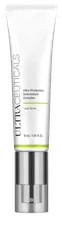
Works for:
based on ingredients and %- Moisturizing
- Anti-oxidation
- Anti-aging
- Evens skin tone
Can it cause trouble?
- Irritation risk: high
- Comedogenic risk ingredients: 2
Key actives

Anti-oxidation
This product contains antioxidants (ferulic acid) that can help neutralize free radicals in skin. By doing so, they can lessen the damage the skin gets from the UV light (sun).
A potent anti-oxidant that has been shown to be effective in neutralizing free radicals in skin. There seem to have a synergetic effect of ferulic acid, vitamin E and C, meaning that when the ingredients are used together, they enhance each other's ability protect the skin against free radicals. Ferulic acid also helps to stabilize other ingredients - including vitamins C and E. It can help to even out the skin tone. Ferulic acid is approved for use as a sunscreen ingredient in Japan in concentrations up to 10%
Might be helpful in neutralizing free radicals. Can have a dehydration effect that might somewhat decrease the look of puffy eyes
Pure form of vitamin E. Can help moisturise and protect the skin from free radicals. Often used to help stabilise other ingredients or the formula itself
The most well-researched antioxidant that works in skin. Helps neutralize free radicals supporting collagen production, helping to even out the skin tone and preventing early signs of aging
A vitamin C derivative. Studies show that is might be effective in reducing hyperpigmentation, but there are no studies confirming that it is effectively converted into the bioavailable form of Vitamin C in skin. It is not clear how this derivative compares in effectiveness to the topical application of bioavailable form of vitamin C (L-ascorbic acid)
Anti-aging
This product contains ferulic acid. This ingredient might be able to help reduce and prevent fine lines and wrinkles, improve skin elasticity and firmness, but there is not enough evidence that it actually works.
A potent anti-oxidant that has been shown to be effective in neutralizing free radicals in skin. There seem to have a synergetic effect of ferulic acid, vitamin E and C, meaning that when the ingredients are used together, they enhance each other's ability protect the skin against free radicals. Ferulic acid also helps to stabilize other ingredients - including vitamins C and E. It can help to even out the skin tone. Ferulic acid is approved for use as a sunscreen ingredient in Japan in concentrations up to 10%
The most well-researched antioxidant that works in skin. Helps neutralize free radicals supporting collagen production, helping to even out the skin tone and preventing early signs of aging
A vitamin C derivative. Studies show that is might be effective in reducing hyperpigmentation, but there are no studies confirming that it is effectively converted into the bioavailable form of Vitamin C in skin. It is not clear how this derivative compares in effectiveness to the topical application of bioavailable form of vitamin C (L-ascorbic acid)
Pure form of vitamin E. Can help moisturise and protect the skin from free radicals. Often used to help stabilise other ingredients or the formula itself
Evens skin tone
The following ingredient (ingredients) in this product might be helpful, but there is no evidence to confirm that it actually works: ferulic acid.
A potent anti-oxidant that has been shown to be effective in neutralizing free radicals in skin. There seem to have a synergetic effect of ferulic acid, vitamin E and C, meaning that when the ingredients are used together, they enhance each other's ability protect the skin against free radicals. Ferulic acid also helps to stabilize other ingredients - including vitamins C and E. It can help to even out the skin tone. Ferulic acid is approved for use as a sunscreen ingredient in Japan in concentrations up to 10%
The most well-researched antioxidant that works in skin. Helps neutralize free radicals supporting collagen production, helping to even out the skin tone and preventing early signs of aging
A vitamin C derivative. Studies show that is might be effective in reducing hyperpigmentation, but there are no studies confirming that it is effectively converted into the bioavailable form of Vitamin C in skin. It is not clear how this derivative compares in effectiveness to the topical application of bioavailable form of vitamin C (L-ascorbic acid)
Moisturizing
What does the product description say?
Ultra Protective Antioxidant Complex
Source: From product name
This product can help soften the skin and reduce its moisture loss with emollients and occlusives: dimethiconol, glycine soja oil.
Keep in mind that this product does not contain effective ingredients to attract water to the upper layer of the skin. This is why an additional product with humectants like glycerin or hyaluronic acid can be helpful (apply it before this product for the best results).
A good emollient that helps soften the skin and helps repair its barrier function. It can clog pores if used in high concentrations.
A silicone that makes products more spreadable and keeps skin smooth. Helps to add gloss to skin and may visually fill in fine lines/wrinkles for short time
Used to create a thicker product texture. Helps soften the upper layer of the skin and might be able to prevent moisture loss from its surface
A silicone that helps improve the product texture and spreadability. Can absorb oil creating a short-term mattifying effect on the skin
Used to create a nice product consistency
Used to create a nice product texture and help delivery of other ingredients. Might be somewhat helpful in attracting water to the upper layer of the skin
Pure form of vitamin E. Can help moisturise and protect the skin from free radicals. Often used to help stabilise other ingredients or the formula itself
A vitamin C derivative. Studies show that is might be effective in reducing hyperpigmentation, but there are no studies confirming that it is effectively converted into the bioavailable form of Vitamin C in skin. It is not clear how this derivative compares in effectiveness to the topical application of bioavailable form of vitamin C (L-ascorbic acid)
How honest is this product?
| Promise | Can it deliver? |
|---|---|
| Moisturizing |
Total Promises Fulfilled score: 75/100.
We receive a small commission for purchases made through these links at no cost for you. Thank you for your support! Learn more
Potential irritants
Comedogenic ingredients
User reviews (0)
Averages from community submissions.
No reviews yet for this product.
Be the first to share your experience!
Tried this product?
Help capture what the ingredient list can't—texture, finish, pilling, scent, and more. Answer what you can, skip the rest.
Takes ~30 seconds.
Reviews are shown in aggregate. No personal details.
Key Actives
A vitamin C derivative. Studies show that is might be effective in reducing hyperpigmentation, but there are no studies confirming that it is effectively converted into the bioavailable form of Vitamin C in skin. It is not clear how this derivative compares in effectiveness to the topical application of bioavailable form of vitamin C (L-ascorbic acid)
Pure form of vitamin E. Can help moisturise and protect the skin from free radicals. Often used to help stabilise other ingredients or the formula itself
A potent anti-oxidant that has been shown to be effective in neutralizing free radicals in skin. There seem to have a synergetic effect of ferulic acid, vitamin E and C, meaning that when the ingredients are used together, they enhance each other's ability protect the skin against free radicals. Ferulic acid also helps to stabilize other ingredients - including vitamins C and E. It can help to even out the skin tone. Ferulic acid is approved for use as a sunscreen ingredient in Japan in concentrations up to 10%
A vitamin C derivative. Studies show that is might be effective in reducing hyperpigmentation, but there are no studies confirming that it is effectively converted into the bioavailable form of Vitamin C in skin. It is not clear how this derivative compares in effectiveness to the topical application of bioavailable form of vitamin C (L-ascorbic acid)
Pure form of vitamin E. Can help moisturise and protect the skin from free radicals. Often used to help stabilise other ingredients or the formula itself
A potent anti-oxidant that has been shown to be effective in neutralizing free radicals in skin. There seem to have a synergetic effect of ferulic acid, vitamin E and C, meaning that when the ingredients are used together, they enhance each other's ability protect the skin against free radicals. Ferulic acid also helps to stabilize other ingredients - including vitamins C and E. It can help to even out the skin tone. Ferulic acid is approved for use as a sunscreen ingredient in Japan in concentrations up to 10%
A silicone that helps improve the product texture and spreadability. Can absorb oil creating a short-term mattifying effect on the skin
Might be helpful in neutralizing free radicals. Can have a dehydration effect that might somewhat decrease the look of puffy eyes
A silicone that helps improve the product texture and spreadability. Can absorb oil creating a short-term mattifying effect on the skin
Might be helpful in neutralizing free radicals. Can have a dehydration effect that might somewhat decrease the look of puffy eyes
A silicone that makes products more spreadable and keeps skin smooth. Helps to add gloss to skin and may visually fill in fine lines/wrinkles for short time
A good emollient that helps soften the skin and helps repair its barrier function. It can clog pores if used in high concentrations.
A silicone that makes products more spreadable and keeps skin smooth. Helps to add gloss to skin and may visually fill in fine lines/wrinkles for short time
A good emollient that helps soften the skin and helps repair its barrier function. It can clog pores if used in high concentrations.
Potential irritants
The most well-researched antioxidant that works in skin. Helps neutralize free radicals supporting collagen production, helping to even out the skin tone and preventing early signs of aging
A plant oil with high content of volatile compounds that, especially when exposed to air, can cause allergic reactions and irritate the skin
A plant oil with a high content of volatile compounds that can irritate the skin and lead to allergic reactions. Can lead to photosensitivity
A common frangrance that can easily irritate skin, especially if exposed to air, light or heat
A vitamin C derivative. Studies show that is might be effective in reducing hyperpigmentation, but there are no studies confirming that it is effectively converted into the bioavailable form of Vitamin C in skin. It is not clear how this derivative compares in effectiveness to the topical application of bioavailable form of vitamin C (L-ascorbic acid)
Used to create a thicker product consistency and help soften the upper layer of the skin
Might be helpful in neutralizing free radicals. Can have a dehydration effect that might somewhat decrease the look of puffy eyes
A good emollient that helps soften the skin and helps repair its barrier function. It can clog pores if used in high concentrations.
Comedogenic ingredients
A good emollient that helps soften the skin and helps repair its barrier function. It can clog pores if used in high concentrations.
A good emollient that helps soften the skin and helps repair its barrier function. It can clog pores if used in high concentrations.
All ingredients
A silicone that helps improve the product texture and spreadability. Can absorb oil creating a short-term mattifying effect on the skin
Used to create a thicker product texture. Helps soften the upper layer of the skin and might be able to prevent moisture loss from its surface
A vitamin C derivative. Studies show that is might be effective in reducing hyperpigmentation, but there are no studies confirming that it is effectively converted into the bioavailable form of Vitamin C in skin. It is not clear how this derivative compares in effectiveness to the topical application of bioavailable form of vitamin C (L-ascorbic acid)
A silicone that makes products more spreadable and keeps skin smooth. Helps to add gloss to skin and may visually fill in fine lines/wrinkles for short time
Used to create a thicker product consistency and help soften the upper layer of the skin
Pure form of vitamin E. Can help moisturise and protect the skin from free radicals. Often used to help stabilise other ingredients or the formula itself
A potent anti-oxidant that has been shown to be effective in neutralizing free radicals in skin. There seem to have a synergetic effect of ferulic acid, vitamin E and C, meaning that when the ingredients are used together, they enhance each other's ability protect the skin against free radicals. Ferulic acid also helps to stabilize other ingredients - including vitamins C and E. It can help to even out the skin tone. Ferulic acid is approved for use as a sunscreen ingredient in Japan in concentrations up to 10%
Might be helpful in neutralizing free radicals. Can have a dehydration effect that might somewhat decrease the look of puffy eyes
The most well-researched antioxidant that works in skin. Helps neutralize free radicals supporting collagen production, helping to even out the skin tone and preventing early signs of aging
A good emollient that helps soften the skin and helps repair its barrier function. It can clog pores if used in high concentrations.
A plant oil with high content of volatile compounds that, especially when exposed to air, can cause allergic reactions and irritate the skin
A silicone that helps improve the product texture and spreadability. Can absorb oil creating a short-term mattifying effect on the skin
Used to create a thicker product texture. Helps soften the upper layer of the skin and might be able to prevent moisture loss from its surface
A vitamin C derivative. Studies show that is might be effective in reducing hyperpigmentation, but there are no studies confirming that it is effectively converted into the bioavailable form of Vitamin C in skin. It is not clear how this derivative compares in effectiveness to the topical application of bioavailable form of vitamin C (L-ascorbic acid)
A silicone that makes products more spreadable and keeps skin smooth. Helps to add gloss to skin and may visually fill in fine lines/wrinkles for short time
Used to create a thicker product consistency and help soften the upper layer of the skin
Pure form of vitamin E. Can help moisturise and protect the skin from free radicals. Often used to help stabilise other ingredients or the formula itself
A potent anti-oxidant that has been shown to be effective in neutralizing free radicals in skin. There seem to have a synergetic effect of ferulic acid, vitamin E and C, meaning that when the ingredients are used together, they enhance each other's ability protect the skin against free radicals. Ferulic acid also helps to stabilize other ingredients - including vitamins C and E. It can help to even out the skin tone. Ferulic acid is approved for use as a sunscreen ingredient in Japan in concentrations up to 10%
Might be helpful in neutralizing free radicals. Can have a dehydration effect that might somewhat decrease the look of puffy eyes
The most well-researched antioxidant that works in skin. Helps neutralize free radicals supporting collagen production, helping to even out the skin tone and preventing early signs of aging
A good emollient that helps soften the skin and helps repair its barrier function. It can clog pores if used in high concentrations.
A plant oil with high content of volatile compounds that, especially when exposed to air, can cause allergic reactions and irritate the skin
A plant oil with a high content of volatile compounds that can irritate the skin and lead to allergic reactions. Can lead to photosensitivity
Used to create a nice product texture and help delivery of other ingredients. Might be somewhat helpful in attracting water to the upper layer of the skin
A common frangrance that can easily irritate skin, especially if exposed to air, light or heat
Ingredient list view
Cyclopentasiloxane, Dimethicone crosspolymer, Silica, Peg/ppg-19/19 dimethicone, Ascorbyl tetraisopalmitate, Sorbitan olivate, Dimethiconol, Ethoxydiglycol, Glyceryl behenate, Tocopherol, Ferulic acid, Silybum marianum fruit extract, Caffeine, Larrea divaricata extract, Ascorbic acid, Glycine soja oil, Citrus grandis peel oil, Cyclopentasiloxane, Dimethicone crosspolymer, Silica, Peg/ppg-19/19 dimethicone, Ascorbyl tetraisopalmitate, Sorbitan olivate, Dimethiconol, Ethoxydiglycol, Glyceryl behenate, Tocopherol, Ferulic acid, Silybum marianum fruit extract, Caffeine, Larrea divaricata extract, Ascorbic acid, Glycine soja oil, Citrus grandis peel oil, Citrus aurantium bergamia fruit oil, Butylene glycol, Peg-8, Limonene, Linalool
- Assessment of penetration of Ascorbyl Tetraisopalmitate into biological membranes by molecular dynamics
- Stability evaluation of tocopheryl acetate and ascorbyl tetraisopalmitate in isolation and incorporated in cosmetic formulations using thermal analysis
- A new lipophilic pro-vitamin C, tetra-isopalmitoyl ascorbic acid (VC-IP), prevents UV-induced skin pigmentation through its anti-oxidative properties
- New lipophilic pro-vitamin C, tetra-isopalmitoyl ascorbic acid (VC-IP), suppresses senile lentigo through controlling of melanocytes-keratinocytes interaction
- Vitamin E in dermatology
- Vitamin E and Skin Health
- Ferulic Acid: Therapeutic Potential Through Its Antioxidant Property
- Ferulic acid stabilizes a solution of vitamins C and E and doubles its photoprotection of skin
- Antioxidant Properties of Ferulic Acid and Its Possible Application
- Safety Assessment of Citrus-Derived Peel Oils as Used in Cosmetics
- Oxidized citrus oil (R-limonene): A frequent skin sensitizer in Europe
- Air oxidation increases skin irritation from fragrance terpenes