Works for:
based on ingredients and %- Cleansing
- Anti-blemish
- Exfoliation
Can it cause trouble?
- Irritation risk: high
- Comedogenic risk ingredients: 0
Key actives


Works for
Anti-blemish
What does the product description say?
Works to remove dirt, debris, makeup and excess surface sebum to help keep pores clear and leave skin feeling refreshed. Paraben free. Benzoyl Peroxide free.
Source: Ultraceuticals
This product can help reduce breakouts and clogged pores because it contains the following ingredient: salicylic acid. This ingredient is used for treating acne and can have a noticeable effect.
The following ingredient (ingredients) in this product might be helpful, but there is no evidence to confirm that it actually works: mandelic acid
Used for skin exfoliation. It has an anti-inflammatory and anti-bacterial effect, helps to unclog pores, prevent blemishes and speed up healing of the existing ones. Sometimes referred to as a BHA (beta-hydroxy acid)
Helps shed the upper layer of dead cells from the surface of the skin revealing smoother, brighter skin. It can help to reduce hyperpigmentation. It has anti-bacterial properties, and might help to reduce blemishes, as well as fine lines and wrinkles. It is considered to be gentler than glycolic acid
Is proven to be effective in reducing blemishes, evening out skin tone and helping to improve lines and wrinkles. It helps the skin to repair sun damage, calm down inflammation and keep maintain good levels of moisture. The concentration of about 2% is effective for supporting the skin barrier and evening out the skin tone. Concentration of 4-6% is better for helping with acne and balancing the sebum production
Helps calm down inflammation in skin and can help reduce itching. Helps to repair the skin barrier and keep skin hydrated
Cleansing
What does the product description say?
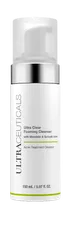
Ultra Clear Foaming Cleanser
Source: From product name
This product works by removing dirt and oil from the surface of the skin. It uses a combination of mild cleansing agents (cocamidopropyl betaine, decyl glucoside, peg-120 methyl glucose dioleate, polysorbate 20, sodium lauroyl lactylate) and should be able to cleanse the skin gently. Still keep in mind that any cleansing can disrupt the skin barrier, and most people do not need to cleanse their skin more than once per day.
Even though this formulation is mild, the following cleansing agents could trigger an irritation or allergy for some people: cocamidopropyl betaine, decyl glucoside
Helps water and oil mix together. Used as a cleansing ingredient. Could be an allergen
Helps oil and water mix together. Can be irritating
Helps oil and water mix together
Helps water and oil mix together
A form of Vitamin E. In concentrations 1-3%, it can help neutralize free radicals in skin and support photodamage repair
Exfoliation
This product can help exfoliate the skin. In other words, it helps break down the bonds between dead cells on the surface of the skin and speed up the skin turnover. Skin often appears softer and brighter after exfoliation, but overdoing it can result in disrupted skin barrier. The following ingredient is doing the exfoliating job in this product: mandelic acid, salicylic acid.
Used for skin exfoliation. It has an anti-inflammatory and anti-bacterial effect, helps to unclog pores, prevent blemishes and speed up healing of the existing ones. Sometimes referred to as a BHA (beta-hydroxy acid)
Helps shed the upper layer of dead cells from the surface of the skin revealing smoother, brighter skin. It can help to reduce hyperpigmentation. It has anti-bacterial properties, and might help to reduce blemishes, as well as fine lines and wrinkles. It is considered to be gentler than glycolic acid
An exfoliating and moisturizing alpha-hydroxy acid (AHA). Typically causes less irritation than other AHAs, for example, glycolic acid. At high concentrations (about 15%), lactic acid can help reduce lines and wrinkles. Recent studies show that lactic acid can support the "good" bacteria living on skin's surface (healthy skin microbiome)
Helps calm down inflammation in skin and can help reduce itching. Helps to repair the skin barrier and keep skin hydrated
How honest is this product?
| Promise | Can it deliver? |
|---|---|
| Cleansing | |
| Anti-blemish |
Total Promises Fulfilled score: 100/100.
We receive a small commission for purchases made through these links at no cost for you. Thank you for your support! Learn more
Potential irritants
Comedogenic ingredients
No comedogenic ingredients detected
User reviews (0)
Averages from community submissions.
No reviews yet for this product.
Be the first to share your experience!
Tried this product?
Help capture what the ingredient list can't—texture, finish, pilling, scent, and more. Answer what you can, skip the rest.
Takes ~30 seconds.
Reviews are shown in aggregate. No personal details.
| Product | Similarity | Price | Irritancy |
|---|---|---|---|
 Ultraceuticals Ultra Clear Foaming Cleanser | Current | $63.00 | |
 CeraVe Gel Moussant Anti-Imperfections | 80% | - | |
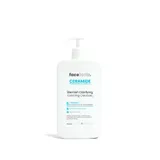
FaceFacts Ceramide Blemish Foaming Cleanser | 75% | - | |
The Perfect V VV Beauty Sheets | 73% | $24.00 | |
Merci Handy Facial Cleansing Gel | 73% | - | |
Kmart 2 in 1 Deep Gel Cleanser and Makeup Eraser - Salicylic Acid & Vitamin B3 | 72% | - |
Key Actives
Is proven to be effective in reducing blemishes, evening out skin tone and helping to improve lines and wrinkles. It helps the skin to repair sun damage, calm down inflammation and keep maintain good levels of moisture. The concentration of about 2% is effective for supporting the skin barrier and evening out the skin tone. Concentration of 4-6% is better for helping with acne and balancing the sebum production
Is proven to be effective in reducing blemishes, evening out skin tone and helping to improve lines and wrinkles. It helps the skin to repair sun damage, calm down inflammation and keep maintain good levels of moisture. The concentration of about 2% is effective for supporting the skin barrier and evening out the skin tone. Concentration of 4-6% is better for helping with acne and balancing the sebum production
Helps calm down inflammation in skin and can help reduce itching. Helps to repair the skin barrier and keep skin hydrated
Helps calm down inflammation in skin and can help reduce itching. Helps to repair the skin barrier and keep skin hydrated
Used for skin exfoliation. It has an anti-inflammatory and anti-bacterial effect, helps to unclog pores, prevent blemishes and speed up healing of the existing ones. Sometimes referred to as a BHA (beta-hydroxy acid)
An exfoliating and moisturizing alpha-hydroxy acid (AHA). Typically causes less irritation than other AHAs, for example, glycolic acid. At high concentrations (about 15%), lactic acid can help reduce lines and wrinkles. Recent studies show that lactic acid can support the "good" bacteria living on skin's surface (healthy skin microbiome)
Helps shed the upper layer of dead cells from the surface of the skin revealing smoother, brighter skin. It can help to reduce hyperpigmentation. It has anti-bacterial properties, and might help to reduce blemishes, as well as fine lines and wrinkles. It is considered to be gentler than glycolic acid
An exfoliating and moisturizing alpha-hydroxy acid (AHA). Typically causes less irritation than other AHAs, for example, glycolic acid. At high concentrations (about 15%), lactic acid can help reduce lines and wrinkles. Recent studies show that lactic acid can support the "good" bacteria living on skin's surface (healthy skin microbiome)
Helps shed the upper layer of dead cells from the surface of the skin revealing smoother, brighter skin. It can help to reduce hyperpigmentation. It has anti-bacterial properties, and might help to reduce blemishes, as well as fine lines and wrinkles. It is considered to be gentler than glycolic acid
A form of Vitamin E. In concentrations 1-3%, it can help neutralize free radicals in skin and support photodamage repair
A form of Vitamin E. In concentrations 1-3%, it can help neutralize free radicals in skin and support photodamage repair
Helps oil and water mix together. Can be irritating
Helps water and oil mix together. Used as a cleansing ingredient. Could be an allergen
Naturally present in skin and helps to attract water to its upper layer
Helps water and oil mix together
Helps oil and water mix together. Can be irritating
Helps water and oil mix together. Used as a cleansing ingredient. Could be an allergen
Naturally present in skin and helps to attract water to its upper layer
Helps water and oil mix together
Potential irritants
A plant extract that can help calm down inflammation in skin. Can, however, itself be irritating
Helps water and oil mix together. Used as a cleansing ingredient. Could be an allergen
Helps shed the upper layer of dead cells from the surface of the skin revealing smoother, brighter skin. It can help to reduce hyperpigmentation. It has anti-bacterial properties, and might help to reduce blemishes, as well as fine lines and wrinkles. It is considered to be gentler than glycolic acid
Helps mask the smell of other ingredients and helps preserve the product formulation
An essential oil that can be very irritating. Has some anti-bacterial properties
Used for skin exfoliation. It has an anti-inflammatory and anti-bacterial effect, helps to unclog pores, prevent blemishes and speed up healing of the existing ones. Sometimes referred to as a BHA (beta-hydroxy acid)
An exfoliating and moisturizing alpha-hydroxy acid (AHA). Typically causes less irritation than other AHAs, for example, glycolic acid. At high concentrations (about 15%), lactic acid can help reduce lines and wrinkles. Recent studies show that lactic acid can support the "good" bacteria living on skin's surface (healthy skin microbiome)
Helps preserve products and creates a nice product texture
Comedogenic ingredients
We couldn't find any comedogenic ingredients in this product
All ingredients
A plant extract that can help calm down inflammation in skin. Can, however, itself be irritating
An exfoliating and moisturizing alpha-hydroxy acid (AHA). Typically causes less irritation than other AHAs, for example, glycolic acid. At high concentrations (about 15%), lactic acid can help reduce lines and wrinkles. Recent studies show that lactic acid can support the "good" bacteria living on skin's surface (healthy skin microbiome)
Helps water and oil mix together. Used as a cleansing ingredient. Could be an allergen
Helps shed the upper layer of dead cells from the surface of the skin revealing smoother, brighter skin. It can help to reduce hyperpigmentation. It has anti-bacterial properties, and might help to reduce blemishes, as well as fine lines and wrinkles. It is considered to be gentler than glycolic acid
Helps calm down inflammation in skin and can help reduce itching. Helps to repair the skin barrier and keep skin hydrated
Naturally present in skin and helps to attract water to its upper layer
Is proven to be effective in reducing blemishes, evening out skin tone and helping to improve lines and wrinkles. It helps the skin to repair sun damage, calm down inflammation and keep maintain good levels of moisture. The concentration of about 2% is effective for supporting the skin barrier and evening out the skin tone. Concentration of 4-6% is better for helping with acne and balancing the sebum production
A form of Vitamin E. In concentrations 1-3%, it can help neutralize free radicals in skin and support photodamage repair
Helps preserve products and creates a nice product texture
Helps mask the smell of other ingredients and helps preserve the product formulation
An essential oil that can be very irritating. Has some anti-bacterial properties
A plant extract that can help calm down inflammation in skin. Can, however, itself be irritating
An exfoliating and moisturizing alpha-hydroxy acid (AHA). Typically causes less irritation than other AHAs, for example, glycolic acid. At high concentrations (about 15%), lactic acid can help reduce lines and wrinkles. Recent studies show that lactic acid can support the "good" bacteria living on skin's surface (healthy skin microbiome)
Helps water and oil mix together. Used as a cleansing ingredient. Could be an allergen
Helps shed the upper layer of dead cells from the surface of the skin revealing smoother, brighter skin. It can help to reduce hyperpigmentation. It has anti-bacterial properties, and might help to reduce blemishes, as well as fine lines and wrinkles. It is considered to be gentler than glycolic acid
Used for skin exfoliation. It has an anti-inflammatory and anti-bacterial effect, helps to unclog pores, prevent blemishes and speed up healing of the existing ones. Sometimes referred to as a BHA (beta-hydroxy acid)
Helps calm down inflammation in skin and can help reduce itching. Helps to repair the skin barrier and keep skin hydrated
Naturally present in skin and helps to attract water to its upper layer
Is proven to be effective in reducing blemishes, evening out skin tone and helping to improve lines and wrinkles. It helps the skin to repair sun damage, calm down inflammation and keep maintain good levels of moisture. The concentration of about 2% is effective for supporting the skin barrier and evening out the skin tone. Concentration of 4-6% is better for helping with acne and balancing the sebum production
A form of Vitamin E. In concentrations 1-3%, it can help neutralize free radicals in skin and support photodamage repair
Helps preserve products and creates a nice product texture
Helps mask the smell of other ingredients and helps preserve the product formulation
An essential oil that can be very irritating. Has some anti-bacterial properties
A preservative. It helps prevent bacterial growth in cosmetic products
Used to stabilize mixtures of oil and water, and create thicker, gel-like product textures
Ingredient list view
Water, Polysorbate 20, Methylpropanediol, Decyl glucoside, Peg-120 methyl glucose dioleate, Hamamelis virginiana water, Lactic acid, Cocamidopropyl betaine, Sodium hydroxide, Mandelic acid, Allantoin, Sodium pca, Niacinamide, Disodium lauriminodipropionate tocopheryl phosphates, Caprylyl glycol, Sodium lauroyl lactylate, Disodium edta, Phenylpropanol, Santalum spicata wood oil, Eucalyptus globulus leaf oil, Unknown, Water, Polysorbate 20, Methylpropanediol, Decyl glucoside, Peg-120 methyl glucose dioleate, Hamamelis virginiana water, Lactic acid, Cocamidopropyl betaine, Sodium hydroxide, Mandelic acid, Salicylic acid, Allantoin, Sodium pca, Niacinamide, Disodium lauriminodipropionate tocopheryl phosphates, Caprylyl glycol, Sodium lauroyl lactylate, Disodium edta, Phenylpropanol, Santalum spicata wood oil, Eucalyptus globulus leaf oil, Eugenia caryophyllus bud oil, Phenoxyethanol, Sodium chloride, Dehydroacetic acid, Sodium benzoate, Benzoic acid, Eugenol
- Ecofriendly surfactant is allergen of the year
- Epidermal and dermal effects of topical lactic acid
- Dual Effects of Alpha-Hydroxy Acids on the Skin
- Summary of mandelic acid for the improvement of skin conditions
- Comparative Evaluation of Efficacy and Tolerability of Glycolic Acid, Salicylic Mandelic Acid, and Phytic Acid Combination Peels in Melasma
- Profile of wound healing process induced by allantoin
- Niacinamide - mechanisms of action and its topical use in dermatology
- Gehring, W. (2004). Nicotinic acid/niacinamide and the skin. Journal of Cosmetic Dermatology, 3(2), 88–93. doi:10.1111/j.1473-2130.2004.00115.x
- Salicylic acid as a peeling agent: a comprehensive review
- Beta Hydroxy Acids
- A review of toxicity from topical salicylic acid preparations
- Glycolic Acid Peels Versus Salicylic–Mandelic Acid Peels in Active Acne Vulgaris and Post‐Acne Scarring and Hyperpigmentation: A Comparative Study
- 4 Final Report on the Safety Assessment of Sodium Dehydroacetate and Dehydroacetic Acid