Works for:
based on ingredients and %- Cleansing
- Anti-blemish
Doesn't work for:
based on ingredients and %- Exfoliation
Can it cause trouble?
- Irritation risk: high
- Comedogenic risk ingredients: 1
Key actives

Anti-blemish
This product can help reduce breakouts and clogged pores because it contains the following ingredient: azelaic acid. This ingredient is used for treating acne and can have a noticeable effect.
Is produced by a yeast that lives on normal human skin. It is used in medicine as a topical treatment for mild to moderate acne. It has a mild exfoliating effect. It can also help reduce hyperpigmentation, helps calm down inflammation and can help neutralize free radicals
Cleansing
What does the product description say?
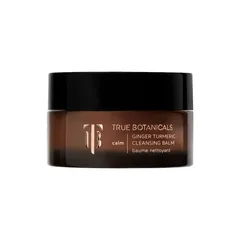
Calm Ginger Turmeric Cleansing Balm
Source: From product name
This product works by removing dirt and oil from the surface of the skin. It uses a combination of mild cleansing agents (cetearyl olivate, polyglyceryl-4 oleate, sorbitan olivate) and should be able to cleanse the skin gently. Still keep in mind that any cleansing can disrupt the skin barrier, and most people do not need to cleanse their skin more than once per day.
Helps oil and water mix together
Helps oil and water mix together
Helps oil and water mix together
Exfoliation
What does the product description say?
3-in-1 cleansing balm to cleanse, exfoliate and hydrate Good for.
Source: Credo Beauty
This product might help exfoliate the skin with azelaic acid, but This ingredient is not the most effective.
Is produced by a yeast that lives on normal human skin. It is used in medicine as a topical treatment for mild to moderate acne. It has a mild exfoliating effect. It can also help reduce hyperpigmentation, helps calm down inflammation and can help neutralize free radicals
An exfoliating and moisturizing alpha-hydroxy acid (AHA). Typically causes less irritation than other AHAs, for example, glycolic acid. At high concentrations (about 15%), lactic acid can help reduce lines and wrinkles. Recent studies show that lactic acid can support the "good" bacteria living on skin's surface (healthy skin microbiome)
How honest is this product?
| Promise | Can it deliver? |
|---|---|
| Cleansing |
Total Promises Fulfilled score: 100/100.
We receive a small commission for purchases made through these links at no cost for you. Thank you for your support! Learn more
Potential irritants
Comedogenic ingredients
User reviews (1)
Averages from community submissions.
How stripping does it feel?
How well does it remove makeup?
How would you describe the foam?
How would you describe the smell?
Tried this product?
Help capture what the ingredient list can't—texture, finish, pilling, scent, and more. Answer what you can, skip the rest.
Takes ~30 seconds.
Reviews are shown in aggregate. No personal details.
Key Actives
Pure form of vitamin E. Can help moisturise and protect the skin from free radicals. Often used to help stabilise other ingredients or the formula itself
Is produced by a yeast that lives on normal human skin. It is used in medicine as a topical treatment for mild to moderate acne. It has a mild exfoliating effect. It can also help reduce hyperpigmentation, helps calm down inflammation and can help neutralize free radicals
An emollient that helps soften the upper layer of the skin. Might have some weak anti-oxidant properties
A plant oil that works as a great moisturizer by softening the upper layer of the skin. Due to the high linoleic acid content, can help reduce inflammation in skin
A great emollient due to its high linoleic acid content. One of the most effective plant oils in helping skin hydration and repairing skin barrier function
An emollient that helps soften the skin and could be helpful in repairing its barrier function
Helps soften the upper layer of the skin
An effective moisturizing and skin barrier repair ingredient. Helps calm down inflammation and has some anti-oxidant properties
Sugar extract that helps attract water to the upper layer of the skin
Potential irritants
An essential oil used for fragrance. Can be an allergen and irritant
An essential oil that is likely to be irritating and can cause photosensitivity
A plant extract that can contain an active compound curcumin, that may have some anti-inflammatory properties when applied to the skin, but solid research is lacking and the typical concentration used in skincare products is too low. Can be an irritant
A plant extract that is used as a fragrance. Can be irritating and lead to photosensitivity
Used as a fragrance. Can be irritating and cause photosensitivity
Oil of a very fragrant pink rose used as fragrance in cosmetics. Extensive research has shown it has mixed benefits. In the pro column, inhaling this flower’s scent seems to have relaxing properties and the plant’s petals contain skin-soothing and antioxidant compounds that can benefit skin. On the flipside, the numerous chemicals that create this rose’s distinctive fragrance pose a risk of causing skin aggravation.
A common frangrance that can easily irritate skin, especially if exposed to air, light or heat
An emollient that helps soften the skin and could be helpful in repairing its barrier function
An emollient that helps soften the upper layer of the skin. Might have some weak anti-oxidant properties
A plant extract that contains small percentage of AHAs. Is unlikely to have any skin benefit due the small concentration of the active compounds
An exfoliating and moisturizing alpha-hydroxy acid (AHA). Typically causes less irritation than other AHAs, for example, glycolic acid. At high concentrations (about 15%), lactic acid can help reduce lines and wrinkles. Recent studies show that lactic acid can support the "good" bacteria living on skin's surface (healthy skin microbiome)
Comedogenic ingredients
An oil from a mixture of different vegetables. Helps soften the upper layer of the skin
All ingredients
A great emollient due to its high linoleic acid content. One of the most effective plant oils in helping skin hydration and repairing skin barrier function
An oil from a mixture of different vegetables. Helps soften the upper layer of the skin
An emollient that helps soften the skin and could be helpful in repairing its barrier function
An essential oil used for fragrance. Can be an allergen and irritant
An emollient that helps soften the upper layer of the skin. Might have some weak anti-oxidant properties
An effective moisturizing and skin barrier repair ingredient. Helps calm down inflammation and has some anti-oxidant properties
A plant oil that works as a great moisturizer by softening the upper layer of the skin. Due to the high linoleic acid content, can help reduce inflammation in skin
An essential oil that is likely to be irritating and can cause photosensitivity
A plant extract that can contain an active compound curcumin, that may have some anti-inflammatory properties when applied to the skin, but solid research is lacking and the typical concentration used in skincare products is too low. Can be an irritant
Sugar extract that helps attract water to the upper layer of the skin
A plant extract that is used as a fragrance. Can be irritating and lead to photosensitivity
Used as a fragrance. Can be irritating and cause photosensitivity
A plant extract that contains small percentage of AHAs. Is unlikely to have any skin benefit due the small concentration of the active compounds
Oil of a very fragrant pink rose used as fragrance in cosmetics. Extensive research has shown it has mixed benefits. In the pro column, inhaling this flower’s scent seems to have relaxing properties and the plant’s petals contain skin-soothing and antioxidant compounds that can benefit skin. On the flipside, the numerous chemicals that create this rose’s distinctive fragrance pose a risk of causing skin aggravation.
Pure form of vitamin E. Can help moisturise and protect the skin from free radicals. Often used to help stabilise other ingredients or the formula itself
Is produced by a yeast that lives on normal human skin. It is used in medicine as a topical treatment for mild to moderate acne. It has a mild exfoliating effect. It can also help reduce hyperpigmentation, helps calm down inflammation and can help neutralize free radicals
An exfoliating and moisturizing alpha-hydroxy acid (AHA). Typically causes less irritation than other AHAs, for example, glycolic acid. At high concentrations (about 15%), lactic acid can help reduce lines and wrinkles. Recent studies show that lactic acid can support the "good" bacteria living on skin's surface (healthy skin microbiome)
A common frangrance that can easily irritate skin, especially if exposed to air, light or heat
Ingredient list view
Helianthus annuus seed oil, Hydrogenated vegetable oil, Polyglyceryl-4 oleate, Persea gratissima oil, Hydrogenated jojoba oil, Cetearyl olivate, Sorbitan olivate, Citrus reticulata peel oil, Argania spinosa kernel oil, Avena sativa kernel oil, Cucumis sativus oil, Zingiber officinale root oil, Vaccinium myrtillus fruit/leaf extract, Curcuma longa root extract, Saccharum officinarum extract, Citrus aurantium dulcis fruit extract, Citrus limon fruit extract, Acer saccharum extract, Rosa damascena extract, Tocopherol, Unknown, Citrus aurantium amara flower oil, Azelaic acid, Lactic acid, Phosphoric acid, Sodium benzoate, Water, Limonene, Geraniol, Linalool
- Effect of Olive and Sunflower Seed Oil on the Adult Skin Barrier: Implications for Neonatal Skin Care
- Topically Applied Sunflower Seed Oil Prevents Invasive Bacterial Infections in Preterm Infants in Egypt
- Effect of topically applied lipids on surfactant-irritated skin
- Impact of topical oils on the skin barrier: possible implications for neonatal health in developing countries
- Natural vegetable fats in the prevention of irritant contact dermatitis
- Safety Assessment of Cucumis sativus (Cucumber)-Derived Ingredients as Used in Cosmetics
- https://www.ncbi.nlm.nih.gov/pubmed/23397724
- Zingiber officinale Rosc. essential oil, a review on its composition and bioactivity
- Vaughn, A. R., Branum, A., & Sivamani, R. K. (2016). Effects of Turmeric (Curcuma longa) on Skin Health: A Systematic Review of the Clinical Evidence. Phytotherapy Research, 30(8), 1243–1264. doi:10.1002/ptr.5640
- Safety Assessment of Citrus Fruit-Derived Ingredients as Used in Cosmetics
- Photosensitivity in children: An approach to diagnosis and management
- Safety Assessment of Citrus-Derived Peel Oils as Used in Cosmetics
- Vitamin E in dermatology
- Vitamin E and Skin Health
- Biological Activities and Safety of Citrus spp. Essential Oils
- Epidermal and dermal effects of topical lactic acid
- Dual Effects of Alpha-Hydroxy Acids on the Skin
- Annex I: Clinical evidence regarding sensitisation to individual fragrance chemicals and to natural extracts