Works for:
based on ingredients and %- Moisturizing
- Anti-aging
Doesn't work for:
based on ingredients and %- Exfoliation
- Evens skin tone
Can it cause trouble?
- Irritation risk: high
- Comedogenic risk ingredients: 0
Key actives

Product Summary
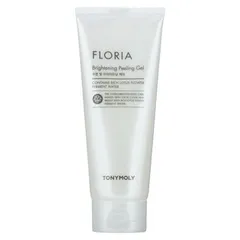
"TONYMOLY - Floria Brightening Peeling Gel" is effective for: Anti-inflammatory and Moisturizing
This product could be helpful for: Anti-aging, but its actives are not the most effective or are not well-studied.
Ingredient callouts
- This product also contains Vitamin C (Ascorbic Acid). It can be an effective active for anti-aging and evening out the skin tone, but in this product it is used for stabilizing other ingredients in the formulation. In this concentration (0.25% - 0.45%) it cannot have a noticeable benefit for the skin.
- In addition, this product contains Allantoin (0.70% - 1.00%). Allantoin is helpful in wound-healing and can help restore the skin barrier faster. It might also be able to improve scars, but the evidence is not very strong for this.
- Humectants (sodium hyaluronate 0.10% - 0.15%, glyceryl acrylate/acrylic acid copolymer 0.15% - 0.25%, sodium acetylated hyaluronate 0.20% - 0.40%, hyaluronic acid 0.25% - 0.45%, urea 0.25% - 0.45%, sodium lactate 0.30% - 0.55%, sodium hyaluronate crosspolymer 0.30% - 0.60%, hydrolyzed hyaluronic acid 0.50% - 0.70% and glycerin 4.60% - 5.60%). These ingredients help attract water to the upper layer of the skin and improve the skin hydration.
About the brand
According to Cruelty-Free Kitty "TONYMOLY" is cruelty free and so is its parent company.
Price
The product retails for 12.95A$ in Australia and for 15.40$ in the United States.
For a detailed price comparison: click here.
Moisturizing
What does the product description say?
Formulated with Rich Lotus Flower Ferment Water to nourish and hydrate skin
Source: Lila Beauty
This product contains good ingredients to attract water to the upper layer of the skin. These ingredients are called "humectants": allantoin, glycerin.
When humectants are on the surface of the skin, they “pull in” the moisture from the outside environment, or from within deeper layers of the skin. If the air is dry, humectants can speed up the moisture loss from the skin. This is why it is a good idea to use another product on top of this one to help "seal in" the moisture (look for ingredients like dimethicone, squalane, oils and butters).
The following ingredients in this product are especially good for supporting the skin barrier and helping with the hydration level: urea
A type of hyaluronic acid that works as an excellent moisturizer by attracting water into the upper layer of the skin. Is typically feels less sticky on the skin compared to the usual hyaluronic acid
One of the best moisturizing ingredients. Attracts water into the upper layer of the skin
Attracts water into the upper layer of the skin
Helps attract water to the upper layer of the skin. Is often used to adjust the pH level of the product
Helps calm down inflammation in skin and can help reduce itching. Helps to repair the skin barrier and keep skin hydrated
One of the best moisturizing ingredients. Naturally present in skin. It attracts water to the upper layer of the skin working as a humectant
Helps attract water to the upper layer of the skin and provide a longer-lasting hydration. Can create a thicker product consistency
One of the best moisturizing ingredients. Attracts water into the upper layer of the skin. Naturally present in skin. Typically has large molecule size unless advertised otherwise on the product label. Helps support skin's barrier function and may help to reduce inflammation
One of the best moisturizing ingredients. Attracts water into the upper layer of the skin. A version of it is naturally present in skin
An amino-acid that helps to attract water to the upper layer of the skin. In combination with other amino-acids, might help to reduce fine lines and wrinkles
Naturally present in skin (urea makes up about 7% of natural moisturizing factors in skin). Attracts water to the upper layer of the skin. Also has a positive effect on the skin barrier beyond the humectant action. Can enhance penetration of other ingredients. Is an exfoliating ingredient when used in high concentrations
Used to preserve products, dissolve other ingredients and create a nice product texture
Helps attract water to the upper layer of the skin and improves the product texture
Consists of 95% calcium carbonate that does not have any effect on the skin. The remaining 5% can include compounds that can help neutralize free radicals and support skin barrier function
Helps oil and water mix together and can enhance the penetration of other ingredients into the skin. It can be irritating
Used to create a nice product texture and help delivery of other ingredients. Might be somewhat helpful in attracting water to the upper layer of the skin
Helps preserve products and creates a nice product texture
An exfoliating and moisturizing alpha-hydroxy acid (AHA). Typically causes less irritation than other AHAs, for example, glycolic acid. At high concentrations (about 15%), lactic acid can help reduce lines and wrinkles. Recent studies show that lactic acid can support the "good" bacteria living on skin's surface (healthy skin microbiome)
Anti-aging
This product contains serine. This ingredient might be able to help reduce and prevent fine lines and wrinkles, improve skin elasticity and firmness, but there is not enough evidence that it actually works.
An amino-acid that helps to attract water to the upper layer of the skin. In combination with other amino-acids, might help to reduce fine lines and wrinkles
One of the best moisturizing ingredients. Attracts water into the upper layer of the skin. Naturally present in skin. Typically has large molecule size unless advertised otherwise on the product label. Helps support skin's barrier function and may help to reduce inflammation
The most well-researched antioxidant that works in skin. Helps neutralize free radicals supporting collagen production, helping to even out the skin tone and preventing early signs of aging
An exfoliating and moisturizing alpha-hydroxy acid (AHA). Typically causes less irritation than other AHAs, for example, glycolic acid. At high concentrations (about 15%), lactic acid can help reduce lines and wrinkles. Recent studies show that lactic acid can support the "good" bacteria living on skin's surface (healthy skin microbiome)
Might be somewhat helpful in protecting elastin in skin and evening skin tone, but good research is lacking. Contains fragrant components and can be irritating.
Evens skin tone
What does the product description say?
Tony Moly Floria Brightening Peeling Gel helps to improve skin texture and skin tone.
Source: Lila Beauty
This product contains ingredients (prunus mume fruit extract) that could help reduce hyperpigmentation (for example, post-acne marks or age spots) in theory, but there is not enough evidence that they actually work.
A plant extract that might have an anti-oxidant effect and help even out skin tone, but solid evidence of effectiveness is lacking
An exfoliating and moisturizing alpha-hydroxy acid (AHA). Typically causes less irritation than other AHAs, for example, glycolic acid. At high concentrations (about 15%), lactic acid can help reduce lines and wrinkles. Recent studies show that lactic acid can support the "good" bacteria living on skin's surface (healthy skin microbiome)
The most well-researched antioxidant that works in skin. Helps neutralize free radicals supporting collagen production, helping to even out the skin tone and preventing early signs of aging
Might be somewhat helpful in protecting elastin in skin and evening skin tone, but good research is lacking. Contains fragrant components and can be irritating.
Exfoliation
What does the product description say?
This peeling gel contains flower and fruit extracts with natural AHA to gently exfoliate skin of dead skin cells that cause a dull complexion.
Source: Yesstyle
This product might help exfoliate the skin with urea, but This ingredient is not the most effective.
Naturally present in skin (urea makes up about 7% of natural moisturizing factors in skin). Attracts water to the upper layer of the skin. Also has a positive effect on the skin barrier beyond the humectant action. Can enhance penetration of other ingredients. Is an exfoliating ingredient when used in high concentrations
Helps calm down inflammation in skin and can help reduce itching. Helps to repair the skin barrier and keep skin hydrated
An exfoliating and moisturizing alpha-hydroxy acid (AHA). Typically causes less irritation than other AHAs, for example, glycolic acid. At high concentrations (about 15%), lactic acid can help reduce lines and wrinkles. Recent studies show that lactic acid can support the "good" bacteria living on skin's surface (healthy skin microbiome)
How honest is this product?
| Promise | Can it deliver? |
|---|---|
| Moisturizing | |
| Exfoliation | |
| Evens skin tone |
Total Promises Fulfilled score: 66/100.
We receive a small commission for purchases made through these links at no cost for you. Thank you for your support! Learn more
Potential irritants
Comedogenic ingredients
No comedogenic ingredients detected
User reviews (0)
Averages from community submissions.
No reviews yet for this product.
Be the first to share your experience!
Tried this product?
Help capture what the ingredient list can't—texture, finish, pilling, scent, and more. Answer what you can, skip the rest.
Takes ~30 seconds.
Reviews are shown in aggregate. No personal details.
Key Actives
Helps calm down inflammation in skin and can help reduce itching. Helps to repair the skin barrier and keep skin hydrated
An exfoliating and moisturizing alpha-hydroxy acid (AHA). Typically causes less irritation than other AHAs, for example, glycolic acid. At high concentrations (about 15%), lactic acid can help reduce lines and wrinkles. Recent studies show that lactic acid can support the "good" bacteria living on skin's surface (healthy skin microbiome)
One of the best moisturizing ingredients. Attracts water into the upper layer of the skin. Naturally present in skin. Typically has large molecule size unless advertised otherwise on the product label. Helps support skin's barrier function and may help to reduce inflammation
An amino-acid that helps to attract water to the upper layer of the skin. In combination with other amino-acids, might help to reduce fine lines and wrinkles
Naturally present in skin (urea makes up about 7% of natural moisturizing factors in skin). Attracts water to the upper layer of the skin. Also has a positive effect on the skin barrier beyond the humectant action. Can enhance penetration of other ingredients. Is an exfoliating ingredient when used in high concentrations
One of the best moisturizing ingredients. Naturally present in skin. It attracts water to the upper layer of the skin working as a humectant
One of the best moisturizing ingredients. Attracts water into the upper layer of the skin. A version of it is naturally present in skin
Attracts water into the upper layer of the skin
Helps attract water to the upper layer of the skin. Is often used to adjust the pH level of the product
A type of hyaluronic acid that works as an excellent moisturizer by attracting water into the upper layer of the skin. Is typically feels less sticky on the skin compared to the usual hyaluronic acid
Helps attract water to the upper layer of the skin and provide a longer-lasting hydration. Can create a thicker product consistency
One of the best moisturizing ingredients. Attracts water into the upper layer of the skin
Potential irritants
Helps oil and water mix together and can enhance the penetration of other ingredients into the skin. It can be irritating
An aromatic blend of unspecified and possibly irritating ingredients
A plant extract. Used as a fragrance. Can be irritating
Might be somewhat helpful in protecting elastin in skin and evening skin tone, but good research is lacking. Contains fragrant components and can be irritating.
The most well-researched antioxidant that works in skin. Helps neutralize free radicals supporting collagen production, helping to even out the skin tone and preventing early signs of aging
Used as a fragrance. Might have some anti-oxidant effect
Used to preserve products, dissolve other ingredients and create a nice product texture
Attracts water into the upper layer of the skin
Helps attract water to the upper layer of the skin. Is often used to adjust the pH level of the product
Helps preserve products and creates a nice product texture
Can work as an exfoliant but is typically used to adjust the product pH
An exfoliating and moisturizing alpha-hydroxy acid (AHA). Typically causes less irritation than other AHAs, for example, glycolic acid. At high concentrations (about 15%), lactic acid can help reduce lines and wrinkles. Recent studies show that lactic acid can support the "good" bacteria living on skin's surface (healthy skin microbiome)
Helps attract water to the upper layer of the skin and provide a longer-lasting hydration. Can create a thicker product consistency
Comedogenic ingredients
We couldn't find any comedogenic ingredients in this product
All ingredients
One of the best moisturizing ingredients. Naturally present in skin. It attracts water to the upper layer of the skin working as a humectant
Helps oil and water mix together and can enhance the penetration of other ingredients into the skin. It can be irritating
Helps create a thicker or gel-like product texture. It is not a surfactant but can be used in gentle cleansing formulations
Used to create a nice product texture and help delivery of other ingredients. Might be somewhat helpful in attracting water to the upper layer of the skin
Helps attract water to the upper layer of the skin and improves the product texture
Helps calm down inflammation in skin and can help reduce itching. Helps to repair the skin barrier and keep skin hydrated
An aromatic blend of unspecified and possibly irritating ingredients
One of the best moisturizing ingredients. Attracts water into the upper layer of the skin. A version of it is naturally present in skin
An amino-acid that helps to attract water to the upper layer of the skin. In combination with other amino-acids, might help to reduce fine lines and wrinkles
Can be used to help absorb oil as well as add volume and imporve texture of products.
Used to preserve products, dissolve other ingredients and create a nice product texture
Attracts water into the upper layer of the skin
Helps attract water to the upper layer of the skin. Is often used to adjust the pH level of the product
Helps preserve products and creates a nice product texture
A plant extract. Used as a fragrance. Can be irritating
A preservative. It helps prevent bacterial growth in cosmetic products
Can work as an exfoliant but is typically used to adjust the product pH
Used to stabilize mixtures of oil and water, and create thicker, gel-like product textures
An exfoliating and moisturizing alpha-hydroxy acid (AHA). Typically causes less irritation than other AHAs, for example, glycolic acid. At high concentrations (about 15%), lactic acid can help reduce lines and wrinkles. Recent studies show that lactic acid can support the "good" bacteria living on skin's surface (healthy skin microbiome)
Might be somewhat helpful in protecting elastin in skin and evening skin tone, but good research is lacking. Contains fragrant components and can be irritating.
Naturally present in skin (urea makes up about 7% of natural moisturizing factors in skin). Attracts water to the upper layer of the skin. Also has a positive effect on the skin barrier beyond the humectant action. Can enhance penetration of other ingredients. Is an exfoliating ingredient when used in high concentrations
The most well-researched antioxidant that works in skin. Helps neutralize free radicals supporting collagen production, helping to even out the skin tone and preventing early signs of aging
One of the best moisturizing ingredients. Attracts water into the upper layer of the skin. Naturally present in skin. Typically has large molecule size unless advertised otherwise on the product label. Helps support skin's barrier function and may help to reduce inflammation
Used as a fragrance. Might have some anti-oxidant effect
A type of hyaluronic acid that works as an excellent moisturizer by attracting water into the upper layer of the skin. Is typically feels less sticky on the skin compared to the usual hyaluronic acid
Consists of 95% calcium carbonate that does not have any effect on the skin. The remaining 5% can include compounds that can help neutralize free radicals and support skin barrier function
Helps attract water to the upper layer of the skin and provide a longer-lasting hydration. Can create a thicker product consistency
Helps to dissolve other ingredients in a formulation. Slows down the rate of product drying
A plant extract that might have an anti-oxidant effect and help even out skin tone, but solid evidence of effectiveness is lacking
One of the best moisturizing ingredients. Attracts water into the upper layer of the skin
Ingredient list view
Water, Glycerin, Quaternium-60, Propylene glycol, Carbomer, Water, Butylene glycol, Sorbitol, 1,2-hexanediol, Allantoin, Disodium edta, Parfum, Hydrolyzed hyaluronic acid, Serine, Cellulose, Pentylene glycol, Syringa vulgaris extract, Sodium hyaluronate crosspolymer, Sodium lactate, Caprylyl glycol, Bellis perennis flower extract, Hydroxypropyltrimonium hyaluronate, Lilium candidum flower extract, Nelumbo nucifera flower extract, Phenoxyethanol, Saccharomyces/nelumbo nucifera ferment extract filtrate, Citric acid, Sodium chloride, Lactic acid, Ethylhexylglycerin, Pvm/ma copolymer, Nelumbo nucifera extract, Rose extract, Urea, Ascorbic acid, Hydroxyacetophenone, Hyaluronic acid, Pearl extract, Methylpropanediol, Chrysanthemum morifolium flower extract, Sodium acetylated hyaluronate, Potassium hyaluronate, Pearl powder, Glyceryl acrylate/acrylic acid copolymer, Dipropylene glycol, Prunus mume fruit extract, Sodium hyaluronate
- Glycerol and the skin: holistic approach to its origin and functions
- Surfactants and experimental irritant contact dermatitis
- Propylene Glycol
- Skin-sensitizing and irritant properties of propylene glycol
- The influence of alkane chain length on the skin irritation potential of 1,2-alkanediols
- Profile of wound healing process induced by allantoin
- Efficacy of a New Topical Nano-hyaluronic Acid in Humans
- Physiochemical properties and application of hyaluronic acid: a systematic review
- Topical palmitoyl pentapeptide provides improvement in photoaged human facial skin
- Epidermal and dermal effects of topical lactic acid
- Dual Effects of Alpha-Hydroxy Acids on the Skin
- Nelumbo nucifera extracts as whitening and anti-wrinkle cosmetic agent
- Topical urea in skincare: A review
- https://www.ncbi.nlm.nih.gov/pmc/articles/PMC6272594/
- Acetylated Hyaluronic Acid: Enhanced Bioavailability and Biological Studies
- Mother of pearl: The power of pearl powder
- Fermented Maesil (Prunus mume) with probiotics inhibits development of atopic dermatitis‐like skin lesions in NC/Nga mice
- Hyaluronic acid: A key molecule in skin aging
- Hyaluronan (Hyaluronic Acid): a natural moisturizer for skin care