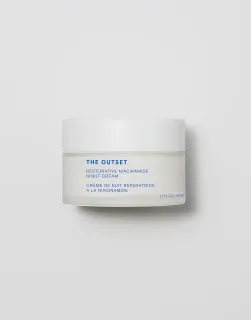
The outset Restorative Niacinamide Night Cream
Works for
3 of 3 advertised claims delivered
Anti-agingBakuchiol, Trifluoroacetyl tripeptide-2 + 2 moreStrong evidence
“Bakuchiol a botanical alternative to retinol that helps improve skin texture, fine lines and wrinkles.”
This product can help reduce and prevent fine lines and wrinkles, improve skin elasticity and firmness because it contains bakuchiol.
These ingredients in the product can also be helpful, even though there is less evidence for their effectiveness: trifluoroacetyl tripeptide-2.
Keep in mind that it typically takes at least 6 weeks to notice any results because the changes that are needed to improve fine lines and elasticity happen in the deeper layers of the skin. No topical anti-aging product can “erase” wrinkles or fully reverse signs of aging.
Evens skin toneBakuchiol, Glycyrrhiza glabra root extract + 1 moreStrong evidence
“Licorice Extract promotes a more even skin tone for a brighter appearance. Full ingredient list”
This product can help reduce hypepigmentation and even out the skin tone because it contains the following effective ingredients: bakuchiol
The following ingredient (ingredients) in this product might be helpful, but there is no evidence to confirm that it actually can help even out the skin tone: glycyrrhiza glabra root extract.
Keep in mind that you would need to apply any topical skincare targetted at hypigmentation consistently for a couple of months to get a result. No topical skincare product can help get rid of hyperpigmentation (including post-acne marks and age spots) instantly.
MoisturizingTrifluoroacetyl tripeptide-2, Sodium hyaluronate + 27 moreStrong evidence
“Restorative Niacinamide Night Cream”
This product can help improve hydration of the skin with the two types of ingredients.
The first type is called “humectants”:
these ingredients help attract water.
When humectants are on the surface of the skin, they “pull in” the moisture from the outside environment, or from
within deeper layers of the skin. The following ingredients in this product do the job:
dextran, glycerin.
This product also contains ingredients called “occlusives”. They help reduce the speed with which our skin loses moisture to the outside environment. These ingredients also help soften the upper layer of the skin, so it feels less tight and nicer to the touch. The following ingredients in this product do the job: caprylic/capric triglyceride, helianthus annuus seed oil.
The following ingredients in this product are especially good for supporting the skin barrier and helping with the hydration level: trifluoroacetyl tripeptide-2
Anti-oxidationNot advertised by the brand · Bakuchiol, Glycyrrhiza glabra root extract + 4 moreStrong evidence
This product contains antioxidants (bakuchiol) that can help neutralize free radicals in skin. By doing so, they can lessen the damage the skin gets from the UV light (sun).
Anti-blemishNot advertised by the brand · Bakuchiol, Oenothera biennis oil + 1 moreGood evidence
This product might be able to help reduce blemishes and clogged pores because it contains bakuchiol.
Can it cause trouble?
Irritancy2 strong irritants: Citrus aurantium dulcis fruit extract, Citrus limon fruit extractMedium risk
Comedogenic4 ingredients rated 2 or more on the 0–5 pore-clogging scale4 flagged


User reviews
Be the first — your take helps the next person decide.
Ingredients
Filter by role to see what each ingredient is doing.
Water~45–55%
Caprylic/capric triglyceride~5.7–7%
- Irritation risk
- Medium
A good mix of fatty acids that forms a protective layer on the skin. Improves the shelf life of products. Derived from coconut and glycerin
More about Caprylic/capric triglycerideCetyl palmitate~4.4–5.4%
- Irritation risk
- Low
An emollient that helps soften the skin and is used to improve product texture and stability
More about Cetyl palmitatePropanediol~3.1–3.8%
- Irritation risk
- Low
Acts as a solvent for other ingredients. Speeds up the absorption of other ingredients into the skin
More about PropanediolHydrogenated sunflower seed oil polyglyceryl-3 esters~2.3–2.8%
- Irritation risk
- Low
Glycerin~2–2.5%
- Irritation risk
- Low
One of the best moisturizing ingredients. Naturally present in skin. It attracts water to the upper layer of the skin working as a humectant
More about GlycerinHelianthus annuus seed oil~1.8–2.1%
- Irritation risk
- Low
A great emollient due to its high linoleic acid content. One of the most effective plant oils in helping skin hydration and repairing skin barrier function
More about Helianthus annuus seed oilMyristyl myristate~1.5–1.9%
- Irritation risk
- Medium
- Comedogenicity
- 3/5
An emollient. Is not recommended for acne-prone skin as it can be comedogenic
More about Myristyl myristateDicaprylyl carbonate~1.2–1.4%
- Irritation risk
- Low
Helps products spread more easily and works as an emollient to soften skin
More about Dicaprylyl carbonateHydrogenated ethylhexyl olivate~0.95–1.15%
- Irritation risk
- Low
Helps soften the upper layer of the skin
More about Hydrogenated ethylhexyl olivateHydrogenated sunflower seed oil glyceryl esters~0.65–0.95%
Oenothera biennis oil~0.6–0.9%
- Irritation risk
- Medium
Helps soften the upper layer of the skin and can support skin barrier function
More about Oenothera biennis oilPentylene glycol~0.55–0.8%
- Irritation risk
- Medium
Used to preserve products, dissolve other ingredients and create a nice product texture
More about Pentylene glycolVitis vinifera seed oil~0.5–0.7%
- Irritation risk
- Medium
A great emollient that can also have anti-oxidant properties
More about Vitis vinifera seed oilHydrogenated vegetable oil~0.45–0.65%
- Irritation risk
- Low
- Comedogenicity
- 2/5
An oil from a mixture of different vegetables. Helps soften the upper layer of the skin
More about Hydrogenated vegetable oilPersea gratissima oil~0.45–0.7%
- Irritation risk
- Medium
An emollient that helps soften the skin and could be helpful in repairing its barrier function
More about Persea gratissima oilNiacinamide~0.35–0.65%
- Irritation risk
- Low
Is proven to be effective in reducing blemishes, evening out skin tone and helping to improve lines and wrinkles. It helps the skin to repair sun damage, calm down inflammation and keep maintain good levels of moisture. The concentration of about 2% is effective for supporting the skin barrier and evening out the skin tone. Concentration of 4-6% is better for helping with acne and balancing the sebum production
More about NiacinamideCassia angustifolia seed polysaccharide~0.3–0.55%
- Irritation risk
- Medium
Helps attract water to the upper layer of the skin. Is sometimes referred to as "natural" hyaluronic acid (even though hyaluronic acid is not unnatural and is present in human skin)
More about Cassia angustifolia seed polysaccharideBakuchiol~0.3–0.55%
- Irritation risk
- Medium
A plant extract that is, though different in chemical structure, acts similar to retinoids. First studies show that it can help reduce fine lines and wrinkles, improve skin tone, reduce clogged pores and blemishes, and reduce inflammation. There is no conclusive evidence that bakuchiol is as effective as retinol however. The study that directly compared retinol with bakuchiol used bakuchiol applied twice daily compared to once per day for the retinol. According to this study, bakuchiol is less irritating than retinol. Bakuchiol is extracted from seeds of Babchi plant. Other parts of the plant contain coumarins that could cause allergic and irritant reactions. These compounds should be removed in the extraction process when bakuchiol is produced, but it is a good idea to be cautious and stay away from products that include the Babchi plant extracts other than purified bakuchiol to avoid irritation
More about BakuchiolChamomilla recutita flower extract~0.25–0.5%
- Irritation risk
- High
Plant extract that can have healing and anti-inflammatory properties. It is a potential allergen and can be irritating
More about Chamomilla recutita flower extractCitrus aurantium dulcis fruit extract~0.25–0.45%
- Irritation risk
- High
A plant extract that is used as a fragrance. Can be irritating and lead to photosensitivity
More about Citrus aurantium dulcis fruit extractCitrus limon fruit extract~0.25–0.45%
- Irritation risk
- High
Used as a fragrance. Can be irritating and cause photosensitivity
More about Citrus limon fruit extractSaccharum officinarum extract~0.2–0.4%
- Irritation risk
- Low
Sugar extract that helps attract water to the upper layer of the skin
More about Saccharum officinarum extractDecane~0.25–0.45%
- Irritation risk
- Low
Acer saccharum extract~0.2–0.4%
- Irritation risk
- Medium
A plant extract that contains small percentage of AHAs. Is unlikely to have any skin benefit due the small concentration of the active compounds
More about Acer saccharum extractVaccinium myrtillus fruit/leaf extract~0.2–0.4%
- Irritation risk
- Low
Glycyrrhiza glabra root extract~0.2–0.4%
- Irritation risk
- Medium
A plant extract that can help lighten the skin and calm down inflammation. Might be helpful in neutralizing free radicals
More about Glycyrrhiza glabra root extractGlycine soja oil~0.25–0.45%
- Irritation risk
- Medium
- Comedogenicity
- 2/5
A good emollient that helps soften the skin and helps repair its barrier function. It can clog pores if used in high concentrations.
More about Glycine soja oilHydrogenated olive oil unsaponifiables~0.25–0.45%
- Irritation risk
- Low
Help soften the upper layer of the skin
More about Hydrogenated olive oil unsaponifiablesHydrolyzed jojoba esters~0.25–0.45%
- Irritation risk
- Low
Helps soften the upper layer of the skin
More about Hydrolyzed jojoba estersJojoba esters~0.25–0.5%
- Irritation risk
- Medium
An emollient made of jojoba oil. Helps soften the skin and support its barrier function
More about Jojoba estersSodium hyaluronate~0.25–0.4%
- Irritation risk
- Low
One of the best moisturizing ingredients. Attracts water into the upper layer of the skin
More about Sodium hyaluronatePhenoxyethanol~0.25–0.45%
- Irritation risk
- Low
A preservative. It helps prevent bacterial growth in cosmetic products
More about PhenoxyethanolCetearyl alcohol~0.25–0.5%
- Irritation risk
- Low
- Comedogenicity
- 2/5
A non-drying alcohol. Works as an emollient. Helps water and oil mix together and creates a nice product texture
More about Cetearyl alcoholMicrocrystalline cellulose~0.25–0.5%
Capryloyl glycerin/sebacic acid copolymer~0.25–0.45%
- Irritation risk
- Low
Helps soften the upper layer of the skin
More about Capryloyl glycerin/sebacic acid copolymerSodium stearoyl lactylate~0.25–0.45%
- Irritation risk
- Medium
Helps oil and water mix together
More about Sodium stearoyl lactylateAcacia senegal gum~0.25–0.45%
- Irritation risk
- Medium
Helps mask the small of other ingredients and improve the product texture
More about Acacia senegal gumDiheptyl succinate~0.25–0.45%
- Irritation risk
- Low
Helps to soften the upper layer of the skin and creates a nice product finish on the skin
More about Diheptyl succinateXanthan gum~0.25–0.45%
- Irritation risk
- Low
Used to create a thicker product consistency
More about Xanthan gumCellulose gum~0.25–0.45%
- Irritation risk
- Low
Used to create thicker product consistency and stabilize emulsions
More about Cellulose gumSaccharide isomerate~0.2–0.4%
- Irritation risk
- Low
Helps attract water to the upper layer of the skin
More about Saccharide isomeratePanthenol~0.2–0.4%
- Irritation risk
- Low
Helps attract water to the upper layer of the skin and can help improve skin barrier function
More about PanthenolCaprylyl glycol~0.25–0.45%
- Irritation risk
- Medium
Helps preserve products and creates a nice product texture
More about Caprylyl glycolTocopherol~0.2–0.4%
- Irritation risk
- Low
Pure form of vitamin E. Can help moisturise and protect the skin from free radicals. Often used to help stabilise other ingredients or the formula itself
More about TocopherolTocopheryl acetate~0.2–0.35%
- Irritation risk
- Medium
A more stable but less bio-available form of vitamin E compared to Tocopherol. Might help moisturize and protect the skin from free radicals, but mostly used in low concentrations to stabilize other ingredients.
More about Tocopheryl acetateDextran~0.15–0.3%
- Irritation risk
- Low
Helps attract water to the most upper layer of the skin. Derived from sugar
More about DextranTrifluoroacetyl tripeptide-2~0.15–0.3%
- Irritation risk
- Low
A type of peptide. Peptides are excellent moisturizers and might be able support collagen production reducing fine lines and wrinkles
More about Trifluoroacetyl tripeptide-2Citric acid~0.15–0.25%
- Irritation risk
- Medium
Can work as an exfoliant but is typically used to adjust the product pH
More about Citric acidSodium citrate~0.1–0.15%
- Irritation risk
- Medium
Helps to control the skin's pH level. Maintains the skin's natural film of amino-lactic acids and oils. Helps to preserve products
More about Sodium citrateSodium phytate~0.1–0.15%
Ingredient list view
Water, Caprylic/capric triglyceride, Cetyl palmitate, Propanediol, Hydrogenated sunflower seed oil polyglyceryl-3 esters, Glycerin, Helianthus annuus seed oil, Myristyl myristate, Dicaprylyl carbonate, Hydrogenated ethylhexyl olivate, Hydrogenated sunflower seed oil glyceryl esters, Oenothera biennis oil, Pentylene glycol, Vitis vinifera seed oil, Hydrogenated vegetable oil, Persea gratissima oil, Niacinamide, Cassia angustifolia seed polysaccharide, Bakuchiol, Chamomilla recutita flower extract, Citrus aurantium dulcis fruit extract, Citrus limon fruit extract, Saccharum officinarum extract, Decane, Acer saccharum extract, Vaccinium myrtillus fruit/leaf extract, Glycyrrhiza glabra root extract, Glycine soja oil, Hydrogenated olive oil unsaponifiables, Hydrolyzed jojoba esters, Jojoba esters, Sodium hyaluronate, Phenoxyethanol, Cetearyl alcohol, Microcrystalline cellulose, Capryloyl glycerin/sebacic acid copolymer, Sodium stearoyl lactylate, Acacia senegal gum, Diheptyl succinate, Xanthan gum, Cellulose gum, Saccharide isomerate, Panthenol, Caprylyl glycol, Tocopherol, Tocopheryl acetate, Dextran, Trifluoroacetyl tripeptide-2, Citric acid, Sodium citrate, Sodium phytate
Compare prices
Retailers ranked by price — lowest first.


Worth comparing, line by line.
Match % combines shared ingredients, the first five ingredients, shared actives and hero ingredients, irritancy (lower counts in the alternative's favour), texture and body area. Only products in the same routine step are compared.
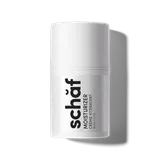
| The outsetRestorative Niacinamide Night CreamYOUR PRODUCT | SchafMoisturizer | TiZOPerfecting Face Cream | 23 years oldBakuchiol A Cream | |
|---|---|---|---|---|
| Match | — | 78% | 74% | 73% |
| Price | $44.00 | — | $80.00+$36.00 | $18.00−$26.00 |
| Shared key ingredients | — | 8 of 20 | 4 of 20 | 5 of 20 |
| Key difference | — | Palmitoyl Tetrapeptide-7 | Tetrahexyldecyl Ascorbate | Adenosine |
| Irritancy | Medium | Low | Low | Medium |
| Drying alcohol | — | — | — | — |
| View product | Shop | Shop | Shop |


Product summary
"The outset - Restorative Niacinamide Night Cream" has a good moisturizing formula. To work well, any moisturizer needs to include a combination of water-binding and emollient ingredients. The outset - Restorative Niacinamide Night Cream ticks this box. Humectants in this product (dextran, glycerin, saccharide isomerate, sodium hyaluronate and caprylyl glycol) help to increase the water content in the upper layer of the skin. (These ingredients do so by "capturing" water molecules from the outside air or from within the deeper layers of the skin). Emollients in this formulation (glycine soja oil, jojoba esters, oenothera biennis oil, vitis vinifera seed oil and caprylic/capric triglyceride) help to reduce the moisture loss from the skin. They also soften the skin surface and relieve the feeling of dryness and tightness.
Ingredient callouts
- Bakuchiol in this moisturizer (the concentration is about 0.30% - 0.55%). Helps fight photodamage (wrinkles, elasticity loss and pigmentation) and can reduce clogged pores and blemishes. Bakuchiol is a compound extracted from a plant Babchi. It acts similar to retinoids, but with less irritation risk.
- We like that this moisturizer contains peptides (trifluoroacetyl tripeptide-2 0.15% - 0.30%). There are many different kind of Peptides and they are naturally present in our skin. They all are a combination of aminoacids. Some of them work as natural antibiotics, promote wound-healing and production of collagen. The science is still not settled on how effective Peptides are in skincare, but it is very likely that they have a benefit. Peptides might help restore the skin barrier and fight the signs of aging. At the very least, Peptides work as humectants: they attract water to the upper layer of the skin and improve its hydration.
Irritation risk
This formulation includes some common irritants, including ingredients that do not provide a benefit for the skin. We assess the overall irritancy of this moisturizer to be medium. For a detailed overview of all potential irritants: click here
You can see the detailed formula review with the breakdown of all actives in the product and the full ingredient list with estimated concentrations in the tables below.
About the brand
According to Cruelty-Free Kitty "The outset" is cruelty free and so is its parent company.
Price
The product retails from 44.00$ up to 941.00$ in the United States.
For a detailed price comparison: click here.
Sources cited in this review
Every concentration estimate and effectiveness label is anchored to one of these 22 studies and safety reviews.
- 1
- 2
- 3
- 4Effect of topically applied lipids on surfactant-irritated skinonlinelibrary.wiley.com
- 5
- 6

Affiliate links · As an Amazon Associate, WIMJ earns from qualifying purchases.