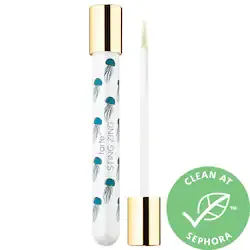
Tarte SEA Sting Zing Plumping Lip Serum

Tarte SEA Sting Zing Plumping Lip Serum

Efficacy100/100IrritancyHigh

Works for

Moisturizing
Palmitoyl tripeptide-1, Caprylic/capric triglyceride + 17 more
Works well
What the product description says
“SEA Sting Zing Plumping Lip Serum”
From product name

This product can help improve hydration of the skin with the two types of ingredients.

The first type is called “humectants”:
these ingredients help attract water. When humectants are on the surface of the skin, they “pull in” the moisture from the outside environment, or from within deeper layers of the skin. The following ingredients in this product do the job: algae extract, sodium hyaluronate.

This product also contains ingredients called “occlusives”. They help reduce the speed with which our skin loses moisture to the outside environment. These ingredients also help soften the upper layer of the skin, so it feels less tight and nicer to the touch. The following ingredients in this product do the job: caprylic/capric triglyceride, cocos nucifera oil.

The following ingredients in this product are especially good for supporting the skin barrier and helping with the hydration level: palmitoyl tripeptide-1

Palmitoyl tripeptide-1Hero· EmollientEffect: HighA type of peptide. Peptides are excellent moisturizers and might be able support collagen production reducing fine lines and wrinkles~0.15–0.65%
Caprylic/capric triglycerideKey active· Emollient, OcclusiveEffect: HighA good mix of fatty acids that forms a protective layer on the skin. Improves the shelf life of products. Derived from coconut and glycerin~23–34%
C12-15 alkyl benzoateKey active· EmollientEffect: MediumEnhances the product texture and makes it more spreadable. Helps reduce water loss from the outer layer of skin. Extands the shelf life by preventing bacteria growth~4.9–7.3%
Oleic/linoleic/linolenic polyglyceridesKey active· EmollientEffect: MediumHelps soften the upper layer of the skin~2.8–4.2%
Ethylhexyl palmitateKey active· EmollientEffect: MediumAn emollient that helps soften the skin and create a nice product texture~1.6–2.4%
Sesamum indicum seed oilKey active· EmollientEffect: HighA good moisturizing plant oil. Due to the high linoleic acid content, it helps soften the upper layer of the skin, reduce water loss and support skin barrier function~0.95–1.4%
Diisostearyl malateKey active· EmollientEffect: MediumHelps to soften the upper layer of the skin~0.5–1.2%
Helianthus annuus seed oilKey active· Emollient, OcclusiveEffect: HighA great emollient due to its high linoleic acid content. One of the most effective plant oils in helping skin hydration and repairing skin barrier function~0.35–0.8%
Passiflora edulis seed oilKey active· EmollientEffect: HighA good emollient helping to soften the skin. Might have some anti-oxidant properties. Adds a fragrance to the product~0.2–0.8%
Cocos nucifera oilKey active· Emollient, OcclusiveEffect: HighAn emollient. Found to be as effective as a moisturizer for dry skin as mineral oil. Could be comedogenic~0.2–0.7%
TrihydroxystearinKey activeEffect: MediumHelps soften the upper layer of the skin and improve the product texture~0.2–0.75%
Algae extractKey active· Humectant, EmollientEffect: HighPlant extract that helps the skin to attract water and make it more smooth for touch. Also shows promise of anti-aging properties, but research is not extensive yet~0.15–0.65%
Sodium hyaluronateKey active· HumectantEffect: HighOne of the best moisturizing ingredients. Attracts water into the upper layer of the skin~0.1–0.45%
Hydrogenated polyisobutene· Emollient, OcclusiveEffect: LowUsed to improve the product consistency and soften the upper layer of the skin~1.5–2.2%
Tribehenin· EmollientEffect: LowUsed to create a thicker product consistency and soften the upper layer of the skin~0.4–0.9%
Caprylyl glycol· Humectant, EmollientEffect: LowHelps preserve products and creates a nice product texture~0.2–0.75%
Butylene glycol· HumectantEffect: LowUsed to create a nice product texture and help delivery of other ingredients. Might be somewhat helpful in attracting water to the upper layer of the skin~0.15–0.6%
TocopherolEffect: Low, below effective dosePure form of vitamin E. Can help moisturise and protect the skin from free radicals. Often used to help stabilise other ingredients or the formula itself~0.15–0.7%
Lactic acidUnder-dosedAn exfoliating and moisturizing alpha-hydroxy acid (AHA). Typically causes less irritation than other AHAs, for example, glycolic acid. At high concentrations (about 15%), lactic acid can help reduce lines and wrinkles. Recent studies show that lactic acid can support the "good" bacteria living on skin's surface (healthy skin microbiome)~0.15–0.65%
Anti-aging
Bakuchiol, Palmitoyl tripeptide-1 + 3 more
Works well
What the product description says
“Loss of Firmness and Elasticity and Fine Lines and Wrinkles Highlighted Ingredients. . Marine Plant Extracts.”
Source: Sephora

This product can help reduce and prevent fine lines and wrinkles, improve skin elasticity and firmness because it contains bakuchiol.

These ingredients in the product can also be helpful, even though there is less evidence for their effectiveness: palmitoyl tripeptide-1.

Keep in mind that it typically takes at least 6 weeks to notice any results because the changes that are needed to improve fine lines and elasticity happen in the deeper layers of the skin. No topical anti-aging product can “erase” wrinkles or fully reverse signs of aging.

BakuchiolKey activeEffect: HighA plant extract that is, though different in chemical structure, acts similar to retinoids. First studies show that it can help reduce fine lines and wrinkles, improve skin tone, reduce clogged pores and blemishes, and reduce inflammation. There is no conclusive evidence that bakuchiol is as effective as retinol however. The study that directly compared retinol with bakuchiol used bakuchiol applied twice daily compared to once per day for the retinol. According to this study, bakuchiol is less irritating than retinol. Bakuchiol is extracted from seeds of Babchi plant. Other parts of the plant contain coumarins that could cause allergic and irritant reactions. These compounds should be removed in the extraction process when bakuchiol is produced, but it is a good idea to be cautious and stay away from products that include the Babchi plant extracts other than purified bakuchiol to avoid irritation~0.4–0.95%
Palmitoyl tripeptide-1Key activeEffect: MediumA type of peptide. Peptides are excellent moisturizers and might be able support collagen production reducing fine lines and wrinkles~0.15–0.65%
Algae extractEffect: LowPlant extract that helps the skin to attract water and make it more smooth for touch. Also shows promise of anti-aging properties, but research is not extensive yet~0.15–0.65%
TocopherolEffect: Low, below effective dosePure form of vitamin E. Can help moisturise and protect the skin from free radicals. Often used to help stabilise other ingredients or the formula itself~0.15–0.7%
Lactic acidUnder-dosedAn exfoliating and moisturizing alpha-hydroxy acid (AHA). Typically causes less irritation than other AHAs, for example, glycolic acid. At high concentrations (about 15%), lactic acid can help reduce lines and wrinkles. Recent studies show that lactic acid can support the "good" bacteria living on skin's surface (healthy skin microbiome)~0.15–0.65%
Anti-oxidation
Side benefit · Bakuchiol, Commiphora mukul resin extract + 1 more
Works well

This product contains antioxidants (bakuchiol) that can help neutralize free radicals in skin. By doing so, they can lessen the damage the skin gets from the UV light (sun).

BakuchiolKey activeEffect: HighA plant extract that is, though different in chemical structure, acts similar to retinoids. First studies show that it can help reduce fine lines and wrinkles, improve skin tone, reduce clogged pores and blemishes, and reduce inflammation. There is no conclusive evidence that bakuchiol is as effective as retinol however. The study that directly compared retinol with bakuchiol used bakuchiol applied twice daily compared to once per day for the retinol. According to this study, bakuchiol is less irritating than retinol. Bakuchiol is extracted from seeds of Babchi plant. Other parts of the plant contain coumarins that could cause allergic and irritant reactions. These compounds should be removed in the extraction process when bakuchiol is produced, but it is a good idea to be cautious and stay away from products that include the Babchi plant extracts other than purified bakuchiol to avoid irritation~0.4–0.95%
Commiphora mukul resin extractEffect: Low, below effective doseA plant extract might be helpful in neutralizing free radicals and reducing inflammation in skin~0.2–0.7%
TocopherolUnder-dosedPure form of vitamin E. Can help moisturise and protect the skin from free radicals. Often used to help stabilise other ingredients or the formula itself~0.15–0.7%

Can it cause trouble?

Irritancy
4 strong irritants: Sorbitan sesquioleate, Vanilla planifolia fruit extract + 2 more — patch-test recommended
High risk
We flagged 16 ingredients with irritancy potential. Severity depends on your sensitivity threshold; the table lists the worst offenders first.
IngredientFunctionIrritationEst. amount
Sorbitan sesquioleateUsed to help oil and water mix together. Can be irritatingHigh~1–1.6%est.
Vanilla planifolia fruit extractA plant extract used as a fragrance. Can be irritatingHigh~0.35–0.8%est.
Glyceryl oleateHelps oil and water mix together. Can be irritatingHigh~0.2–0.8%est.
Passiflora edulis seed oilA good emollient helping to soften the skin. Might have some anti-oxidant properties. Adds a fragrance to the productHigh~0.2–0.8%est.
Commiphora mukul resin extractA plant extract might be helpful in neutralizing free radicals and reducing inflammation in skinHigh~0.2–0.7%est.
Gardenia taitensis flower extractUsed as a fragranceHigh~0.1–0.35%est.
Caprylic/capric triglycerideA good mix of fatty acids that forms a protective layer on the skin. Improves the shelf life of products. Derived from coconut and glycerinMedium~23–34%est.
Pentaerythrityl tetraisostearateUsed to create a thicker product consistencyMedium~3.4–5.1%est.
Vp/eicosene copolymerUsed to improve the product adherence to the skin, for example, to pro-long the protective effect of sunscreens. Can be irritating to very sensitive skinMedium~2–3.1%est.
Polyglyceryl-6 polyricinoleateHelps oil and water mix togetherMedium~0.55–1.25%est.
Diisostearyl malateHelps to soften the upper layer of the skinMedium~0.5–1.2%est.
BakuchiolA plant extract that is, though different in chemical structure, acts similar to retinoids. First studies show that it can help reduce fine lines and wrinkles, improve skin tone, reduce clogged pores and blemishes, and reduce inflammation. There is no conclusive evidence that bakuchiol is as effective as retinol however. The study that directly compared retinol with bakuchiol used bakuchiol applied twice daily compared to once per day for the retinol. According to this study, bakuchiol is less irritating than retinol. Bakuchiol is extracted from seeds of Babchi plant. Other parts of the plant contain coumarins that could cause allergic and irritant reactions. These compounds should be removed in the extraction process when bakuchiol is produced, but it is a good idea to be cautious and stay away from products that include the Babchi plant extracts other than purified bakuchiol to avoid irritationMedium~0.4–0.95%est.
Diethylhexyl syringylidenemalonateUsed to stabilize the product formulationMedium~0.2–0.7%est.
Lactic acidAn exfoliating and moisturizing alpha-hydroxy acid (AHA). Typically causes less irritation than other AHAs, for example, glycolic acid. At high concentrations (about 15%), lactic acid can help reduce lines and wrinkles. Recent studies show that lactic acid can support the "good" bacteria living on skin's surface (healthy skin microbiome)Medium~0.15–0.65%est.
Caprylyl glycolHelps preserve products and creates a nice product textureMedium~0.2–0.75%est.
Hexylene glycolHelps create a more spreadable product textureMedium~0.1–0.35%est.
Comedogenic
3 ingredients rated 2 or more on the 0–5 pore-clogging scale
3 flagged
These ingredients have a comedogenic rating of 2 or more on a 0–5 scale; the table shows each one's rating. In leave-on products they can clog pores in acne-prone skin.
IngredientFunctionRatingEst. amount
Ethylhexyl palmitateAn emollient that helps soften the skin and create a nice product texture3/5~1.6–2.4%est.
Cocos nucifera oilAn emollient. Found to be as effective as a moisturizer for dry skin as mineral oil. Could be comedogenic3/5~0.2–0.7%est.
Algae extractPlant extract that helps the skin to attract water and make it more smooth for touch. Also shows promise of anti-aging properties, but research is not extensive yet3/5~0.15–0.65%est.

User reviews

Would you recommend?
No community reviews yet.

Be the first — your take helps the next person decide.

Ingredients

Filter by role to see what each ingredient is doing.

Caprylic/capric triglyceride~23–34%
Key activeIrritant · medium
Irritation risk
Medium
Works for
Moisturizing

A good mix of fatty acids that forms a protective layer on the skin. Improves the shelf life of products. Derived from coconut and glycerin

More about Caprylic/capric triglyceride
C12-15 alkyl benzoate~4.9–7.3%
Key active
Irritation risk
Low
Works for
Moisturizing

Enhances the product texture and makes it more spreadable. Helps reduce water loss from the outer layer of skin. Extands the shelf life by preventing bacteria growth

More about C12-15 alkyl benzoate
Polyglyceryl-2 isostearate/dimer dilinoleate copolymer~4.5–6.8%
Formula
Pentaerythrityl tetraisostearate~3.4–5.1%
Irritant · medium
Irritation risk
Medium
Works for
Cleansing

Used to create a thicker product consistency

More about Pentaerythrityl tetraisostearate
Oleic/linoleic/linolenic polyglycerides~2.8–4.2%
Key active
Irritation risk
Low
Works for
CleansingMoisturizing

Helps soften the upper layer of the skin

More about Oleic/linoleic/linolenic polyglycerides
Vp/eicosene copolymer~2–3.1%
Irritant · medium
Irritation risk
Medium
Works for
Sun protection

Used to improve the product adherence to the skin, for example, to pro-long the protective effect of sunscreens. Can be irritating to very sensitive skin

More about Vp/eicosene copolymer
Ethylhexyl palmitate~1.6–2.4%
Key activeComedogenic 3/5
Irritation risk
Low
Comedogenicity
3/5
Works for
Moisturizing

An emollient that helps soften the skin and create a nice product texture

More about Ethylhexyl palmitate
Hydrogenated polyisobutene~1.5–2.2%
Formula
Irritation risk
Low
Works for
Moisturizing

Used to improve the product consistency and soften the upper layer of the skin

More about Hydrogenated polyisobutene
Sorbitan sesquioleate~1–1.6%
Irritant · high
Irritation risk
High
Works for
Cleansing

Used to help oil and water mix together. Can be irritating

More about Sorbitan sesquioleate
Sesamum indicum seed oil~0.95–1.4%
Key active
Irritation risk
Low
Works for
Moisturizing

A good moisturizing plant oil. Due to the high linoleic acid content, it helps soften the upper layer of the skin, reduce water loss and support skin barrier function

More about Sesamum indicum seed oil
Polyglyceryl-6 polyricinoleate~0.55–1.25%
Irritant · medium
Irritation risk
Medium
Works for
Cleansing

Helps oil and water mix together

More about Polyglyceryl-6 polyricinoleate
Diisostearyl malate~0.5–1.2%
Key activeIrritant · medium
Irritation risk
Medium
Works for
CleansingMoisturizing

Helps to soften the upper layer of the skin

More about Diisostearyl malate
Benzyl nicotinate~0.4–0.95%
Formula
Silica dimethyl silylate~0.45–1%
Formula
Irritation risk
Low

Used to create a thicker product consistency

More about Silica dimethyl silylate
Bakuchiol~0.4–0.95%
Key activeIrritant · medium
Irritation risk
Medium
Works for
Anti-blemishAnti-inflammatoryAnti-oxidationAnti-agingEvens skin tone

A plant extract that is, though different in chemical structure, acts similar to retinoids. First studies show that it can help reduce fine lines and wrinkles, improve skin tone, reduce clogged pores and blemishes, and reduce inflammation. There is no conclusive evidence that bakuchiol is as effective as retinol however. The study that directly compared retinol with bakuchiol used bakuchiol applied twice daily compared to once per day for the retinol. According to this study, bakuchiol is less irritating than retinol. Bakuchiol is extracted from seeds of Babchi plant. Other parts of the plant contain coumarins that could cause allergic and irritant reactions. These compounds should be removed in the extraction process when bakuchiol is produced, but it is a good idea to be cautious and stay away from products that include the Babchi plant extracts other than purified bakuchiol to avoid irritation

More about Bakuchiol
Vanilla planifolia fruit extract~0.35–0.8%
Irritant · high
Irritation risk
High

A plant extract used as a fragrance. Can be irritating

More about Vanilla planifolia fruit extract
Tribehenin~0.4–0.9%
Formula
Irritation risk
Low
Works for
Moisturizing

Used to create a thicker product consistency and soften the upper layer of the skin

More about Tribehenin
Silica~0.4–1%
Formula
Irritation risk
Low

Used to absorb oil and can temporarily mattify skin

More about Silica
Helianthus annuus seed oil~0.35–0.8%
Key active
Irritation risk
Low
Works for
Moisturizing

A great emollient due to its high linoleic acid content. One of the most effective plant oils in helping skin hydration and repairing skin barrier function

More about Helianthus annuus seed oil
Trihydroxystearin~0.2–0.75%
Key active
Irritation risk
Low
Works for
Moisturizing

Helps soften the upper layer of the skin and improve the product texture

More about Trihydroxystearin
Diethylhexyl syringylidenemalonate~0.2–0.7%
Irritant · medium
Irritation risk
Medium

Used to stabilize the product formulation

More about Diethylhexyl syringylidenemalonate
Tocopherol~0.15–0.7%
Under-dosed
Irritation risk
Low
Works for
Anti-oxidationAnti-agingMoisturizingAnti-inflammatory

Pure form of vitamin E. Can help moisturise and protect the skin from free radicals. Often used to help stabilise other ingredients or the formula itself

More about Tocopherol
Capsicum frutescens resin~0.2–0.75%
Formula
Sorbitan isostearate~0.15–0.7%
Formula
Irritation risk
Low
Works for
Cleansing

Helps oil and water mix together

More about Sorbitan isostearate
Water~0.15–0.65%
Formula
Irritation risk
Low

Plain old water

More about Water
Glyceryl oleate~0.2–0.8%
Irritant · high
Irritation risk
High
Works for
Cleansing

Helps oil and water mix together. Can be irritating

More about Glyceryl oleate
Passiflora edulis seed oil~0.2–0.8%
Key activeIrritant · high
Irritation risk
High
Works for
Moisturizing

A good emollient helping to soften the skin. Might have some anti-oxidant properties. Adds a fragrance to the product

More about Passiflora edulis seed oil
Polybutene~0.15–0.7%
Formula
Irritation risk
Low

Used to create a thicker product consistency

More about Polybutene
Cocos nucifera oil~0.2–0.7%
Key activeComedogenic 3/5
Irritation risk
Low
Comedogenicity
3/5
Works for
Moisturizing

An emollient. Found to be as effective as a moisturizer for dry skin as mineral oil. Could be comedogenic

More about Cocos nucifera oil
Lactic acid~0.15–0.65%
Under-dosedIrritant · medium
Irritation risk
Medium
Works for
ExfoliationMoisturizingEvens skin toneAnti-aging

An exfoliating and moisturizing alpha-hydroxy acid (AHA). Typically causes less irritation than other AHAs, for example, glycolic acid. At high concentrations (about 15%), lactic acid can help reduce lines and wrinkles. Recent studies show that lactic acid can support the "good" bacteria living on skin's surface (healthy skin microbiome)

More about Lactic acid
Butylene glycol~0.15–0.6%
Formula
Irritation risk
Low
Works for
Moisturizing

Used to create a nice product texture and help delivery of other ingredients. Might be somewhat helpful in attracting water to the upper layer of the skin

More about Butylene glycol
Commiphora mukul resin extract~0.2–0.7%
Irritant · high
Irritation risk
High
Works for
Anti-oxidationAnti-inflammatory

A plant extract might be helpful in neutralizing free radicals and reducing inflammation in skin

More about Commiphora mukul resin extract
Caprylyl glycol~0.2–0.75%
Irritant · medium
Irritation risk
Medium
Works for
Moisturizing

Helps preserve products and creates a nice product texture

More about Caprylyl glycol
Phenoxyethanol~0.1–0.5%
Formula
Irritation risk
Low

A preservative. It helps prevent bacterial growth in cosmetic products

More about Phenoxyethanol
Palmitoyl tripeptide-1~0.15–0.65%
Hero · Moisturizing
Irritation risk
Low
Works for
MoisturizingAnti-aging

A type of peptide. Peptides are excellent moisturizers and might be able support collagen production reducing fine lines and wrinkles

More about Palmitoyl tripeptide-1
Sodium hyaluronate~0.1–0.45%
Key active
Irritation risk
Low
Works for
Moisturizing

One of the best moisturizing ingredients. Attracts water into the upper layer of the skin

More about Sodium hyaluronate
Hexylene glycol~0.1–0.35%
Irritant · medium
Irritation risk
Medium
Works for
Cleansing

Helps create a more spreadable product texture

More about Hexylene glycol
Algae extract~0.15–0.65%
Key activeComedogenic 3/5
Irritation risk
Low
Comedogenicity
3/5
Works for
MoisturizingAnti-aging

Plant extract that helps the skin to attract water and make it more smooth for touch. Also shows promise of anti-aging properties, but research is not extensive yet

More about Algae extract
Gardenia taitensis flower extract~0.1–0.35%
Irritant · high
Irritation risk
High

Used as a fragrance

More about Gardenia taitensis flower extract
Ingredient list view

Caprylic/capric triglyceride, C12-15 alkyl benzoate, Polyglyceryl-2 isostearate/dimer dilinoleate copolymer, Pentaerythrityl tetraisostearate, Oleic/linoleic/linolenic polyglycerides, Vp/eicosene copolymer, Ethylhexyl palmitate, Hydrogenated polyisobutene, Sorbitan sesquioleate, Sesamum indicum seed oil, Polyglyceryl-6 polyricinoleate, Diisostearyl malate, Benzyl nicotinate, Silica dimethyl silylate, Bakuchiol, Vanilla planifolia fruit extract, Tribehenin, Silica, Helianthus annuus seed oil, Trihydroxystearin, Diethylhexyl syringylidenemalonate, Tocopherol, Capsicum frutescens resin, Sorbitan isostearate, Water, Glyceryl oleate, Passiflora edulis seed oil, Polybutene, Cocos nucifera oil, Lactic acid, Butylene glycol, Commiphora mukul resin extract, Caprylyl glycol, Phenoxyethanol, Palmitoyl tripeptide-1, Sodium hyaluronate, Hexylene glycol, Algae extract, Gardenia taitensis flower extract

Compare prices

Retailers ranked by price — lowest first.

Amazon US
Price unavailable Out of stock
Check

Affiliate links · As an Amazon Associate, WIMJ earns from qualifying purchases.

Worth comparing, line by line.

Match % combines shared ingredients, the first five ingredients, shared actives and hero ingredients, irritancy (lower counts in the alternative's favour), texture and body area. Only products in the same routine step are compared.

Side-by-side comparison of this product against its closest alternatives
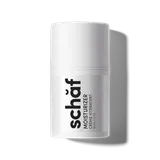
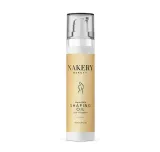
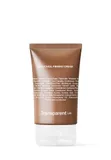
TarteSEA Sting Zing Plumping Lip SerumYOUR PRODUCTSchafMoisturizerNakeryLiquid Silk Shaping OilTransparent LabBAKUCHIOL FIRMING CREAM Firming Facial Cream
Match—72%69%69%
Price—$79.00——
Shared key ingredients—5 of 96 of 93 of 9
Key difference—NiacinamideVitamin CCeramide Ng
Irritancy High Low High Low
Drying alcohol————
View product Shop Shop Shop

More alternatives: Arencia Retinal Booster ShotMATTER OF FACT Maximalist Age-Defying Moisturizer

Cheaper alternatives? Browse formulas in the same category.
We compare ingredient profiles across our catalog — pick the closest match for your budget.
Open dupe finder

Sources cited in this review

Every concentration estimate and effectiveness label is anchored to one of these 23 studies and safety reviews.

  1. 1
  2. 2
  3. 3
  4. 4
  5. 5
  6. 6
Tarte SEA Sting Zing Plumping Lip Serum
TarteSEA Sting Zing Plumping Lip Serum

Affiliate links · As an Amazon Associate, WIMJ earns from qualifying purchases.

As an Amazon Associate, WIMJ earns from qualifying purchases.