Works for:
based on ingredients and %- Cleansing
Doesn't work for:
based on ingredients and %- Exfoliation
Can it cause trouble?
- Irritation risk: medium
- Comedogenic risk ingredients: 0
Key actives

Cleansing
What does the product description say?
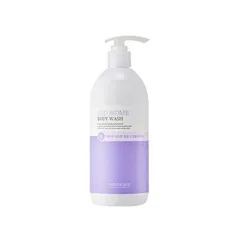
Pro Biome Body Wash
Source: From product name
This product works by removing dirt and oil from the surface of the skin. It uses a combination of mild cleansing agents (c12-13 pareth-9, coco-betaine, coco-glucoside, disodium coco-glucoside citrate, lauryl hydroxysultaine, sodium c14-16 olefin sulfonate) and should be able to cleanse the skin gently. Still keep in mind that any cleansing can disrupt the skin barrier, and most people do not need to cleanse their skin more than once per day.
Even though this formulation is mild, the following cleansing agents could trigger an irritation or allergy for some people: coco-betaine, coco-glucoside, sodium c14-16 olefin sulfonate
Helps oil and water mix together and works as a cleansing agent. Can be allergenic
Used as a cleansing agent (surfactant) in cleansers. Helps water and oil mix together in lotions. Can be irritating
Helps oil and water mix together and used as a cleansing agent. Can be irritating and is better avoided for sensitive skin
Exfoliation
What does the product description say?
13% Rice Bran Water, Rice Powder and Walnut Shell Extract to nourish and gently exfoliate, leaving a clean, soft and supple skin.
Source: Yesstyle
This product might help exfoliate the skin with lactobacillus/pumpkin ferment extract, but This ingredient is not the most effective.
An enzyme-based exfoliant
How honest is this product?
| Promise | Can it deliver? |
|---|---|
| Cleansing | |
| Exfoliation |
Total Promises Fulfilled score: 75/100.
We receive a small commission for purchases made through these links at no cost for you. Thank you for your support! Learn more
Potential irritants
Comedogenic ingredients
No comedogenic ingredients detected
User reviews (0)
Averages from community submissions.
No reviews yet for this product.
Be the first to share your experience!
Tried this product?
Help capture what the ingredient list can't—texture, finish, pilling, scent, and more. Answer what you can, skip the rest.
Takes ~30 seconds.
Reviews are shown in aggregate. No personal details.
Key Actives
A plant extract that has been shown to be able to reduce inflammation in skin, support restoration of skin barrier function, as well as support collagen production. Contains active compounds called centelloids: asiaticoside, madecasosside, asiatic acid and madecassic acid. Might be helpful in preventing stretch marks. It can be itself be irritating though.
A fermentation product created by bacteria Lactobacillus. The fermented product has anti-bacterial properties and might be helpful in calming down inflammation, but studies are lacking. Helps attract water to the upper layer of the skin. Can be used as a preservative
Consists of remains of dead bacteria cells. Is likely helpful in attracting water to the upper layer of the skin. Might be helpful in reducing inflammation and neutralizing free radicals in skin
An antioxidant that is typically derived from plant Centella Asiatica. It can help neutralize free radicals in skin and support skin barrier function. It could, however, itself be irritating. It is often unstable in formulations
Consists of remains of dead yeast bacteria cells. Helps to hydrate the skin and reduce irritation. Might has some anti-oxidant effect
Helps attract water to the upper layer of the skin and can help improve skin barrier function
Helps oil and water mix together and used as a cleansing agent. Can be irritating and is better avoided for sensitive skin
Helps oil and water mix together and works as a cleansing agent. Can be allergenic
Used as a cleansing agent (surfactant) in cleansers. Helps water and oil mix together in lotions. Can be irritating
One of the best moisturizing ingredients. Naturally present in skin. It attracts water to the upper layer of the skin working as a humectant
Potential irritants
Helps oil and water mix together and used as a cleansing agent. Can be irritating and is better avoided for sensitive skin
Helps oil and water mix together and works as a cleansing agent. Can be allergenic
Used as a cleansing agent (surfactant) in cleansers. Helps water and oil mix together in lotions. Can be irritating
An aromatic blend of unspecified and possibly irritating ingredients
Used to stabilize product formulation, help create an even product layer over skin (for example, in sunscreen) and create a thicker product consistency
Can work as an exfoliant but is typically used to adjust the product pH
A plant extract that has been shown to be able to reduce inflammation in skin, support restoration of skin barrier function, as well as support collagen production. Contains active compounds called centelloids: asiaticoside, madecasosside, asiatic acid and madecassic acid. Might be helpful in preventing stretch marks. It can be itself be irritating though.
A preservative that comes from radishes fermented by a bacteria. New research suggests that the preservation properties in the ingredient come from an ammonium salt that is not present naturally in radish root but used in its cultivation. Is problematic because the exact amount of the preservative agents is difficult to determine
An antioxidant that is typically derived from plant Centella Asiatica. It can help neutralize free radicals in skin and support skin barrier function. It could, however, itself be irritating. It is often unstable in formulations
Comedogenic ingredients
We couldn't find any comedogenic ingredients in this product
All ingredients
Might be somewhat helpful for attracting water to the upper layer of the skin
Helps oil and water mix together and used as a cleansing agent. Can be irritating and is better avoided for sensitive skin
Used to stabilize product formulation, help create an even product layer over skin (for example, in sunscreen) and create a thicker product consistency
Helps oil and water mix together and works as a cleansing agent. Can be allergenic
Used to stabilize mixtures of oil and water, and create thicker, gel-like product textures
Used to create an even product consistency. Can help boost efficiency of sunscreen filters
Used as a cleansing agent (surfactant) in cleansers. Helps water and oil mix together in lotions. Can be irritating
Helps soften the upper layer of the skin and create a nice product finish
Used to create a nice product texture and help delivery of other ingredients. Might be somewhat helpful in attracting water to the upper layer of the skin
A fermentation product created by bacteria Lactobacillus. The fermented product has anti-bacterial properties and might be helpful in calming down inflammation, but studies are lacking. Helps attract water to the upper layer of the skin. Can be used as a preservative
Can work as an exfoliant but is typically used to adjust the product pH
Helps to dissolve other ingredients in a formulation. Slows down the rate of product drying
One of the best moisturizing ingredients. Naturally present in skin. It attracts water to the upper layer of the skin working as a humectant
Consists of remains of dead yeast bacteria cells. Helps to hydrate the skin and reduce irritation. Might has some anti-oxidant effect
A plant extract that has been shown to be able to reduce inflammation in skin, support restoration of skin barrier function, as well as support collagen production. Contains active compounds called centelloids: asiaticoside, madecasosside, asiatic acid and madecassic acid. Might be helpful in preventing stretch marks. It can be itself be irritating though.
A preservative that comes from radishes fermented by a bacteria. New research suggests that the preservation properties in the ingredient come from an ammonium salt that is not present naturally in radish root but used in its cultivation. Is problematic because the exact amount of the preservative agents is difficult to determine
A fermentation product created by bacteria Lactobacillus out of soybean. The fermented product helps to attract water to the upper layer of the skin and has anti-bacterial properties. It might be helpful in calming down inflammation and could be helpful in evening out skin tone, but studies are lacking
A "broth" with parts of dead cells of lactobacteria. Might be helpful supporting diverse microbiome in skin, but evidence is lacking
Consists of remains of dead bacteria cells. Is likely helpful in attracting water to the upper layer of the skin. Might be helpful in reducing inflammation and neutralizing free radicals in skin
Helps attract water to the upper layer of the skin and can help improve skin barrier function
An antioxidant that is typically derived from plant Centella Asiatica. It can help neutralize free radicals in skin and support skin barrier function. It could, however, itself be irritating. It is often unstable in formulations
An aromatic blend of unspecified and possibly irritating ingredients
Ingredient list view
Water, Oryza sativa bran water, Sodium c14-16 olefin sulfonate, Acrylates copolymer, Juglans regia shell powder, Coco-betaine, 1,2-hexanediol, Tetradecene, C12-13 pareth-9, Hexadecene, Potassium benzoate, Sodium chloride, Lauryl hydroxysultaine, Styrene/acrylates copolymer, Coco-glucoside, Disodium coco-glucoside citrate, Ethylhexylglycerin, Tromethamine, Oryza sativa powder, Polyquaternium-7, Disodium edta, Butylene glycol, Lactobacillus/eriodictyon californicum ferment extract, Lactobacillus/pumpkin ferment extract, Lactobacillus ferment, Benzoic acid, Citric acid, Sodium benzoate, Dipropylene glycol, Glycerin, Fructan, Bifida ferment lysate, Centella asiatica extract, Leuconostoc/radish root ferment filtrate, Lactose, Lactobacillus/soybean ferment extract, Lactobacillus/milk ferment filtrate, Lactobacillus ferment lysate, Lactococcus ferment lysate, Panthenol, Lactobacillus/rice ferment, Madecassoside, Tetrasodium edta, Parfum
- Final Report On the Safety Assessment of Sodium Alpha-Olefin Sulfonates
- Final Report on the Safety Assessment of Acrylates Copolymer and 33 Related Cosmetic Ingredients
- Amended Safety Assessment of Acrylates Copolymers as Used in Cosmetics
- The influence of alkane chain length on the skin irritation potential of 1,2-alkanediols
- Amended Safety Assessment of Acrylates Copolymers as Used in Cosmetics
- In Vitro Assessment of Skin Irritation Potential of Surfactant-based Formulations by Using a 3-D Skin Reconstructed Tissue Model and Cytokine Response
- Allergen of the Year—Alkyl Glucoside
- Safety Assessment of Tromethamine as Used in Cosmetics
- The effect of probiotics on immune regulation, acne, and photoaging
- Comparison of clinical and histological effects between lactobacillus-fermented Chamaecyparis obtusa and tea tree oil for the treatment of acne: an eight-week double-blind randomized controlled split-face study
- Use of Probiotics for Dermal Applications
- Glycerol and the skin: holistic approach to its origin and functions
- Bifidobacterium longumlysate, a new ingredient forreactive skin
- Anti-Inflammatory Effect of Titrated Extract of Centella asiatica in Phthalic Anhydride-Induced Allergic Dermatitis Animal Model
- Centella asiatica in cosmetology
- Triterpene Composition and Bioactivities of Centella asiatica
- Asiaticoside induction for cell-cycle progression, proliferation and collagen synthesis in human dermal fibroblasts
- Assessment report on Centella asiatica (L.) Urban, herba
- Contact dermatitis due to Madecassol
- The Effects of a Standardized Extract of Centella asiatica on Postlaser Resurfacing Wound Healing on the Face: A Split-Face, Double-Blind, Randomized, Placebo-Controlled Trial
- Skin moisturizing effects of panthenol-based formulations
- Safety Assessment of Panthenol, Pantothenic Acid, and Derivatives as Used in Cosmetics
- Centella asiatica in Dermatology: An Overview
- Protective effect of madecassoside on H2O2-induced oxidative stress and autophagy activation in human melanocytes
- Madecassoside, a triterpenoid saponin isolated from Centella asiatica herbs, protects endothelial cells against oxidative stress
- Madecassoside Inhibits Melanin Synthesis by Blocking Ultraviolet-Induced Inflammation
- Contact dermatitis due to Madecassol
- Stability Study of the Active Constituents in the Centella asiatica Extract Formulations