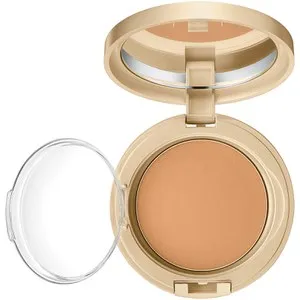
Works for
MoisturizingCaprylic/capric triglyceride, Dimethicone + 3 moreWorks
“With a unique, mouldable texture, the buildable makeup glides effortlessly over skin, minimising the appearance of pores whilst moisturising with its hydrating properties.”
This product can help soften the skin and reduce its moisture loss with emollients and occlusives: caprylic/capric triglyceride, dimethicone.
Keep in mind that this product does not contain effective ingredients to attract water to the upper layer of the skin. This is why an additional product with humectants like glycerin or hyaluronic acid can be helpful (apply it before this product for the best results).
Can it cause trouble?
Irritancy2 flagged ingredientsMedium risk
ComedogenicClean of flagged comedogenic ingredientsNone flagged
User reviews
Be the first — your take helps the next person decide.
Ingredients
Filter by role to see what each ingredient is doing.
Methyl methacrylate crosspolymer~26–31%
- Irritation risk
- Low
Helps thicken the product consistency
More about Methyl methacrylate crosspolymerDimethicone~5.8–7%
- Irritation risk
- Low
A silicone that helps to reduce water loss from the surface of the skin. Can temporarily "fill in" lines and wrinkles, absorb oil, and create a nice product finish
More about DimethiconeHydrogenated polyisobutene~5.4–6.6%
- Irritation risk
- Low
Used to improve the product consistency and soften the upper layer of the skin
More about Hydrogenated polyisobuteneCaprylic/capric triglyceride~4.4–5.4%
- Irritation risk
- Medium
A good mix of fatty acids that forms a protective layer on the skin. Improves the shelf life of products. Derived from coconut and glycerin
More about Caprylic/capric triglycerideDimethicone/vinyl dimethicone crosspolymer~3–3.7%
- Irritation risk
- Low
Used to stabilize product formulations and create a nice product texture
More about Dimethicone/vinyl dimethicone crosspolymerLauroyl lysine~2.2–2.7%
- Irritation risk
- Low
Helps soften the upper layer of the skin and creates a nice product texture
More about Lauroyl lysinePentylene glycol~1.8–2.2%
- Irritation risk
- Medium
Used to preserve products, dissolve other ingredients and create a nice product texture
More about Pentylene glycolAluminum hydroxide~1.6–1.9%
- Irritation risk
- Low
Is used to add opaque (non-transparent) appearance to formulations. Can be used to coat other ingredients for even dispersion. This is a different ingredient compared to the ones used in antipersperants (aluminium chloride and aluminium chlorohydrate)
More about Aluminum hydroxideSilica~1.5–1.9%
Hydroxyapatite~1.3–1.5%
- Irritation risk
- Low
Mica~0.95–1.2%
- Irritation risk
- Low
Creates an illusion of smoother and more radiant skin tone. Adds shimmer to the skin by reflecting light
More about MicaTitanium dioxide~0.9–1.15%
- Irritation risk
- Low
Works as a UV filter when used in high concentrations. It is photostable and is effective mostly against the UVB light, with some protection in the UVA range. In small concentrations, used for its ability to improve the color of cosmetic products. Is usually well tolerated by the skin
More about Titanium dioxideIron oxides~0.55–0.85%
- Irritation risk
- Low
An umbrella term for the following three colorants: CI 77491, CI 77492, CI 77499. They might be able to offer some protection against visible light, but the degree of the protection is not clear
More about Iron oxidesMethyl methacrylate crosspolymer~0.65–1%
- Irritation risk
- Low
Helps thicken the product consistency
More about Methyl methacrylate crosspolymerDimethicone~0.55–0.8%
- Irritation risk
- Low
A silicone that helps to reduce water loss from the surface of the skin. Can temporarily "fill in" lines and wrinkles, absorb oil, and create a nice product finish
More about DimethiconeHydrogenated polyisobutene~0.5–0.75%
- Irritation risk
- Low
Used to improve the product consistency and soften the upper layer of the skin
More about Hydrogenated polyisobuteneCaprylic/capric triglyceride~0.55–0.8%
- Irritation risk
- Medium
A good mix of fatty acids that forms a protective layer on the skin. Improves the shelf life of products. Derived from coconut and glycerin
More about Caprylic/capric triglycerideDimethicone/vinyl dimethicone crosspolymer~0.45–0.65%
- Irritation risk
- Low
Used to stabilize product formulations and create a nice product texture
More about Dimethicone/vinyl dimethicone crosspolymerLauroyl lysine~0.4–0.6%
- Irritation risk
- Low
Helps soften the upper layer of the skin and creates a nice product texture
More about Lauroyl lysinePentylene glycol~0.45–0.7%
- Irritation risk
- Medium
Used to preserve products, dissolve other ingredients and create a nice product texture
More about Pentylene glycolAluminum hydroxide~0.45–0.65%
- Irritation risk
- Low
Is used to add opaque (non-transparent) appearance to formulations. Can be used to coat other ingredients for even dispersion. This is a different ingredient compared to the ones used in antipersperants (aluminium chloride and aluminium chlorohydrate)
More about Aluminum hydroxideSilica~0.5–0.75%
Hydroxyapatite~0.5–0.75%
- Irritation risk
- Low
Mica~0.4–0.6%
- Irritation risk
- Low
Creates an illusion of smoother and more radiant skin tone. Adds shimmer to the skin by reflecting light
More about MicaTitanium dioxide~0.45–0.7%
- Irritation risk
- Low
Works as a UV filter when used in high concentrations. It is photostable and is effective mostly against the UVB light, with some protection in the UVA range. In small concentrations, used for its ability to improve the color of cosmetic products. Is usually well tolerated by the skin
More about Titanium dioxideIron oxides~0.3–0.55%
- Irritation risk
- Low
An umbrella term for the following three colorants: CI 77491, CI 77492, CI 77499. They might be able to offer some protection against visible light, but the degree of the protection is not clear
More about Iron oxidesMethyl methacrylate crosspolymer~0.5–0.75%
- Irritation risk
- Low
Helps thicken the product consistency
More about Methyl methacrylate crosspolymerDimethicone~0.45–0.65%
- Irritation risk
- Low
A silicone that helps to reduce water loss from the surface of the skin. Can temporarily "fill in" lines and wrinkles, absorb oil, and create a nice product finish
More about DimethiconeHydrogenated polyisobutene~0.4–0.65%
- Irritation risk
- Low
Used to improve the product consistency and soften the upper layer of the skin
More about Hydrogenated polyisobuteneCaprylic/capric triglyceride~0.45–0.65%
- Irritation risk
- Medium
A good mix of fatty acids that forms a protective layer on the skin. Improves the shelf life of products. Derived from coconut and glycerin
More about Caprylic/capric triglycerideDimethicone/vinyl dimethicone crosspolymer~0.3–0.55%
- Irritation risk
- Low
Used to stabilize product formulations and create a nice product texture
More about Dimethicone/vinyl dimethicone crosspolymerLauroyl lysine~0.3–0.55%
- Irritation risk
- Low
Helps soften the upper layer of the skin and creates a nice product texture
More about Lauroyl lysinePentylene glycol~0.45–0.65%
- Irritation risk
- Medium
Used to preserve products, dissolve other ingredients and create a nice product texture
More about Pentylene glycolAluminum hydroxide~0.45–0.65%
- Irritation risk
- Low
Is used to add opaque (non-transparent) appearance to formulations. Can be used to coat other ingredients for even dispersion. This is a different ingredient compared to the ones used in antipersperants (aluminium chloride and aluminium chlorohydrate)
More about Aluminum hydroxideSilica~0.5–0.7%
Hydroxyapatite~0.5–0.75%
- Irritation risk
- Low
Mica~0.35–0.65%
- Irritation risk
- Low
Creates an illusion of smoother and more radiant skin tone. Adds shimmer to the skin by reflecting light
More about MicaTitanium dioxide~0.45–0.7%
- Irritation risk
- Low
Works as a UV filter when used in high concentrations. It is photostable and is effective mostly against the UVB light, with some protection in the UVA range. In small concentrations, used for its ability to improve the color of cosmetic products. Is usually well tolerated by the skin
More about Titanium dioxideIron oxides~0.3–0.55%
- Irritation risk
- Low
An umbrella term for the following three colorants: CI 77491, CI 77492, CI 77499. They might be able to offer some protection against visible light, but the degree of the protection is not clear
More about Iron oxidesMethyl methacrylate crosspolymer~0.45–0.7%
- Irritation risk
- Low
Helps thicken the product consistency
More about Methyl methacrylate crosspolymerDimethicone~0.45–0.65%
- Irritation risk
- Low
A silicone that helps to reduce water loss from the surface of the skin. Can temporarily "fill in" lines and wrinkles, absorb oil, and create a nice product finish
More about DimethiconeHydrogenated polyisobutene~0.35–0.65%
- Irritation risk
- Low
Used to improve the product consistency and soften the upper layer of the skin
More about Hydrogenated polyisobuteneCaprylic/capric triglyceride~0.45–0.65%
- Irritation risk
- Medium
A good mix of fatty acids that forms a protective layer on the skin. Improves the shelf life of products. Derived from coconut and glycerin
More about Caprylic/capric triglycerideDimethicone/vinyl dimethicone crosspolymer~0.3–0.5%
- Irritation risk
- Low
Used to stabilize product formulations and create a nice product texture
More about Dimethicone/vinyl dimethicone crosspolymerLauroyl lysine~0.3–0.55%
- Irritation risk
- Low
Helps soften the upper layer of the skin and creates a nice product texture
More about Lauroyl lysinePentylene glycol~0.4–0.6%
- Irritation risk
- Medium
Used to preserve products, dissolve other ingredients and create a nice product texture
More about Pentylene glycolAluminum hydroxide~0.35–0.65%
- Irritation risk
- Low
Is used to add opaque (non-transparent) appearance to formulations. Can be used to coat other ingredients for even dispersion. This is a different ingredient compared to the ones used in antipersperants (aluminium chloride and aluminium chlorohydrate)
More about Aluminum hydroxideSilica~0.4–0.65%
Hydroxyapatite~0.45–0.65%
- Irritation risk
- Low
Mica~0.25–0.45%
- Irritation risk
- Low
Creates an illusion of smoother and more radiant skin tone. Adds shimmer to the skin by reflecting light
More about MicaTitanium dioxide~0.2–0.35%
- Irritation risk
- Low
Works as a UV filter when used in high concentrations. It is photostable and is effective mostly against the UVB light, with some protection in the UVA range. In small concentrations, used for its ability to improve the color of cosmetic products. Is usually well tolerated by the skin
More about Titanium dioxideIron oxides~0.15–0.3%
- Irritation risk
- Low
An umbrella term for the following three colorants: CI 77491, CI 77492, CI 77499. They might be able to offer some protection against visible light, but the degree of the protection is not clear
More about Iron oxidesIngredient list view
Methyl methacrylate crosspolymer, Dimethicone, Hydrogenated polyisobutene, Caprylic/capric triglyceride, Dimethicone/vinyl dimethicone crosspolymer, Lauroyl lysine, Pentylene glycol, Aluminum hydroxide, Silica, Hydroxyapatite, Mica, Titanium dioxide, Iron oxides, Methyl methacrylate crosspolymer, Dimethicone, Hydrogenated polyisobutene, Caprylic/capric triglyceride, Dimethicone/vinyl dimethicone crosspolymer, Lauroyl lysine, Pentylene glycol, Aluminum hydroxide, Silica, Hydroxyapatite, Mica, Titanium dioxide, Iron oxides, Methyl methacrylate crosspolymer, Dimethicone, Hydrogenated polyisobutene, Caprylic/capric triglyceride, Dimethicone/vinyl dimethicone crosspolymer, Lauroyl lysine, Pentylene glycol, Aluminum hydroxide, Silica, Hydroxyapatite, Mica, Titanium dioxide, Iron oxides, Methyl methacrylate crosspolymer, Dimethicone, Hydrogenated polyisobutene, Caprylic/capric triglyceride, Dimethicone/vinyl dimethicone crosspolymer, Lauroyl lysine, Pentylene glycol, Aluminum hydroxide, Silica, Hydroxyapatite, Mica, Titanium dioxide, Iron oxides, Methyl methacrylate crosspolymer, Dimethicone, Hydrogenated polyisobutene, Caprylic/capric triglyceride, Dimethicone/vinyl dimethicone crosspolymer, Lauroyl lysine, Pentylene glycol, Aluminum hydroxide, Silica, Hydroxyapatite, Mica, Titanium dioxide, Iron oxides
Compare prices
Retailers ranked by price — lowest first.
Affiliate links · As an Amazon Associate, WIMJ earns from qualifying purchases.
Worth comparing, line by line.
Match % combines shared ingredients, the first five ingredients, shared actives and hero ingredients, irritancy (lower counts in the alternative's favour), texture and body area. Only products in the same routine step are compared.
| StilaPerfectly Poreless Putty PerfectorYOUR PRODUCT | NeutrogenaClear Coverage Flawless Matte CC Cream | Kerstin FlorianLuminizing CC Creme - Porcelain | Pacifica BeautyUltra CC Cream | |
|---|---|---|---|---|
| Match | — | 38% | 34% | 21% |
| Price | — | $11.95 | $46.70 | — |
| Shared key ingredients | — | 3 of 4 | 2 of 4 | 3 of 4 |
| Key difference | — | Niacinamide | Glycerin | Carthamus Tinctorius Seed Oil |
| Irritancy | Medium | Low | Low | High |
| Drying alcohol | — | — | — | — |
| View product | Shop | Shop | Shop |


Sources cited in this review
Every concentration estimate and effectiveness label is anchored to one of these 4 studies and safety reviews.
- 1
- 2Final Report on the Safety Assessment of Dimethicone Copolyoljournals.sagepub.com
- 3
- 4

Affiliate links · As an Amazon Associate, WIMJ earns from qualifying purchases.