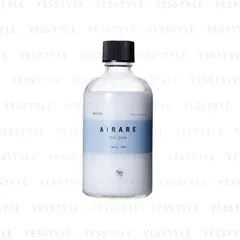
Works for:
based on ingredients and %- Moisturizing
Can it cause trouble?
- Irritation risk: high
- Comedogenic risk ingredients: 1
Key actives


Product Summary
Based on the ingredients included, "Spa Treatment - Airare Milk" works well for moisturizing the skin. As we expect from a proper moisturizer, the formula includes a combo of effective humectants and emollients. These are the two different types of ingredients that are essential for improving the skin hydration and supporting a healthy skin barrier. Butylene glycol in this product (humectants) attract water molecules to the upper layer of the skin (the water comes from the outside air or from the deeper layers of the skin if the air is dry). Ceramide 1, ceramide 2, ceramide 3, phytosphingosine and cholesterol in this product help decrease the water evoporation from the skin, so that it stays hydrated for longer. These ingredients also soften the skin and take away the feeling of tightness and dryness.
Ingredient callouts
- As a plus, this moisturizer also contains Ceramides (phytosphingosine 0.35% - 0.65%, ceramide 3 0.45% - 0.65%, ceramide 2 0.35% - 0.65% and ceramide 1 0.50% - 0.70%). Ceramides are a type of lipids that our skin produces itself. They are a building block of the skin's barrier. Ceramides used in skincare are synthetic or extracted from plants. They work well for softening the skin surface and "patch holes" in the skin's barrier.
Irritation risk
There are some common irritants in this product, including ingredients that do not have benefits for the skin. We assess the overall irritancy of this moisturizer to be high. For a detailed overview of all potential irritants: click here
You can see the detailed formula review with the breakdown of all actives in the product and the full ingredient list with estimated concentrations in the tables below.
Price
The product retails for 33.33$ in the United States.
For a detailed price comparison: click here.
Works for
Moisturizing
What does the product description say?
Moisturizing ingredients such as plant-derived squalane protect your skin from moisture loss.
Source: Yesstyle
This product can help soften the skin and reduce its moisture loss with emollients and occlusives: caprylic/capric triglyceride, simmondsia chinensis seed oil.
Keep in mind that this product does not contain effective ingredients to attract water to the upper layer of the skin. This is why an additional product with humectants like glycerin or hyaluronic acid can be helpful (apply it before this product for the best results).
The following ingredients in this product are especially good for supporting the skin barrier and helping with the hydration level: ceramide 1, ceramide 2, ceramide 3, phytosphingosine
An oil naturally present in skin. Works as an emollient to soften the skin and form a protective layer on its surface without a greasy feeling.
A type of lipid that is naturally present in skin. It might help in repairing skin barrier function and has anti-bacterial effect
Softens the upper layer of skin and helps restore the healthy skin barrier. Has shown to help calm down inflammation in skin. It is a stable oil, meaning that it retains its properties even when exposed to air.
A type of lipid similar to ceramides naturally present in skin. Helps to soften the upper layer of the skin and supports the skin barrier function to keep it hydrated. Can help to prevent inflammation in skin
A type of lipid similar to ceramides naturally present in skin. Helps to soften the upper layer of the skin and supports the skin barrier function to keep it hydrated. Can help to prevent inflammation in skin
A type of lipid similar to ceramides naturally present in skin. Helps to soften the upper layer of the skin and supports the skin barrier function to keep it hydrated. Can help to prevent inflammation in skin
An emollient that is naturally found in skin
Helps soften the upper layer of the skin
A good mix of fatty acids that forms a protective layer on the skin. Improves the shelf life of products. Derived from coconut and glycerin
Used to stabilize the product formulations and works as an emollient
An emollient that helps soften the skin but is not effective for restoring its barrier function. Might be helpful to calm down inflammation
An emollient that softens the skin and forms a protective layer on its surface. Helps water and oil mix together
Used to create a nice product texture and help delivery of other ingredients. Might be somewhat helpful in attracting water to the upper layer of the skin
Traditionally used to treat sunburns, dermatitis and inflammation, but data on its effectiveness is lacking. While the majority of the content is plain water, it can contain some goodies like vitamins, enzymes, minerals, and humectants that help attract water into the skin
Used mostly for creating emulsions - helping oil and water mix together. Helps soften the upper layer of the skin
Might be somewhat helpful in reducing hyperpigmentation and neutralizing free radicals but its typical concentration in a product is too low for having an effect
How honest is this product?
| Promise | Can it deliver? |
|---|---|
| Moisturizing |
Total Promises Fulfilled score: 100/100.
We receive a small commission for purchases made through these links at no cost for you. Thank you for your support! Learn more
Potential irritants
Comedogenic ingredients
User reviews (0)
Averages from community submissions.
No reviews yet for this product.
Be the first to share your experience!
Tried this product?
Help capture what the ingredient list can't—texture, finish, pilling, scent, and more. Answer what you can, skip the rest.
Takes ~30 seconds.
Reviews are shown in aggregate. No personal details.
| Product | Similarity | Price | Irritancy |
|---|---|---|---|
 Spa Treatment Airare Milk | Current | $33.33 | |
 BB LABORATORIES Emollient Lift Cream | 63% | $172.26 | |
Rohto Mentholatum Care Cera AP Face & Body Milk | 59% | $24.34 | |
Meishoku Brilliant Colors Ceracolla Super Moisture Lotion | 59% | $16.40 | |
 Matsuyama Hadauru Moisturizing Emulsion | 56% | $18.10 | |
 To-Plan Okosama Face Cream | 55% | $11.10 |
Key Actives
Can be helpful in reducing inflammation in skin, including inflamed acne. It can be irritating
A type of lipid similar to ceramides naturally present in skin. Helps to soften the upper layer of the skin and supports the skin barrier function to keep it hydrated. Can help to prevent inflammation in skin
A type of lipid similar to ceramides naturally present in skin. Helps to soften the upper layer of the skin and supports the skin barrier function to keep it hydrated. Can help to prevent inflammation in skin
A type of lipid that is naturally present in skin. It might help in repairing skin barrier function and has anti-bacterial effect
A type of lipid similar to ceramides naturally present in skin. Helps to soften the upper layer of the skin and supports the skin barrier function to keep it hydrated. Can help to prevent inflammation in skin
An emollient that is naturally found in skin
Helps soften the upper layer of the skin
An oil naturally present in skin. Works as an emollient to soften the skin and form a protective layer on its surface without a greasy feeling.
A good mix of fatty acids that forms a protective layer on the skin. Improves the shelf life of products. Derived from coconut and glycerin
Softens the upper layer of skin and helps restore the healthy skin barrier. Has shown to help calm down inflammation in skin. It is a stable oil, meaning that it retains its properties even when exposed to air.
Potential irritants
Can be helpful in reducing inflammation in skin, including inflamed acne. It can be irritating
Plant extract that can have healing and anti-inflammatory properties. It is a potential allergen and can be irritating
Can be drying and contribute to skin irritation. Used in formulars to dissolve other ingredients, create a thinner product consistency or for its antibacterial properties
A good mix of fatty acids that forms a protective layer on the skin. Improves the shelf life of products. Derived from coconut and glycerin
Traditionally used to treat sunburns, dermatitis and inflammation, but data on its effectiveness is lacking. While the majority of the content is plain water, it can contain some goodies like vitamins, enzymes, minerals, and humectants that help attract water into the skin
Softens the upper layer of skin and helps restore the healthy skin barrier. Has shown to help calm down inflammation in skin. It is a stable oil, meaning that it retains its properties even when exposed to air.
An emollient that helps soften the skin but is not effective for restoring its barrier function. Might be helpful to calm down inflammation
A plant extract that might have some anti-oxidant properties, but evidence is lacking
Might be somewhat helpful in reducing hyperpigmentation and neutralizing free radicals but its typical concentration in a product is too low for having an effect
Maintains the texture of skincare products. Allows the product to spread evenly. Helps oil and water mix together
Comedogenic ingredients
Used to stabilize the product formulations and works as an emollient
All ingredients
Used to create a nice product texture and help delivery of other ingredients. Might be somewhat helpful in attracting water to the upper layer of the skin
An oil naturally present in skin. Works as an emollient to soften the skin and form a protective layer on its surface without a greasy feeling.
A good mix of fatty acids that forms a protective layer on the skin. Improves the shelf life of products. Derived from coconut and glycerin
Used to stabilize the product formulations and works as an emollient
An emollient that softens the skin and forms a protective layer on its surface. Helps water and oil mix together
Traditionally used to treat sunburns, dermatitis and inflammation, but data on its effectiveness is lacking. While the majority of the content is plain water, it can contain some goodies like vitamins, enzymes, minerals, and humectants that help attract water into the skin
Softens the upper layer of skin and helps restore the healthy skin barrier. Has shown to help calm down inflammation in skin. It is a stable oil, meaning that it retains its properties even when exposed to air.
An emollient that helps soften the skin but is not effective for restoring its barrier function. Might be helpful to calm down inflammation
A plant extract that might have some anti-oxidant properties, but evidence is lacking
Can be helpful in reducing inflammation in skin, including inflamed acne. It can be irritating
Plant extract that can have healing and anti-inflammatory properties. It is a potential allergen and can be irritating
Might be somewhat helpful in reducing hyperpigmentation and neutralizing free radicals but its typical concentration in a product is too low for having an effect
A type of lipid similar to ceramides naturally present in skin. Helps to soften the upper layer of the skin and supports the skin barrier function to keep it hydrated. Can help to prevent inflammation in skin
A type of lipid similar to ceramides naturally present in skin. Helps to soften the upper layer of the skin and supports the skin barrier function to keep it hydrated. Can help to prevent inflammation in skin
A type of lipid similar to ceramides naturally present in skin. Helps to soften the upper layer of the skin and supports the skin barrier function to keep it hydrated. Can help to prevent inflammation in skin
A type of lipid that is naturally present in skin. It might help in repairing skin barrier function and has anti-bacterial effect
Helps create a thicker or gel-like product texture. It is not a surfactant but can be used in gentle cleansing formulations
Used mostly for creating emulsions - helping oil and water mix together. Helps soften the upper layer of the skin
Can be drying and contribute to skin irritation. Used in formulars to dissolve other ingredients, create a thinner product consistency or for its antibacterial properties
Maintains the texture of skincare products. Allows the product to spread evenly. Helps oil and water mix together
A preservative. It helps prevent bacterial growth in cosmetic products
Ingredient list view
Water, Butylene glycol, Triethylhexanoin, Squalane, Caprylic/capric triglyceride, Polysorbate 60, Glyceryl stearate se, Glyceryl stearate, Unknown, Aloe barbadensis leaf water, Simmondsia chinensis seed oil, Olea europaea fruit oil, Unknown, Rosa canina fruit extract, Salvia officinalis leaf extract, Lavandula angustifolia flower extract, Rosmarinus officinalis leaf extract, Chamomilla recutita flower extract, Cucumis sativus fruit extract, Ceramide 1, Ceramide 3, Ceramide 2, Phytosphingosine, Cholesterol, Carbomer, Sodium lauroyl lactylate, Lecithin, Xanthan gum, Alcohol, Potassium hydroxide, Ethylhexylglycerin, Acrylates/c10-30 alkyl acrylate crosspolymer, Phenoxyethanol
- Amended Safety Assessment of Triglycerides as Used in Cosmetics
- Use of “natural” oils for moisturization: Review of olive, coconut, and sunflower seed oil
- Allergic contact dermatitis caused by Salvia officinalis extract
- Evaluation of Skin Irritation and Acute and Subacute Oral Toxicity of Lavandula angustifolia Essential Oils in Rabbit and Mice
- Assessment report on Lavandula angustifolia Mill., aetheroleum and Lavandula angustifolia Mill., flos
- Allergic contact dermatitis induced by rosemary leaf extract in a cleansing gel
- Safety Assessment of Rosmarinus officinalis (Rosemary)-Derived Ingredients as Used in Cosmetics
- Rosmarinus officinalis Extract Suppresses Propionibacterium acnes–Induced Inflammatory Responses
- Topically Applied Ceramides Interact with the Stratum Corneum Lipid Matrix in Compromised Ex Vivo Skin