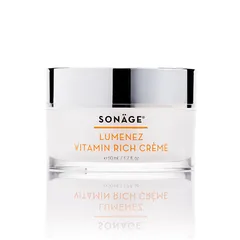
Works for:
based on ingredients and %- Moisturizing
- Anti-oxidation
Doesn't work for:
based on ingredients and %- Anti-aging
Can it cause trouble?
- Irritation risk: high
- Comedogenic risk ingredients: 2
Key actives
Anti-oxidation
This product contains antioxidants (tocopheryl linoleate) that might be able to help neutralize free radicals in skin to lessen the damage it gets from the UV light (sun). There is not enough evidence to confirm their effectiveness in skin though.
A relative of vitamin E (Tocopherol). It can have an anti-oxidant effect in skin and/or to stabilize the product fromulation. It could be irritating but most of the reported allergy and irritation cases appeared in one geographic location (Switzerland) in 1992, and might be due to the quality issues in manufacturing of a particular batch of the ingredient
Helps soften the upper layer of the skin and can support skin barrier function
Helps attract water to the upper layer of the skin, calm down inflammation and irritation, restore the barrier function and support wound healing. It can be helpful in reducing fine lines and wrinkles
A great moisturising ingredient that softens the skin and reduces water loss from its upper layer. It also can be helpful in protecting skin from free radicals
A plant extract that might have some anti-oxidant properties, but research is missing
This oil's cmposition is closest to rapeseed oil. It is a very stable oil and serves as an emoillient
Can contain potent anti-oxidant compounds (abbreviated ECG, GCG, EGC, and EGCG) that might help protect the skin from free radicals. Can help calm down inflammation and has some anti-bacterial properties. Unfortunately, these antioxidants are unstable and lose their effectiveness very quickly in products. The concentration of the antioxidant compounds in the extract also tends to be low to be effective in topical formulation
A more stable but less bio-available form of vitamin E compared to Tocopherol. Might help moisturize and protect the skin from free radicals, but mostly used in low concentrations to stabilize other ingredients.
Being a lipid soluble form of vitamin C, it is more stable and can penetrate the skin better than L-Ascorbic acid. It is effective in protecting the skin from free radicals, as well as evening the skin tone, but is less effective in stimulating collagen production compared to L-Ascorbic acid.
A plant extract that might have some anti-inflammatory properties, but solid evidence is lacking. It can be irritating
Moisturizing
What does the product description say?
Vitamin C & E moisturizer contains antioxidants to visibly improve skin luminosity.
Source: N/A
This product can help improve hydration of the skin with the two types of ingredients.
The first type is called “humectants”:
these ingredients help attract water.
When humectants are on the surface of the skin, they “pull in” the moisture from the outside environment, or from
within deeper layers of the skin. The following ingredients in this product do the job:
glycerin, saccharide isomerate.
This product also contains ingredients called “occlusives”. They help reduce the speed with which our skin loses moisture to the outside environment. These ingredients also help soften the upper layer of the skin, so it feels less tight and nicer to the touch. The following ingredients in this product do the job: butyrospermum parkii butter, limnanthes alba seed oil.
One of the best moisturizing ingredients. Naturally present in skin. It attracts water to the upper layer of the skin working as a humectant
A great moisturising ingredient that softens the skin and reduces water loss from its upper layer. It also can be helpful in protecting skin from free radicals
Helps attract water to the upper layer of the skin, calm down inflammation and irritation, restore the barrier function and support wound healing. It can be helpful in reducing fine lines and wrinkles
This oil's cmposition is closest to rapeseed oil. It is a very stable oil and serves as an emoillient
Helps soften the upper layer of the skin and can support skin barrier function
An emollient that helps soften the skin and could be helpful in repairing its barrier function
Helps soften the upper layer of the skin
Helps attract water to the upper layer of the skin
One of the best moisturizing ingredients. Attracts water into the upper layer of the skin
A non-drying alcohol. Works as an emollient. Helps water and oil mix together and creates a nice product texture
Helps soften upper layer of the skin and can enhance penetration of other ingredients into the upper layer of the skin
Can contain potent anti-oxidant compounds (abbreviated ECG, GCG, EGC, and EGCG) that might help protect the skin from free radicals. Can help calm down inflammation and has some anti-bacterial properties. Unfortunately, these antioxidants are unstable and lose their effectiveness very quickly in products. The concentration of the antioxidant compounds in the extract also tends to be low to be effective in topical formulation
Anti-aging
What does the product description say?
Vitamin C & E moisturizer contains antioxidants to visibly improve skin luminosity.
Source: N/A
This product does not contain ingredients that are able to reduce fine lines and wrinkles or help with skin elasticity, but it can improve the look of the skin temporarily through moisturization. Well-moisturized skin might also be able to repair the sun damage better.These ingredients - beta-glucan, butyrospermum parkii butter - could be helpful for preventing or repairing signs of aging in theory, but there is no evidence that it actually works.
This ingredient tocopheryl linoleate might be able to help neutralize free radicals in skin and help it fight off some of the sun damage.
A great moisturising ingredient that softens the skin and reduces water loss from its upper layer. It also can be helpful in protecting skin from free radicals
Helps attract water to the upper layer of the skin, calm down inflammation and irritation, restore the barrier function and support wound healing. It can be helpful in reducing fine lines and wrinkles
This oil's cmposition is closest to rapeseed oil. It is a very stable oil and serves as an emoillient
Can contain potent anti-oxidant compounds (abbreviated ECG, GCG, EGC, and EGCG) that might help protect the skin from free radicals. Can help calm down inflammation and has some anti-bacterial properties. Unfortunately, these antioxidants are unstable and lose their effectiveness very quickly in products. The concentration of the antioxidant compounds in the extract also tends to be low to be effective in topical formulation
Being a lipid soluble form of vitamin C, it is more stable and can penetrate the skin better than L-Ascorbic acid. It is effective in protecting the skin from free radicals, as well as evening the skin tone, but is less effective in stimulating collagen production compared to L-Ascorbic acid.
How honest is this product?
| Promise | Can it deliver? |
|---|---|
| Moisturizing | |
| Anti-aging |
Total Promises Fulfilled score: 62/100.
We receive a small commission for purchases made through these links at no cost for you. Thank you for your support! Learn more
Affiliate link · supports WIMJ at no cost to you
Potential irritants
Comedogenic ingredients
User reviews (0)
Averages from community submissions.
No reviews yet for this product.
Be the first to share your experience!
Tried this product?
Help capture what the ingredient list can't—texture, finish, pilling, scent, and more. Answer what you can, skip the rest.
Takes ~30 seconds.
Reviews are shown in aggregate. No personal details.
Key Actives
Can contain potent anti-oxidant compounds (abbreviated ECG, GCG, EGC, and EGCG) that might help protect the skin from free radicals. Can help calm down inflammation and has some anti-bacterial properties. Unfortunately, these antioxidants are unstable and lose their effectiveness very quickly in products. The concentration of the antioxidant compounds in the extract also tends to be low to be effective in topical formulation
Helps attract water to the upper layer of the skin, calm down inflammation and irritation, restore the barrier function and support wound healing. It can be helpful in reducing fine lines and wrinkles
Helps soften the upper layer of the skin and can support skin barrier function
A great moisturising ingredient that softens the skin and reduces water loss from its upper layer. It also can be helpful in protecting skin from free radicals
This oil's cmposition is closest to rapeseed oil. It is a very stable oil and serves as an emoillient
Helps soften the upper layer of the skin
An emollient that helps soften the skin and could be helpful in repairing its barrier function
One of the best moisturizing ingredients. Naturally present in skin. It attracts water to the upper layer of the skin working as a humectant
A relative of vitamin E (Tocopherol). It can have an anti-oxidant effect in skin and/or to stabilize the product fromulation. It could be irritating but most of the reported allergy and irritation cases appeared in one geographic location (Switzerland) in 1992, and might be due to the quality issues in manufacturing of a particular batch of the ingredient
One of the best moisturizing ingredients. Attracts water into the upper layer of the skin
Helps attract water to the upper layer of the skin
Potential irritants
A plant extract that might have some anti-inflammatory properties, but solid evidence is lacking. It can be irritating
Used as a fragrance. It can be irritating and cause photosensitivity
An emollient that helps soften the skin and could be helpful in repairing its barrier function
Helps water and oil in the product mix well together and improves product texture
Being a lipid soluble form of vitamin C, it is more stable and can penetrate the skin better than L-Ascorbic acid. It is effective in protecting the skin from free radicals, as well as evening the skin tone, but is less effective in stimulating collagen production compared to L-Ascorbic acid.
A relative of vitamin E (Tocopherol). It can have an anti-oxidant effect in skin and/or to stabilize the product fromulation. It could be irritating but most of the reported allergy and irritation cases appeared in one geographic location (Switzerland) in 1992, and might be due to the quality issues in manufacturing of a particular batch of the ingredient
Helps soften the upper layer of the skin and can support skin barrier function
A more stable but less bio-available form of vitamin E compared to Tocopherol. Might help moisturize and protect the skin from free radicals, but mostly used in low concentrations to stabilize other ingredients.
Used to improve stability of the formulation
Comedogenic ingredients
A great moisturising ingredient that softens the skin and reduces water loss from its upper layer. It also can be helpful in protecting skin from free radicals
A non-drying alcohol. Works as an emollient. Helps water and oil mix together and creates a nice product texture
All ingredients
An emollient that helps soften the skin and could be helpful in repairing its barrier function
A great moisturising ingredient that softens the skin and reduces water loss from its upper layer. It also can be helpful in protecting skin from free radicals
One of the best moisturizing ingredients. Naturally present in skin. It attracts water to the upper layer of the skin working as a humectant
A non-drying alcohol. Works as an emollient. Helps water and oil mix together and creates a nice product texture
Helps water and oil in the product mix well together and improves product texture
Being a lipid soluble form of vitamin C, it is more stable and can penetrate the skin better than L-Ascorbic acid. It is effective in protecting the skin from free radicals, as well as evening the skin tone, but is less effective in stimulating collagen production compared to L-Ascorbic acid.
A relative of vitamin E (Tocopherol). It can have an anti-oxidant effect in skin and/or to stabilize the product fromulation. It could be irritating but most of the reported allergy and irritation cases appeared in one geographic location (Switzerland) in 1992, and might be due to the quality issues in manufacturing of a particular batch of the ingredient
One of the best moisturizing ingredients. Attracts water into the upper layer of the skin
This oil's cmposition is closest to rapeseed oil. It is a very stable oil and serves as an emoillient
Helps soften the upper layer of the skin and can support skin barrier function
A more stable but less bio-available form of vitamin E compared to Tocopherol. Might help moisturize and protect the skin from free radicals, but mostly used in low concentrations to stabilize other ingredients.
A plant extract that might have some anti-inflammatory properties, but solid evidence is lacking. It can be irritating
A plant extract that might have some anti-oxidant properties, but research is missing
Can contain potent anti-oxidant compounds (abbreviated ECG, GCG, EGC, and EGCG) that might help protect the skin from free radicals. Can help calm down inflammation and has some anti-bacterial properties. Unfortunately, these antioxidants are unstable and lose their effectiveness very quickly in products. The concentration of the antioxidant compounds in the extract also tends to be low to be effective in topical formulation
Used as a fragrance. It can be irritating and cause photosensitivity
Helps attract water to the upper layer of the skin, calm down inflammation and irritation, restore the barrier function and support wound healing. It can be helpful in reducing fine lines and wrinkles
Helps soften upper layer of the skin and can enhance penetration of other ingredients into the upper layer of the skin
Used to improve stability of the formulation
Helps create a thicker or gel-like product texture. It is not a surfactant but can be used in gentle cleansing formulations
A preservative. It helps prevent bacterial growth in cosmetic products
Ingredient list view
Water, Prunus amygdalus dulcis seed, Persea gratissima oil, Butyrospermum parkii butter, Glycerin, Cetearyl alcohol, Cetearyl glucoside, Ascorbyl palmitate, Tocopheryl linoleate, Sodium hyaluronate, Limnanthes alba seed oil, Corylus americana seed oil, Oenothera biennis oil, Saccharide isomerate, Tocopheryl acetate, Citrus aurantium dulcis flower extract, Panax ginseng root extract, Cola acuminata seed extract, Rosa damascena flower extract, Camellia sinensis leaf extract, Unknown, Citrus aurantium dulcis oil, Beta-glucan, Cetyl esters, Trisodium ethylenediamine disuccinate, Aminomethyl propanol, Carbomer, Phenoxyethanol, Ethylhexylglycerin
- Glycerol and the skin: holistic approach to its origin and functions
- An Epidemic Outbreak of Papular and Follicular Contact Dermatitis to Tocopheryl Linoleate in Cosmetics. Swiss Contact Dermatitis Research Group
- Safety Assessment of Tocopherols and Tocotrienols as Used in Cosmetics
- Hyaluronic acid: A key molecule in skin aging
- Hyaluronan (Hyaluronic Acid): a natural moisturizer for skin care
- Ginseng in Dermatology: A Review
- Antiaging effects of the mixture of Panax ginseng and Crataegus pinnatifida in human dermal fibroblasts and healthy human skin
- Anticholinesterase and Antioxidative Properties of Aqueous Extract of Cola acuminata Seed In Vitro
- Safety Assessment of Citrus-Derived Peel Oils as Used in Cosmetics
- Oxidized citrus oil (R-limonene): A frequent skin sensitizer in Europe
- Air oxidation increases skin irritation from fragrance terpenes
- β-Glucans: Multi-Functional Modulator of Wound Healing
- Anti-Wrinkle Therapy: Significant New Findings in the Non-Invasive Cosmetic Treatment of Skin Wrinkles with Beta-Glucan
- Skin Health Promotion Effects of Natural Beta-Glucan Derived from Cereals and Microorganisms: A Review
- Anticancer properties of low molecular weight oat beta-glucan – An in vitro study
- A critical review on production and industrial applications 2 of beta-glucans
- Improving skin function with CM-glucan, a biological response modifier from yeast
- Preparation, characterization, and biological properties of β-glucans
- Characterization of a new beta(1-3)-glucan branching activity of Aspergillus fumigatus
- Comparison of skin calming effects of cosmetic products containing 4-t-butylcyclohexanol or acetyl dipeptide-1 cetyl ester on capsaicin-induced facial stinging in volunteers with sensitive skin
- Amended Safety Assessment of Alkyl Esters as Used in Cosmetics