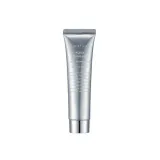
SKKN by Kim Face Cream

SKKN by Kim Face Cream

Efficacy100/100IrritancyMedium

Works for

Anti-aging
Adenosine, Butyrospermum parkii butter + 5 more
Works well
What the product description says
“This moisturizer is clinically proven to hydrate the skin, effectively reduce the appearance of fine lines and wrinkles, and it works to improve skin's firmness, elasticity, and radiance.”
Source: N/A

This product can help reduce and prevent fine lines and wrinkles, improve skin elasticity and firmness because it contains adenosine.

Keep in mind that it typically takes at least 6 weeks to notice any results because the changes that are needed to improve fine lines and elasticity happen in the deeper layers of the skin. No topical anti-aging product can “erase” wrinkles or fully reverse signs of aging.

AdenosineKey activeEffect: HighMight help improve cell turnover and reduce inflammation in skin. One study shows that the ingredients might be able to help reduce dynamic wrinkles (for example, in the corners of the eyes or on the forehead)~0.35–0.65%
Butyrospermum parkii butterEffect: LowA great moisturising ingredient that softens the skin and reduces water loss from its upper layer. It also can be helpful in protecting skin from free radicals~1.7–2.1%
Magnesium aluminum silicateEffect: LowMight be helpful in restoring skin barrier function and, when combined with zinc carbonate and malonic acid, reducing fine lines and wrinkles by stimulating elastin production. Also helps stabilize the product formulation~0.7–1.05%
Lactococcus ferment lysateEffect: LowConsists of remains of dead bacteria cells. Is likely helpful in attracting water to the upper layer of the skin. Might be helpful in reducing inflammation and neutralizing free radicals in skin~0.25–0.4%
Beta-glucanEffect: LowHelps attract water to the upper layer of the skin, calm down inflammation and irritation, restore the barrier function and support wound healing. It can be helpful in reducing fine lines and wrinkles~0.25–0.5%
TocopherolEffect: Low, below effective dosePure form of vitamin E. Can help moisturise and protect the skin from free radicals. Often used to help stabilise other ingredients or the formula itself~0.15–0.25%
Lactic acidUnder-dosedAn exfoliating and moisturizing alpha-hydroxy acid (AHA). Typically causes less irritation than other AHAs, for example, glycolic acid. At high concentrations (about 15%), lactic acid can help reduce lines and wrinkles. Recent studies show that lactic acid can support the "good" bacteria living on skin's surface (healthy skin microbiome)~0.25–0.4%
Moisturizing
Panthenol, Glycerin + 28 more
Works well
What the product description says
“Face Cream”
From product name

This product can help improve hydration of the skin with the two types of ingredients.

The first type is called “humectants”:
these ingredients help attract water. When humectants are on the surface of the skin, they “pull in” the moisture from the outside environment, or from within deeper layers of the skin. The following ingredients in this product do the job: glycerin, sodium acetylated hyaluronate.

This product also contains ingredients called “occlusives”. They help reduce the speed with which our skin loses moisture to the outside environment. These ingredients also help soften the upper layer of the skin, so it feels less tight and nicer to the touch. The following ingredients in this product do the job: butyrospermum parkii butter, cocos nucifera oil.

The following ingredients in this product are especially good for supporting the skin barrier and helping with the hydration level: panthenol

PanthenolHero· HumectantEffect: HighHelps attract water to the upper layer of the skin and can help improve skin barrier function~0.45–0.7%
GlycerinKey active· HumectantEffect: HighOne of the best moisturizing ingredients. Naturally present in skin. It attracts water to the upper layer of the skin working as a humectant~4–4.9%
SqualaneKey active· Emollient, OcclusiveEffect: HighAn oil naturally present in skin. Works as an emollient to soften the skin and form a protective layer on its surface without a greasy feeling.~3.3–4%
Myristyl myristateKey active· Emollient, OcclusiveEffect: HighAn emollient. Is not recommended for acne-prone skin as it can be comedogenic~2.1–2.5%
Butyrospermum parkii butterKey active· Emollient, OcclusiveEffect: HighA great moisturising ingredient that softens the skin and reduces water loss from its upper layer. It also can be helpful in protecting skin from free radicals~1.7–2.1%
Phytosteryl/octyldodecyl lauroyl glutamateKey active· EmollientEffect: HighA mix of amino acids and plant-based lipids. Helps to soften the upper layer of the skin and reduce water loss over time~1.2–1.4%
AdenosineKey activeEffect: MediumMight help improve cell turnover and reduce inflammation in skin. One study shows that the ingredients might be able to help reduce dynamic wrinkles (for example, in the corners of the eyes or on the forehead)~0.35–0.65%
Glycine soja oilKey active· EmollientEffect: HighA good emollient that helps soften the skin and helps repair its barrier function. It can clog pores if used in high concentrations.~0.25–0.45%
Sodium hyaluronateKey active· HumectantEffect: HighOne of the best moisturizing ingredients. Attracts water into the upper layer of the skin~0.25–0.45%
SqualeneKey active· Emollient, OcclusiveEffect: HighAn oil that is naturally part of skin sebum that helps to soften its upper layer, reduce water loss and neutralize free radicals. It might be comedogenic. Avoid applying large concentrations (or pure oil) before sun exposure as oxidized squalene can clog pores and lead to skin irritation. Today squalene is mostly derived from vegetable oils or synthetized by yeast~0.25–0.45%
Beta-glucanKey activeEffect: HighHelps attract water to the upper layer of the skin, calm down inflammation and irritation, restore the barrier function and support wound healing. It can be helpful in reducing fine lines and wrinkles~0.25–0.5%
Lactococcus ferment lysateKey activeEffect: HighConsists of remains of dead bacteria cells. Is likely helpful in attracting water to the upper layer of the skin. Might be helpful in reducing inflammation and neutralizing free radicals in skin~0.25–0.4%
Hydrolyzed sodium hyaluronateKey activeEffect: HighAttracts water into the upper layer of the skin~0.25–0.4%
Sodium acetylated hyaluronateKey active· HumectantEffect: HighA type of hyaluronic acid that works as an excellent moisturizer by attracting water into the upper layer of the skin. Is typically feels less sticky on the skin compared to the usual hyaluronic acid~0.25–0.45%
Polyglycerin-6Key active· HumectantEffect: MediumHelps attract water to the upper layer of the skin~0.25–0.45%
Cetyl palmitateKey active· EmollientEffect: MediumAn emollient that helps soften the skin and is used to improve product texture and stability~0.25–0.5%
Hydrogenated palm oilKey active· EmollientEffect: MediumHelps soften the upper layer of the skin~0.25–0.5%
Cocos nucifera oilKey active· Emollient, OcclusiveEffect: HighAn emollient. Found to be as effective as a moisturizer for dry skin as mineral oil. Could be comedogenic~0.2–0.4%
Sodium hyaluronate crosspolymerKey active· HumectantEffect: HighAttracts water into the upper layer of the skin~0.2–0.4%
Theobroma cacao seed butterKey active· EmollientEffect: HighHelps soften the upper layer of the skin and can be helpful in restoring the skin barrier function. Might have some anti-oxidant effect~0.2–0.35%
Vitis vinifera seed oilKey active· EmollientEffect: HighA great emollient that can also have anti-oxidant properties~0.2–0.35%
Di-c12-15 alkyl fumarate· EmollientEffect: LowUsed to soften the upper layer of the skin and create a nice product texture~6.3–7.6%
Cetyl ethylhexanoate· EmollientEffect: LowAn emollient that helps soften the skin and creates a thicker product texture~2.4–2.9%
Pentylene glycol· EmollientEffect: LowUsed to preserve products, dissolve other ingredients and create a nice product texture~0.3–0.5%
Caprylyl glycol· Humectant, EmollientEffect: LowHelps preserve products and creates a nice product texture~0.3–0.55%
Moringa oleifera seed oil· EmollientEffect: LowA plant oil that helps soften the upper layer of the skin. Is unlikely to be helpful in restoring skin barrier function due to the low content of linoleic acid~0.25–0.5%
C15-19 alkaneEffect: LowHelps soften the upper layer of the skin and create a nice product texture~0.25–0.5%
TocopherolEffect: Low, below effective dosePure form of vitamin E. Can help moisturise and protect the skin from free radicals. Often used to help stabilise other ingredients or the formula itself~0.15–0.25%
Lactic acidUnder-dosedAn exfoliating and moisturizing alpha-hydroxy acid (AHA). Typically causes less irritation than other AHAs, for example, glycolic acid. At high concentrations (about 15%), lactic acid can help reduce lines and wrinkles. Recent studies show that lactic acid can support the "good" bacteria living on skin's surface (healthy skin microbiome)~0.25–0.4%
Prunus armeniaca kernel oilUnder-dosedAn emollient that helps soften the skin~0.25–0.5%
Anti-oxidation
Side benefit · Squalene, Punica granatum extract + 12 more
May help

This product contains antioxidants (punica granatum extract, squalene) that can help neutralize free radicals in skin to lessen the damage it gets from the UV light (sun). There is some human evidence for this effect in skin, though it is smaller or less consistent than the evidence for the best antioxidants.

SqualeneKey activeEffect: MediumAn oil that is naturally part of skin sebum that helps to soften its upper layer, reduce water loss and neutralize free radicals. It might be comedogenic. Avoid applying large concentrations (or pure oil) before sun exposure as oxidized squalene can clog pores and lead to skin irritation. Today squalene is mostly derived from vegetable oils or synthetized by yeast~0.25–0.45%
Punica granatum extractKey activeEffect: MediumA plant extract that can help neutralize free radicals in skin and even out the skin tone, but is typically used in products in a concentration that is too low to be effective~0.25–0.45%
Butyrospermum parkii butterEffect: LowA great moisturising ingredient that softens the skin and reduces water loss from its upper layer. It also can be helpful in protecting skin from free radicals~1.7–2.1%
Phytosteryl/octyldodecyl lauroyl glutamateEffect: LowA mix of amino acids and plant-based lipids. Helps to soften the upper layer of the skin and reduce water loss over time~1.2–1.4%
AdenosineEffect: LowMight help improve cell turnover and reduce inflammation in skin. One study shows that the ingredients might be able to help reduce dynamic wrinkles (for example, in the corners of the eyes or on the forehead)~0.35–0.65%
Medicago sativa extractEffect: LowA plant extract that might help neutralize free radicals in skin~0.25–0.45%
Eclipta prostrata extractEffect: LowA plant extract that might help neutralize free radicals in skin. It can be irritating~0.25–0.45%
Lactococcus ferment lysateEffect: LowConsists of remains of dead bacteria cells. Is likely helpful in attracting water to the upper layer of the skin. Might be helpful in reducing inflammation and neutralizing free radicals in skin~0.25–0.4%
Beta-glucanEffect: LowHelps attract water to the upper layer of the skin, calm down inflammation and irritation, restore the barrier function and support wound healing. It can be helpful in reducing fine lines and wrinkles~0.25–0.5%
Daucus carota sativa root extractEffect: LowCarrot extract. Might have anti-oxidant properties and be used to add orange color~0.25–0.45%
Theobroma cacao seed butterEffect: LowHelps soften the upper layer of the skin and can be helpful in restoring the skin barrier function. Might have some anti-oxidant effect~0.2–0.35%
Vitis vinifera seed oilEffect: LowA great emollient that can also have anti-oxidant properties~0.2–0.35%
Prunus armeniaca kernel oilEffect: Low, below effective doseAn emollient that helps soften the skin~0.25–0.5%
TocopherolUnder-dosedPure form of vitamin E. Can help moisturise and protect the skin from free radicals. Often used to help stabilise other ingredients or the formula itself~0.15–0.25%

Can it cause trouble?

Irritancy
1 strong irritant: Alcohol
Medium risk
We flagged 25 ingredients with irritancy potential. Severity depends on your sensitivity threshold; the table lists the worst offenders first.
IngredientFunctionIrritationEst. amount
AlcoholCan be drying and contribute to skin irritation. Used in formulars to dissolve other ingredients, create a thinner product consistency or for its antibacterial propertiesHigh~0.3–0.6%est.
Eclipta prostrata extractA plant extract that might help neutralize free radicals in skin. It can be irritatingHigh~0.25–0.45%est.
Melia azadirachta leaf extractA plant extract that has anti-bacterial properties. Can be used to preserve the product. Can be irritatingHigh~0.25–0.4%est.
Di-c12-15 alkyl fumarateUsed to soften the upper layer of the skin and create a nice product textureMedium~6.3–7.6%est.
Cetyl ethylhexanoateAn emollient that helps soften the skin and creates a thicker product textureMedium~2.4–2.9%est.
Myristyl myristateAn emollient. Is not recommended for acne-prone skin as it can be comedogenicMedium~2.1–2.5%est.
Steareth-2Helps oil and water mix togetherMedium~0.8–1.2%est.
1,2-hexanediolA preservativeMedium~0.35–0.65%est.
Caprylyl glycolHelps preserve products and creates a nice product textureMedium~0.3–0.55%est.
EthylhexylglycerinA preservativeMedium~0.25–0.45%est.
Glycine soja oilA good emollient that helps soften the skin and helps repair its barrier function. It can clog pores if used in high concentrations.Medium~0.25–0.45%est.
Lactic acidAn exfoliating and moisturizing alpha-hydroxy acid (AHA). Typically causes less irritation than other AHAs, for example, glycolic acid. At high concentrations (about 15%), lactic acid can help reduce lines and wrinkles. Recent studies show that lactic acid can support the "good" bacteria living on skin's surface (healthy skin microbiome)Medium~0.25–0.4%est.
Leuconostoc/radish root ferment filtrateA preservative that comes from radishes fermented by a bacteria. New research suggests that the preservation properties in the ingredient come from an ammonium salt that is not present naturally in radish root but used in its cultivation. Is problematic because the exact amount of the preservative agents is difficult to determineMedium~0.25–0.45%est.
Medicago sativa extractA plant extract that might help neutralize free radicals in skinMedium~0.25–0.45%est.
Moringa oleifera seed oilA plant oil that helps soften the upper layer of the skin. Is unlikely to be helpful in restoring skin barrier function due to the low content of linoleic acidMedium~0.25–0.5%est.
Pentylene glycolUsed to preserve products, dissolve other ingredients and create a nice product textureMedium~0.3–0.5%est.
Polyglycerin-6Helps attract water to the upper layer of the skinMedium~0.25–0.45%est.
Polyglyceryl-6 laurateHelps oil and water mix togetherMedium~0.25–0.5%est.
Prunus armeniaca kernel oilAn emollient that helps soften the skinMedium~0.25–0.5%est.
Punica granatum extractA plant extract that can help neutralize free radicals in skin and even out the skin tone, but is typically used in products in a concentration that is too low to be effectiveMedium~0.25–0.45%est.
Sodium hyaluronate crosspolymerAttracts water into the upper layer of the skinMedium~0.2–0.4%est.
Sorbitan oleateHelps oil and water mix togetherMedium~0.2–0.4%est.
Steareth-21Helps oil and water mix togetherMedium~0.3–0.55%est.
Vitis vinifera seed oilA great emollient that can also have anti-oxidant propertiesMedium~0.2–0.35%est.
ChlorphenesinA preservativeMedium~0.1–0.2%est.
Comedogenic
7 ingredients rated 2 or more on the 0–5 pore-clogging scale
7 flagged
These ingredients have a comedogenic rating of 2 or more on a 0–5 scale; the table shows each one's rating. In leave-on products they can clog pores in acne-prone skin.
IngredientFunctionRatingEst. amount
Myristyl myristateAn emollient. Is not recommended for acne-prone skin as it can be comedogenic3/5~2.1–2.5%est.
Butyrospermum parkii butterA great moisturising ingredient that softens the skin and reduces water loss from its upper layer. It also can be helpful in protecting skin from free radicals3/5~1.7–2.1%est.
Cocos nucifera oilAn emollient. Found to be as effective as a moisturizer for dry skin as mineral oil. Could be comedogenic3/5~0.2–0.4%est.
Theobroma cacao seed butterHelps soften the upper layer of the skin and can be helpful in restoring the skin barrier function. Might have some anti-oxidant effect3/5~0.2–0.35%est.
Glycine soja oilA good emollient that helps soften the skin and helps repair its barrier function. It can clog pores if used in high concentrations.2/5~0.25–0.45%est.
Sorbitan oleateHelps oil and water mix together2/5~0.2–0.4%est.
SqualeneAn oil that is naturally part of skin sebum that helps to soften its upper layer, reduce water loss and neutralize free radicals. It might be comedogenic. Avoid applying large concentrations (or pure oil) before sun exposure as oxidized squalene can clog pores and lead to skin irritation. Today squalene is mostly derived from vegetable oils or synthetized by yeast2/5~0.25–0.45%est.
Did this help you decide?

User reviews

Would you recommend?
No community reviews yet.

Be the first — your take helps the next person decide.

Ingredients

Filter by role to see what each ingredient is doing.

Water~45–55%
Formula
Irritation risk
Low

Plain old water

More about Water
Di-c12-15 alkyl fumarate~6.3–7.6%
Irritant · medium
Irritation risk
Medium
Works for
Moisturizing

Used to soften the upper layer of the skin and create a nice product texture

More about Di-c12-15 alkyl fumarate
Glycerin~4–4.9%
Key active
Irritation risk
Low
Works for
Moisturizing

One of the best moisturizing ingredients. Naturally present in skin. It attracts water to the upper layer of the skin working as a humectant

More about Glycerin
Squalane~3.3–4%
Key active
Irritation risk
Low
Works for
Moisturizing

An oil naturally present in skin. Works as an emollient to soften the skin and form a protective layer on its surface without a greasy feeling.

More about Squalane
Cetyl ethylhexanoate~2.4–2.9%
Irritant · medium
Irritation risk
Medium
Works for
Moisturizing

An emollient that helps soften the skin and creates a thicker product texture

More about Cetyl ethylhexanoate
Myristyl myristate~2.1–2.5%
Key activeComedogenic 3/5Irritant · medium
Irritation risk
Medium
Comedogenicity
3/5
Works for
Moisturizing

An emollient. Is not recommended for acne-prone skin as it can be comedogenic

More about Myristyl myristate
Butyrospermum parkii butter~1.7–2.1%
Key activeComedogenic 3/5
Irritation risk
Low
Comedogenicity
3/5
Works for
MoisturizingAnti-agingAnti-oxidation

A great moisturising ingredient that softens the skin and reduces water loss from its upper layer. It also can be helpful in protecting skin from free radicals

More about Butyrospermum parkii butter
Propanediol~1.4–1.7%
Formula
Irritation risk
Low

Acts as a solvent for other ingredients. Speeds up the absorption of other ingredients into the skin

More about Propanediol
Phytosteryl/octyldodecyl lauroyl glutamate~1.2–1.4%
Key active
Irritation risk
Low
Works for
MoisturizingAnti-oxidation

A mix of amino acids and plant-based lipids. Helps to soften the upper layer of the skin and reduce water loss over time

More about Phytosteryl/octyldodecyl lauroyl glutamate
Steareth-2~0.8–1.2%
Irritant · medium
Irritation risk
Medium
Works for
Cleansing

Helps oil and water mix together

More about Steareth-2
Magnesium aluminum silicate~0.7–1.05%
Formula
Irritation risk
Low
Works for
Anti-aging

Might be helpful in restoring skin barrier function and, when combined with zinc carbonate and malonic acid, reducing fine lines and wrinkles by stimulating elastin production. Also helps stabilize the product formulation

More about Magnesium aluminum silicate
Sodium acrylate/sodium acryloyldimethyl taurate copolymer~0.55–0.85%
Formula
Irritation risk
Low

Used to create a thicker product consistency

More about Sodium acrylate/sodium acryloyldimethyl taurate copolymer
Panthenol~0.45–0.7%
Hero · Moisturizing
Irritation risk
Low
Works for
MoisturizingReduces rednessReduces irritation

Helps attract water to the upper layer of the skin and can help improve skin barrier function

More about Panthenol
Polymethyl methacrylate~0.45–0.7%
Formula
Irritation risk
Low

Is used to enhance product texture and can help to optically mask skin imperfections

More about Polymethyl methacrylate
Synthetic wax~0.45–0.65%
Formula
Irritation risk
Low

Used to stabilize product formulations and thicken product consistency

More about Synthetic wax
1,2-hexanediol~0.35–0.65%
Irritant · medium
Irritation risk
Medium

A preservative

More about 1,2-hexanediol
Adenosine~0.35–0.65%
Key active
Irritation risk
Low
Works for
Anti-agingMoisturizingAnti-oxidation

Might help improve cell turnover and reduce inflammation in skin. One study shows that the ingredients might be able to help reduce dynamic wrinkles (for example, in the corners of the eyes or on the forehead)

More about Adenosine
Alcohol~0.3–0.6%
Irritant · high
Irritation risk
High
Works for
Antibacterial

Can be drying and contribute to skin irritation. Used in formulars to dissolve other ingredients, create a thinner product consistency or for its antibacterial properties

More about Alcohol
Beta-carotene~0.3–0.55%
Formula
Irritation risk
Low

A colorant adding orange or bright yellow color

More about Beta-carotene
Beta-glucan~0.25–0.5%
Key active
Irritation risk
Low
Works for
Anti-inflammatoryReduces irritationMoisturizingAnti-blemishAnti-oxidationAnti-aging

Helps attract water to the upper layer of the skin, calm down inflammation and irritation, restore the barrier function and support wound healing. It can be helpful in reducing fine lines and wrinkles

More about Beta-glucan
C15-19 alkane~0.25–0.5%
Formula
Irritation risk
Low
Works for
Moisturizing

Helps soften the upper layer of the skin and create a nice product texture

More about C15-19 alkane
Caprylyl glycol~0.3–0.55%
Irritant · medium
Irritation risk
Medium
Works for
Moisturizing

Helps preserve products and creates a nice product texture

More about Caprylyl glycol
Cetyl palmitate~0.25–0.5%
Key active
Irritation risk
Low
Works for
Moisturizing

An emollient that helps soften the skin and is used to improve product texture and stability

More about Cetyl palmitate
Cocos nucifera oil~0.2–0.4%
Key activeComedogenic 3/5
Irritation risk
Low
Comedogenicity
3/5
Works for
Moisturizing

An emollient. Found to be as effective as a moisturizer for dry skin as mineral oil. Could be comedogenic

More about Cocos nucifera oil
Daucus carota sativa root extract~0.25–0.45%
Formula
Irritation risk
Low
Works for
Anti-oxidation

Carrot extract. Might have anti-oxidant properties and be used to add orange color

More about Daucus carota sativa root extract
Eclipta prostrata extract~0.25–0.45%
Irritant · high
Irritation risk
High
Works for
Anti-inflammatoryAnti-oxidation

A plant extract that might help neutralize free radicals in skin. It can be irritating

More about Eclipta prostrata extract
Ethylhexylglycerin~0.25–0.45%
Irritant · medium
Irritation risk
Medium

A preservative

More about Ethylhexylglycerin
Glycine soja oil~0.25–0.45%
Key activeComedogenic 2/5Irritant · medium
Irritation risk
Medium
Comedogenicity
2/5
Works for
Moisturizing

A good emollient that helps soften the skin and helps repair its barrier function. It can clog pores if used in high concentrations.

More about Glycine soja oil
Hydrogenated palm oil~0.25–0.5%
Key active
Irritation risk
Low
Works for
CleansingMoisturizing

Helps soften the upper layer of the skin

More about Hydrogenated palm oil
Hydrolyzed sodium hyaluronate~0.25–0.4%
Key active
Irritation risk
Low
Works for
Moisturizing

Attracts water into the upper layer of the skin

More about Hydrolyzed sodium hyaluronate
Lactic acid~0.25–0.4%
Under-dosedIrritant · medium
Irritation risk
Medium
Works for
Evens skin toneExfoliationMoisturizingAnti-aging

An exfoliating and moisturizing alpha-hydroxy acid (AHA). Typically causes less irritation than other AHAs, for example, glycolic acid. At high concentrations (about 15%), lactic acid can help reduce lines and wrinkles. Recent studies show that lactic acid can support the "good" bacteria living on skin's surface (healthy skin microbiome)

More about Lactic acid
Lactococcus ferment lysate~0.25–0.4%
Key active
Irritation risk
Low
Works for
MoisturizingAnti-agingAnti-inflammatoryAnti-oxidation

Consists of remains of dead bacteria cells. Is likely helpful in attracting water to the upper layer of the skin. Might be helpful in reducing inflammation and neutralizing free radicals in skin

More about Lactococcus ferment lysate
Leuconostoc/radish root ferment filtrate~0.25–0.45%
Irritant · medium
Irritation risk
Medium

A preservative that comes from radishes fermented by a bacteria. New research suggests that the preservation properties in the ingredient come from an ammonium salt that is not present naturally in radish root but used in its cultivation. Is problematic because the exact amount of the preservative agents is difficult to determine

More about Leuconostoc/radish root ferment filtrate
Medicago sativa extract~0.25–0.45%
Irritant · medium
Irritation risk
Medium
Works for
Anti-oxidation

A plant extract that might help neutralize free radicals in skin

More about Medicago sativa extract
Melia azadirachta leaf extract~0.25–0.4%
Irritant · high
Irritation risk
High
Works for
AntibacterialAnti-blemish

A plant extract that has anti-bacterial properties. Can be used to preserve the product. Can be irritating

More about Melia azadirachta leaf extract
Moringa oleifera seed oil~0.25–0.5%
Irritant · medium
Irritation risk
Medium
Works for
Moisturizing

A plant oil that helps soften the upper layer of the skin. Is unlikely to be helpful in restoring skin barrier function due to the low content of linoleic acid

More about Moringa oleifera seed oil
Myosotis sylvatica flower/leaf/stem extract~0.25–0.4%
Formula
Pentylene glycol~0.3–0.5%
Irritant · medium
Irritation risk
Medium
Works for
Moisturizing

Used to preserve products, dissolve other ingredients and create a nice product texture

More about Pentylene glycol
Phytosteryl/behenyl/octyldodecyl lauroyl glutamate~0.25–0.45%
Formula
Polyglycerin-6~0.25–0.45%
Key activeIrritant · medium
Irritation risk
Medium
Works for
Moisturizing

Helps attract water to the upper layer of the skin

More about Polyglycerin-6
Polyglyceryl-6 laurate~0.25–0.5%
Irritant · medium
Irritation risk
Medium
Works for
Cleansing

Helps oil and water mix together

More about Polyglyceryl-6 laurate
Prunus armeniaca kernel extract~0.25–0.4%
Formula
Prunus armeniaca kernel oil~0.25–0.5%
Under-dosedIrritant · medium
Irritation risk
Medium
Works for
MoisturizingAnti-oxidation

An emollient that helps soften the skin

More about Prunus armeniaca kernel oil
Punica granatum extract~0.25–0.45%
Key activeIrritant · medium
Irritation risk
Medium
Works for
Anti-oxidationEvens skin tone

A plant extract that can help neutralize free radicals in skin and even out the skin tone, but is typically used in products in a concentration that is too low to be effective

More about Punica granatum extract
Sodium acetylated hyaluronate~0.25–0.45%
Key active
Irritation risk
Low
Works for
Moisturizing

A type of hyaluronic acid that works as an excellent moisturizer by attracting water into the upper layer of the skin. Is typically feels less sticky on the skin compared to the usual hyaluronic acid

More about Sodium acetylated hyaluronate
Sodium chloride~0.25–0.45%
Formula
Irritation risk
Low

Used to stabilize mixtures of oil and water, and create thicker, gel-like product textures

More about Sodium chloride
Sodium hyaluronate~0.25–0.45%
Key active
Irritation risk
Low
Works for
Moisturizing

One of the best moisturizing ingredients. Attracts water into the upper layer of the skin

More about Sodium hyaluronate
Sodium hyaluronate crosspolymer~0.2–0.4%
Key activeIrritant · medium
Irritation risk
Medium
Works for
Moisturizing

Attracts water into the upper layer of the skin

More about Sodium hyaluronate crosspolymer
Sodium hydroxide~0.25–0.4%
Formula
Irritation risk
Low

Used to adjust the product's pH

More about Sodium hydroxide
Sodium phytate~0.2–0.4%
Formula
Irritation risk
Low

Used to stabilize product formulations

More about Sodium phytate
Sorbitan isostearate~0.2–0.4%
Formula
Irritation risk
Low
Works for
Cleansing

Helps oil and water mix together

More about Sorbitan isostearate
Sorbitan oleate~0.2–0.4%
Comedogenic 2/5Irritant · medium
Irritation risk
Medium
Comedogenicity
2/5
Works for
Cleansing

Helps oil and water mix together

More about Sorbitan oleate
Squalene~0.25–0.45%
Key activeComedogenic 2/5
Irritation risk
Low
Comedogenicity
2/5
Works for
MoisturizingAnti-oxidation

An oil that is naturally part of skin sebum that helps to soften its upper layer, reduce water loss and neutralize free radicals. It might be comedogenic. Avoid applying large concentrations (or pure oil) before sun exposure as oxidized squalene can clog pores and lead to skin irritation. Today squalene is mostly derived from vegetable oils or synthetized by yeast

More about Squalene
Steareth-21~0.3–0.55%
Irritant · medium
Irritation risk
Medium
Works for
Cleansing

Helps oil and water mix together

More about Steareth-21
Theobroma cacao seed butter~0.2–0.35%
Key activeComedogenic 3/5
Irritation risk
Low
Comedogenicity
3/5
Works for
MoisturizingAnti-oxidationAnti-dandruff

Helps soften the upper layer of the skin and can be helpful in restoring the skin barrier function. Might have some anti-oxidant effect

More about Theobroma cacao seed butter
Tocopherol~0.15–0.25%
Under-dosed
Irritation risk
Low
Works for
Anti-oxidationAnti-agingAnti-inflammatoryMoisturizing

Pure form of vitamin E. Can help moisturise and protect the skin from free radicals. Often used to help stabilise other ingredients or the formula itself

More about Tocopherol
Vitis vinifera seed oil~0.2–0.35%
Key activeIrritant · medium
Irritation risk
Medium
Works for
MoisturizingAnti-oxidation

A great emollient that can also have anti-oxidant properties

More about Vitis vinifera seed oil
Xanthan gum~0.15–0.25%
Formula
Irritation risk
Low
Works for
Cleansing

Used to create a thicker product consistency

More about Xanthan gum
Chlorphenesin~0.1–0.2%
Irritant · medium
Irritation risk
Medium

A preservative

More about Chlorphenesin
Sodium benzoate~0.1–0.2%
Formula
Irritation risk
Low

A preservative

More about Sodium benzoate
Ingredient list view

Water, Di-c12-15 alkyl fumarate, Glycerin, Squalane, Cetyl ethylhexanoate, Myristyl myristate, Butyrospermum parkii butter, Propanediol, Phytosteryl/octyldodecyl lauroyl glutamate, Steareth-2, Magnesium aluminum silicate, Sodium acrylate/sodium acryloyldimethyl taurate copolymer, Panthenol, Polymethyl methacrylate, Synthetic wax, 1,2-hexanediol, Adenosine, Alcohol, Beta-carotene, Beta-glucan, C15-19 alkane, Caprylyl glycol, Cetyl palmitate, Cocos nucifera oil, Daucus carota sativa root extract, Eclipta prostrata extract, Ethylhexylglycerin, Glycine soja oil, Hydrogenated palm oil, Hydrolyzed sodium hyaluronate, Lactic acid, Lactococcus ferment lysate, Leuconostoc/radish root ferment filtrate, Medicago sativa extract, Melia azadirachta leaf extract, Moringa oleifera seed oil, Myosotis sylvatica flower/leaf/stem extract, Pentylene glycol, Phytosteryl/behenyl/octyldodecyl lauroyl glutamate, Polyglycerin-6, Polyglyceryl-6 laurate, Prunus armeniaca kernel extract, Prunus armeniaca kernel oil, Punica granatum extract, Sodium acetylated hyaluronate, Sodium chloride, Sodium hyaluronate, Sodium hyaluronate crosspolymer, Sodium hydroxide, Sodium phytate, Sorbitan isostearate, Sorbitan oleate, Squalene, Steareth-21, Theobroma cacao seed butter, Tocopherol, Vitis vinifera seed oil, Xanthan gum, Chlorphenesin, Sodium benzoate

Compare prices

Retailers ranked by price — lowest first.

SKKN BY KIM
Price unavailable
Check

Affiliate links · As an Amazon Associate, WIMJ earns from qualifying purchases.

Worth comparing, line by line.

Match % combines shared ingredients, the first five ingredients, shared actives and hero ingredients, irritancy (lower counts in the alternative's favour), texture and body area. Only products in the same routine step are compared.

Side-by-side comparison of this product against its closest alternatives
SKKN by KimFace CreamYOUR PRODUCTS. NatureCrema Facial Aqua Squalane Moisturizing CreamNEOGEN X SUR.MEDICSurmedic 24K Gold Caviar Repair Vital CreamDr.Reju-AllAdvanced LC-Ceramide Barrier Cream
Match—52%49%49%
Price——$60.00$17.90
Shared key ingredients—8 of 229 of 225 of 22
Key difference—AnhydroxylitolHexapeptide-11Madecassoside
Irritancy Medium Low Medium Low
Drying alcohol Contains drying alcohol ———
View product Shop Shop Shop

More alternatives: hwarang' Bellflower Moisturizing Barrier Cream12 GRABS Olibetaine Rich Hyaluron Moist Cream

Cheaper alternatives? Browse formulas in the same category.
We compare ingredient profiles across our catalog — pick the closest match for your budget.
Open dupe finder

Product summary

"SKKN by Kim - Face Cream" has a good moisturizing formula. As we expect from a proper moisturizer, the formula includes a combo of effective humectants and emollients. These are the two different types of ingredients that are essential for improving the skin hydration and supporting a healthy skin barrier. Humectants in this product (panthenol, glycerin, sodium acetylated hyaluronate, sodium hyaluronate and sodium hyaluronate crosspolymer) help to increase the water content in the upper layer of the skin. (These ingredients do so by "capturing" water molecules from the outside air or from within the deeper layers of the skin). Glycine soja oil, phytosteryl/octyldodecyl lauroyl glutamate, theobroma cacao seed butter, vitis vinifera seed oil and butyrospermum parkii butter in this product help decrease the water evoporation from the skin, so that it stays hydrated for longer. These ingredients also soften the skin and take away the feeling of tightness and dryness.

Ingredient callouts

  • Adenosine 0.35% - 0.65%. It is a compound that in involved in many biological processes inside the skin cells. According one high-quality clinical trial, topical Adenosine in low concentrations can somewhat help improve "deep wrinkles" - the wrinkles that appear with age in places where our faces are most dynamic (for example, on the forehead or in the corners of the eyes).
This product contains ingredients that could be beneficial, but their concentrations are too low in this formulation: vitamin e, apricot kernel oil and lactic acid

Irritation risk

This formulation includes some common irritants, including ingredients that do not provide a benefit for the skin. We assess the overall irritancy of this moisturizer to be medium. For a detailed overview of all potential irritants: click here

You can see the detailed formula review with the breakdown of all actives in the product and the full ingredient list with estimated concentrations in the tables below.

Sources cited in this review

Every concentration estimate and effectiveness label is anchored to one of these 37 studies and safety reviews.

  1. 1
  2. 2
  3. 3
  4. 4
  5. 5
  6. 6
SKKN by Kim Face Cream
SKKN by KimFace Cream

Affiliate links · As an Amazon Associate, WIMJ earns from qualifying purchases.

As an Amazon Associate, WIMJ earns from qualifying purchases.