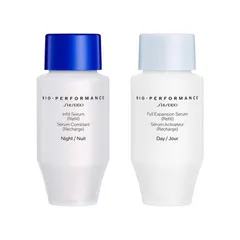
Works for:
based on ingredients and %- Exfoliation
- Moisturizing
Doesn't work for:
based on ingredients and %- Anti-aging
Can it cause trouble?
- Irritation risk: high
- Comedogenic risk ingredients: 0
Key actives


Exfoliation
This product can help exfoliate the skin. In other words, it helps break down the bonds between dead cells on the surface of the skin and speed up the skin turnover. Skin often appears softer and brighter after exfoliation, but overdoing it can result in disrupted skin barrier. The following ingredient is doing the exfoliating job in this product: hydroxyethyl urea.
A derivative of urea, a compound that is naturally present in skin. Attracts water to the upper layer of the skin. Can enhance penetration of other ingredients
An exfoliating and moisturizing alpha-hydroxy acid (AHA). Typically causes less irritation than other AHAs, for example, glycolic acid. At high concentrations (about 15%), lactic acid can help reduce lines and wrinkles. Recent studies show that lactic acid can support the "good" bacteria living on skin's surface (healthy skin microbiome)
Moisturizing
What does the product description say?
serums
Source: Shiseido UK
This product can help improve hydration of the skin with the two types of ingredients.
The first type is called “humectants”:
these ingredients help attract water.
When humectants are on the surface of the skin, they “pull in” the moisture from the outside environment, or from
within deeper layers of the skin. The following ingredients in this product do the job:
glycerin, hydroxyethyl urea.
This product also contains ingredients called “occlusives”. They help reduce the speed with which our skin loses moisture to the outside environment. These ingredients also help soften the upper layer of the skin, so it feels less tight and nicer to the touch. The following ingredients in this product do the job: dimethicone, peg-10 dimethicone.
A silicone that helps to reduce water loss from the surface of the skin. Can temporarily "fill in" lines and wrinkles, absorb oil, and create a nice product finish
Helps soften the upper layer of the skin
One of the best moisturizing ingredients. Naturally present in skin. It attracts water to the upper layer of the skin working as a humectant
A derivative of urea, a compound that is naturally present in skin. Attracts water to the upper layer of the skin. Can enhance penetration of other ingredients
A silicone that works to soften the upper layer of the skin and reduce its water loss
A mix of amino acids and plant-based lipids. Helps to soften the upper layer of the skin and reduce water loss over time
One of the best moisturizing ingredients. Attracts water into the upper layer of the skin
Helps attract water to the upper layer of the skin
Helps soften the upper layer of the skin
Helps soften the upper layer of the skin
Helps soften the upper layer of the skin
A type of silicone. Helps soften the upper layer of the skin and create a nice product texture
Non-drying alcohol. Used to stabilize other ingredients and is an emollient
Non-drying alcohol that helps water and oil mix together. Also serves as an emollient
A plant extract that might help to attract water to the upper layer of the skin, but it is not well studied. It can be irritating
Used to create a nice product texture and help delivery of other ingredients. Might be somewhat helpful in attracting water to the upper layer of the skin
Helps dissolve other ingredients and attract water to the upper layer of the skin
Helps to dissolve other ingredients and attract water to the upper layer of the skin
An exfoliating and moisturizing alpha-hydroxy acid (AHA). Typically causes less irritation than other AHAs, for example, glycolic acid. At high concentrations (about 15%), lactic acid can help reduce lines and wrinkles. Recent studies show that lactic acid can support the "good" bacteria living on skin's surface (healthy skin microbiome)
Pure form of vitamin E. Can help moisturise and protect the skin from free radicals. Often used to help stabilise other ingredients or the formula itself
Anti-aging
What does the product description say?
Inspired by aesthetic procedures, look 5 years younger in 1 day* with our 2 step serums.
Source: Shiseido UK
Effective ingredients missing or their concentration is too low.
An exfoliating and moisturizing alpha-hydroxy acid (AHA). Typically causes less irritation than other AHAs, for example, glycolic acid. At high concentrations (about 15%), lactic acid can help reduce lines and wrinkles. Recent studies show that lactic acid can support the "good" bacteria living on skin's surface (healthy skin microbiome)
Pure form of vitamin E. Can help moisturise and protect the skin from free radicals. Often used to help stabilise other ingredients or the formula itself
How honest is this product?
| Promise | Can it deliver? |
|---|---|
| Anti-aging |
Total Promises Fulfilled score: 0/100.
We receive a small commission for purchases made through these links at no cost for you. Thank you for your support! Learn more
Potential irritants
Comedogenic ingredients
No comedogenic ingredients detected
User reviews (0)
Averages from community submissions.
No reviews yet for this product.
Be the first to share your experience!
Tried this product?
Help capture what the ingredient list can't—texture, finish, pilling, scent, and more. Answer what you can, skip the rest.
Takes ~30 seconds.
Reviews are shown in aggregate. No personal details.
| Product | Similarity | Price | Irritancy |
|---|---|---|---|
 Shiseido Skin Filler Serum Refills | Current | ≈ $141.31 | |
Olay Super Serum 5 Serum Benefits In One | 55% | ≈ $28.09 | |
Uriage Age Protect Multi-Action Intensive Serum | 55% | ≈ $43.01 | |
 Tofu Moritaya Skin Balance Adjustment Serum | 55% | $92.93 | |
 Dermalogica biolumin-c serum - deluxe | 55% | - | |
 Youth To The People Superfood Firm and Brighten Vitamin C Serum | 54% | - |
Key Actives
An exfoliating and moisturizing alpha-hydroxy acid (AHA). Typically causes less irritation than other AHAs, for example, glycolic acid. At high concentrations (about 15%), lactic acid can help reduce lines and wrinkles. Recent studies show that lactic acid can support the "good" bacteria living on skin's surface (healthy skin microbiome)
Pure form of vitamin E. Can help moisturise and protect the skin from free radicals. Often used to help stabilise other ingredients or the formula itself
Pure form of vitamin E. Can help moisturise and protect the skin from free radicals. Often used to help stabilise other ingredients or the formula itself
A derivative of urea, a compound that is naturally present in skin. Attracts water to the upper layer of the skin. Can enhance penetration of other ingredients
A silicone that helps to reduce water loss from the surface of the skin. Can temporarily "fill in" lines and wrinkles, absorb oil, and create a nice product finish
A mix of amino acids and plant-based lipids. Helps to soften the upper layer of the skin and reduce water loss over time
One of the best moisturizing ingredients. Naturally present in skin. It attracts water to the upper layer of the skin working as a humectant
One of the best moisturizing ingredients. Attracts water into the upper layer of the skin
One of the best moisturizing ingredients. Naturally present in skin. It attracts water to the upper layer of the skin working as a humectant
Helps soften the upper layer of the skin
Helps attract water to the upper layer of the skin
A silicone that works to soften the upper layer of the skin and reduce its water loss
Potential irritants
Produces temporary toning effect. Can help dissolve other ingredients or preserve products
An essential oil. Potential allergen and can be irritating. It has some anti-bacterial properties
Can be drying and contribute to skin irritation. Used in formulars to dissolve other ingredients, create a thinner product consistency or for its antibacterial properties
Red clover flower extract. Can contain anti-oxidants but also potential irritant compounds
A plant extract that might help to attract water to the upper layer of the skin, but it is not well studied. It can be irritating
An exfoliating and moisturizing alpha-hydroxy acid (AHA). Typically causes less irritation than other AHAs, for example, glycolic acid. At high concentrations (about 15%), lactic acid can help reduce lines and wrinkles. Recent studies show that lactic acid can support the "good" bacteria living on skin's surface (healthy skin microbiome)
Used to adjust pH of the product and can help improve the product's smell
Helps to control the skin's pH level. Maintains the skin's natural film of amino-lactic acids and oils. Helps to preserve products
Can work as an exfoliant but is typically used to adjust the product pH
Comedogenic ingredients
We couldn't find any comedogenic ingredients in this product
All ingredients
Helps to dissolve other ingredients in a formulation. Slows down the rate of product drying
Produces temporary toning effect. Can help dissolve other ingredients or preserve products
Used to create a nice product texture and help delivery of other ingredients. Might be somewhat helpful in attracting water to the upper layer of the skin
One of the best moisturizing ingredients. Naturally present in skin. It attracts water to the upper layer of the skin working as a humectant
One of the best moisturizing ingredients. Attracts water into the upper layer of the skin
Helps to dissolve other ingredients and attract water to the upper layer of the skin
Helps dissolve other ingredients and attract water to the upper layer of the skin
A derivative of urea, a compound that is naturally present in skin. Attracts water to the upper layer of the skin. Can enhance penetration of other ingredients
An exfoliating and moisturizing alpha-hydroxy acid (AHA). Typically causes less irritation than other AHAs, for example, glycolic acid. At high concentrations (about 15%), lactic acid can help reduce lines and wrinkles. Recent studies show that lactic acid can support the "good" bacteria living on skin's surface (healthy skin microbiome)
An essential oil. Potential allergen and can be irritating. It has some anti-bacterial properties
Used to adjust pH of the product and can help improve the product's smell
Helps to control the skin's pH level. Maintains the skin's natural film of amino-lactic acids and oils. Helps to preserve products
Can work as an exfoliant but is typically used to adjust the product pH
Pure form of vitamin E. Can help moisturise and protect the skin from free radicals. Often used to help stabilise other ingredients or the formula itself
A preservative. It helps prevent bacterial growth in cosmetic products
A silicone that helps to reduce water loss from the surface of the skin. Can temporarily "fill in" lines and wrinkles, absorb oil, and create a nice product finish
Used to create a nice product texture and help delivery of other ingredients. Might be somewhat helpful in attracting water to the upper layer of the skin
Helps to dissolve other ingredients in a formulation. Slows down the rate of product drying
Can be drying and contribute to skin irritation. Used in formulars to dissolve other ingredients, create a thinner product consistency or for its antibacterial properties
One of the best moisturizing ingredients. Naturally present in skin. It attracts water to the upper layer of the skin working as a humectant
Non-drying alcohol that helps water and oil mix together. Also serves as an emollient
A mix of amino acids and plant-based lipids. Helps to soften the upper layer of the skin and reduce water loss over time
Helps attract water to the upper layer of the skin
A type of silicone. Helps soften the upper layer of the skin and create a nice product texture
Red clover flower extract. Can contain anti-oxidants but also potential irritant compounds
An essential oil. Potential allergen and can be irritating. It has some anti-bacterial properties
A plant extract that might help to attract water to the upper layer of the skin, but it is not well studied. It can be irritating
Non-drying alcohol. Used to stabilize other ingredients and is an emollient
A silicone that works to soften the upper layer of the skin and reduce its water loss
Pure form of vitamin E. Can help moisturise and protect the skin from free radicals. Often used to help stabilise other ingredients or the formula itself
Can work as an exfoliant but is typically used to adjust the product pH
A preservative. It helps prevent bacterial growth in cosmetic products
Ingredient list view
Water, Dipropylene glycol, Alcohol denat., Butylene glycol, Magnesium chloride, Glycerin, Peg/ppg-17/4 dimethyl ether, Sodium hyaluronate, Peg-6, Peg-32, Hydroxyethyl urea, Lauryl betaine, Lactic acid, Lavandula angustifolia oil, Peg-150, Ppg-13-decyltetradeceth-24, Triethanolamine, Sodium citrate, Disodium edta, Citric acid, Ammonium lactate, Tocopherol, Phenoxyethanol, Sodium benzoate, Water, Dimethicone, Butylene glycol, Dipropylene glycol, Alcohol, Glycerin, Behenyl alcohol, Triethylhexanoin, Silica, Phytosteryl/octyldodecyl lauroyl glutamate, Alpha-glucan oligosaccharide, Aminopropyl dimethicone, Trifolium pratense flower extract, Lavandula angustifolia oil, Bupleurum falcatum root extract, Batyl alcohol, Hydrogenated palm oil, Behenic acid, Elaeis guineensis kernel oil, Peg-60 glyceryl isostearate, Peg-10 dimethicone, Elaeis guineensis oil, Tocopherol, Sodium metaphosphate, Potassium hydroxide, Sodium metabisulfite, Cinnamomum cassia bark extract, Citric acid, Phenoxyethanol
- Glycerol and the skin: holistic approach to its origin and functions
- Hyaluronic acid: A key molecule in skin aging
- Hyaluronan (Hyaluronic Acid): a natural moisturizer for skin care
- Safety Evaluation of Polyethylene Glycol (PEG) Compounds for Cosmetic Use
- Safety Assessment of Hydroxyethyl Urea As Used in Cosmetics
- Epidermal and dermal effects of topical lactic acid
- Dual Effects of Alpha-Hydroxy Acids on the Skin
- Vitamin E in dermatology
- Vitamin E and Skin Health
- Dimethicone as a protective ingredient in topical medications
- Final Report on the Safety Assessment of Dimethicone Copolyol
- Amended Safety Assessment of Triglycerides as Used in Cosmetics
- Genetic Architecture of Palm Oil Fatty Acid Composition in Cultivated Oil Palm (Elaeis guineensis Jacq.) Compared to Its Wild Relative E. oleifera (H.B.K) Cortés
- Nutrient composition of Nigerian palm kernel from the dura and tenera varieties of the oil palm (Elaeis guineensis)
- Final report on the safety assessment of Sodium Metaphosphate, Sodium Trimetaphosphate, and Sodium Hexametaphosphate
- Final report on the safety assessment of sodium sulfite, potassium sulfite, ammonium sulfite, sodium bisulfite, ammonium bisulfite, sodium metabisulfite and potassium metabisulfite