Rudolph Care Sun Face Serum SPF 50
Works for
Sun protectionSPF 50 · 4 UV filtersBroad spectrum
This product offers a good level of protection against both UVB and UVA rays.
This sunscreen uses organic (so-called "chemical") sunscreen filters. Organic, or "chemical" filters usually provide reliable sun protection and rarely leave a white cast. Sunscreens with organic filters can sting eyes.
This product can be considered "reef safe" because it does not contain the UV filters (oxybenzone and octinoxate) that can be harmful to coral reefs when present in the water in high concentrations.
Anti-agingNiacinamide, TocopherolWorks well
“It helps firm the skin and infuse it with glow, powered by niacinamide and hyaluronic acid, which also help reduce the appearance of fine lines.”
This product can help reduce and prevent fine lines and wrinkles, improve skin elasticity and firmness because it contains niacinamide.
Keep in mind that it typically takes at least 6 weeks to notice any results because the changes that are needed to improve fine lines and elasticity happen in the deeper layers of the skin. No topical anti-aging product can “erase” wrinkles or fully reverse signs of aging.
This product can also help prevent early signs of skin aging because it offers a good level of broad spectrum sun protection. Sun damage is the main cause of premature skin aging, and protecting your skin from the sun is the best anti-aging strategy.
MoisturizingNiacinamide, Glycerin + 12 moreWorks well
“You also deliver an intensive boost of hydration from hyaluronic acid, along with smoothing and tone-evening care from niacinamide, which helps minimise the appearance of pores.”
This product contains good ingredients to attract water to the upper layer of the skin. These ingredients are called "humectants": glycerin, saccharide isomerate.
When humectants are on the surface of the skin, they “pull in” the moisture from the outside environment, or from within deeper layers of the skin. If the air is dry, humectants can speed up the moisture loss from the skin. This is why it is a good idea to use another product on top of this one to help "seal in" the moisture (look for ingredients like dimethicone, squalane, oils and butters).
The following ingredients in this product are especially good for supporting the skin barrier and helping with the hydration level: niacinamide
Evens skin toneNiacinamideWorks well
“You also deliver an intensive boost of hydration from hyaluronic acid, along with smoothing and tone-evening care from niacinamide, which helps minimise the appearance of pores.”
This product offers broad spectrum sun protection. It means that it can prevent hyperpigmentation and help keep the skin tone even (sun damage is the main factor causing age spots, darkening of post-acne marks and other discolorations).
Anti-blemishSide benefit the brand mentions · Niacinamide, InulinWorks well
“minimise the appearance of pores”
This product can help reduce breakouts and clogged pores because it contains the following ingredient: niacinamide. This ingredient is used for treating acne and can have a noticeable effect.
Can it cause trouble?
Irritancy1 strong irritant: ParfumMedium risk
ComedogenicClean of flagged comedogenic ingredientsNone flagged
User reviews
Be the first — your take helps the next person decide.
Ingredients
Filter by role to see what each ingredient is doing.
Aloe barbadensis leaf extract~23–34%
- Irritation risk
- Medium
Traditionally used to treat sunburns, dermatitis and inflammation, but evidence for its effectiveness is lacking. The extract can contain humectants that help attract water into the skin
More about Aloe barbadensis leaf extractDibutyl adipate~5.4–8.2%
- Irritation risk
- Low
Helps soften the upper layer of the skin and create a nice product consistency
More about Dibutyl adipateDiethylamino hydroxybenzoyl hexyl benzoate~4.5–6.8%
- Irritation risk
- Medium
Uvinul A Plus. A new generation broad spectrum sunscreen that offers an effective protection especially in the UVA range. It is stable in formulations. Unfortunately, is not approved by the FDA (US) yet
More about Diethylamino hydroxybenzoyl hexyl benzoateWater~3.4–5.1%
Niacinamide~2.4–3.7%
- Irritation risk
- Low
Is proven to be effective in reducing blemishes, evening out skin tone and helping to improve lines and wrinkles. It helps the skin to repair sun damage, calm down inflammation and keep maintain good levels of moisture. The concentration of about 2% is effective for supporting the skin barrier and evening out the skin tone. Concentration of 4-6% is better for helping with acne and balancing the sebum production
More about NiacinamideGlycerin~1.8–2.6%
- Irritation risk
- Low
One of the best moisturizing ingredients. Naturally present in skin. It attracts water to the upper layer of the skin working as a humectant
More about GlycerinEthylhexyl triazone~1.6–2.5%
- Irritation risk
- Medium
Uvinul T. A UV filter. Effective against UVB rays. It is photostable. Can increase water resistance properties of the sunscreen. Unfortunately, not approved by the FDA (US) yet
More about Ethylhexyl triazoneDicaprylyl ether~1–1.6%
- Irritation risk
- Low
Helps soften the upper layer of the skin while creating a non-greasy feel on the skin. Helps to dissolve other ingredients
More about Dicaprylyl etherPropylheptyl caprylate~0.85–1.3%
- Irritation risk
- Low
Helps soften the upper layer of the skin
More about Propylheptyl caprylateBis-ethylhexyloxyphenol methoxyphenyl triazine~1–1.6%
- Irritation risk
- Medium
Tinosorb S. One of the most effective broad spectrum sunscreen ingredients. Protects from both UVA and UVB rays. It is photostable. Approved by the US FDA in 2026 (listed as bemotrizinol on US labels).
More about Bis-ethylhexyloxyphenol methoxyphenyl triazineOryza sativa bran wax~0.45–1.05%
- Irritation risk
- Low
Diethylhexyl butamido triazone~0.5–1.2%
- Irritation risk
- Medium
Uvasorb HEB. A UV filter. Is effective against UVB and UVA II rays (but not UVA I). It is photostable. Unfortunately, is not approved by FDA (US) yet
More about Diethylhexyl butamido triazoneHydrogenated dimer dilinoleyl/dimethylcarbonate copolymer~0.35–0.75%
- Irritation risk
- Low
Microcrystalline cellulose~0.4–1%
Acrylates/c12-22 alkyl methacrylate copolymer~0.35–0.8%
- Irritation risk
- Low
Inulin~0.2–0.7%
- Irritation risk
- Low
Helps attract water to the upper layer of the skin. Is claimed to support the growth of "good" bacteria in skin (as a "prebiotic"), but the research is lacking
More about InulinMaris aqua~0.15–0.7%
Hippophae rhamnoides fruit oil~0.15–0.65%
- Irritation risk
- High
A plant oil that might somewhat help to neutralize free radicals. It could be irritating
More about Hippophae rhamnoides fruit oilHedychium coronarium root extract~0.15–0.6%
- Irritation risk
- Low
Undecane~0.15–0.7%
- Irritation risk
- Medium
Helps create a non-greasy finish on the skin
More about UndecaneSorbic acid~0.15–0.55%
Tocopherol~0.15–0.55%
- Irritation risk
- Low
Pure form of vitamin E. Can help moisturise and protect the skin from free radicals. Often used to help stabilise other ingredients or the formula itself
More about TocopherolAcacia senegal gum~0.15–0.65%
- Irritation risk
- Medium
Helps mask the small of other ingredients and improve the product texture
More about Acacia senegal gumXanthan gum~0.15–0.55%
- Irritation risk
- Low
Used to create a thicker product consistency
More about Xanthan gumEthylhexylglycerin~0.1–0.5%
Disodium cetearyl sulfosuccinate~0.2–0.75%
Tridecane~0.1–0.4%
Parfum~0.1–0.4%
- Irritation risk
- High
An aromatic blend of unspecified and possibly irritating ingredients
More about ParfumSodium dehydroacetate~0.15–0.5%
Citric acid~0.1–0.5%
- Irritation risk
- Medium
Can work as an exfoliant but is typically used to adjust the product pH
More about Citric acidSaccharide isomerate~0.1–0.5%
- Irritation risk
- Low
Helps attract water to the upper layer of the skin
More about Saccharide isomerateHydrogenated castor oil~0.2–0.75%
- Irritation risk
- Medium
A plant oil that can help soften the skin. It might be helpful in calming down inflammation, but solid research is lacking. Is often used in lip products to create the needed product consistency
More about Hydrogenated castor oilGlyceryl stearate~0.2–0.7%
- Irritation risk
- Low
An emollient that softens the skin and forms a protective layer on its surface. Helps water and oil mix together
More about Glyceryl stearateCellulose gum~0.1–0.4%
- Irritation risk
- Low
Used to create thicker product consistency and stabilize emulsions
More about Cellulose gumArginine~0.05–0.3%
- Irritation risk
- Low
An amino acid that is naturally present in skin and helps keep it hydrated. When used together with AHAs, it can reduce their irritating effect on the skin
More about ArginineTocopheryl acetate~0.1–0.35%
- Irritation risk
- Medium
A more stable but less bio-available form of vitamin E compared to Tocopherol. Might help moisturize and protect the skin from free radicals, but mostly used in low concentrations to stabilize other ingredients.
More about Tocopheryl acetateCoco-glucoside~0.1–0.5%
- Irritation risk
- High
Used as a cleansing agent (surfactant) in cleansers. Helps water and oil mix together in lotions. Can be irritating
More about Coco-glucosideDisodium lauryl sulfosuccinate~0.15–0.6%
- Irritation risk
- Medium
Used as a cleansing agent. Helps water and oil mix together
More about Disodium lauryl sulfosuccinateSodium citrate~0.05–0.15%
- Irritation risk
- Medium
Helps to control the skin's pH level. Maintains the skin's natural film of amino-lactic acids and oils. Helps to preserve products
More about Sodium citrateIngredient list view
Aloe barbadensis leaf extract, Dibutyl adipate, Diethylamino hydroxybenzoyl hexyl benzoate, Water, Niacinamide, Glycerin, Ethylhexyl triazone, Dicaprylyl ether, Propylheptyl caprylate, Bis-ethylhexyloxyphenol methoxyphenyl triazine, Oryza sativa bran wax, Diethylhexyl butamido triazone, Hydrogenated dimer dilinoleyl/dimethylcarbonate copolymer, Microcrystalline cellulose, Acrylates/c12-22 alkyl methacrylate copolymer, Inulin, Maris aqua, Hippophae rhamnoides fruit oil, Hedychium coronarium root extract, Undecane, Sorbic acid, Tocopherol, Acacia senegal gum, Xanthan gum, Ethylhexylglycerin, Disodium cetearyl sulfosuccinate, Tridecane, Parfum, Sodium dehydroacetate, Citric acid, Saccharide isomerate, Hydrogenated castor oil, Glyceryl stearate, Cellulose gum, Arginine, Tocopheryl acetate, Coco-glucoside, Disodium lauryl sulfosuccinate, Sodium citrate
Compare prices
Retailers ranked by price — lowest first.

Worth comparing, line by line.
Match % combines shared ingredients, the first five ingredients, shared actives and hero ingredients, irritancy (lower counts in the alternative's favour), texture and body area. Only products in the same routine step are compared.
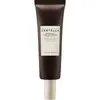
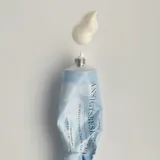
| Rudolph CareSun Face Serum SPF 50YOUR PRODUCT | the Torriden StoreDive-In Low Molecular Hyaluronic Watery Sun Serum PA++++ SPF50+ | SKIN 1004.Madagascar Centella Probio-Cica Glow Sun Ampoule PA++++ SPF50+ | Seriøst Bedre Hud (Seriously Better Skin)Ansigtsbeskyttelsen 2.0 SPF 30 | |
|---|---|---|---|---|
| Match | — | 92% | 92% | 89% |
| Price | — | $23.15 | $15.62 | $46.57 |
| Shared key ingredients | — | 6 of 9 | 5 of 9 | 6 of 9 |
| Key difference | — | Adenosine | Madecassic Acid | Retinyl Palmitate |
| Irritancy | Medium | Low | Low | Medium |
| SPF | SPF 50 | SPF 50 | SPF 50 | SPF 30 |
| Drying alcohol | — | — | — | — |
| View product | Shop | Shop | Shop |

More alternatives: Riemann P20 Hyperpigmentation Face SPF50+Barr Centella Soothing Sun Essence
Sources cited in this review
Every concentration estimate and effectiveness label is anchored to one of these 12 studies and safety reviews.
- 1
- 2
- 3
- 4
- 5Vitamin E in dermatologyncbi.nlm.nih.gov
- 6Vitamin E and Skin Healthlpi.oregonstate.edu

Affiliate links · As an Amazon Associate, WIMJ earns from qualifying purchases.