Works for
ExfoliationCapryloyl salicylic acid, Lactobionic acid + 2 moreWorks well
“The combination of hyaluronic acid and exfoliating agents like LHA and PHA helps to gently remove dead skin cells, revealing a smoother and more refined complexion.”
This product can help exfoliate the skin. In other words, it helps break down the bonds between dead cells on the surface of the skin and speed up the skin turnover. Skin often appears softer and brighter after exfoliation, but overdoing it can result in disrupted skin barrier. The following ingredient is doing the exfoliating job in this product: capryloyl salicylic acid, lactobionic acid.
MoisturizingPanthenol, Lactobionic acid + 23 moreWorks well
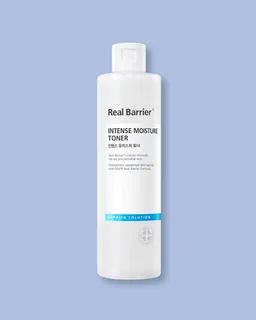
“Intense Moisture Toner”
This product can help improve hydration of the skin with the two types of ingredients.
The first type is called “humectants”:
these ingredients help attract water.
When humectants are on the surface of the skin, they “pull in” the moisture from the outside environment, or from
within deeper layers of the skin. The following ingredients in this product do the job:
arginine, glycerin.
This product also contains ingredients called “occlusives”. They help reduce the speed with which our skin loses moisture to the outside environment. These ingredients also help soften the upper layer of the skin, so it feels less tight and nicer to the touch. The following ingredients in this product do the job: arginine, ricinus communis seed oil.
The following ingredients in this product are especially good for supporting the skin barrier and helping with the hydration level: lactobionic acid, madecassoside, panthenol
Evens skin toneSide benefit · Lactobionic acid, Capryloyl salicylic acid + 1 moreWorks well
This product can help reduce hypepigmentation and even out the skin tone because it contains the following effective ingredients: lactobionic acid
The following ingredient (ingredients) in this product might be helpful, but there is no evidence to confirm that it actually can help even out the skin tone: capryloyl salicylic acid, madecassoside.
Keep in mind that you would need to apply any topical skincare targetted at hypigmentation consistently for a couple of months to get a result. No topical skincare product can help get rid of hyperpigmentation (including post-acne marks and age spots) instantly.
Anti-oxidationSide benefit · Lactobionic acid, Madecassoside + 4 moreWorks well
This product contains antioxidants (lactobionic acid, madecassoside) that can help neutralize free radicals in skin. By doing so, they can lessen the damage the skin gets from the UV light (sun).
The following ingredients - tartaric acid also can have an antioxidant effect, but there is less evidence to confirm their effectiveness in skin.
Anti-agingSide benefit · Lactobionic acid, Madecassoside + 2 moreWorks well
This product can help reduce and prevent fine lines and wrinkles, improve skin elasticity and firmness because it contains lactobionic acid.
These ingredients in the product can also be helpful, even though there is less evidence for their effectiveness: madecassoside.
Keep in mind that it typically takes at least 6 weeks to notice any results because the changes that are needed to improve fine lines and elasticity happen in the deeper layers of the skin. No topical anti-aging product can “erase” wrinkles or fully reverse signs of aging.
Can it cause trouble?
Irritancy6 strong irritants: Rosmarinus officinalis leaf oil, Copaifera officinalis resin + 4 more — patch-test recommendedHigh risk
Comedogenic1 ingredient rated 2 or more on the 0–5 pore-clogging scale1 flagged

User reviews
Be the first — your take helps the next person decide.
Ingredients
Filter by role to see what each ingredient is doing.
Water~45–55%
Dipropylene glycol~5.9–7.2%
- Irritation risk
- Low
Helps to dissolve other ingredients in a formulation. Slows down the rate of product drying
More about Dipropylene glycolGlycerin~3.7–4.6%
- Irritation risk
- Low
One of the best moisturizing ingredients. Naturally present in skin. It attracts water to the upper layer of the skin working as a humectant
More about GlycerinButylene glycol~2.9–3.6%
- Irritation risk
- Low
Used to create a nice product texture and help delivery of other ingredients. Might be somewhat helpful in attracting water to the upper layer of the skin
More about Butylene glycol1,2-hexanediol~1.2–1.4%
Hydroxyethyl urea~1.9–2.3%
- Irritation risk
- Low
A synthetic humectant made from urea. It pulls water into the upper layer of the skin about as well as glycerin, but without glycerin's stickiness. Unlike urea, it has not been shown to exfoliate. Lab and animal tests suggest a low risk of irritation at the levels used in products.
More about Hydroxyethyl ureaHydroxyacetophenone~1.6–2%
Glycosyl trehalose~1.4–1.8%
Hydrogenated starch hydrolysate~1.1–1.4%
- Irritation risk
- Low
Helps to attract water to the upper layer of the skin. Can add sweet taste to lip products
More about Hydrogenated starch hydrolysateCarbomer~0.75–1.1%
- Irritation risk
- Low
Helps create a thicker or gel-like product texture. It is not a surfactant but can be used in gentle cleansing formulations
More about CarbomerPanthenol~0.55–0.8%
- Irritation risk
- Low
Helps attract water to the upper layer of the skin and can help improve skin barrier function
More about PanthenolAllantoin~0.25–0.45%
- Irritation risk
- Low
Helps calm down inflammation in skin and can help reduce itching. Helps to repair the skin barrier and keep skin hydrated
More about AllantoinButyrospermum parkii butter~0.3–0.55%
- Irritation risk
- Low
- Comedogenicity
- 3/5
A great moisturising ingredient that softens the skin and reduces water loss from its upper layer. It also can be helpful in protecting skin from free radicals
More about Butyrospermum parkii butterCaprylyl/capryl glucoside~0.3–0.55%
- Irritation risk
- Medium
Helps oil and water mix together. Can be used as a cleansing agent
More about Caprylyl/capryl glucosideSodium phytate~0.2–0.4%
Sodium hyaluronate~0.2–0.4%
- Irritation risk
- Low
One of the best moisturizing ingredients. Attracts water into the upper layer of the skin
More about Sodium hyaluronatePolyglyceryl-10 myristate~0.2–0.4%
- Irritation risk
- Low
Polyglyceryl-10 laurate~0.25–0.45%
- Irritation risk
- Medium
Helps water and oil mix together
More about Polyglyceryl-10 laurateHydrogenated lecithin~0.25–0.45%
- Irritation risk
- Low
Helps to retain moisture by creating a protective barrier on the skin. Rich in fatty acids. Improves product texture and helps with the penetration of other ingredients.
More about Hydrogenated lecithinArginine~0.15–0.3%
- Irritation risk
- Low
An amino acid that is naturally present in skin and helps keep it hydrated. When used together with AHAs, it can reduce their irritating effect on the skin
More about ArginineRicinus communis seed oil~0.2–0.35%
- Irritation risk
- Medium
A plant oil that can help soften the skin. It might be helpful in calming down inflammation, but solid research is lacking. Is often used in lip products to create the needed product consistency
More about Ricinus communis seed oilPolyglyceryl-10 stearate~0.15–0.3%
- Irritation risk
- Medium
Helps water and oil mix together and softens the upper layer of the skin
More about Polyglyceryl-10 stearateLactobionic acid~0.15–0.25%
- Irritation risk
- Medium
A polyhydroxy acid (PHA) that helps shed dead cells from the surface of the skin revealing a smoother, more even skin. PHAs tend to be gentler on the skin compared to AHAs (for example, glycolic acid). It also has hydrating properties and helps attract water to the upper layer of the skin. It can help calm down inflammation in skin and support restoration of the barrier function. It has an anti-oxidant effect as well. It can help reduce fine line, wrinkles and improve skin elasticity
More about Lactobionic acidOlea europaea fruit oil~0.15–0.3%
- Irritation risk
- Medium
An emollient that helps soften the skin but is not effective for restoring its barrier function. Might be helpful to calm down inflammation
More about Olea europaea fruit oilJuniperus virginiana oil~0.15–0.25%
- Irritation risk
- Medium
Cedarwood oil. Used as a fragrance. Can be irritating
More about Juniperus virginiana oilRosmarinus officinalis leaf oil~0.15–0.25%
- Irritation risk
- High
A plant oil with high content of volatile compounds that can irritate the skin. Can be used as a fragrance. Has anti-bacterial properties and might help neutralize free radicals on the surface of the skin
More about Rosmarinus officinalis leaf oilCopaifera officinalis resin~0.15–0.3%
Ectoin~0.15–0.25%
- Irritation risk
- Low
Softens the upper layer of the skin and can support skin barrier function
More about EctoinTartaric acid~0.15–0.25%
- Irritation risk
- Medium
An AHA (alpha-hydroxy acid). It oxidizes quickly which makes it less effective in skincare formulations. It can support skin's barrier and moisture levels
More about Tartaric acidGlyceryl caprylate~0.2–0.35%
- Irritation risk
- Low
An emollient that can also help water and oil mix together, as well as prevent bacteria growth in products
More about Glyceryl caprylateLinoleic acid~0.25–0.45%
- Irritation risk
- Low
An excellent emollient. Helps soften the skin, restore its barrier function, and can help to calm down inflammation. It can be helpful to prevent blemishes and clogged pores
More about Linoleic acidMyristoyl/palmitoyl oxostearamide/arachamide mea~0.15–0.25%
- Irritation risk
- Low
Capryloyl salicylic acid~0.15–0.25%
- Irritation risk
- High
Madecassoside~0.15–0.25%
- Irritation risk
- Medium
An antioxidant that is typically derived from plant Centella Asiatica. It can help neutralize free radicals in skin and support skin barrier function. It could, however, itself be irritating. It is often unstable in formulations
More about MadecassosidePhytosterols~0.2–0.35%
- Irritation risk
- Medium
Lipids that work as an emollient and can be helpful in repairing skin barrier function
More about PhytosterolsEucalyptus globulus leaf oil~0.1–0.2%
- Irritation risk
- High
An essential oil that can be very irritating. Has some anti-bacterial properties
More about Eucalyptus globulus leaf oilPogostemon cablin oil~0.1–0.2%
- Irritation risk
- Low
Glycolipids~0.15–0.25%
- Irritation risk
- Low
Candida bombicola/glucose/methyl rapeseedate ferment~0.2–0.4%
- Irritation risk
- Low
Helps water and oil mix together and preserve the product formulation
More about Candida bombicola/glucose/methyl rapeseedate fermentPropanediol~0.15–0.3%
- Irritation risk
- Low
Acts as a solvent for other ingredients. Speeds up the absorption of other ingredients into the skin
More about PropanediolSodium hyaluronate crosspolymer~0.15–0.25%
- Irritation risk
- Medium
Attracts water into the upper layer of the skin
More about Sodium hyaluronate crosspolymerViola odorata leaf extract~0.15–0.25%
- Irritation risk
- Low
Lavandula angustifolia oil~0.15–0.25%
- Irritation risk
- High
An essential oil. Potential allergen and can be irritating. It has some anti-bacterial properties
More about Lavandula angustifolia oilCananga odorata flower oil~0.15–0.25%
Artemisia vulgaris oil~0.1–0.2%
- Irritation risk
- Low
Anthemis nobilis flower oil~0.1–0.2%
- Irritation risk
- High
An essential oil that is used as a fragrance and can be irritating. It might have some anti-oxidant effect in skin
More about Anthemis nobilis flower oilHydrolyzed glycosaminoglycans~0.15–0.25%
- Irritation risk
- Low
Long sugars that help attract water to the upper layer of the skin
More about Hydrolyzed glycosaminoglycansJasminum officinale oil~0.1–0.2%
- Irritation risk
- Low
Ferula galbaniflua resin oil~0.15–0.25%
- Irritation risk
- Low
Chamomilla recutita flower oil~0.2–0.35%
- Irritation risk
- High
Plant oil that can have healing and anti-inflammatory properties. It contains volatile compouunds that are potential allergens and can be irritating
More about Chamomilla recutita flower oilBenzyl glycol~0.15–0.3%
- Irritation risk
- Medium
Helps dissolve other ingredients and preserve products
More about Benzyl glycolHydrolyzed hyaluronic acid~0.15–0.3%
- Irritation risk
- Low
One of the best moisturizing ingredients. Attracts water into the upper layer of the skin. A version of it is naturally present in skin
More about Hydrolyzed hyaluronic acidHydroxypropyltrimonium hyaluronate~0.15–0.3%
- Irritation risk
- Low
Ethylhexylglycerin~0.15–0.3%
Sodium acetylated hyaluronate~0.15–0.3%
- Irritation risk
- Low
A type of hyaluronic acid that works as an excellent moisturizer by attracting water into the upper layer of the skin. Is typically feels less sticky on the skin compared to the usual hyaluronic acid
More about Sodium acetylated hyaluronateHyaluronic acid~0.1–0.2%
- Irritation risk
- Low
One of the best moisturizing ingredients. Attracts water into the upper layer of the skin. Naturally present in skin. Typically has large molecule size unless advertised otherwise on the product label. Helps support skin's barrier function and may help to reduce inflammation
More about Hyaluronic acidRaspberry ketone~0.1–0.15%
- Irritation risk
- High
Used as a fragrance. It can reduce skin pigmentation, but it is not safe to use for these purposes in high concentrations as use of raspberry ketone and its derivative is linked to causing loss of skin pigmentation in people (leukoderma)
More about Raspberry ketoneIngredient list view
Water, Dipropylene glycol, Glycerin, Butylene glycol, 1,2-hexanediol, Hydroxyethyl urea, Hydroxyacetophenone, Glycosyl trehalose, Hydrogenated starch hydrolysate, Carbomer, Panthenol, Allantoin, Butyrospermum parkii butter, Caprylyl/capryl glucoside, Sodium phytate, Sodium hyaluronate, Polyglyceryl-10 myristate, Polyglyceryl-10 laurate, Hydrogenated lecithin, Arginine, Ricinus communis seed oil, Polyglyceryl-10 stearate, Lactobionic acid, Olea europaea fruit oil, Juniperus virginiana oil, Rosmarinus officinalis leaf oil, Copaifera officinalis resin, Ectoin, Tartaric acid, Glyceryl caprylate, Linoleic acid, Myristoyl/palmitoyl oxostearamide/arachamide mea, Capryloyl salicylic acid, Madecassoside, Phytosterols, Eucalyptus globulus leaf oil, Pogostemon cablin oil, Glycolipids, Candida bombicola/glucose/methyl rapeseedate ferment, Propanediol, Sodium hyaluronate crosspolymer, Viola odorata leaf extract, Lavandula angustifolia oil, Cananga odorata flower oil, Artemisia vulgaris oil, Anthemis nobilis flower oil, Hydrolyzed glycosaminoglycans, Jasminum officinale oil, Ferula galbaniflua resin oil, Chamomilla recutita flower oil, Benzyl glycol, Hydrolyzed hyaluronic acid, Hydroxypropyltrimonium hyaluronate, Ethylhexylglycerin, Sodium acetylated hyaluronate, Hyaluronic acid, Raspberry ketone
Compare prices
Retailers ranked by price — lowest first.
Affiliate links · As an Amazon Associate, WIMJ earns from qualifying purchases.
Worth comparing, line by line.
Match % combines shared ingredients, the first five ingredients, shared actives and hero ingredients, irritancy (lower counts in the alternative's favour), texture and body area. Only products in the same routine step are compared.
| Real BarrierIntense Moisture TonerYOUR PRODUCT | AnuaCatechin Toner Pads | esfolioHyaluronic Acid Houttuynia Cordata Toner | MAXCLINICPro Hyaluron Toner | |
|---|---|---|---|---|
| Match | — | 51% | 50% | 49% |
| Price | — | $26.00 | $9.99 | $18.29 |
| Shared key ingredients | — | 10 of 21 | 11 of 21 | 7 of 21 |
| Key difference | — | Azelaic Acid | Anhydroxylitol | Adenosine |
| Irritancy | High | Medium | Medium | High |
| Drying alcohol | — | — | — | — |
| View product | Shop | Shop | Shop |


More alternatives: VT Cosmetics AZ Care Toner Pad (60ea)AXIS Aqua Boosting Essence Toner
Product summary
"Real Barrier - Intense Moisture Toner" is effective for: Exfoliation, Moisturizing, Anti-aging and Evens skin tone
Ingredient callouts
- Actives derived from an extract of the Centella Asiatica plant (also known as Gotu Kola) - madecassoside 0.15% - 0.25% The Centella Asiatica Actives, even in low concentration, can help reduce inflammation in skin, strengthen the skin barrier and reduce photodamage. They can also help to decrease scarring.
- An effective concentration of Panthenol (pro-vitamin B5) - about 0.55% - 0.80%. Panthenol helps strengthen the skin barrier, improve hydration and reduce inflammation in skin.
- Humectants (hyaluronic acid 0.10% - 0.20%, sodium acetylated hyaluronate 0.15% - 0.30%, hydrolyzed hyaluronic acid 0.15% - 0.30%, hydrolyzed glycosaminoglycans 0.15% - 0.25%, sodium hyaluronate crosspolymer 0.15% - 0.25%, arginine 0.15% - 0.30%, sodium hyaluronate 0.20% - 0.40%, panthenol 0.55% - 0.80%, hydroxyethyl urea 1.90% - 2.30% and glycerin 3.70% - 4.60%). These ingredients help attract water to the upper layer of the skin and improve the skin hydration.
Price
The product retails from 24.00$ up to 26.00$ in the United States.
For a detailed price comparison: click here.
Sources cited in this review
Every concentration estimate and effectiveness label is anchored to one of these 47 studies and safety reviews.
- 1
- 2
- 3
- 4Glycerin and hydroxyethyl urea: Comparing two skin moisturizers (Cosmetics & Toiletries 2004)cosmeticsandtoiletries.com
- 5Hydrovance technical data sheet (Nouryon, 2021)media.knowde.com
- 6NICNAS Full Public Report STD/1365: Hydroxyethyl Urea (2010)industrialchemicals.gov.au

Affiliate links · As an Amazon Associate, WIMJ earns from qualifying purchases.