Works for:
based on ingredients and %- Exfoliation
- Anti-blemish
- Cleansing
Can it cause trouble?
- Irritation risk: high
- Comedogenic risk ingredients: 6
Key actives


Works for
Anti-blemish
What does the product description say?
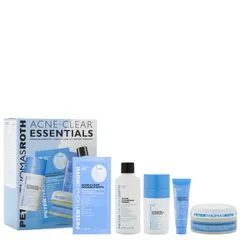
Acne System
Source: From product name
This product can help reduce breakouts and clogged pores because it contains the following ingredient: salicylic acid. This ingredient is used for treating acne and can have a noticeable effect.
The following ingredient (ingredients) in this product might be helpful, but there is no evidence to confirm that it actually works: glycolic acid
Used for skin exfoliation. It has an anti-inflammatory and anti-bacterial effect, helps to unclog pores, prevent blemishes and speed up healing of the existing ones. Sometimes referred to as a BHA (beta-hydroxy acid)
An alpha-hydroxy acid (AHA) that helps to remove the dead skin cells on the surface of the skin reveling a more even, smoother complexation. It is also able to stimulate collagen production with long-term use. Could help to reduce pore congestion. It can be irritating to the skin. Apply sunscreen daily if using products with glycolic acid
A type of lipid that is naturally present in skin. It might help in repairing skin barrier function and has anti-bacterial effect
Helps calm down inflammation in skin and can help reduce itching. Helps to repair the skin barrier and keep skin hydrated
Can contain potent anti-oxidant compounds (abbreviated ECG, GCG, EGC, and EGCG) that might help protect the skin from free radicals. Can help calm down inflammation and has some anti-bacterial properties. Unfortunately, these antioxidants are unstable and lose their effectiveness very quickly in products. The concentration of the antioxidant compounds in the extract also tends to be low to be effective in topical formulation
A plant extract that can help neutralize free radicals in skin. It contains a compound salicin that can theoretically be converted into salicylic acid that, in turn, helps reduce inflammation in skin, but the evidence of effectiveness in skin is lacking and the extract is usually not used in a concentration that would enable an exfoliating effect
Traditionally used to treat sunburns, dermatitis and inflammation, but evidence for its effectiveness is lacking. The extract can contain humectants that help attract water into the skin
Cleansing
What does the product description say?
What's Included Acne Clearing Wash (57 ml / 2 fl oz).
Source: Beautylish
This product works by removing dirt and oil from the surface of the skin. It uses a combination of mild cleansing agents (ceteareth-20, cetearyl alcohol, cetyl alcohol, glyceryl stearate, hexylene glycol, hydrogenated lecithin, isohexadecane, laureth-7, myristic acid, peg-100 stearate, polysorbate 60, polysorbate 80, sorbitan isostearate, triethanolamine) and should be able to cleanse the skin gently. Still keep in mind that any cleansing can disrupt the skin barrier, and most people do not need to cleanse their skin more than once per day.
Used to adjust pH of the product and can help improve the product's smell
A non-drying alcohol that works to soften the skin and stabilize product formulations helping oil and water mix together
An emollient that softens the skin and forms a protective layer on its surface. Helps water and oil mix together
Helps create a more spreadable product texture
Helps to retain moisture by creating a protective barrier on the skin. Rich in fatty acids. Improves product texture and helps with the penetration of other ingredients.
Improves the texture of the product and helps soften the skin. Helps oil and water mix together and can be used as a cleansing agent
Helps oil and water mix together
Helps oil and water mix together. Could be comedogenic
Helps oil and water mix togehter and creates a nice product texture
Helps oil and water mix together
Helps water and oil mix together
Helps oil and water mix together
Helps oil and water mix together. Has some emollient properties
A non-drying alcohol. Works as an emollient. Helps water and oil mix together and creates a nice product texture
Exfoliation
What does the product description say?
Max Complexion Correction Pads exfoliate and clear acne.
Source: Sephora CA
This product can help exfoliate the skin. In other words, it helps break down the bonds between dead cells on the surface of the skin and speed up the skin turnover. Skin often appears softer and brighter after exfoliation, but overdoing it can result in disrupted skin barrier. The following ingredient is doing the exfoliating job in this product: glycolic acid, salicylic acid.
An alpha-hydroxy acid (AHA) that helps to remove the dead skin cells on the surface of the skin reveling a more even, smoother complexation. It is also able to stimulate collagen production with long-term use. Could help to reduce pore congestion. It can be irritating to the skin. Apply sunscreen daily if using products with glycolic acid
Used for skin exfoliation. It has an anti-inflammatory and anti-bacterial effect, helps to unclog pores, prevent blemishes and speed up healing of the existing ones. Sometimes referred to as a BHA (beta-hydroxy acid)
A plant extract that can help neutralize free radicals in skin. It contains a compound salicin that can theoretically be converted into salicylic acid that, in turn, helps reduce inflammation in skin, but the evidence of effectiveness in skin is lacking and the extract is usually not used in a concentration that would enable an exfoliating effect
Helps calm down inflammation in skin and can help reduce itching. Helps to repair the skin barrier and keep skin hydrated
How honest is this product?
| Promise | Can it deliver? |
|---|---|
| Cleansing | |
| Exfoliation | |
| Anti-blemish |
Total Promises Fulfilled score: 100/100.
We receive a small commission for purchases made through these links at no cost for you. Thank you for your support! Learn more
Affiliate link · supports WIMJ at no cost to you
Potential irritants
Comedogenic ingredients
User reviews (0)
Averages from community submissions.
No reviews yet for this product.
Be the first to share your experience!
Tried this product?
Help capture what the ingredient list can't—texture, finish, pilling, scent, and more. Answer what you can, skip the rest.
Takes ~30 seconds.
Reviews are shown in aggregate. No personal details.
| Product | Similarity | Price | Irritancy |
|---|---|---|---|
 Peter Thomas Roth Acne System | Current | ≈ $31.55 | |
Acnecide PURIFIDE by Acnecide Blackhead Control Deep Exfoliating Cleanser | 78% | ≈ $9.89 | |
 Bioderma Sebium ACTIF Foaming Gel Cleanser | 78% | ≈ $15.55 | |
 Community Sixty-Six Detoxifying AHA/BHA Gel Cleanser | 76% | - | |
 Neutrogena Oil-Free Acne Stress Control Power-Cream Wash | 75% | $9.49 | |
 L'Oréal Paris Revitalift Derm Intensives 3.5% Glycolic Acid Cleansing Gel | 74% | $12.99 |
Key Actives
Helps calm down inflammation in skin and can help reduce itching. Helps to repair the skin barrier and keep skin hydrated
Helps calm down inflammation in skin and can help reduce itching. Helps to repair the skin barrier and keep skin hydrated
Helps calm down inflammation in skin and can help reduce itching. Helps to repair the skin barrier and keep skin hydrated
Can contain potent anti-oxidant compounds (abbreviated ECG, GCG, EGC, and EGCG) that might help protect the skin from free radicals. Can help calm down inflammation and has some anti-bacterial properties. Unfortunately, these antioxidants are unstable and lose their effectiveness very quickly in products. The concentration of the antioxidant compounds in the extract also tends to be low to be effective in topical formulation
Used for skin exfoliation. It has an anti-inflammatory and anti-bacterial effect, helps to unclog pores, prevent blemishes and speed up healing of the existing ones. Sometimes referred to as a BHA (beta-hydroxy acid)
An alpha-hydroxy acid (AHA) that helps to remove the dead skin cells on the surface of the skin reveling a more even, smoother complexation. It is also able to stimulate collagen production with long-term use. Could help to reduce pore congestion. It can be irritating to the skin. Apply sunscreen daily if using products with glycolic acid
A plant extract that contains resveratrol and other anti-oxidant compounds that can help neutralize free radicals, reduce inflammation in skin and even out its tone. Can be also used to stabilize the product formulation
An alpha-hydroxy acid (AHA) that helps to remove the dead skin cells on the surface of the skin reveling a more even, smoother complexation. It is also able to stimulate collagen production with long-term use. Could help to reduce pore congestion. It can be irritating to the skin. Apply sunscreen daily if using products with glycolic acid
A plant extract that contains resveratrol and other anti-oxidant compounds that can help neutralize free radicals, reduce inflammation in skin and even out its tone. Can be also used to stabilize the product formulation
Helps attract water to the upper layer of the skin and can help improve skin barrier function
A salt derived from licorice. Works as an emollient to soften the upper layer of the skin and can help calm down inflammation. Might be helpful for skin lightening
Helps attract water to the upper layer of the skin and can help improve skin barrier function
A type of lipid that is naturally present in skin. It might help in repairing skin barrier function and has anti-bacterial effect
A silicone that helps to reduce water loss from the surface of the skin. Can temporarily "fill in" lines and wrinkles, absorb oil, and create a nice product finish
A non-drying alcohol. Works as an emollient. Helps water and oil mix together and creates a nice product texture
A silicone that forms a light film on the skin surface helping to bind water and temporarily absorb oils creating a matt and powdery feel
Improves the texture of the product and helps soften the skin. Helps oil and water mix together and can be used as a cleansing agent
A non-drying alcohol that works to soften the skin and stabilize product formulations helping oil and water mix together
An emollient that softens the skin and forms a protective layer on its surface. Helps water and oil mix together
A good mix of fatty acids that forms a protective layer on the skin. Improves the shelf life of products. Derived from coconut and glycerin
One of the best moisturizing ingredients. Naturally present in skin. It attracts water to the upper layer of the skin working as a humectant
An emollient made of jojoba oil. Helps soften the skin and support its barrier function
Helps soften the upper layer of the skin and support skin's barrier function while creating a thicker product consistency
Helps oil and water mix together. Has some emollient properties
Helps to retain moisture by creating a protective barrier on the skin. Rich in fatty acids. Improves product texture and helps with the penetration of other ingredients.
One of the best moisturizing ingredients. Attracts water into the upper layer of the skin
Helps to attract water to the upper layer of the skin
Naturally present in skin and helps to attract water to its upper layer
Helps oil and water mix together
Long sugars that help attract water to the upper layer of the skin
An amino acid that is naturally present in skin and helps keep it hydrated. When used together with AHAs, it can reduce their irritating effect on the skin
Helps oil and water mix together. Has some emollient properties
A plant extract that might contain antioxidants
One of the best moisturizing ingredients. Naturally present in skin. It attracts water to the upper layer of the skin working as a humectant
Helps create a more spreadable product texture
Helps to retain moisture by creating a protective barrier on the skin. Rich in fatty acids. Improves product texture and helps with the penetration of other ingredients.
An emollient that helps soften the skin. Could be comedogenic
Helps oil and water mix together. Could be comedogenic
Helps oil and water mix togehter and creates a nice product texture
Works as a UV filter when used in high concentrations. It is photostable and is effective mostly against the UVB light, with some protection in the UVA range. In small concentrations, used for its ability to improve the color of cosmetic products. Is usually well tolerated by the skin
A broad spectrum sunblock (protects from both UVA and UVB rays). Is suitable for most sensitive skins. In small concentrations, can be used as a colorant
An amino acid that is naturally present in skin and helps keep it hydrated. When used together with AHAs, it can reduce their irritating effect on the skin
Used to adjust pH of the product and can help improve the product's smell
A plant extract that might contain antioxidants
One of the best moisturizing ingredients. Attracts water into the upper layer of the skin
Potential irritants
A plant extract that is used as a fragrance. Can be irritating and lead to photosensitivity
Plant extract that might contain antioxidants, have antibacterial effect and help reduce inflammation, but solid evidence is lacking. Can be irritating
A plant extract that might contain antioxidants
An alpha-hydroxy acid (AHA) that helps to remove the dead skin cells on the surface of the skin reveling a more even, smoother complexation. It is also able to stimulate collagen production with long-term use. Could help to reduce pore congestion. It can be irritating to the skin. Apply sunscreen daily if using products with glycolic acid
A plant extract that might have anti-oxidant properties and help even out skin tone, but solid evidence is lacking
Used for skin exfoliation. It has an anti-inflammatory and anti-bacterial effect, helps to unclog pores, prevent blemishes and speed up healing of the existing ones. Sometimes referred to as a BHA (beta-hydroxy acid)
A plant extract that can help neutralize free radicals in skin. It contains a compound salicin that can theoretically be converted into salicylic acid that, in turn, helps reduce inflammation in skin, but the evidence of effectiveness in skin is lacking and the extract is usually not used in a concentration that would enable an exfoliating effect
Produces temporary toning effect. Can help dissolve other ingredients or preserve products
A fragrance. Can trigger allergic reactions and be irritating
Plant extract that can have healing and anti-inflammatory properties. It is a potential allergen and can be irritating
An aromatic blend of unspecified and possibly irritating ingredients
A plant extract that can help calm down inflammation in skin. Can, however, itself be irritating
A common frangrance that can easily irritate skin, especially if exposed to air, light or heat
A fruit extact. Might have some anti-oxidant properties
An essential oil that can be irritating. Has some anti-bacterial properties
A good mix of fatty acids that forms a protective layer on the skin. Improves the shelf life of products. Derived from coconut and glycerin
An emollient made of jojoba oil. Helps soften the skin and support its barrier function
A mushroom extract that might have some skin-lightening and moisturizing properties, but solid research is lacking. It is unlikely to be effective in the concentration used in skincare products
A gelling agent that thickens the product consistency and leaves the skin with a velvety finish
Helps oil and water mix together. Has some emollient properties
A more stable but less bio-available form of vitamin E compared to Tocopherol. Might help moisturize and protect the skin from free radicals, but mostly used in low concentrations to stabilize other ingredients.
Traditionally used to treat sunburns, dermatitis and inflammation, but evidence for its effectiveness is lacking. The extract can contain humectants that help attract water into the skin
Helps to control the skin's pH level. Maintains the skin's natural film of amino-lactic acids and oils. Helps to preserve products
Used to dissolve other ingredients and to improve smell of products. It could be irritating
Can work as an exfoliant but is typically used to adjust the product pH
Helps preserve products and creates a nice product texture
A plant extract that can help lighten the skin and calm down inflammation. Might be helpful in neutralizing free radicals
A preservative that comes from radishes fermented by a bacteria. New research suggests that the preservation properties in the ingredient come from an ammonium salt that is not present naturally in radish root but used in its cultivation. Is problematic because the exact amount of the preservative agents is difficult to determine
A derivative of vitamin C that is more stable, but less bioavailable than the pure form of vitamin C. It does not penetrate the skin well, but has been shown to convert to pure vitamin C once in skin. It can be helpful in stimulating collagen production and lightening the skin tone, but the required concentration is likely to be very high
Helps oil and water mix together. Could be comedogenic
Used to improve product texture and help oil and water mix together
Used to thicken the product's consistency
A plant extract that might be able to help decrease inflammation in skin and have an anti-oxidant effect
Used to adjust pH of the product and can help improve the product's smell
Used to stabilize product formulation, help create an even product layer over skin (for example, in sunscreen) and create a thicker product consistency
Helps evenly disperse other ingredients in a formulation and create an even layer on the surface of the skin
Comedogenic ingredients
A non-drying alcohol. Works as an emollient. Helps water and oil mix together and creates a nice product texture
Helps oil and water mix together. Has some emollient properties
Helps oil and water mix together. Has some emollient properties
An emollient that helps soften the skin. Could be comedogenic
Helps oil and water mix together. Could be comedogenic
Used to thicken the product's consistency
All ingredients
A silicone that helps to reduce water loss from the surface of the skin. Can temporarily "fill in" lines and wrinkles, absorb oil, and create a nice product finish
Acts as a solvent for other ingredients. Speeds up the absorption of other ingredients into the skin
A good mix of fatty acids that forms a protective layer on the skin. Improves the shelf life of products. Derived from coconut and glycerin
One of the best moisturizing ingredients. Naturally present in skin. It attracts water to the upper layer of the skin working as a humectant
An emollient made of jojoba oil. Helps soften the skin and support its barrier function
An emollient that helps soften the skin. It also forms a protective on its surface to reduce water loss.
A non-drying alcohol. Works as an emollient. Helps water and oil mix together and creates a nice product texture
Helps attract water to the upper layer of the skin and can help improve skin barrier function
A silicone that forms a light film on the skin surface helping to bind water and temporarily absorb oils creating a matt and powdery feel
A mushroom extract that might have some skin-lightening and moisturizing properties, but solid research is lacking. It is unlikely to be effective in the concentration used in skincare products
Helps soften the upper layer of the skin and support skin's barrier function while creating a thicker product consistency
A gelling agent that thickens the product consistency and leaves the skin with a velvety finish
Helps oil and water mix together. Has some emollient properties
Improves the texture of the product and helps soften the skin. Helps oil and water mix together and can be used as a cleansing agent
A more stable but less bio-available form of vitamin E compared to Tocopherol. Might help moisturize and protect the skin from free radicals, but mostly used in low concentrations to stabilize other ingredients.
Helps to retain moisture by creating a protective barrier on the skin. Rich in fatty acids. Improves product texture and helps with the penetration of other ingredients.
Traditionally used to treat sunburns, dermatitis and inflammation, but evidence for its effectiveness is lacking. The extract can contain humectants that help attract water into the skin
Used to create a nice product texture and help delivery of other ingredients. Might be somewhat helpful in attracting water to the upper layer of the skin
Helps calm down inflammation in skin and can help reduce itching. Helps to repair the skin barrier and keep skin hydrated
One of the best moisturizing ingredients. Attracts water into the upper layer of the skin
A preservative. It helps prevent bacterial growth in cosmetic products
Naturally present in skin and helps to attract water to its upper layer
Helps to control the skin's pH level. Maintains the skin's natural film of amino-lactic acids and oils. Helps to preserve products
Used to dissolve other ingredients and to improve smell of products. It could be irritating
Long sugars that help attract water to the upper layer of the skin
Can work as an exfoliant but is typically used to adjust the product pH
Helps calm down inflammation in skin and can help reduce itching. Helps to repair the skin barrier and keep skin hydrated
Traditionally used to treat sunburns, dermatitis and inflammation, but evidence for its effectiveness is lacking. The extract can contain humectants that help attract water into the skin
An amino acid that is naturally present in skin and helps keep it hydrated. When used together with AHAs, it can reduce their irritating effect on the skin
An active component of chamomile plant that historically has been used to calm down irritated skin. A recent study shows that bisabolol indeed can have some anti-inflammatory effect on skin, even though conclusive data is lacking. Bisabolol has a sweet floral scent and can be added to products for its aromatic properties
Used to create a nice product texture and help delivery of other ingredients. Might be somewhat helpful in attracting water to the upper layer of the skin
Helps soften the upper layer of the skin, dissolve other ingredients and create a thicker product consistency
Helps preserve products and creates a nice product texture
Helps oil and water mix together. Has some emollient properties
A non-drying alcohol that works to soften the skin and stabilize product formulations helping oil and water mix together
Can work as an exfoliant but is typically used to adjust the product pH
A plant extract that is used as a fragrance. Can be irritating and lead to photosensitivity
A salt derived from licorice. Works as an emollient to soften the upper layer of the skin and can help calm down inflammation. Might be helpful for skin lightening
Helps to dissolve other ingredients in a formulation. Slows down the rate of product drying
Plant extract that might contain antioxidants, have antibacterial effect and help reduce inflammation, but solid evidence is lacking. Can be irritating
A plant extract that might contain antioxidants
One of the best moisturizing ingredients. Naturally present in skin. It attracts water to the upper layer of the skin working as a humectant
An emollient that softens the skin and forms a protective layer on its surface. Helps water and oil mix together
An alpha-hydroxy acid (AHA) that helps to remove the dead skin cells on the surface of the skin reveling a more even, smoother complexation. It is also able to stimulate collagen production with long-term use. Could help to reduce pore congestion. It can be irritating to the skin. Apply sunscreen daily if using products with glycolic acid
A plant extract that can help lighten the skin and calm down inflammation. Might be helpful in neutralizing free radicals
Helps to retain moisture by creating a protective barrier on the skin. Rich in fatty acids. Improves product texture and helps with the penetration of other ingredients.
An emollient that helps soften the skin. Could be comedogenic
A preservative that comes from radishes fermented by a bacteria. New research suggests that the preservation properties in the ingredient come from an ammonium salt that is not present naturally in radish root but used in its cultivation. Is problematic because the exact amount of the preservative agents is difficult to determine
Might be helpful in restoring skin barrier function and, when combined with zinc carbonate and malonic acid, reducing fine lines and wrinkles by stimulating elastin production. Also helps stabilize the product formulation
A derivative of vitamin C that is more stable, but less bioavailable than the pure form of vitamin C. It does not penetrate the skin well, but has been shown to convert to pure vitamin C once in skin. It can be helpful in stimulating collagen production and lightening the skin tone, but the required concentration is likely to be very high
A plant extract that might have anti-oxidant properties and help even out skin tone, but solid evidence is lacking
Helps oil and water mix together. Could be comedogenic
Helps attract water to the upper layer of the skin and can help improve skin barrier function
Helps oil and water mix togehter and creates a nice product texture
A preservative. It helps prevent bacterial growth in cosmetic products
Used to improve product texture and help oil and water mix together
Used for skin exfoliation. It has an anti-inflammatory and anti-bacterial effect, helps to unclog pores, prevent blemishes and speed up healing of the existing ones. Sometimes referred to as a BHA (beta-hydroxy acid)
A plant extract that can help neutralize free radicals in skin. It contains a compound salicin that can theoretically be converted into salicylic acid that, in turn, helps reduce inflammation in skin, but the evidence of effectiveness in skin is lacking and the extract is usually not used in a concentration that would enable an exfoliating effect
Works as a UV filter when used in high concentrations. It is photostable and is effective mostly against the UVB light, with some protection in the UVA range. In small concentrations, used for its ability to improve the color of cosmetic products. Is usually well tolerated by the skin
A more stable but less bio-available form of vitamin E compared to Tocopherol. Might help moisturize and protect the skin from free radicals, but mostly used in low concentrations to stabilize other ingredients.
A type of silicone that helps oil and water mix well together. Helps to disperse other ingredients, e.g. pigments, evenly in a formulation
A plant extract that contains resveratrol and other anti-oxidant compounds that can help neutralize free radicals, reduce inflammation in skin and even out its tone. Can be also used to stabilize the product formulation
Used to thicken the product's consistency
A broad spectrum sunblock (protects from both UVA and UVB rays). Is suitable for most sensitive skins. In small concentrations, can be used as a colorant
Produces temporary toning effect. Can help dissolve other ingredients or preserve products
Helps calm down inflammation in skin and can help reduce itching. Helps to repair the skin barrier and keep skin hydrated
Traditionally used to treat sunburns, dermatitis and inflammation, but evidence for its effectiveness is lacking. The extract can contain humectants that help attract water into the skin
An amino acid that is naturally present in skin and helps keep it hydrated. When used together with AHAs, it can reduce their irritating effect on the skin
Used to create a nice product texture and help delivery of other ingredients. Might be somewhat helpful in attracting water to the upper layer of the skin
A fragrance. Can trigger allergic reactions and be irritating
Can contain potent anti-oxidant compounds (abbreviated ECG, GCG, EGC, and EGCG) that might help protect the skin from free radicals. Can help calm down inflammation and has some anti-bacterial properties. Unfortunately, these antioxidants are unstable and lose their effectiveness very quickly in products. The concentration of the antioxidant compounds in the extract also tends to be low to be effective in topical formulation
Plant extract that can have healing and anti-inflammatory properties. It is a potential allergen and can be irritating
Can work as an exfoliant but is typically used to adjust the product pH
An aromatic blend of unspecified and possibly irritating ingredients
An alpha-hydroxy acid (AHA) that helps to remove the dead skin cells on the surface of the skin reveling a more even, smoother complexation. It is also able to stimulate collagen production with long-term use. Could help to reduce pore congestion. It can be irritating to the skin. Apply sunscreen daily if using products with glycolic acid
A plant extract that can help calm down inflammation in skin. Can, however, itself be irritating
A common frangrance that can easily irritate skin, especially if exposed to air, light or heat
A preservative. It helps prevent bacterial growth in cosmetic products
A fruit extact. Might have some anti-oxidant properties
A plant extract that might be able to help decrease inflammation in skin and have an anti-oxidant effect
Used to adjust pH of the product and can help improve the product's smell
Used to stabilize product formulation, help create an even product layer over skin (for example, in sunscreen) and create a thicker product consistency
Produces temporary toning effect. Can help dissolve other ingredients or preserve products
Used to create a nice product texture and help delivery of other ingredients. Might be somewhat helpful in attracting water to the upper layer of the skin
A plant extract that might contain antioxidants
An essential oil that can be irritating. Has some anti-bacterial properties
A preservative. It helps prevent bacterial growth in cosmetic products
A type of lipid that is naturally present in skin. It might help in repairing skin barrier function and has anti-bacterial effect
Helps evenly disperse other ingredients in a formulation and create an even layer on the surface of the skin
One of the best moisturizing ingredients. Attracts water into the upper layer of the skin
A plant extract that contains resveratrol and other anti-oxidant compounds that can help neutralize free radicals, reduce inflammation in skin and even out its tone. Can be also used to stabilize the product formulation
Ingredient list view
Water, Dimethicone, Propanediol, Caprylic/capric triglyceride, Glycerin, Jojoba esters, Isodecyl neopentanoate, Cetearyl alcohol, Panthenol, Polysilicone-11, Cordyceps sinensis extract, Trametes versicolor extract, Helianthus annuus seed wax, Sodium hydroxide, Hydroxyethyl acrylate/sodium acryloyldimethyl taurate copolymer, Polyacrylate crosspolymer-6, Ceteareth-20, Isohexadecane, Tocopheryl acetate, Hydrogenated lecithin, Aloe barbadensis leaf juice, Butylene glycol, Allantoin, Disodium edta, Sodium hyaluronate, Acacia decurrens flower wax, Polyglycerin-3, Phenoxyethanol, Polysorbate 60, Sodium pca, Sodium citrate, Sorbitan isostearate, Maclura cochinchinensis leaf prenylflavonoids, T-butyl alcohol, Glycosaminoglycans, Potassium sorbate, Sodium benzoate, Ethylhexylglycerin, Citric acid, Trisodium edta, 2,6-dimethyl-7-octen-2-ol, 4-terpineol, Allantoin, Aloe barbadensis leaf juice, Arctostaphylos uva ursi leaf extract, Arginine, Benzoic acid, Bisabolol, Butylene glycol, C13-14 isoparaffin, Caprylhydroxamic acid, Caprylyl glycol, Ceteareth-20, Cetyl alcohol, Chlorphenesin, Citric acid, Citrus aurantium dulcis fruit extract, Dipotassium glycyrrhizate, Dipropylene glycol, Disodium edta, Echinacea angustifolia extract, Epilobium angustifolium flower/leaf/stem extract, Glycerin, Glyceryl stearate, Glycolic acid, Glycyrrhiza glabra root extract, Hexylene glycol, Hydrogenated lecithin, Isopropyl myristate, Laureth-7, Lavandula angustifolia flower/leaf/stem extract, Leuconostoc/radish root ferment filtrate, Magnesium aluminum silicate, Magnesium ascorbyl phosphate, Menthol, Menthyl acetate, Methyl hydrogenated rosinate, Methyl rosinate, Methylpropanediol, Morus alba bark extract, Myristic acid, Octyldodecyl myristate, Panthenol, Peg-100 stearate, Phenoxyethanol, Poly(dipropyleneglycol adipate), Polyacrylamide, Potassium benzoate, Potassium bitartrate, Potassium sorbate, Salicylic acid, Salix alba bark extract, Sodium benzoate, Sodium hydroxide, Sodium metabisulfite, Sorbic acid, Titanium dioxide, Tocopheryl acetate, Triethoxycaprylylsilane, Triethyl citrate, Vitis vinifera seed extract, Water, Zea mays starch, Zeolite, Zinc oxide, Alcohol denat., Allantoin, Aloe barbadensis leaf juice, Amyl cinnamal, Arginine, Benzoic acid, Butylene glycol, Butylparaben, Butylphenyl methylpropional, Camellia sinensis leaf extract, Chamomilla recutita flower extract, Citric acid, Citronellol, Ethylparaben, Parfum, Geraniol, Glycolic acid, Hamamelis virginiana water, Isobutylparaben, Limonene, Linalool, Methylparaben, Phenoxyethanol, Potassium sorbate, Propylparaben, Prunus persica fruit extract, Sodium benzoate, Symphytum officinale root extract, Triethanolamine, Water, Acrylates copolymer, Alcohol denat., Butylene glycol, Epilobium angustifolium flower/leaf/stem extract, Melaleuca alternifolia leaf oil, Phenoxyethanol, Phytosphingosine, Polysorbate 80, Pvp, Sodium hyaluronate, Sodium metabisulfite, Vinyl caprolactam/vp/dimethylaminoethyl methacrylate copolymer, Vitis vinifera seed extract, Volcanic ash, Water
- Dimethicone as a protective ingredient in topical medications
- Final Report on the Safety Assessment of Dimethicone Copolyol
- Glycerol and the skin: holistic approach to its origin and functions
- Skin moisturizing effects of panthenol-based formulations
- Safety Assessment of Panthenol, Pantothenic Acid, and Derivatives as Used in Cosmetics
- Compositions and methods for treating skin with extract from trametes
- Effect of Olive and Sunflower Seed Oil on the Adult Skin Barrier: Implications for Neonatal Skin Care
- Profile of wound healing process induced by allantoin
- Hyaluronic acid: A key molecule in skin aging
- Hyaluronan (Hyaluronic Acid): a natural moisturizer for skin care
- Final Report of the Safety Assessment of Acacia Catechu Gum, Acacia Concinna Fruit Extract, Acacia Dealbata Leaf Extract, Acacia Dealbata Leaf Wax, Acacia Decurrens Extract, Acacia Farnesiana Extract, Acacia Farnesiana Flower Wax, Acacia Farnesiana Gum, Acacia Senegal Extract, Acacia Senegal Gum, and Acacia Senegal Gum Extract1
- Amended final report of the safety assessment of t-Butyl Alcohol as used in cosmetics
- Final report on the safety assessment of EDTA, calcium disodium EDTA, diammonium EDTA, dipotassium EDTA, disodium EDTA, TEA-EDTA, tetrasodium EDTA, tripotassium EDTA, trisodium EDTA, HEDTA, and trisodium HEDTA
- α-(-)-Bisabolol Reduces Pro-Inflammatory Cytokine Production and Ameliorates Skin Inflammation
- Safety Assessment of Isoparaffins as Used in Cosmetics
- Safety Assessment of Citrus Fruit-Derived Ingredients as Used in Cosmetics
- Photosensitivity in children: An approach to diagnosis and management
- Ameliorating effect of dipotassium glycyrrhizinate on an IL-4- and IL-13-induced atopic dermatitis-like skin-equivalent model
- Final report on the safety assessment of Glycyrrhetinic Acid, Potassium Glycyrrhetinate, Disodium Succinoyl Glycyrrhetinate, Glyceryl Glycyrrhetinate, Glycyrrhetinyl Stearate, Stearyl Glycyrrhetinate, Glycyrrhizic Acid, Ammonium Glycyrrhizate, Dipotassium Glycyrrhizate, Disodium Glycyrrhizate, Trisodium Glycyrrhizate, Methyl Glycyrrhizate, and Potassium Glycyrrhizinate.
- Skin improvement and stability of Echinacea purpurea dermatological formulations
- The Potential Use of Echinacea in Acne: Control of Propionibacterium acnes Growth and Inflammation
- Therapeutic Potential of Polyphenols from Epilobium Angustifolium (Fireweed): Polyphenols from Fireweed
- Photoprotective and antiinflammatory effects of topical glycolic acid
- Glycolic acid peel therapy – a current review
- Dual Effects of Alpha-Hydroxy Acids on the Skin
- Final report on the safety assessment of aluminum silicate, calcium silicate, magnesium aluminum silicate, magnesium silicate, magnesium trisilicate, sodium magnesium silicate, zirconium silicate, attapulgite, bentonite, Fuller's earth, hectorite, kaolin, lithium magnesium silicate, lithium magnesium sodium silicate, montmorillonite, pyrophyllite, and zeolite
- Extracellular matrix in cutaneous ageing: the effects of 0.1% copper-zinc malonate-containing cream on elastin biosynthesis
- Stability, transdermal penetration, and cutaneous effects of ascorbic acid and its derivatives
- Topical L-ascorbic acid: percutaneous absorption studies
- Mulberroside F Isolated from the Leaves of Morus alba Inhibits Melanin Biosynthesis
- Morus alba L. nature's functional tonic
- The fatty acid profile of the skin surface lipid layer in papulopustular rosacea
- Salicylic acid as a peeling agent: a comprehensive review
- Beta Hydroxy Acids
- A review of toxicity from topical salicylic acid preparations
- Glycolic Acid Peels Versus Salicylic–Mandelic Acid Peels in Active Acne Vulgaris and Post‐Acne Scarring and Hyperpigmentation: A Comparative Study
- Efficacy and Safety of White Willow Bark (Salix alba) Extract
- An evaluation of the effect of a topical product containing salicin on the visible signs of human skin aging
- Final report on the safety assessment of sodium sulfite, potassium sulfite, ammonium sulfite, sodium bisulfite, ammonium bisulfite, sodium metabisulfite and potassium metabisulfite
- Citric Acid, Inorganic Citrate Salts and Alkyl Citrate Esters As Used in Cosmetics
- Safety Assessment of Vitis Vinifera (Grape)-Derived Ingredients as Used in Cosmetics
- The Topical Effect of Grape Seed Extract 2% Cream on Surgery Wound Healing
- Review of the Pharmacological Effects of Vitis vinifera (Grape) and its Bioactive Constituents: An Update
- A review of inorganic UV filters zinc oxide and titanium dioxide
- Risk assessment of zinc oxide, a cosmetic ingredient used as a UV filter of sunscreens
- Characterization of the UVA protection provided by avobenzone, zinc oxide, and titanium dioxide in broad-spectrum sunscreen products
- Ultraviolet Protection Properties of Commercial Sunscreens and Sunscreens Containing Zno Nanorods
- ZnO nanoparticles and organic chemical UV-filters are equally well tolerated by human immune cells
- Annex I: Clinical evidence regarding sensitisation to individual fragrance chemicals and to natural extracts
- Final amended report on the safety assessment of Methylparaben, Ethylparaben, Propylparaben, Isopropylparaben, Butylparaben, Isobutylparaben, and Benzylparaben as used in cosmetic products
- A Symphytum officinale Root Extract Exerts Anti-inflammatory Properties by Affecting Two Distinct Steps of NF-κB Signaling
- Comfrey root: from tradition to modern clinical trials
- Final Report on the Safety Assessment of Acrylates Copolymer and 33 Related Cosmetic Ingredients
- Amended Safety Assessment of Acrylates Copolymers as Used in Cosmetics