Works for:
based on ingredients and %- Cleansing
- Anti-blemish
Can it cause trouble?
- Irritation risk: high
- Comedogenic risk ingredients: 1
Key actives


Works for
Cleansing
What does the product description say?
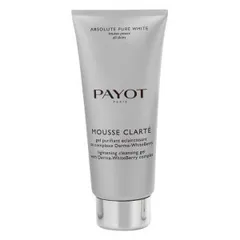
Clarté Lightening Cleansing Gel
Source: From product name
This product works by removing dirt and oil from the surface of the skin. It uses a combination of mild cleansing agents (cocamidopropyl betaine, disodium cocoamphodiacetate, peg-150 pentaerythrityl tetrastearate, sodium carboxymethyl oleyl polypropylamine, sodium laureth sulfate) and should be able to cleanse the skin gently. Still keep in mind that any cleansing can disrupt the skin barrier, and most people do not need to cleanse their skin more than once per day.
Even though this formulation is mild, the following cleansing agents could trigger an irritation or allergy for some people: cocamidopropyl betaine, sodium laureth sulfate
Helps water and oil mix together. Used as a cleansing ingredient. Could be an allergen
Helps oil and water mix together and works as a cleansing agent
Helps oil and water mix together
Works as a foaming cleansing agent
Anti-blemish
What does the product description say?
Helping to clarify your complexion, the cleanser helps reduce the look of pigmentation and prevent the flare-up of future blemishes.
Source: Lookfantastic Australia
This product might be able to help reduce blemishes and clogged pores because it contains niacinamide.
Is proven to be effective in reducing blemishes, evening out skin tone and helping to improve lines and wrinkles. It helps the skin to repair sun damage, calm down inflammation and keep maintain good levels of moisture. The concentration of about 2% is effective for supporting the skin barrier and evening out the skin tone. Concentration of 4-6% is better for helping with acne and balancing the sebum production
A stable derivative of vitamin C. It is oil-soluble which means it is more likely to penetrate the skin compared to the pure form of vitamin C (which is water-soluble), but it is less bio-available and is way less effective in stimulating collagen and reducing wrinkles compared to the pure form of vitamin C (L-ascorbic acid) and its other derivatives (for example, magnesium ascorbyl phosphate). At the same time, this vitamin C derivative has been shown in studies to be effective in reducing acne, blemishes and clogged pores. It is less irritating then the pure form of vitamin C
Traditionally used to treat sunburns, dermatitis and inflammation, but evidence for its effectiveness is lacking. The extract can contain humectants that help attract water into the skin
How honest is this product?
| Promise | Can it deliver? |
|---|---|
| Cleansing | |
| Anti-blemish |
Total Promises Fulfilled score: 87/100.
We receive a small commission for purchases made through these links at no cost for you. Thank you for your support! Learn more
Affiliate link · supports WIMJ at no cost to you
Potential irritants
Comedogenic ingredients
User reviews (0)
Averages from community submissions.
No reviews yet for this product.
Be the first to share your experience!
Tried this product?
Help capture what the ingredient list can't—texture, finish, pilling, scent, and more. Answer what you can, skip the rest.
Takes ~30 seconds.
Reviews are shown in aggregate. No personal details.
| Product | Similarity | Price | Irritancy |
|---|---|---|---|
 Payot Clarté Lightening Cleansing Gel | Current | ≈ $36.30 | |
Simple Kind Defence Anti-Bac Cleansing Wipes | 78% | ≈ $0.13 | |
 REVOLUTION SKINCARE Purifying Facial Gel Cleanser with Niacinamide | 78% | ≈ $8.46 | |
Kmart 2 in 1 Deep Gel Cleanser and Makeup Eraser - Salicylic Acid & Vitamin B3 | 78% | - | |
Celltone Spot Control Cleanser Gel Wash | 75% | - | |
 Acnecide Purifide Ph Control Face Wash | 75% | ≈ $13.21 |
Key Actives
Is proven to be effective in reducing blemishes, evening out skin tone and helping to improve lines and wrinkles. It helps the skin to repair sun damage, calm down inflammation and keep maintain good levels of moisture. The concentration of about 2% is effective for supporting the skin barrier and evening out the skin tone. Concentration of 4-6% is better for helping with acne and balancing the sebum production
A stable derivative of vitamin C. It is oil-soluble which means it is more likely to penetrate the skin compared to the pure form of vitamin C (which is water-soluble), but it is less bio-available and is way less effective in stimulating collagen and reducing wrinkles compared to the pure form of vitamin C (L-ascorbic acid) and its other derivatives (for example, magnesium ascorbyl phosphate). At the same time, this vitamin C derivative has been shown in studies to be effective in reducing acne, blemishes and clogged pores. It is less irritating then the pure form of vitamin C
Helps water and oil mix together. Used as a cleansing ingredient. Could be an allergen
Works as a foaming cleansing agent
Helps oil and water mix together
Helps oil and water mix together and works as a cleansing agent
Potential irritants
Helps water and oil mix together. Used as a cleansing ingredient. Could be an allergen
Works as a foaming cleansing agent
A plant extract that might contain arbutin, a compound that has skin-lightening properties. Might have some anti-oxidant activity. Is unlikely to be effective though in the concentrations typically used in skincare products
A plant extract that might contain a compound baicalin that could be helpful in neutralizing free radicals and reducing inflammation in skin. The baicalin concentration in skincare products is often too low for an effective action. Can be used for its fragrant properties
An aromatic blend of unspecified and possibly irritating ingredients
A fragrance. Can trigger allergic reactions and be irritating
A plant extract that helps attract water to the upper layer of the skin. It might be helpful in neutralizing free radicals in skin, but is less potent than the extract from the seeds
Traditionally used to treat sunburns, dermatitis and inflammation, but evidence for its effectiveness is lacking. The extract can contain humectants that help attract water into the skin
A stable derivative of vitamin C. It is oil-soluble which means it is more likely to penetrate the skin compared to the pure form of vitamin C (which is water-soluble), but it is less bio-available and is way less effective in stimulating collagen and reducing wrinkles compared to the pure form of vitamin C (L-ascorbic acid) and its other derivatives (for example, magnesium ascorbyl phosphate). At the same time, this vitamin C derivative has been shown in studies to be effective in reducing acne, blemishes and clogged pores. It is less irritating then the pure form of vitamin C
Helps oil and water mix together and works as a cleansing agent
Can work as an exfoliant but is typically used to adjust the product pH
Comedogenic ingredients
Works as a foaming cleansing agent
All ingredients
Helps water and oil mix together. Used as a cleansing ingredient. Could be an allergen
Works as a foaming cleansing agent
A plant extract that helps attract water to the upper layer of the skin. It might be helpful in neutralizing free radicals in skin, but is less potent than the extract from the seeds
A plant extract that might contain arbutin, a compound that has skin-lightening properties. Might have some anti-oxidant activity. Is unlikely to be effective though in the concentrations typically used in skincare products
A plant extract that might contain a compound baicalin that could be helpful in neutralizing free radicals and reducing inflammation in skin. The baicalin concentration in skincare products is often too low for an effective action. Can be used for its fragrant properties
Is proven to be effective in reducing blemishes, evening out skin tone and helping to improve lines and wrinkles. It helps the skin to repair sun damage, calm down inflammation and keep maintain good levels of moisture. The concentration of about 2% is effective for supporting the skin barrier and evening out the skin tone. Concentration of 4-6% is better for helping with acne and balancing the sebum production
Traditionally used to treat sunburns, dermatitis and inflammation, but evidence for its effectiveness is lacking. The extract can contain humectants that help attract water into the skin
A stable derivative of vitamin C. It is oil-soluble which means it is more likely to penetrate the skin compared to the pure form of vitamin C (which is water-soluble), but it is less bio-available and is way less effective in stimulating collagen and reducing wrinkles compared to the pure form of vitamin C (L-ascorbic acid) and its other derivatives (for example, magnesium ascorbyl phosphate). At the same time, this vitamin C derivative has been shown in studies to be effective in reducing acne, blemishes and clogged pores. It is less irritating then the pure form of vitamin C
Used to create a nice product texture and help delivery of other ingredients. Might be somewhat helpful in attracting water to the upper layer of the skin
Used to stabilize mixtures of oil and water, and create thicker, gel-like product textures
Helps oil and water mix together and works as a cleansing agent
Helps soften the upper layer of the skin and create a nice product finish
Can work as an exfoliant but is typically used to adjust the product pH
An aromatic blend of unspecified and possibly irritating ingredients
A fragrance. Can trigger allergic reactions and be irritating
A preservative. It helps prevent bacterial growth in cosmetic products
Ingredient list view
Water, Cocamidopropyl betaine, Sodium laureth sulfate, Saxifraga sarmentosa extract, Vitis vinifera fruit extract, Morus bombycis root extract, Scutellaria baicalensis root extract, Niacinamide, Aloe barbadensis leaf juice, Sodium ascorbyl phosphate, Butylene glycol, Sodium chloride, Peg-150 pentaerythrityl tetrastearate, Disodium cocoamphodiacetate, Sodium carboxymethyl oleyl polypropylamine, Polyquaternium-7, Sodium metabisulfite, Sodium sulfite, Citric acid, Parfum, Butylphenyl methylpropional, Hexyl cinnamal, Hydroxycitronellal, Linalool, Geraniol, Phenoxyethanol, Disodium edta, Methylparaben, Ethylparaben
- Surfactants and experimental irritant contact dermatitis
- Safety Assessment of Vitis Vinifera (Grape)-Derived Ingredients as Used in Cosmetics
- Physiological and Whitening Effects of Morus alba Extracts
- Scutellaria baicalensis, the golden herb from the garden of Chinese medicinal plants
- Flavonoids in Treating Psoriasis
- Improvement of skin barrier dysfunction by Scutellaria baicalensis GEOGI extracts through lactic acid fermentation
- Safety Assessment of Scutellaria baicalensis-Derived Ingredients as Used in Cosmetics
- Niacinamide - mechanisms of action and its topical use in dermatology
- Gehring, W. (2004). Nicotinic acid/niacinamide and the skin. Journal of Cosmetic Dermatology, 3(2), 88–93. doi:10.1111/j.1473-2130.2004.00115.x
- Sodium ascorbyl phosphate shows in vitro and in vivo efficacy in the prevention and treatment of acne vulgaris
- Sodium ascorbyl phosphate in topical microemulsions
- Final report of the safety assessment of L-Ascorbic Acid, Calcium Ascorbate, Magnesium Ascorbate, Magnesium Ascorbyl Phosphate, Sodium Ascorbate, and Sodium Ascorbyl Phosphate as used in cosmetics
- Regulation of collagen synthesis in human dermal fibroblasts by the sodium and magnesium salts of ascorbyl-2-phosphate
- Comparison of clinical efficacies of sodium ascorbyl phosphate, retinol and their combination in acne treatment
- Application of l-ascorbic acid and its derivatives (sodium ascorbyl phosphate and magnesium ascorbyl phosphate) in topical cosmetic formulations: stability studies
- Sodium L-ascorbyl-2-phosphate 5% lotion for the treatment of acne vulgaris: a randomized, double-blind, controlled trial
- Final report on the safety assessment of sodium sulfite, potassium sulfite, ammonium sulfite, sodium bisulfite, ammonium bisulfite, sodium metabisulfite and potassium metabisulfite
- Annex I: Clinical evidence regarding sensitisation to individual fragrance chemicals and to natural extracts