Works for
MoisturizingGlycerin, Chondrus crispus powder + 8 moreWorks
“86% said it made skin feel hydrated.”
This product can help improve hydration of the skin with the two types of ingredients.
The first type is called “humectants”:
these ingredients help attract water.
When humectants are on the surface of the skin, they “pull in” the moisture from the outside environment, or from
within deeper layers of the skin. The following ingredients in this product do the job:
glycerin, sodium hyaluronate.
This product also contains ingredients called “occlusives”. They help reduce the speed with which our skin loses moisture to the outside environment. These ingredients also help soften the upper layer of the skin, so it feels less tight and nicer to the touch. The following ingredients in this product do the job: squalene, beta-sitosterol.
Anti-oxidationSide benefit · Squalene, Ophiopogon japonicus root extract + 1 moreMay help
This product contains antioxidants (squalene) that can help neutralize free radicals in skin to lessen the damage it gets from the UV light (sun). There is some human evidence for this effect in skin, though it is smaller or less consistent than the evidence for the best antioxidants.
Can it cause trouble?
Irritancy3 strong irritants: Citrus aurantium dulcis fruit water, Rosa damascena extract + 1 more — patch-test recommendedHigh risk
Comedogenic2 ingredients rated 2 or more on the 0–5 pore-clogging scale2 flagged
User reviews
Be the first — your take helps the next person decide.
Ingredients
Filter by role to see what each ingredient is doing.
Water~40–60%
Citrus aurantium dulcis fruit water~5.2–7.8%
- Irritation risk
- High
Glycerin~3.7–5.6%
- Irritation risk
- Low
One of the best moisturizing ingredients. Naturally present in skin. It attracts water to the upper layer of the skin working as a humectant
More about GlycerinChondrus crispus powder~2.8–4.2%
- Irritation risk
- Low
- Comedogenicity
- 3/5
A powder from red algae extract that helps attract water to the upper layer of the skin and create a nicer product consistency
More about Chondrus crispus powderSodium levulinate~2–3%
Ophiopogon japonicus root extract~1.6–2.4%
- Irritation risk
- Medium
Plant extract that might help neutralize free radicals and support skin barrier function, but research on its effectiveness in skin is lacking
More about Ophiopogon japonicus root extractRosa damascena extract~1.4–2.1%
- Irritation risk
- High
Oil of a very fragrant pink rose used as fragrance in cosmetics. Extensive research has shown it has mixed benefits. In the pro column, inhaling this flower’s scent seems to have relaxing properties and the plant’s petals contain skin-soothing and antioxidant compounds that can benefit skin. On the flipside, the numerous chemicals that create this rose’s distinctive fragrance pose a risk of causing skin aggravation.
More about Rosa damascena extractSodium anisate~1.2–1.8%
Schizandra sphenanthera fruit extract~0.95–1.45%
- Irritation risk
- Low
Acacia senegal gum~0.85–1.25%
- Irritation risk
- Medium
Helps mask the small of other ingredients and improve the product texture
More about Acacia senegal gumXanthan gum~0.5–1.15%
- Irritation risk
- Low
Used to create a thicker product consistency
More about Xanthan gumGlycosphingolipids~0.45–1.05%
- Irritation risk
- Low
A type of lipids naturally present in skin. They can be converted to ceramides in skin
More about GlycosphingolipidsSodium dehydroacetate~0.3–0.6%
Sodium hyaluronate~0.35–0.8%
- Irritation risk
- Low
One of the best moisturizing ingredients. Attracts water into the upper layer of the skin
More about Sodium hyaluronateMaltodextrin~0.2–0.8%
- Irritation risk
- Low
Used to stabilize the product formulation and can help absorb oil
More about MaltodextrinGlycolipids~0.15–0.65%
- Irritation risk
- Low
Tocopherol~0.15–0.55%
- Irritation risk
- Low
Pure form of vitamin E. Can help moisturise and protect the skin from free radicals. Often used to help stabilise other ingredients or the formula itself
More about TocopherolLysolecithin~0.15–0.55%
- Irritation risk
- Low
Lecithin derivative. It helps oil and water mix together and can enhance penetration of other ingredients. It helps soften the upper layer of the skin
More about LysolecithinSclerotium gum~0.1–0.4%
- Irritation risk
- Low
Used to create gel-like formulas and stabilize emulsions
More about Sclerotium gumPullulan~0.1–0.35%
- Irritation risk
- High
Creates a thin drying film on the skin resulting in a short-term tightening effect
More about PullulanBeta-sitosterol~0.1–0.4%
- Irritation risk
- Low
A phytosterol that can support skin's barrier function and help the skin stay hydrated
More about Beta-sitosterolLactic acid~0.05–0.2%
- Irritation risk
- Medium
An exfoliating and moisturizing alpha-hydroxy acid (AHA). Typically causes less irritation than other AHAs, for example, glycolic acid. At high concentrations (about 15%), lactic acid can help reduce lines and wrinkles. Recent studies show that lactic acid can support the "good" bacteria living on skin's surface (healthy skin microbiome)
More about Lactic acidSqualene~0.1–0.3%
- Irritation risk
- Low
- Comedogenicity
- 2/5
An oil that is naturally part of skin sebum that helps to soften its upper layer, reduce water loss and neutralize free radicals. It might be comedogenic. Avoid applying large concentrations (or pure oil) before sun exposure as oxidized squalene can clog pores and lead to skin irritation. Today squalene is mostly derived from vegetable oils or synthetized by yeast
More about SqualeneSilica~0.1–0.35%
Ingredient list view
Water, Citrus aurantium dulcis fruit water, Glycerin, Chondrus crispus powder, Sodium levulinate, Ophiopogon japonicus root extract, Rosa damascena extract, Sodium anisate, Schizandra sphenanthera fruit extract, Acacia senegal gum, Xanthan gum, Glycosphingolipids, Sodium dehydroacetate, Sodium hyaluronate, Maltodextrin, Glycolipids, Tocopherol, Lysolecithin, Sclerotium gum, Pullulan, Beta-sitosterol, Lactic acid, Squalene, Silica
Compare prices
Retailers ranked by price — lowest first.
Affiliate links · As an Amazon Associate, WIMJ earns from qualifying purchases.
Worth comparing, line by line.
Match % combines shared ingredients, the first five ingredients, shared actives and hero ingredients, irritancy (lower counts in the alternative's favour), texture and body area. Only products in the same routine step are compared.
| Pai SkincareSystem D Cooling Eye SerumYOUR PRODUCT | Perricone MDHigh Potency Triple Retinol Renewal Eye Serum | Azio BeautyIntense Lifting EYE SERUM | Skyn IcelandBrightening Eye Serum | |
|---|---|---|---|---|
| Match | — | 42% | 39% | 39% |
| Price | — | $56.97 | $39.00 | $33.75 |
| Shared key ingredients | — | 4 of 6 | 3 of 6 | 2 of 6 |
| Key difference | — | Niacinamide | Pentapeptide-18 | Palmitoyl Hexapeptide-52 |
| Irritancy | High | Medium | Medium | Medium |
| Drying alcohol | — | — | — | — |
| View product | Shop | Shop | Shop |
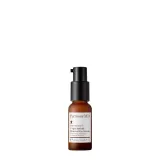
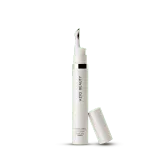

More alternatives: Ultralab Eye contour serumElizabeth Arden PREVAGE Anti-Ageing+ Intensive Repair Eye Serum
Sources cited in this review
Every concentration estimate and effectiveness label is anchored to one of these 15 studies and safety reviews.
- 1
- 2
- 3Cosmetic use of an ophiopogon japonicus active principlepatents.google.com
- 4
- 5Hyaluronic acid: A key molecule in skin agingncbi.nlm.nih.gov
- 6

Affiliate links · As an Amazon Associate, WIMJ earns from qualifying purchases.