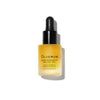
Olverum Facial Oil

Olverum Facial Oil

Efficacy87/100IrritancyHigh
Edit

Works for

2 of 2 advertised claims delivered

Anti-aging
4 ingredients credited for this claim
Strong support
What the product description says
“Created to treat the facial skin concerns that most affect your self-confidence, the formula works to brighten dull skin, calm signs of irritation, and reduce the appearance of fine lines, pores, and blemishes , restoring vitality to your skin and your spirit.”
Source: Face the future

This product can help reduce and prevent fine lines and wrinkles, improve skin elasticity and firmness because it contains bakuchiol.

Keep in mind that it typically takes at least 6 weeks to notice any results because the changes that are needed to improve fine lines and elasticity happen in the deeper layers of the skin. No topical anti-aging product can “erase” wrinkles or fully reverse signs of aging.

BakuchiolKey activeEffect: HighA plant extract that is, though different in chemical structure, acts similar to retinoids. First studies show that it can help reduce fine lines and wrinkles, improve skin tone, reduce clogged pores and blemishes, and reduce inflammation. There is no conclusive evidence that bakuchiol is as effective as retinol however. The study that directly compared retinol with bakuchiol used bakuchiol applied twice daily compared to once per day for the retinol. According to this study, bakuchiol is less irritating than retinol. Bakuchiol is extracted from seeds of Babchi plant. Other parts of the plant contain coumarins that could cause allergic and irritant reactions. These compounds should be removed in the extraction process when bakuchiol is produced, but it is a good idea to be cautious and stay away from products that include the Babchi plant extracts other than purified bakuchiol to avoid irritation~0.4–0.9%
Limnanthes alba seed oilEffect: LowThis oil's cmposition is closest to rapeseed oil. It is a very stable oil and serves as an emoillient~0.6–1.35%
Ascorbyl tetraisopalmitateUnder-dosedEffect: MediumA vitamin C derivative. Studies show that is might be effective in reducing hyperpigmentation, but there are no studies confirming that it is effectively converted into the bioavailable form of Vitamin C in skin. It is not clear how this derivative compares in effectiveness to the topical application of bioavailable form of vitamin C (L-ascorbic acid)~0.45–1%
TocopherolEffect: Low, below effective dosePure form of vitamin E. Can help moisturise and protect the skin from free radicals. Often used to help stabilise other ingredients or the formula itself~0.15–0.7%
Anti-blemish
1 ingredient credited for this claim
Good support
What the product description says
“Created to treat the facial skin concerns that most affect your self-confidence, the formula works to brighten dull skin, calm signs of irritation, and reduce the appearance of fine lines, pores, and blemishes , restoring vitality to your skin and your spirit.”
Source: Face the future

This product might be able to help reduce blemishes and clogged pores because it contains bakuchiol.

BakuchiolKey activeEffect: HighA plant extract that is, though different in chemical structure, acts similar to retinoids. First studies show that it can help reduce fine lines and wrinkles, improve skin tone, reduce clogged pores and blemishes, and reduce inflammation. There is no conclusive evidence that bakuchiol is as effective as retinol however. The study that directly compared retinol with bakuchiol used bakuchiol applied twice daily compared to once per day for the retinol. According to this study, bakuchiol is less irritating than retinol. Bakuchiol is extracted from seeds of Babchi plant. Other parts of the plant contain coumarins that could cause allergic and irritant reactions. These compounds should be removed in the extraction process when bakuchiol is produced, but it is a good idea to be cautious and stay away from products that include the Babchi plant extracts other than purified bakuchiol to avoid irritation~0.4–0.9%
Anti-oxidation
Not advertised by the brand · 8 ingredients credited for this claim
Strong support

This product contains antioxidants (bakuchiol) that can help neutralize free radicals in skin. By doing so, they can lessen the damage the skin gets from the UV light (sun).

BakuchiolKey activeEffect: HighA plant extract that is, though different in chemical structure, acts similar to retinoids. First studies show that it can help reduce fine lines and wrinkles, improve skin tone, reduce clogged pores and blemishes, and reduce inflammation. There is no conclusive evidence that bakuchiol is as effective as retinol however. The study that directly compared retinol with bakuchiol used bakuchiol applied twice daily compared to once per day for the retinol. According to this study, bakuchiol is less irritating than retinol. Bakuchiol is extracted from seeds of Babchi plant. Other parts of the plant contain coumarins that could cause allergic and irritant reactions. These compounds should be removed in the extraction process when bakuchiol is produced, but it is a good idea to be cautious and stay away from products that include the Babchi plant extracts other than purified bakuchiol to avoid irritation~0.4–0.9%
Sambucus nigra fruit extractEffect: LowA plant extract that may contain a small amount of essential oils. Might be helpful in neutralizing free radicals in skin~0.4–0.9%
Caryodendron orinocense seed oilEffect: LowA plant oil with a high content of linoleic acid that helps soften the upper layer of the skin and helps strengthen the skin barrier. It is an excellent moisturizer. Might have an anti-oxidant effect~0.45–1.1%
Rosa canina fruit oilEffect: LowA great emollient. Contains vitamin E (tocopherol) which may give it some anti-oxidant properties. Can contain volatile compounds and can be irritating~3–4.4%
Limnanthes alba seed oilEffect: LowThis oil's cmposition is closest to rapeseed oil. It is a very stable oil and serves as an emoillient~0.6–1.35%
Prunus armeniaca kernel oilEffect: LowAn emollient that helps soften the skin~1.6–2.4%
TocopherolUnder-dosedEffect: HighPure form of vitamin E. Can help moisturise and protect the skin from free radicals. Often used to help stabilise other ingredients or the formula itself~0.15–0.7%
Ascorbyl tetraisopalmitateUnder-dosedEffect: HighA vitamin C derivative. Studies show that is might be effective in reducing hyperpigmentation, but there are no studies confirming that it is effectively converted into the bioavailable form of Vitamin C in skin. It is not clear how this derivative compares in effectiveness to the topical application of bioavailable form of vitamin C (L-ascorbic acid)~0.45–1%
Evens skin tone
Not advertised by the brand · 2 ingredients credited for this claim
Strong support

This product can help reduce hypepigmentation and even out the skin tone because it contains the following effective ingredients: bakuchiol

Keep in mind that you would need to apply any topical skincare targetted at hypigmentation consistently for a couple of months to get a result. No topical skincare product can help get rid of hyperpigmentation (including post-acne marks and age spots) instantly.

BakuchiolKey activeEffect: HighA plant extract that is, though different in chemical structure, acts similar to retinoids. First studies show that it can help reduce fine lines and wrinkles, improve skin tone, reduce clogged pores and blemishes, and reduce inflammation. There is no conclusive evidence that bakuchiol is as effective as retinol however. The study that directly compared retinol with bakuchiol used bakuchiol applied twice daily compared to once per day for the retinol. According to this study, bakuchiol is less irritating than retinol. Bakuchiol is extracted from seeds of Babchi plant. Other parts of the plant contain coumarins that could cause allergic and irritant reactions. These compounds should be removed in the extraction process when bakuchiol is produced, but it is a good idea to be cautious and stay away from products that include the Babchi plant extracts other than purified bakuchiol to avoid irritation~0.4–0.9%
Ascorbyl tetraisopalmitateUnder-dosedEffect: MediumA vitamin C derivative. Studies show that is might be effective in reducing hyperpigmentation, but there are no studies confirming that it is effectively converted into the bioavailable form of Vitamin C in skin. It is not clear how this derivative compares in effectiveness to the topical application of bioavailable form of vitamin C (L-ascorbic acid)~0.45–1%
Moisturizing
Not advertised by the brand · 13 ingredients credited for this claim
Good support

This product can help soften the skin and reduce its moisture loss with emollients and occlusives: helianthus annuus seed oil, simmondsia chinensis seed oil.

Keep in mind that this product does not contain effective ingredients to attract water to the upper layer of the skin. This is why an additional product with humectants like glycerin or hyaluronic acid can be helpful (apply it before this product for the best results).

Limnanthes alba seed oilKey active· EmollientEffect: HighThis oil's cmposition is closest to rapeseed oil. It is a very stable oil and serves as an emoillient~0.6–1.35%
Rosa rubiginosa seed oilKey active· EmollientEffect: HighPlant oil that due to the high content of linoleic acid can support skin's barrier function and reduce moisture loss~0.45–1.05%
Simmondsia chinensis seed oilKey active· Emollient, OcclusiveEffect: HighSoftens the upper layer of skin and helps restore the healthy skin barrier. Has shown to help calm down inflammation in skin. It is a stable oil, meaning that it retains its properties even when exposed to air.~0.55–1.25%
SqualaneKey active· Emollient, OcclusiveEffect: HighAn oil naturally present in skin. Works as an emollient to soften the skin and form a protective layer on its surface without a greasy feeling.~0.5–1.2%
Rosa canina fruit oilKey active· EmollientEffect: HighA great emollient. Contains vitamin E (tocopherol) which may give it some anti-oxidant properties. Can contain volatile compounds and can be irritating~3–4.4%
Caryodendron orinocense seed oilKey active· EmollientEffect: HighA plant oil with a high content of linoleic acid that helps soften the upper layer of the skin and helps strengthen the skin barrier. It is an excellent moisturizer. Might have an anti-oxidant effect~0.45–1.1%
Prunus armeniaca kernel oilKey active· EmollientEffect: HighAn emollient that helps soften the skin~1.6–2.4%
Helianthus annuus seed oilKey active· Emollient, OcclusiveEffect: HighA great emollient due to its high linoleic acid content. One of the most effective plant oils in helping skin hydration and repairing skin barrier function~0.2–0.7%
Crambe abyssinica seed oilKey activeEffect: MediumHelps soften the upper layer of the skin~1–1.5%
Octyldodecanol· EmollientEffect: LowAn emollient that helps to soften the skin and create a pleasant product texture and stabilize the formulation~0.2–0.7%
C15-19 alkaneEffect: LowHelps soften the upper layer of the skin and create a nice product texture~0.6–1.35%
TocopherolEffect: Low, below effective dosePure form of vitamin E. Can help moisturise and protect the skin from free radicals. Often used to help stabilise other ingredients or the formula itself~0.15–0.7%
Ascorbyl tetraisopalmitateEffect: Low, below effective doseA vitamin C derivative. Studies show that is might be effective in reducing hyperpigmentation, but there are no studies confirming that it is effectively converted into the bioavailable form of Vitamin C in skin. It is not clear how this derivative compares in effectiveness to the topical application of bioavailable form of vitamin C (L-ascorbic acid)~0.45–1%

Can it cause trouble?

Irritancy
11 strong irritants: Lavandula angustifolia extract, Geranium maculatum extract + 9 more — patch-test recommended
High risk
We flagged 18 ingredients with irritancy potential. Severity depends on your sensitivity threshold; the table lists the worst offenders first.
IngredientFunctionIrritationEst. amount
Lavandula angustifolia extractUsed for fragrance and contains volatile compounds that can irritate the skinHigh~2.1–3.1%est.
Geranium maculatum extractContains an essential oil. Can be irritatingHigh~1.8–2.7%est.
Rosa rubiginosa seed oilPlant oil that due to the high content of linoleic acid can support skin's barrier function and reduce moisture lossHigh~0.45–1.05%est.
Sambucus nigra fruit extractA plant extract that may contain a small amount of essential oils. Might be helpful in neutralizing free radicals in skinHigh~0.4–0.9%est.
Salvia sclarea oil—High~0.35–0.8%est.
Pelargonium graveolens oilUsed as a fragrance. Can be irritatingHigh~0.35–0.75%est.
Lavandula angustifolia oilAn essential oil. Potential allergen and can be irritating. It has some anti-bacterial propertiesHigh~0.35–0.8%est.
ParfumAn aromatic blend of unspecified and possibly irritating ingredientsHigh~0.15–0.65%est.
CitronellolA fragrance. Can be irritatingHigh~0.1–0.45%est.
LinaloolA fragrance. Can be irritatingHigh~0.1–0.35%est.
CitralA fragrance with a lemon scent. A likely irritantHigh~0.05–0.25%est.
GeraniolA fragrance. Can be irritatingHigh~0.05–0.2%est.
Simmondsia chinensis seed oilSoftens the upper layer of skin and helps restore the healthy skin barrier. Has shown to help calm down inflammation in skin. It is a stable oil, meaning that it retains its properties even when exposed to air.Medium~25–37%est.
BakuchiolA plant extract that is, though different in chemical structure, acts similar to retinoids. First studies show that it can help reduce fine lines and wrinkles, improve skin tone, reduce clogged pores and blemishes, and reduce inflammation. There is no conclusive evidence that bakuchiol is as effective as retinol however. The study that directly compared retinol with bakuchiol used bakuchiol applied twice daily compared to once per day for the retinol. According to this study, bakuchiol is less irritating than retinol. Bakuchiol is extracted from seeds of Babchi plant. Other parts of the plant contain coumarins that could cause allergic and irritant reactions. These compounds should be removed in the extraction process when bakuchiol is produced, but it is a good idea to be cautious and stay away from products that include the Babchi plant extracts other than purified bakuchiol to avoid irritationMedium~5.1–7.7%est.
Rosa canina fruit oilA great emollient. Contains vitamin E (tocopherol) which may give it some anti-oxidant properties. Can contain volatile compounds and can be irritatingMedium~3–4.4%est.
Prunus armeniaca kernel oilAn emollient that helps soften the skinMedium~1.6–2.4%est.
Crambe abyssinica seed oilHelps soften the upper layer of the skinMedium~1–1.5%est.
Ascorbyl tetraisopalmitateA vitamin C derivative. Studies show that is might be effective in reducing hyperpigmentation, but there are no studies confirming that it is effectively converted into the bioavailable form of Vitamin C in skin. It is not clear how this derivative compares in effectiveness to the topical application of bioavailable form of vitamin C (L-ascorbic acid)Medium~0.45–1%est.
Comedogenic
Clean of flagged comedogenic ingredients
None flagged
Edit

User reviews

Would you recommend?
No community reviews yet.

Be the first — your take helps the next person decide.

Write a review · ~30s

Ingredients

Filter by role to see what each ingredient is doing.

Apricot, meadowfoam
Not recognized
Simmondsia chinensis seed oil~25–37%
Key activeIrritant · medium
Irritation risk
Medium
Works for
Moisturizing

Softens the upper layer of skin and helps restore the healthy skin barrier. Has shown to help calm down inflammation in skin. It is a stable oil, meaning that it retains its properties even when exposed to air.

More about Simmondsia chinensis seed oil
Caryodendron orinocense seed oil~5.8–8.7%
Key active
Irritation risk
Low
Works for
MoisturizingAnti-oxidation

A plant oil with a high content of linoleic acid that helps soften the upper layer of the skin and helps strengthen the skin barrier. It is an excellent moisturizer. Might have an anti-oxidant effect

More about Caryodendron orinocense seed oil
Bakuchiol~5.1–7.7%
Key activeIrritant · medium
Irritation risk
Medium
Works for
Anti-oxidationAnti-agingAnti-inflammatoryAnti-blemishEvens skin tone

A plant extract that is, though different in chemical structure, acts similar to retinoids. First studies show that it can help reduce fine lines and wrinkles, improve skin tone, reduce clogged pores and blemishes, and reduce inflammation. There is no conclusive evidence that bakuchiol is as effective as retinol however. The study that directly compared retinol with bakuchiol used bakuchiol applied twice daily compared to once per day for the retinol. According to this study, bakuchiol is less irritating than retinol. Bakuchiol is extracted from seeds of Babchi plant. Other parts of the plant contain coumarins that could cause allergic and irritant reactions. These compounds should be removed in the extraction process when bakuchiol is produced, but it is a good idea to be cautious and stay away from products that include the Babchi plant extracts other than purified bakuchiol to avoid irritation

More about Bakuchiol
Unspecified form of vitamin c~4–6%
Formula
Rosa canina fruit oil~3–4.4%
Key activeIrritant · medium
Irritation risk
Medium
Works for
MoisturizingAnti-oxidation

A great emollient. Contains vitamin E (tocopherol) which may give it some anti-oxidant properties. Can contain volatile compounds and can be irritating

More about Rosa canina fruit oil
Sambucus nigra extract~2.5–3.7%
Formula
Lavandula angustifolia extract~2.1–3.1%
Irritant · high
Irritation risk
High

Used for fragrance and contains volatile compounds that can irritate the skin

More about Lavandula angustifolia extract
Geranium maculatum extract~1.8–2.7%
Irritant · high
Irritation risk
High

Contains an essential oil. Can be irritating

More about Geranium maculatum extract
Prunus armeniaca kernel oil~1.6–2.4%
Key activeIrritant · medium
Irritation risk
Medium
Works for
MoisturizingAnti-oxidation

An emollient that helps soften the skin

More about Prunus armeniaca kernel oil
Crambe abyssinica seed oil~1–1.5%
Key activeIrritant · medium
Irritation risk
Medium
Works for
Moisturizing

Helps soften the upper layer of the skin

More about Crambe abyssinica seed oil
C15-19 alkane~0.6–1.35%
Formula
Irritation risk
Low
Works for
Moisturizing

Helps soften the upper layer of the skin and create a nice product texture

More about C15-19 alkane
Limnanthes alba seed oil~0.6–1.35%
Key active
Irritation risk
Low
Works for
MoisturizingAnti-oxidationAnti-aging

This oil's cmposition is closest to rapeseed oil. It is a very stable oil and serves as an emoillient

More about Limnanthes alba seed oil
Simmondsia chinensis seed oil~0.55–1.25%
Key activeIrritant · medium
Irritation risk
Medium
Works for
Moisturizing

Softens the upper layer of skin and helps restore the healthy skin barrier. Has shown to help calm down inflammation in skin. It is a stable oil, meaning that it retains its properties even when exposed to air.

More about Simmondsia chinensis seed oil
Squalane~0.5–1.2%
Key active
Irritation risk
Low
Works for
Moisturizing

An oil naturally present in skin. Works as an emollient to soften the skin and form a protective layer on its surface without a greasy feeling.

More about Squalane
Caryodendron orinocense seed oil~0.45–1.1%
Key active
Irritation risk
Low
Works for
MoisturizingAnti-oxidation

A plant oil with a high content of linoleic acid that helps soften the upper layer of the skin and helps strengthen the skin barrier. It is an excellent moisturizer. Might have an anti-oxidant effect

More about Caryodendron orinocense seed oil
Oryza sativa lipids~0.4–0.95%
Formula
Ascorbyl tetraisopalmitate~0.45–1%
Under-dosedIrritant · medium
Irritation risk
Medium
Works for
Anti-oxidationAnti-agingEvens skin toneMoisturizing

A vitamin C derivative. Studies show that is might be effective in reducing hyperpigmentation, but there are no studies confirming that it is effectively converted into the bioavailable form of Vitamin C in skin. It is not clear how this derivative compares in effectiveness to the topical application of bioavailable form of vitamin C (L-ascorbic acid)

More about Ascorbyl tetraisopalmitate
Rosa rubiginosa seed oil~0.45–1.05%
Key activeIrritant · high
Irritation risk
High
Works for
Moisturizing

Plant oil that due to the high content of linoleic acid can support skin's barrier function and reduce moisture loss

More about Rosa rubiginosa seed oil
Sambucus nigra fruit extract~0.4–0.9%
Irritant · high
Irritation risk
High
Works for
Anti-oxidation

A plant extract that may contain a small amount of essential oils. Might be helpful in neutralizing free radicals in skin

More about Sambucus nigra fruit extract
Bakuchiol~0.4–0.9%
Key activeIrritant · medium
Irritation risk
Medium
Works for
Anti-oxidationAnti-inflammatoryAnti-blemishEvens skin toneAnti-aging

A plant extract that is, though different in chemical structure, acts similar to retinoids. First studies show that it can help reduce fine lines and wrinkles, improve skin tone, reduce clogged pores and blemishes, and reduce inflammation. There is no conclusive evidence that bakuchiol is as effective as retinol however. The study that directly compared retinol with bakuchiol used bakuchiol applied twice daily compared to once per day for the retinol. According to this study, bakuchiol is less irritating than retinol. Bakuchiol is extracted from seeds of Babchi plant. Other parts of the plant contain coumarins that could cause allergic and irritant reactions. These compounds should be removed in the extraction process when bakuchiol is produced, but it is a good idea to be cautious and stay away from products that include the Babchi plant extracts other than purified bakuchiol to avoid irritation

More about Bakuchiol
Pogostemon cablin leaf extract~0.35–0.8%
Formula
Elettaria cardamomum seed oil~0.35–0.8%
Formula
Salvia sclarea oil~0.35–0.8%
Irritant · high
Pelargonium graveolens oil~0.35–0.75%
Irritant · high
Irritation risk
High

Used as a fragrance. Can be irritating

More about Pelargonium graveolens oil
Lavandula angustifolia oil~0.35–0.8%
Irritant · high
Irritation risk
High

An essential oil. Potential allergen and can be irritating. It has some anti-bacterial properties

More about Lavandula angustifolia oil
Parfum~0.15–0.65%
Irritant · high
Irritation risk
High

An aromatic blend of unspecified and possibly irritating ingredients

More about Parfum
Tocopherol~0.15–0.7%
Under-dosed
Irritation risk
Low
Works for
Anti-oxidationAnti-agingAnti-inflammatoryMoisturizing

Pure form of vitamin E. Can help moisturise and protect the skin from free radicals. Often used to help stabilise other ingredients or the formula itself

More about Tocopherol
Helianthus annuus seed oil~0.2–0.7%
Key active
Irritation risk
Low
Works for
Moisturizing

A great emollient due to its high linoleic acid content. One of the most effective plant oils in helping skin hydration and repairing skin barrier function

More about Helianthus annuus seed oil
Octyldodecanol~0.2–0.7%
Formula
Irritation risk
Low
Works for
Moisturizing

An emollient that helps to soften the skin and create a pleasant product texture and stabilize the formulation

More about Octyldodecanol
Citronellol~0.1–0.45%
Irritant · high
Irritation risk
High

A fragrance. Can be irritating

More about Citronellol
Linalool~0.1–0.35%
Irritant · high
Irritation risk
High

A fragrance. Can be irritating

More about Linalool
Citral~0.05–0.25%
Irritant · high
Irritation risk
High

A fragrance with a lemon scent. A likely irritant

More about Citral
Geraniol~0.05–0.2%
Irritant · high
Irritation risk
High

A fragrance. Can be irritating

More about Geraniol
Ingredient list view

Unknown, Simmondsia chinensis seed oil, Caryodendron orinocense seed oil, Bakuchiol, Unspecified form of vitamin c, Rosa canina fruit oil, Sambucus nigra extract, Lavandula angustifolia extract, Geranium maculatum extract, Prunus armeniaca kernel oil, Crambe abyssinica seed oil, C15-19 alkane, Limnanthes alba seed oil, Simmondsia chinensis seed oil, Squalane, Caryodendron orinocense seed oil, Oryza sativa lipids, Ascorbyl tetraisopalmitate, Rosa rubiginosa seed oil, Sambucus nigra fruit extract, Bakuchiol, Pogostemon cablin leaf extract, Elettaria cardamomum seed oil, Salvia sclarea oil, Pelargonium graveolens oil, Lavandula angustifolia oil, Parfum, Tocopherol, Helianthus annuus seed oil, Octyldodecanol, Citronellol, Linalool, Citral, Geraniol

Compare prices

Retailers ranked by price — lowest first.

Amazon US
Price unavailable
Check

Affiliate links · prices updated regularly · As an Amazon Associate, WIMJ earns from qualifying purchases.

Worth comparing, line by line.

Match % combines shared ingredients, the first five ingredients, shared actives and hero ingredients, irritancy (lower counts in the alternative's favour), texture and body area. Only products in the same routine step are compared.

Side-by-side comparison of this product against its closest alternatives
OlverumFacial OilYOUR PRODUCTgoopGOOPGENES Super Nutrient Face OilOmoroviczaMiracle Facial OilHerbarThe Face Oil
Match—82%82%81%
Price$79.32$88.20+$8.88$19.83−$59.49—
Shared key ingredients—4 of 95 of 92 of 9
Key difference—Emblica Officinalis Fruit ExtractBorago Officinalis Seed OilCannabis Sativa Seed Oil
Irritancy High High High Medium
Drying alcohol————
View product Shop Shop Shop
Cheaper alternatives? See how this stacks up against similar formulas.
We compare ingredient profiles across our catalog — pick the closest match for your budget.
Open dupe finder

Sources cited in this review

Every concentration estimate and effectiveness label is anchored to one of these 17 studies and safety reviews.

  1. 1
  2. 2
  3. 3
  4. 4
  5. 5
  6. 6
Olverum Facial Oil
OlverumFacial Oil

Affiliate links · As an Amazon Associate, WIMJ earns from qualifying purchases.

As an Amazon Associate, WIMJ earns from qualifying purchases.