Works for:
based on ingredients and %- Moisturizing
- Anti-oxidation
- Anti-blemish
Doesn't work for:
based on ingredients and %- Anti-aging
Can it cause trouble?
- Irritation risk: medium
- Comedogenic risk ingredients: 4
Key actives
Product Summary
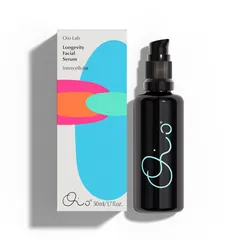
"Oio Lab - Intercellular Longevity Facial Serum" could be helpful for: Moisturizing and Anti-blemish, but its actives are not the most effective or are not well-studied.
Ingredient callouts
- Humectants (polyglycerin-3 0.10% - 0.20%, betaine 0.20% - 0.40% and glycerin 4.70% - 5.70%). These ingredients help attract water to the upper layer of the skin and improve the skin hydration.
Price
The product retails for 72.95£ in the United Kingdom.
For a detailed price comparison: click here.
Anti-blemish
This product might be able to help reduce blemishes and clogged pores because it contains ethyl linoleate.
Helps reduce acne and blemishes. Helps to soften the upper layer of the skin and reduce inflammation. Might be helpful in reducing hyperpigmentation and evening out the skin tone, but evidence of effectiveness in skin are lacking
Anti-oxidation
This product contains antioxidants (haematococcus pluvialis extract) that might be able to help neutralize free radicals in skin to lessen the damage it gets from the UV light (sun). There is not enough evidence to confirm their effectiveness in skin though.
Green algae extract that might contain antioxidant astaxanthin
An emollient that helps soften the skin. Might be somewhat helpful in evening the skin tone.
A great moisturizing ingredient that softens the skin and reduces water loss from its upper layer. It also can be helpful in protecting skin from free radicals
An emollient that helps soften the skin and might help calm down inflammation
A plant extract that can help to attract water to the upper layer of the skin and might have some anti-oxidant and anti-inflammatory properties
Pure form of vitamin E. Can help moisturise and protect the skin from free radicals. Often used to help stabilise other ingredients or the formula itself
A great emollient. Contains vitamin E (tocopherol) which may give it some anti-oxidant properties. Can contain volatile compounds and can be irritating
Being a lipid soluble form of vitamin C, it is more stable and can penetrate the skin better than L-Ascorbic acid. It is effective in protecting the skin from free radicals, as well as evening the skin tone, but is less effective in stimulating collagen production compared to L-Ascorbic acid.
Moisturizing
What does the product description say?
Inspired by the latests epigenetic and cellular metabolism research, it supports a healthier, more resilient complexion over time.Proven Results After One Use +36% increase in hydration and +25% improvement in skin smoothness just 30 minutes after application.
Source: Content
This product can help improve hydration of the skin with the two types of ingredients.
The first type is called “humectants”:
these ingredients help attract water.
When humectants are on the surface of the skin, they “pull in” the moisture from the outside environment, or from
within deeper layers of the skin. The following ingredients in this product do the job:
betaine, glycerin.
This product also contains ingredients called “occlusives”. They help reduce the speed with which our skin loses moisture to the outside environment. These ingredients also help soften the upper layer of the skin, so it feels less tight and nicer to the touch. The following ingredients in this product do the job: helianthus annuus seed oil, carthamus tinctorius seed oil.
A great emollient due to its high linoleic acid content. One of the most effective plant oils in helping skin hydration and repairing skin barrier function
Help attract water to the upper layer of the skin, soften it and support the skin barrier function
Helps soften the upper layer of the skin and support skin's barrier function while creating a thicker product consistency
Helps attract water to the upper layer of the skin and improves the product texture
A great moisturizing ingredient that softens the skin and reduces water loss from its upper layer. It also can be helpful in protecting skin from free radicals
An emollient that helps soften the skin and might help calm down inflammation
An emollient made of jojoba oil. Helps soften the skin and support its barrier function
Helps soften the upper layer of the skin
One of the best moisturizing ingredients. Naturally present in skin. It attracts water to the upper layer of the skin working as a humectant
Helps to attract water to the upper layer of the skin
Helps reduce acne and blemishes. Helps to soften the upper layer of the skin and reduce inflammation. Might be helpful in reducing hyperpigmentation and evening out the skin tone, but evidence of effectiveness in skin are lacking
Helps soften the upper layer of the skin and can help support the skin barrier
An emollient that helps soften the skin. Might be somewhat helpful in evening the skin tone.
Derived from brown algae. Helps attract water to the upper layer of the skin
Helps soften the upper layer of the skin
Help soften the upper layer of the skin
Mimosa flower fax. Helps soften the upper layer of the skin. It adds a nice smell, but could be irritating
A non-drying alcohol. Works as an emollient. Helps water and oil mix together and creates a nice product texture
A plant extract that can help to attract water to the upper layer of the skin and might have some anti-oxidant and anti-inflammatory properties
Ethyl oleate is a long-chain fatty acid ethyl ester resulting from the formal condensation of the carboxy group of oleic acid with the hydroxy group of ethanol. It derives from an oleic acid. In skincare, it is used to soften the upper layer of the skin, improve the product texture and smell
Used to preserve products, dissolve other ingredients and create a nice product texture
Helps oil and water mix together while softening the upper layer of the skin
A great emollient. Contains vitamin E (tocopherol) which may give it some anti-oxidant properties. Can contain volatile compounds and can be irritating
An exfoliating and moisturizing alpha-hydroxy acid (AHA). Typically causes less irritation than other AHAs, for example, glycolic acid. At high concentrations (about 15%), lactic acid can help reduce lines and wrinkles. Recent studies show that lactic acid can support the "good" bacteria living on skin's surface (healthy skin microbiome)
Pure form of vitamin E. Can help moisturise and protect the skin from free radicals. Often used to help stabilise other ingredients or the formula itself
Anti-aging
What does the product description say?
*After 28 Days +22% improvement in firmness, -9% reduction in wrinkle depth, and a visible increase in skin density^. 70% say their skin looks its best.
Source: Content
This product does not contain ingredients that are able to reduce fine lines and wrinkles or help with skin elasticity, but it can improve the look of the skin temporarily through moisturization. Well-moisturized skin might also be able to repair the sun damage better.This ingredient - glycine soja seed extract - could be helpful for preventing or repairing signs of aging in theory, but there is no evidence that it actually works.
This ingredient haematococcus pluvialis extract might be able to help neutralize free radicals in skin and help it fight off some of the sun damage.
An emollient that helps soften the skin. Might be somewhat helpful in evening the skin tone.
An exfoliating and moisturizing alpha-hydroxy acid (AHA). Typically causes less irritation than other AHAs, for example, glycolic acid. At high concentrations (about 15%), lactic acid can help reduce lines and wrinkles. Recent studies show that lactic acid can support the "good" bacteria living on skin's surface (healthy skin microbiome)
Pure form of vitamin E. Can help moisturise and protect the skin from free radicals. Often used to help stabilise other ingredients or the formula itself
Being a lipid soluble form of vitamin C, it is more stable and can penetrate the skin better than L-Ascorbic acid. It is effective in protecting the skin from free radicals, as well as evening the skin tone, but is less effective in stimulating collagen production compared to L-Ascorbic acid.
How honest is this product?
| Promise | Can it deliver? |
|---|---|
| Moisturizing | |
| Anti-aging |
Total Promises Fulfilled score: 62/100.
We receive a small commission for purchases made through these links at no cost for you. Thank you for your support! Learn more
Affiliate link · supports WIMJ at no cost to you
Potential irritants
Comedogenic ingredients
User reviews (0)
Averages from community submissions.
No reviews yet for this product.
Be the first to share your experience!
Tried this product?
Help capture what the ingredient list can't—texture, finish, pilling, scent, and more. Answer what you can, skip the rest.
Takes ~30 seconds.
Reviews are shown in aggregate. No personal details.
Key Actives
Pure form of vitamin E. Can help moisturise and protect the skin from free radicals. Often used to help stabilise other ingredients or the formula itself
Helps reduce acne and blemishes. Helps to soften the upper layer of the skin and reduce inflammation. Might be helpful in reducing hyperpigmentation and evening out the skin tone, but evidence of effectiveness in skin are lacking
A great emollient. Contains vitamin E (tocopherol) which may give it some anti-oxidant properties. Can contain volatile compounds and can be irritating
An emollient that helps soften the skin and might help calm down inflammation
A great moisturizing ingredient that softens the skin and reduces water loss from its upper layer. It also can be helpful in protecting skin from free radicals
One of the best moisturizing ingredients. Naturally present in skin. It attracts water to the upper layer of the skin working as a humectant
Help attract water to the upper layer of the skin, soften it and support the skin barrier function
Helps soften the upper layer of the skin and can help support the skin barrier
A great emollient due to its high linoleic acid content. One of the most effective plant oils in helping skin hydration and repairing skin barrier function
Green algae extract that might contain antioxidant astaxanthin
An emollient made of jojoba oil. Helps soften the skin and support its barrier function
Helps soften the upper layer of the skin
Helps soften the upper layer of the skin and support skin's barrier function while creating a thicker product consistency
Helps attract water to the upper layer of the skin and improves the product texture
Helps to attract water to the upper layer of the skin
Potential irritants
Mimosa flower fax. Helps soften the upper layer of the skin. It adds a nice smell, but could be irritating
Used to preserve products, dissolve other ingredients and create a nice product texture
Helps water and oil in the product mix well together and improves product texture
A great emollient. Contains vitamin E (tocopherol) which may give it some anti-oxidant properties. Can contain volatile compounds and can be irritating
An emollient that helps soften the skin. Might be somewhat helpful in evening the skin tone.
A plant extract that can help to attract water to the upper layer of the skin and might have some anti-oxidant and anti-inflammatory properties
Green algae extract that might contain antioxidant astaxanthin
Helps reduce acne and blemishes. Helps to soften the upper layer of the skin and reduce inflammation. Might be helpful in reducing hyperpigmentation and evening out the skin tone, but evidence of effectiveness in skin are lacking
Ethyl oleate is a long-chain fatty acid ethyl ester resulting from the formal condensation of the carboxy group of oleic acid with the hydroxy group of ethanol. It derives from an oleic acid. In skincare, it is used to soften the upper layer of the skin, improve the product texture and smell
An emollient made of jojoba oil. Helps soften the skin and support its barrier function
An exfoliating and moisturizing alpha-hydroxy acid (AHA). Typically causes less irritation than other AHAs, for example, glycolic acid. At high concentrations (about 15%), lactic acid can help reduce lines and wrinkles. Recent studies show that lactic acid can support the "good" bacteria living on skin's surface (healthy skin microbiome)
Being a lipid soluble form of vitamin C, it is more stable and can penetrate the skin better than L-Ascorbic acid. It is effective in protecting the skin from free radicals, as well as evening the skin tone, but is less effective in stimulating collagen production compared to L-Ascorbic acid.
Comedogenic ingredients
Derived from brown algae. Helps attract water to the upper layer of the skin
A plant extract that can help to attract water to the upper layer of the skin and might have some anti-oxidant and anti-inflammatory properties
A great moisturizing ingredient that softens the skin and reduces water loss from its upper layer. It also can be helpful in protecting skin from free radicals
A non-drying alcohol. Works as an emollient. Helps water and oil mix together and creates a nice product texture
All ingredients
One of the best moisturizing ingredients. Naturally present in skin. It attracts water to the upper layer of the skin working as a humectant
Used to stabilize the product formulation and can help absorb oil
Helps oil and water mix together while softening the upper layer of the skin
Used to preserve products, dissolve other ingredients and create a nice product texture
Helps water and oil in the product mix well together and improves product texture
A great emollient. Contains vitamin E (tocopherol) which may give it some anti-oxidant properties. Can contain volatile compounds and can be irritating
An emollient that helps soften the skin and might help calm down inflammation
An emollient that helps soften the skin. Might be somewhat helpful in evening the skin tone.
Help attract water to the upper layer of the skin, soften it and support the skin barrier function
Derived from brown algae. Helps attract water to the upper layer of the skin
Helps soften the upper layer of the skin and can help support the skin barrier
Dissolves other ingredients. It does not have additional skin benefits compared to plain water
A plant extract that can help to attract water to the upper layer of the skin and might have some anti-oxidant and anti-inflammatory properties
A great moisturizing ingredient that softens the skin and reduces water loss from its upper layer. It also can be helpful in protecting skin from free radicals
Pure form of vitamin E. Can help moisturise and protect the skin from free radicals. Often used to help stabilise other ingredients or the formula itself
A great emollient due to its high linoleic acid content. One of the most effective plant oils in helping skin hydration and repairing skin barrier function
Green algae extract that might contain antioxidant astaxanthin
Helps reduce acne and blemishes. Helps to soften the upper layer of the skin and reduce inflammation. Might be helpful in reducing hyperpigmentation and evening out the skin tone, but evidence of effectiveness in skin are lacking
Ethyl oleate is a long-chain fatty acid ethyl ester resulting from the formal condensation of the carboxy group of oleic acid with the hydroxy group of ethanol. It derives from an oleic acid. In skincare, it is used to soften the upper layer of the skin, improve the product texture and smell
Mimosa flower fax. Helps soften the upper layer of the skin. It adds a nice smell, but could be irritating
An emollient made of jojoba oil. Helps soften the skin and support its barrier function
Helps soften the upper layer of the skin and support skin's barrier function while creating a thicker product consistency
A non-drying alcohol. Works as an emollient. Helps water and oil mix together and creates a nice product texture
Helps attract water to the upper layer of the skin and improves the product texture
Acts as a solvent for other ingredients. Speeds up the absorption of other ingredients into the skin
An exfoliating and moisturizing alpha-hydroxy acid (AHA). Typically causes less irritation than other AHAs, for example, glycolic acid. At high concentrations (about 15%), lactic acid can help reduce lines and wrinkles. Recent studies show that lactic acid can support the "good" bacteria living on skin's surface (healthy skin microbiome)
Being a lipid soluble form of vitamin C, it is more stable and can penetrate the skin better than L-Ascorbic acid. It is effective in protecting the skin from free radicals, as well as evening the skin tone, but is less effective in stimulating collagen production compared to L-Ascorbic acid.
Ingredient list view
Water, Glycerin, Maltodextrin, Shea butter ethyl esters, Glyceryl stearate citrate, Pentylene glycol, Hydroxystearic/linolenic/oleic polyglycerides, Cetearyl glucoside, Rosa canina fruit oil, Carthamus tinctorius seed oil, Schinziophyton rautanenii kernel oil, Glycine soja seed extract, Collagen amino acids, Polianthes tuberosa callus extract, Punica granatum seed cell culture lysate, Hydrolyzed algin, Helianthus annuus sprout extract, Maris aqua, Sea water, Chlorella vulgaris extract, Butyrospermum parkii butter unsaponifiables, Tocopherol, Helianthus annuus seed oil, Haematococcus pluvialis extract, Ethyl linolenate, Ethyl linoleate, Ethyl oleate, Ethyl palmitate, Ethyl stearate, Ozone, Ozonized ethyl oleate, Unknown, Ethyl palmitate, Unknown, Ethyl stearate, Acacia decurrens flower cera, Acacia decurrens flower wax, Jojoba esters, Soybean glycerides, Helianthus annuus seed cera, Helianthus annuus seed wax, Inulin lauryl carbamate, Sorbitan olivate, Cetearyl alcohol, Betaine, Xanthan gum, Sodium levulinate, Propanediol, Lactic acid, Ascorbyl palmitate, Sodium anisate, Sodium phytate, Polyglycerin-3
- Glycerol and the skin: holistic approach to its origin and functions
- Safety Assessment of Plant Polysaccharide Gums as Used in Cosmetics
- Vitamin E in dermatology
- Vitamin E and Skin Health
- Effect of Olive and Sunflower Seed Oil on the Adult Skin Barrier: Implications for Neonatal Skin Care
- Topically Applied Sunflower Seed Oil Prevents Invasive Bacterial Infections in Preterm Infants in Egypt
- Effect of topically applied lipids on surfactant-irritated skin
- Impact of topical oils on the skin barrier: possible implications for neonatal health in developing countries
- Effective Inhibition of Skin Cancer, Tyrosinase, and Antioxidative Properties by Astaxanthin and Astaxanthin Esters from the Green Alga Haematococcus pluvialis
- Preliminary Clinical Evaluation of Toxicity and Efficacy of A New Astaxanthin-rich Haematococcus pluvialis Extract
- Astaxanthin in Skin Health, Repair, and Disease: A Comprehensive Review
- Ethyl linoleate inhibits α-MSH-induced melanogenesis through Akt/GSK3β/β-catenin signal pathway
- Double-blind, randomized, placebo-controlled study of a lotion containing triethyl citrate and ethyl linoleate in the treatment of acne vulgaris
- Final Report of the Safety Assessment of Acacia Catechu Gum, Acacia Concinna Fruit Extract, Acacia Dealbata Leaf Extract, Acacia Dealbata Leaf Wax, Acacia Decurrens Extract, Acacia Farnesiana Extract, Acacia Farnesiana Flower Wax, Acacia Farnesiana Gum, Acacia Senegal Extract, Acacia Senegal Gum, and Acacia Senegal Gum Extract1
- Epidermal and dermal effects of topical lactic acid
- Dual Effects of Alpha-Hydroxy Acids on the Skin