Works for:
based on ingredients and %- Cleansing
Can it cause trouble?
- Irritation risk: medium
- Comedogenic risk ingredients: 2
Key actives
Works for
Cleansing
What does the product description say?
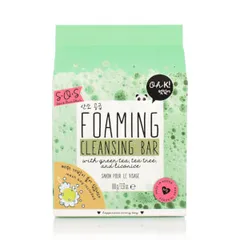
SOS Oxygenating Solid Cleanser
Source: From product name
This product works by removing dirt and oil from the surface of the skin.
It contains the following cleansing agents that tend to be harsh on the skin: sodium laureth sulfate.
Keep in mind that cleansing can disrupt the skin barrier, and most people do not need to cleanse their skin more than once per day.
Helps water and oil mix together. Has anti-bacterial properties that might be helpful in preventing blemishes
Helps soften the upper layer of the skin. At the same time, it can weaken the skin's barrier enhancing penetration of other ingredients and increasing the risk of skin dryness
Works as a foaming cleansing agent
Helps oil and water mix together and works as an emollient
How honest is this product?
| Promise | Can it deliver? |
|---|---|
| Cleansing |
Total Promises Fulfilled score: 75/100.
We receive a small commission for purchases made through these links at no cost for you. Thank you for your support! Learn more
Affiliate link · supports WIMJ at no cost to you
Potential irritants
Comedogenic ingredients
User reviews (0)
Averages from community submissions.
No reviews yet for this product.
Be the first to share your experience!
Tried this product?
Help capture what the ingredient list can't—texture, finish, pilling, scent, and more. Answer what you can, skip the rest.
Takes ~30 seconds.
Reviews are shown in aggregate. No personal details.
| Product | Similarity | Price | Irritancy |
|---|---|---|---|
 Oh K! SOS Oxygenating Solid Cleanser | Current | ≈ $13.35 | |
 Cetaphil Brightness Creamy Cleanser Niacinamide | 35% | ≈ $21.34 | |
 Dove Sensitive Skin Beauty Bar | 35% | ≈ $9.18 | |
 pdc Pure Natural Cleansing Face Wash | 33% | $8.70 | |
 NACIFIC Fresh Teatree Soap | 32% | - | |
 Clinique All About Clean™ Rinse-Off Foaming Cleanser | 32% | ≈ $9.27 |
Key Actives
Can contain potent anti-oxidant compounds (abbreviated ECG, GCG, EGC, and EGCG) that might help protect the skin from free radicals. Can help calm down inflammation and has some anti-bacterial properties. Unfortunately, these antioxidants are unstable and lose their effectiveness very quickly in products. The concentration of the antioxidant compounds in the extract also tends to be low to be effective in topical formulation
Helps water and oil mix together. Has anti-bacterial properties that might be helpful in preventing blemishes
Helps soften the upper layer of the skin. At the same time, it can weaken the skin's barrier enhancing penetration of other ingredients and increasing the risk of skin dryness
Helps oil and water mix together and works as an emollient
An emollient that helps soften the upper layer of the skin. Might have some weak anti-oxidant properties
Works as a foaming cleansing agent
One of the best moisturizing ingredients. Naturally present in skin. It attracts water to the upper layer of the skin working as a humectant
Potential irritants
Works as a foaming cleansing agent
A plant oil with high content of volatile compounds that, especially when exposed to air, can cause allergic reactions and irritate the skin
An essential oil that can be irritating. Has some anti-bacterial properties
Helps water and oil mix together. Has anti-bacterial properties that might be helpful in preventing blemishes
Helps soften the upper layer of the skin. At the same time, it can weaken the skin's barrier enhancing penetration of other ingredients and increasing the risk of skin dryness
An emollient that helps soften the upper layer of the skin. Might have some weak anti-oxidant properties
An emollient that helps soften the skin but is not effective for restoring its barrier function. Might be helpful to calm down inflammation
A great emollient. Contains vitamin E (tocopherol) which may give it some anti-oxidant properties. Can contain volatile compounds and can be irritating
A plant extract that can help lighten the skin and calm down inflammation. Might be helpful in neutralizing free radicals
Comedogenic ingredients
Helps water and oil mix together. Has anti-bacterial properties that might be helpful in preventing blemishes
Works as a foaming cleansing agent
All ingredients
Helps water and oil mix together. Has anti-bacterial properties that might be helpful in preventing blemishes
Helps soften the upper layer of the skin. At the same time, it can weaken the skin's barrier enhancing penetration of other ingredients and increasing the risk of skin dryness
Works as a foaming cleansing agent
One of the best moisturizing ingredients. Naturally present in skin. It attracts water to the upper layer of the skin working as a humectant
Helps attract water to the upper layer of the skin and improves the product texture
Used to create a nice product texture and help delivery of other ingredients. Might be somewhat helpful in attracting water to the upper layer of the skin
Can contain potent anti-oxidant compounds (abbreviated ECG, GCG, EGC, and EGCG) that might help protect the skin from free radicals. Can help calm down inflammation and has some anti-bacterial properties. Unfortunately, these antioxidants are unstable and lose their effectiveness very quickly in products. The concentration of the antioxidant compounds in the extract also tends to be low to be effective in topical formulation
An emollient that helps soften the upper layer of the skin. Might have some weak anti-oxidant properties
A plant oil with high content of volatile compounds that, especially when exposed to air, can cause allergic reactions and irritate the skin
An emollient that helps soften the skin but is not effective for restoring its barrier function. Might be helpful to calm down inflammation
A great emollient. Contains vitamin E (tocopherol) which may give it some anti-oxidant properties. Can contain volatile compounds and can be irritating
An essential oil that can be irritating. Has some anti-bacterial properties
A plant extract that can help lighten the skin and calm down inflammation. Might be helpful in neutralizing free radicals
Ingredient list view
Water, Stearic acid, Lauric acid, Oleic acid, Sodium hydroxide, Sodium laureth sulfate, Glycerin, Sorbitol, Butylene glycol, Camellia sinensis leaf extract, Argania spinosa kernel oil, Citrus nobilis peel oil, Olea europaea fruit oil, Rosa canina fruit oil, Melaleuca alternifolia leaf oil, Glycyrrhiza glabra root extract
- Anti-Inflammatory and Skin Barrier Repair Effects of Topical Application of Some Plant Oils
- https://www.sciencedirect.com/science/article/pii/0168365995000887
- Surfactants and experimental irritant contact dermatitis
- Glycerol and the skin: holistic approach to its origin and functions
- Natural vegetable fats in the prevention of irritant contact dermatitis