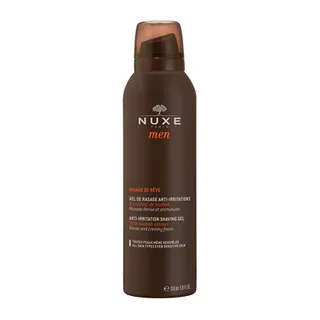
Works for
MoisturizingGlycerin, Caprylic/capric triglyceride + 10 moreWorks
“Ultra pigmented for 24 hours of intense colour and hydration”
This product can help improve hydration of the skin with the two types of ingredients.
The first type is called “humectants”:
these ingredients help attract water.
When humectants are on the surface of the skin, they “pull in” the moisture from the outside environment, or from
within deeper layers of the skin. The following ingredients in this product do the job:
biosaccharide gum-1, glycerin.
This product also contains ingredients called “occlusives”. They help reduce the speed with which our skin loses moisture to the outside environment. These ingredients also help soften the upper layer of the skin, so it feels less tight and nicer to the touch. The following ingredients in this product do the job: caprylic/capric triglyceride, hydrogenated polyisobutene.
ExfoliationSide benefit · Gluconolactone, AllantoinWorks well
This product can help exfoliate the skin. In other words, it helps break down the bonds between dead cells on the surface of the skin and speed up the skin turnover. Skin often appears softer and brighter after exfoliation, but overdoing it can result in disrupted skin barrier. The following ingredient is doing the exfoliating job in this product: gluconolactone.
Evens skin toneSide benefit · GluconolactoneWorks well
This product can help reduce hypepigmentation and even out the skin tone because it contains the following effective ingredients: gluconolactone
Keep in mind that you would need to apply any topical skincare targetted at hypigmentation consistently for a couple of months to get a result. No topical skincare product can help get rid of hyperpigmentation (including post-acne marks and age spots) instantly.
Anti-agingSide benefit · Gluconolactone, TocopherolWorks well
This product can help reduce and prevent fine lines and wrinkles, improve skin elasticity and firmness because it contains gluconolactone.
Keep in mind that it typically takes at least 6 weeks to notice any results because the changes that are needed to improve fine lines and elasticity happen in the deeper layers of the skin. No topical anti-aging product can “erase” wrinkles or fully reverse signs of aging.
Anti-oxidationSide benefit · Gluconolactone, Tocopheryl acetate + 2 moreMay help
This product contains antioxidants (gluconolactone) that can help neutralize free radicals in skin to lessen the damage it gets from the UV light (sun). There is some human evidence for this effect in skin, though it is smaller or less consistent than the evidence for the best antioxidants.
Can it cause trouble?
Irritancy2 strong irritants: Parfum, Santalum album extractMedium risk
ComedogenicClean of flagged comedogenic ingredientsNone flagged
User reviews
Be the first — your take helps the next person decide.
Ingredients
Filter by role to see what each ingredient is doing.
Water~45–55%
Palmitic acid~4.9–6%
- Irritation risk
- Low
An emollient that is naturally present in skin and helps soften it
More about Palmitic acidTriethanolamine~4.2–5.1%
- Irritation risk
- Medium
Used to adjust pH of the product and can help improve the product's smell
More about TriethanolamineOleth-20~4–4.9%
Isopentane~2.8–3.4%
- Irritation risk
- Low
Sorbitol~2.3–2.8%
- Irritation risk
- Low
Helps attract water to the upper layer of the skin and improves the product texture
More about SorbitolGlycerin~2–2.4%
- Irritation risk
- Low
One of the best moisturizing ingredients. Naturally present in skin. It attracts water to the upper layer of the skin working as a humectant
More about GlycerinIsobutane~1.6–2%
- Irritation risk
- High
Caprylic/capric triglyceride~1.5–1.9%
- Irritation risk
- Medium
A good mix of fatty acids that forms a protective layer on the skin. Improves the shelf life of products. Derived from coconut and glycerin
More about Caprylic/capric triglycerideCocamide mipa~1.2–1.5%
- Irritation risk
- Low
Surfactant - foam booster, viscosity increasing agent - aqueous, emulsifying, emulsion stabilising, foam boosting, surfactant, and viscosity controlling. Comes from coconut acid. Doesn't appear to be a common irritant
More about Cocamide mipaPhenoxyethanol~0.5–1%
- Irritation risk
- Low
A preservative. It helps prevent bacterial growth in cosmetic products
More about PhenoxyethanolHydroxyethyl urea~1–1.2%
- Irritation risk
- Low
A synthetic humectant made from urea. It pulls water into the upper layer of the skin about as well as glycerin, but without glycerin's stickiness. Unlike urea, it has not been shown to exfoliate. Lab and animal tests suggest a low risk of irritation at the levels used in products.
More about Hydroxyethyl ureaHydroxyethylcellulose~0.95–1.15%
- Irritation risk
- Low
Used to thicken product formulations and create gel-like textures
More about HydroxyethylcelluloseHydrogenated polyisobutene~0.9–1.15%
- Irritation risk
- Low
Used to improve the product consistency and soften the upper layer of the skin
More about Hydrogenated polyisobuteneParfum~0.75–1.1%
- Irritation risk
- High
An aromatic blend of unspecified and possibly irritating ingredients
More about ParfumGluconolactone~0.75–1.1%
- Irritation risk
- Medium
A polyhydroxy acid (PHA) that helps shed the dead cells from the skin surface revealing smoother skin. Is believed to be genter than AHAs. It helps attract water to the upper layer of the skin and can stimulate production of skin's own hyaluronic acid resulting in improved hydration levels. It has been shown to be helpful against acne and clogged pores if used consistently (e.g over a period of 12 weeks) in high enough concentration. It can help reduce fine lines and wrinkles and improve skin tone with long-term application. Can help neutralize free radicals
More about Gluconolactone1,2-hexanediol~0.7–1.05%
Caprylyl glycol~0.65–0.95%
- Irritation risk
- Medium
Helps preserve products and creates a nice product texture
More about Caprylyl glycolTocopheryl acetate~0.55–0.85%
- Irritation risk
- Medium
A more stable but less bio-available form of vitamin E compared to Tocopherol. Might help moisturize and protect the skin from free radicals, but mostly used in low concentrations to stabilize other ingredients.
More about Tocopheryl acetateAllantoin~0.5–0.75%
- Irritation risk
- Low
Helps calm down inflammation in skin and can help reduce itching. Helps to repair the skin barrier and keep skin hydrated
More about AllantoinBisabolol~0.45–0.7%
- Irritation risk
- Low
An active component of chamomile plant that historically has been used to calm down irritated skin. A recent study shows that bisabolol indeed can have some anti-inflammatory effect on skin, even though conclusive data is lacking. Bisabolol has a sweet floral scent and can be added to products for its aromatic properties
More about BisabololSodium benzoate~0.25–0.5%
Peg-14m~0.45–0.65%
- Irritation risk
- Low
Ethylhexylglycerin~0.35–0.6%
Hordeum distichon extract~0.3–0.55%
- Irritation risk
- Low
Bht~0.3–0.5%
Phellodendron amurense bark extract~0.25–0.5%
- Irritation risk
- Medium
A plant extract that might have an anti-inflammatory effect
More about Phellodendron amurense bark extractSantalum album extract~0.25–0.5%
Biosaccharide gum-1~0.2–0.35%
- Irritation risk
- Low
Helps attract water to the upper layer of the skin and is claimed to provide a longer-lasting hydration because of its ability to create a water-binding film on the surface of the skin
More about Biosaccharide gum-1Calcium gluconate~0.2–0.4%
- Irritation risk
- Low
Helps attract water to the upper layer of the skin and helps to improve appearance of the product
More about Calcium gluconateTropolone~0.15–0.3%
- Irritation risk
- Low
Silica~0.2–0.35%
Tocopherol~0.1–0.2%
- Irritation risk
- Low
Pure form of vitamin E. Can help moisturise and protect the skin from free radicals. Often used to help stabilise other ingredients or the formula itself
More about TocopherolIngredient list view
Water, Palmitic acid, Triethanolamine, Oleth-20, Isopentane, Sorbitol, Glycerin, Isobutane, Caprylic/capric triglyceride, Cocamide mipa, Phenoxyethanol, Hydroxyethyl urea, Hydroxyethylcellulose, Hydrogenated polyisobutene, Parfum, Gluconolactone, 1,2-hexanediol, Caprylyl glycol, Tocopheryl acetate, Allantoin, Bisabolol, Sodium benzoate, Peg-14m, Ethylhexylglycerin, Hordeum distichon extract, Bht, Phellodendron amurense bark extract, Santalum album extract, Biosaccharide gum-1, Calcium gluconate, Tropolone, Silica, Tocopherol
Compare prices
Retailers ranked by price — lowest first.
Affiliate links · As an Amazon Associate, WIMJ earns from qualifying purchases.
Worth comparing, line by line.
Match % combines shared ingredients, the first five ingredients, shared actives and hero ingredients, irritancy (lower counts in the alternative's favour), texture and body area. Only products in the same routine step are compared.
| NUXEMen Anti-Irritation Shaving GelYOUR PRODUCT | AveenoTherapeutic Shave Gel | EdgeUltra Sensitive Men's Shave Gel Ultra Sensitive with Oat Meal | FurShave Cream | |
|---|---|---|---|---|
| Match | — | 41% | 39% | 37% |
| Price | — | $4.47 | — | $32.00 |
| Shared key ingredients | — | 1 of 7 | 1 of 7 | 4 of 7 |
| Key difference | — | Panthenol | Avena Sativa Kernel Flour | Marshmallow Root Extract |
| Irritancy | Medium | Low | Low | High |
| Drying alcohol | — | — | — | — |
| View product | Shop | Shop | Shop |


More alternatives: Nivea Maximum Hydration Shaving GelSEB MAN The Gent Moisturising After-Shave Balm
Product summary
"NUXE - Men Anti-Irritation Shaving Gel" is effective for: Exfoliation
This product could be helpful for: Moisturizing, but its actives are not the most effective or are not well-studied.
Ingredient callouts
- This product contains acids (gluconolactone 0.75% - 1.10%). Their concentration is low, and they will not have a strong exfoliating effect. Instead, they work to support the skin natural acid mantle and to attract water (as humectants). PHAs (gluconolactone) especially are great for improving skin hydration. They might be even able to stimulate the production of skin's natural humectants and support the healthy skin microbiome.
- Humectants (biosaccharide gum-1 0.20% - 0.35%, hydroxyethyl urea 1.00% - 1.20% and glycerin 2.00% - 2.40%). These ingredients help attract water to the upper layer of the skin and improve the skin hydration.
Price
The product retails for 9.80£ in the United Kingdom and for 13.50$ in the United States.
For a detailed price comparison: click here.
Sources cited in this review
Every concentration estimate and effectiveness label is anchored to one of these 25 studies and safety reviews.
- 1
- 2
- 3Glycerin and hydroxyethyl urea: Comparing two skin moisturizers (Cosmetics & Toiletries 2004)cosmeticsandtoiletries.com
- 4Hydrovance technical data sheet (Nouryon, 2021)media.knowde.com
- 5NICNAS Full Public Report STD/1365: Hydroxyethyl Urea (2010)industrialchemicals.gov.au
- 6

Affiliate links · As an Amazon Associate, WIMJ earns from qualifying purchases.