Works for
MoisturizingGlycerin, Isododecane + 9 moreWorks
This product can help improve hydration of the skin with the two types of ingredients.
The first type is called “humectants”:
these ingredients help attract water.
When humectants are on the surface of the skin, they “pull in” the moisture from the outside environment, or from
within deeper layers of the skin. The following ingredients in this product do the job:
glycerin, propylene glycol.
This product also contains ingredients called “occlusives”. They help reduce the speed with which our skin loses moisture to the outside environment. These ingredients also help soften the upper layer of the skin, so it feels less tight and nicer to the touch. The following ingredients in this product do the job: caprylic/capric triglyceride, dimethicone.
Evens skin toneGlycyrrhiza glabra root extractNot delivered
This product contains ingredients (glycyrrhiza glabra root extract) that could help reduce hyperpigmentation (for example, post-acne marks or age spots) in theory, but there is not enough evidence that they actually work.
Anti-agingSodium ascorbyl phosphateNot delivered
Effective ingredients missing or their concentration is too low.
Can it cause trouble?
Irritancy5 strong irritants: Linalool, Citronellol + 3 more — patch-test recommendedHigh risk
Comedogenic1 ingredient rated 2 or more on the 0–5 pore-clogging scale1 flagged


User reviews
Be the first — your take helps the next person decide.
Ingredients
Filter by role to see what each ingredient is doing.
Water~45–55%
Glycerin~4.9–6%
- Irritation risk
- Low
One of the best moisturizing ingredients. Naturally present in skin. It attracts water to the upper layer of the skin working as a humectant
More about GlycerinIsododecane~4.2–5.2%
- Irritation risk
- Low
An emollient that helps soften the skin and can decrease moisture loss. Helps create a nice product texture
More about IsododecaneCaprylic/capric triglyceride~3.2–3.9%
- Irritation risk
- Medium
A good mix of fatty acids that forms a protective layer on the skin. Improves the shelf life of products. Derived from coconut and glycerin
More about Caprylic/capric triglyceridePalmitic acid~2.3–2.9%
- Irritation risk
- Low
An emollient that is naturally present in skin and helps soften it
More about Palmitic acidStearic acid~2–2.5%
- Irritation risk
- Low
Helps oil and water mix together and works as an emollient
More about Stearic acidCetyl alcohol~1.7–2%
- Irritation risk
- Low
A non-drying alcohol that works to soften the skin and stabilize product formulations helping oil and water mix together
More about Cetyl alcoholCetyl palmitate~1.5–1.8%
- Irritation risk
- Low
An emollient that helps soften the skin and is used to improve product texture and stability
More about Cetyl palmitateSodium ascorbyl phosphate~1.2–1.4%
- Irritation risk
- Medium
A stable derivative of vitamin C. It is oil-soluble which means it is more likely to penetrate the skin compared to the pure form of vitamin C (which is water-soluble), but it is less bio-available and is way less effective in stimulating collagen and reducing wrinkles compared to the pure form of vitamin C (L-ascorbic acid) and its other derivatives (for example, magnesium ascorbyl phosphate). At the same time, this vitamin C derivative has been shown in studies to be effective in reducing acne, blemishes and clogged pores. It is less irritating then the pure form of vitamin C
More about Sodium ascorbyl phosphateFragaria ananassa fruit juice~0.95–1.15%
- Irritation risk
- Low
Rubus fruticosus juice~0.7–1.05%
- Irritation risk
- Low
Rubus idaeus juice~0.55–0.8%
- Irritation risk
- Low
Vaccinium myrtillus fruit juice~0.5–0.75%
- Irritation risk
- Low
Glycyrrhiza glabra root extract~0.45–0.7%
- Irritation risk
- Medium
A plant extract that can help lighten the skin and calm down inflammation. Might be helpful in neutralizing free radicals
More about Glycyrrhiza glabra root extractDimethicone~0.5–0.75%
- Irritation risk
- Low
A silicone that helps to reduce water loss from the surface of the skin. Can temporarily "fill in" lines and wrinkles, absorb oil, and create a nice product finish
More about DimethiconeGlyceryl stearate~0.5–0.75%
- Irritation risk
- Low
An emollient that softens the skin and forms a protective layer on its surface. Helps water and oil mix together
More about Glyceryl stearateMyristic acid~0.5–0.7%
- Irritation risk
- Medium
- Comedogenicity
- 3/5
Helps oil and water mix together. Could be comedogenic
More about Myristic acidArachidic acid~0.5–0.75%
Oleic acid~0.4–0.65%
- Irritation risk
- Medium
Helps soften the upper layer of the skin. At the same time, it can weaken the skin's barrier enhancing penetration of other ingredients and increasing the risk of skin dryness
More about Oleic acidTocopheryl acetate~0.3–0.55%
- Irritation risk
- Medium
A more stable but less bio-available form of vitamin E compared to Tocopherol. Might help moisturize and protect the skin from free radicals, but mostly used in low concentrations to stabilize other ingredients.
More about Tocopheryl acetatePropylene glycol~0.25–0.5%
- Irritation risk
- High
Helps oil and water mix together and can enhance the penetration of other ingredients into the skin. It can be irritating
More about Propylene glycolOctocrylene~0.5–0.7%
- Irritation risk
- Medium
A weak sunscreen that protects against the sun rays that cause sunburn (UVB) and is somewhat effective against the UVA rays. It is quite stable and can help stabilize other, more vulnerable, sunscreen ingredients like Avobenzone. It is an organic, or so called "chemical" sunscreen
More about OctocrylenePhenylbenzimidazole sulfonic acid~0.45–0.7%
- Irritation risk
- Medium
Ensulizole. A UV filter that is effective against UVB rays. Does not protect against UVA light. It is photostable and can be used to help stabilize other sunscreen ingredients. It is water-soluble meaning that it can help create lighter sunscreen formulations
More about Phenylbenzimidazole sulfonic acidButyl methoxydibenzoylmethane~0.45–0.7%
- Irritation risk
- Medium
Avobenzone. An organic, or so-called "chemical" UV filter. Protects against both UVA and UVB rays. Needs to be combined with other filters in a formulation to be stable.
More about Butyl methoxydibenzoylmethaneCarbomer~0.25–0.45%
- Irritation risk
- Low
Helps create a thicker or gel-like product texture. It is not a surfactant but can be used in gentle cleansing formulations
More about CarbomerTrisodium edta~0.25–0.45%
Sodium hydroxide~0.25–0.45%
Ethylhexylglycerin~0.25–0.45%
Phenoxyethanol~0.25–0.45%
- Irritation risk
- Low
A preservative. It helps prevent bacterial growth in cosmetic products
More about PhenoxyethanolSodium benzoate~0.2–0.4%
Citric acid~0.2–0.4%
- Irritation risk
- Medium
Can work as an exfoliant but is typically used to adjust the product pH
More about Citric acidPotassium sorbate~0.2–0.4%
Bht~0.2–0.35%
Linalool~0.15–0.25%
Benzyl alcohol~0.1–0.2%
- Irritation risk
- High
A preservative. Can be used to mask unpleasant smell. Can be irritating
More about Benzyl alcoholCitronellol~0.1–0.25%
Limonene~0.1–0.2%
- Irritation risk
- High
A common frangrance that can easily irritate skin, especially if exposed to air, light or heat
More about LimoneneAlpha-isomethyl ionone~0.1–0.15%
- Irritation risk
- High
A fragrance. Potential allergen and can be irritating
More about Alpha-isomethyl iononeParfum~0.05–0.1%
- Irritation risk
- High
An aromatic blend of unspecified and possibly irritating ingredients
More about ParfumIngredient list view
Water, Glycerin, Isododecane, Caprylic/capric triglyceride, Palmitic acid, Stearic acid, Cetyl alcohol, Cetyl palmitate, Sodium ascorbyl phosphate, Fragaria ananassa fruit juice, Rubus fruticosus juice, Rubus idaeus juice, Vaccinium myrtillus fruit juice, Glycyrrhiza glabra root extract, Dimethicone, Glyceryl stearate, Myristic acid, Arachidic acid, Oleic acid, Tocopheryl acetate, Propylene glycol, Octocrylene, Phenylbenzimidazole sulfonic acid, Butyl methoxydibenzoylmethane, Carbomer, Trisodium edta, Sodium hydroxide, Ethylhexylglycerin, Phenoxyethanol, Sodium benzoate, Citric acid, Potassium sorbate, Bht, Linalool, Benzyl alcohol, Citronellol, Limonene, Alpha-isomethyl ionone, Parfum
Compare prices
Retailers ranked by price — lowest first.

Worth comparing, line by line.
Match % combines shared ingredients, the first five ingredients, shared actives and hero ingredients, irritancy (lower counts in the alternative's favour), texture and body area. Only products in the same routine step are compared.
| NiveaCrema Corporal Tono NaturalYOUR PRODUCT | Derma EOvernight Peel | SkinfoodRoyal Honey Essential Emulsion | BeautyBioThe Ultimate Hydrating Vitamin C Facial Moisturizer | |
|---|---|---|---|---|
| Match | — | 57% | 57% | 57% |
| Price | — | $13.50 | $29.77 | — |
| Shared key ingredients | — | 3 of 7 | 3 of 7 | 4 of 7 |
| Key difference | — | Lactic Acid | Lanolin | Retinyl Palmitate |
| Irritancy | High | Low | Medium | Medium |
| Drying alcohol | — | — | Contains drying alcohol | — |
| View product | Shop | Shop | Shop |

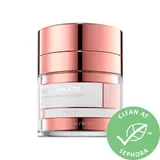
More alternatives: Instant Effects AM EnergiserAlgenist Regenerative Anti-Ageing Moisturiser
Product summary
"Nivea - Crema Corporal Tono Natural" could be helpful for: Moisturizing, but its actives are not the most effective or are not well-studied.
Ingredient callouts
- Humectants (glycerin 4.90% - 6.00%). These ingredients help attract water to the upper layer of the skin and improve the skin hydration.
Sources cited in this review
Every concentration estimate and effectiveness label is anchored to one of these 17 studies and safety reviews.
- 1
- 2
- 3Sodium ascorbyl phosphate in topical microemulsionssciencedirect.com
- 4
- 5
- 6

Affiliate links · As an Amazon Associate, WIMJ earns from qualifying purchases.