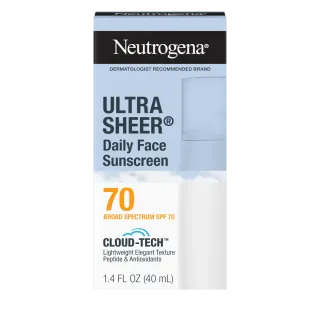
Neutrogena Ultra Sheer Daily Face Sunscreen SPF 70 with BEMT
Works for
Sun protectionSPF 70 · 4 UV filtersBroad spectrum
This product offers a good level of protection against both UVB and UVA rays.
This sunscreen uses organic (so-called "chemical") sunscreen filters. Organic, or "chemical" filters usually provide reliable sun protection and rarely leave a white cast. Sunscreens with organic filters can sting eyes.
This product can be considered "reef safe" because it does not contain the UV filters (oxybenzone and octinoxate) that can be harmful to coral reefs when present in the water in high concentrations.
Evens skin toneSide benefit · No ingredient credited for this claimWorks well
This product offers broad spectrum sun protection. It means that it can prevent hyperpigmentation and help keep the skin tone even (sun damage is the main factor causing age spots, darkening of post-acne marks and other discolorations).
Anti-agingSide benefit the brand mentions · No ingredient credited for this claimWorks well
“Helps prevent visible signs of aging.*”
This product can help prevent early signs of skin aging because it offers a good level of broad spectrum sun protection. Sun damage is the main cause of premature skin aging, and protecting your skin from the sun is the best anti-aging strategy.
Can it cause trouble?
Irritancy11 flagged ingredientsLow risk
ComedogenicClean of flagged comedogenic ingredientsNone flagged
User reviews
Be the first — your take helps the next person decide.
Ingredients
Filter by role to see what each ingredient is doing.
Butyl methoxydibenzoylmethane3%
- Irritation risk
- Medium
Avobenzone. An organic, or so-called "chemical" UV filter. Protects against both UVA and UVB rays. Needs to be combined with other filters in a formulation to be stable.
More about Butyl methoxydibenzoylmethaneBis-ethylhexyloxyphenol methoxyphenyl triazine6%
- Irritation risk
- Medium
Tinosorb S. One of the most effective broad spectrum sunscreen ingredients. Protects from both UVA and UVB rays. It is photostable. Approved by the US FDA in 2026 (listed as bemotrizinol on US labels).
More about Bis-ethylhexyloxyphenol methoxyphenyl triazineHomosalate15%
- Irritation risk
- Medium
A weak sunscreen that offers some protection against the sun rays that cause sunburn (UVB), but does not offer meaningful protection against protect against the most aging sun rays (UVA). It loses its effectiveness quickly when exposed to sunlight. It is an organic, or so called "chemical" sunscreen. When used in low concentrations, helps to stabilize the product formulation
More about HomosalateEthylhexyl salicylate5%
- Irritation risk
- Low
Octisalate. A UV filter. It offers some protection against the sun rays that cause sunburn (UVB), but does not protect against the most aging sun rays (UVA). It loses its effectiveness quickly when exposed to sunlight. It is an organic, or so called "chemical" sunscreen
More about Ethylhexyl salicylateWater~45–55%
Butyloctyl salicylate~7.8–9.5%
- Irritation risk
- Medium
A synthetic ester of salicylic acid that is used to help disperse pigments and boost effectiveness of sunscreen ingredients. It is able to absorb UV light (working as an organic, or chemical filter), but is not approved as a sunscreen ingredient on its own
More about Butyloctyl salicylateC12-15 alkyl benzoate~6–7.3%
- Irritation risk
- Low
Enhances the product texture and makes it more spreadable. Helps reduce water loss from the outer layer of skin. Extands the shelf life by preventing bacteria growth
More about C12-15 alkyl benzoateSilica~4.5–5.5%
Triacontanyl pvp~3.3–4%
- Irritation risk
- Low
Trilaureth-4 phosphate~2.3–2.9%
- Irritation risk
- Medium
Helps oil and water mix together
More about Trilaureth-4 phosphateAluminum starch octenylsuccinate~1.8–2.2%
- Irritation risk
- Medium
Used to thicken the product's consistency
More about Aluminum starch octenylsuccinatePhenoxyethanol~0.5–1%
- Irritation risk
- Low
A preservative. It helps prevent bacterial growth in cosmetic products
More about PhenoxyethanolHydroxyacetophenone~1.3–1.5%
Sodium acryloyldimethyltaurate/vp crosspolymer~1–1.2%
- Irritation risk
- Medium
Used to stabilize the product formulations
More about Sodium acryloyldimethyltaurate/vp crosspolymerGlyceryl stearate~1–1.2%
- Irritation risk
- Low
An emollient that softens the skin and forms a protective layer on its surface. Helps water and oil mix together
More about Glyceryl stearateChlorphenesin~0.16–0.32%
Disodium edta~0.45–0.7%
Tocopheryl acetate~0.4–0.6%
- Irritation risk
- Medium
A more stable but less bio-available form of vitamin E compared to Tocopherol. Might help moisturize and protect the skin from free radicals, but mostly used in low concentrations to stabilize other ingredients.
More about Tocopheryl acetateChrysanthemum parthenium flower/leaf/stem juice~0.25–0.45%
- Irritation risk
- Low
Acetyl dipeptide-31 amide~0.25–0.45%
- Irritation risk
- Low
Sodium hydroxide~0.2–0.4%
Ingredient list view
Butyl methoxydibenzoylmethane, Bis-ethylhexyloxyphenol methoxyphenyl triazine, Homosalate, Ethylhexyl salicylate, Water, Butyloctyl salicylate, C12-15 alkyl benzoate, Silica, Triacontanyl pvp, Trilaureth-4 phosphate, Aluminum starch octenylsuccinate, Phenoxyethanol, Hydroxyacetophenone, Sodium acryloyldimethyltaurate/vp crosspolymer, Glyceryl stearate, Chlorphenesin, Disodium edta, Tocopheryl acetate, Chrysanthemum parthenium flower/leaf/stem juice, Acetyl dipeptide-31 amide, Sodium hydroxide
Compare prices
Retailers ranked by price — lowest first.

Worth comparing, line by line.
Match % combines shared ingredients, the first five ingredients, shared actives and hero ingredients, irritancy (lower counts in the alternative's favour), texture and body area. Only products in the same routine step are compared.
| NeutrogenaUltra Sheer Daily Face Sunscreen SPF 70 with BEMTYOUR PRODUCT | DermaveenUltra light Day Lotion SPF 50+ | Sand & SkyAustralian Sunshield Daily Hydrating Sunscreen SPF50+ | CliniqueNEW UV Solutions Hydrating Sunscreen SPF 50 | |
|---|---|---|---|---|
| Match | — | 44% | 42% | 42% |
| Price | $199.68 | $7.97−$191.71 | — | $29.42−$170.26 |
| Shared key ingredients | — | 3 of 3 | 3 of 3 | 2 of 3 |
| Key difference | — | Avena Sativa Kernel Flour | Dimethicone | 7-Dehydrocholesterol |
| Irritancy | Low | Low | Low | Low |
| SPF | SPF 70 | SPF 50 | SPF 50 | SPF 50 |
| Drying alcohol | — | — | — | — |
| View product | Shop | Shop | Shop |
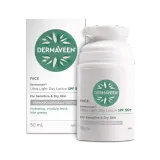
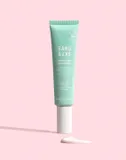
More alternatives: Face Reality Skincare Brilliant Defense SPF 50Eucerin Age Defense, Lightweight Sunscreen Lotion For Face, SPF 50
Sources cited in this review
Every concentration estimate and effectiveness label is anchored to one of these 3 studies and safety reviews.
- 1
- 2
- 3

Affiliate links · As an Amazon Associate, WIMJ earns from qualifying purchases.