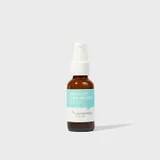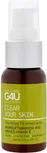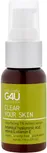
Naturally G4U Clear Your Skin - Resurfacing 1% Retinol Serum

Naturally G4U Clear Your Skin - Resurfacing 1% Retinol Serum

Efficacy100/100IrritancyHigh

Works for

Exfoliation
Retinol
Works well
What the product description says
“Resurfacing 1% Retinol Serum evens skin tone and texture, while supporting skin cell renewal.”
Source: Ulta

This product can help exfoliate the skin. In other words, it helps break down the bonds between dead cells on the surface of the skin and speed up the skin turnover. Skin often appears softer and brighter after exfoliation, but overdoing it can result in disrupted skin barrier. The following ingredient is doing the exfoliating job in this product: retinol.

RetinolKey activeEffect: HighTwo steps removed from the active form of vitamin A - retinoic acid. Once converted to the retinoic acid in the skin, retinol is proven to be effective against all signs of aging. It improves skin cell turnover, helps fight blemishes and clogged pores, can regulate excess oil production and even skin tone. It can, however, be quite irritating~0.85–1.25%
Anti-blemish
Retinol, Aloe barbadensis leaf juice + 1 more
Works well
What the product description says
“speed healing of minor blemishes, bring calm and balance bacteria Organic Aloe Leaf Juice .”
Source: Ulta

This product can help reduce breakouts and clogged pores because it contains the following ingredient: retinol. This ingredient is used for treating acne and can have a noticeable effect.

RetinolHeroEffect: HighTwo steps removed from the active form of vitamin A - retinoic acid. Once converted to the retinoic acid in the skin, retinol is proven to be effective against all signs of aging. It improves skin cell turnover, helps fight blemishes and clogged pores, can regulate excess oil production and even skin tone. It can, however, be quite irritating~0.85–1.25%
Aloe barbadensis leaf juiceEffect: Low, below effective doseTraditionally used to treat sunburns, dermatitis and inflammation, but evidence for its effectiveness is lacking. The extract can contain humectants that help attract water into the skin~1.5–2.2%
Camellia sinensis leaf extractEffect: Low, below effective doseCan contain potent anti-oxidant compounds (abbreviated ECG, GCG, EGC, and EGCG) that might help protect the skin from free radicals. Can help calm down inflammation and has some anti-bacterial properties. Unfortunately, these antioxidants are unstable and lose their effectiveness very quickly in products. The concentration of the antioxidant compounds in the extract also tends to be low to be effective in topical formulation~0.4–0.95%
Anti-aging
Retinol, Hyaluronic acid + 3 more
Works well
What the product description says
“supports skin elasticity and renewal, helps address the look of scars, fine lines and wrinkles Calendula .”
Source: Ulta

This product can help reduce and prevent fine lines and wrinkles, improve skin elasticity and firmness because it contains retinol.

Keep in mind that it typically takes at least 6 weeks to notice any results because the changes that are needed to improve fine lines and elasticity happen in the deeper layers of the skin. No topical anti-aging product can “erase” wrinkles or fully reverse signs of aging.

RetinolHeroEffect: HighTwo steps removed from the active form of vitamin A - retinoic acid. Once converted to the retinoic acid in the skin, retinol is proven to be effective against all signs of aging. It improves skin cell turnover, helps fight blemishes and clogged pores, can regulate excess oil production and even skin tone. It can, however, be quite irritating~0.85–1.25%
Hyaluronic acidEffect: LowOne of the best moisturizing ingredients. Attracts water into the upper layer of the skin. Naturally present in skin. Typically has large molecule size unless advertised otherwise on the product label. Helps support skin's barrier function and may help to reduce inflammation~3.6–5.4%
Aloe barbadensis leaf juiceEffect: Low, below effective doseTraditionally used to treat sunburns, dermatitis and inflammation, but evidence for its effectiveness is lacking. The extract can contain humectants that help attract water into the skin~1.5–2.2%
TocopherolEffect: Low, below effective dosePure form of vitamin E. Can help moisturise and protect the skin from free radicals. Often used to help stabilise other ingredients or the formula itself~0.45–1.05%
Camellia sinensis leaf extractEffect: Low, below effective doseCan contain potent anti-oxidant compounds (abbreviated ECG, GCG, EGC, and EGCG) that might help protect the skin from free radicals. Can help calm down inflammation and has some anti-bacterial properties. Unfortunately, these antioxidants are unstable and lose their effectiveness very quickly in products. The concentration of the antioxidant compounds in the extract also tends to be low to be effective in topical formulation~0.4–0.95%
Evens skin tone
Retinol, Camellia sinensis leaf extract
Works well
What the product description says
“Resurfacing 1% Retinol Serum evens skin tone and texture, while supporting skin cell renewal.”
Source: Ulta

This product can help reduce hypepigmentation and even out the skin tone because it contains the following effective ingredients: retinol.

Keep in mind that you would need to apply any topical skincare targetted at hypigmentation consistently for a couple of months to get a result. No topical skincare product can help get rid of hyperpigmentation (including post-acne marks and age spots) instantly.

RetinolHeroEffect: HighTwo steps removed from the active form of vitamin A - retinoic acid. Once converted to the retinoic acid in the skin, retinol is proven to be effective against all signs of aging. It improves skin cell turnover, helps fight blemishes and clogged pores, can regulate excess oil production and even skin tone. It can, however, be quite irritating~0.85–1.25%
Camellia sinensis leaf extractEffect: Low, below effective doseCan contain potent anti-oxidant compounds (abbreviated ECG, GCG, EGC, and EGCG) that might help protect the skin from free radicals. Can help calm down inflammation and has some anti-bacterial properties. Unfortunately, these antioxidants are unstable and lose their effectiveness very quickly in products. The concentration of the antioxidant compounds in the extract also tends to be low to be effective in topical formulation~0.4–0.95%
Anti-oxidation
Side benefit · Retinol, Calendula officinalis extract + 5 more
Works well

This product contains antioxidants (retinol) that can help neutralize free radicals in skin. By doing so, they can lessen the damage the skin gets from the UV light (sun).

RetinolKey activeEffect: HighTwo steps removed from the active form of vitamin A - retinoic acid. Once converted to the retinoic acid in the skin, retinol is proven to be effective against all signs of aging. It improves skin cell turnover, helps fight blemishes and clogged pores, can regulate excess oil production and even skin tone. It can, however, be quite irritating~0.85–1.25%
Calendula officinalis extractEffect: LowA plant extract that might help neutralize free radicals in skin~2.1–3.2%
Triticum vulgare germ oilEffect: LowA good emoillient. Contains vitamin E which can help neutralise free radicals, however the oil is unstable. Avoid if you have gluten or wheat sensitivity (including food allergies).~1.3–2%
Propolis extractEffect: LowA complex substance produced by honey bees. Can have anti-bacterial and some anti-oxidant effect. Is an allergen and can be irritating~0.35–0.85%
Tocopheryl acetateEffect: Low, below effective doseA more stable but less bio-available form of vitamin E compared to Tocopherol. Might help moisturize and protect the skin from free radicals, but mostly used in low concentrations to stabilize other ingredients.~0.55–1.25%
TocopherolUnder-dosedPure form of vitamin E. Can help moisturise and protect the skin from free radicals. Often used to help stabilise other ingredients or the formula itself~0.45–1.05%
Camellia sinensis leaf extractUnder-dosedCan contain potent anti-oxidant compounds (abbreviated ECG, GCG, EGC, and EGCG) that might help protect the skin from free radicals. Can help calm down inflammation and has some anti-bacterial properties. Unfortunately, these antioxidants are unstable and lose their effectiveness very quickly in products. The concentration of the antioxidant compounds in the extract also tends to be low to be effective in topical formulation~0.4–0.95%
Moisturizing
Side benefit · Cassia angustifolia seed polysaccharide, Hyaluronic acid + 9 more
Works

This product can help improve hydration of the skin with the two types of ingredients.

The first type is called “humectants”:
these ingredients help attract water. When humectants are on the surface of the skin, they “pull in” the moisture from the outside environment, or from within deeper layers of the skin. The following ingredients in this product do the job: glycerin, hyaluronic acid.

This product also contains ingredients called “occlusives”. They help reduce the speed with which our skin loses moisture to the outside environment. These ingredients also help soften the upper layer of the skin, so it feels less tight and nicer to the touch. The following ingredients in this product do the job: simmondsia chinensis seed oil, triticum vulgare germ oil.

Cassia angustifolia seed polysaccharideKey activeEffect: HighHelps attract water to the upper layer of the skin. Is sometimes referred to as "natural" hyaluronic acid (even though hyaluronic acid is not unnatural and is present in human skin)~5.3–7.9%
Hyaluronic acidKey active· HumectantEffect: HighOne of the best moisturizing ingredients. Attracts water into the upper layer of the skin. Naturally present in skin. Typically has large molecule size unless advertised otherwise on the product label. Helps support skin's barrier function and may help to reduce inflammation~3.6–5.4%
GlycerinKey active· HumectantEffect: HighOne of the best moisturizing ingredients. Naturally present in skin. It attracts water to the upper layer of the skin working as a humectant~1.8–2.8%
Triticum vulgare germ oilKey active· EmollientEffect: HighA good emoillient. Contains vitamin E which can help neutralise free radicals, however the oil is unstable. Avoid if you have gluten or wheat sensitivity (including food allergies).~1.3–2%
Simmondsia chinensis seed oilKey active· Emollient, OcclusiveEffect: HighSoftens the upper layer of skin and helps restore the healthy skin barrier. Has shown to help calm down inflammation in skin. It is a stable oil, meaning that it retains its properties even when exposed to air.~1.2–1.7%
Propolis extractKey activeEffect: MediumA complex substance produced by honey bees. Can have anti-bacterial and some anti-oxidant effect. Is an allergen and can be irritating~0.35–0.85%
Pentylene glycol· EmollientEffect: LowUsed to preserve products, dissolve other ingredients and create a nice product texture~0.35–0.8%
Aloe barbadensis leaf juiceEffect: Low, below effective doseTraditionally used to treat sunburns, dermatitis and inflammation, but evidence for its effectiveness is lacking. The extract can contain humectants that help attract water into the skin~1.5–2.2%
TocopherolEffect: Low, below effective dosePure form of vitamin E. Can help moisturise and protect the skin from free radicals. Often used to help stabilise other ingredients or the formula itself~0.45–1.05%
Camellia sinensis leaf extractEffect: Low, below effective doseCan contain potent anti-oxidant compounds (abbreviated ECG, GCG, EGC, and EGCG) that might help protect the skin from free radicals. Can help calm down inflammation and has some anti-bacterial properties. Unfortunately, these antioxidants are unstable and lose their effectiveness very quickly in products. The concentration of the antioxidant compounds in the extract also tends to be low to be effective in topical formulation~0.4–0.95%
LecithinEffect: Low, below effective doseUsed mostly for creating emulsions - helping oil and water mix together. Helps soften the upper layer of the skin~0.1–0.35%

Can it cause trouble?

Irritancy
3 strong irritants: Hamamelis virginiana water, Retinol + 1 more — patch-test recommended
High risk
We flagged 14 ingredients with irritancy potential. Severity depends on your sensitivity threshold; the table lists the worst offenders first.
IngredientFunctionIrritationEst. amount
Hamamelis virginiana waterA plant extract that can help calm down inflammation in skin. Can, however, itself be irritatingHigh~2.7–4.1%est.
Calendula officinalis extractA plant extract that might help neutralize free radicals in skinHigh~2.1–3.2%est.
RetinolTwo steps removed from the active form of vitamin A - retinoic acid. Once converted to the retinoic acid in the skin, retinol is proven to be effective against all signs of aging. It improves skin cell turnover, helps fight blemishes and clogged pores, can regulate excess oil production and even skin tone. It can, however, be quite irritatingHigh~0.85–1.25%est.
Propolis extractA complex substance produced by honey bees. Can have anti-bacterial and some anti-oxidant effect. Is an allergen and can be irritatingHigh~0.35–0.85%est.
AlcoholCan be drying and contribute to skin irritation. Used in formulars to dissolve other ingredients, create a thinner product consistency or for its antibacterial propertiesHigh~0.05–0.3%est.
Cassia angustifolia seed polysaccharideHelps attract water to the upper layer of the skin. Is sometimes referred to as "natural" hyaluronic acid (even though hyaluronic acid is not unnatural and is present in human skin)Medium~5.3–7.9%est.
Aloe barbadensis leaf juiceTraditionally used to treat sunburns, dermatitis and inflammation, but evidence for its effectiveness is lacking. The extract can contain humectants that help attract water into the skinMedium~1.5–2.2%est.
Simmondsia chinensis seed oilSoftens the upper layer of skin and helps restore the healthy skin barrier. Has shown to help calm down inflammation in skin. It is a stable oil, meaning that it retains its properties even when exposed to air.Medium~1.2–1.7%est.
Tocopheryl acetateA more stable but less bio-available form of vitamin E compared to Tocopherol. Might help moisturize and protect the skin from free radicals, but mostly used in low concentrations to stabilize other ingredients.Medium~0.55–1.25%est.
Pentylene glycolUsed to preserve products, dissolve other ingredients and create a nice product textureMedium~0.35–0.8%est.
Hydroxyethyl ethylcelluloseHelps water and oil mix togetherMedium~0.2–0.7%est.
CarrageenanHelps thicken the product formula and create a nice product formulationMedium~0.15–0.65%est.
Potassium sorbateA preservativeMedium~0.1–0.35%est.
EthylhexylglycerinA preservativeMedium~0.05–0.2%est.
Comedogenic
2 ingredients rated 2 or more on the 0–5 pore-clogging scale
2 flagged
These ingredients have a comedogenic rating of 2 or more on a 0–5 scale; the table shows each one's rating. In leave-on products they can clog pores in acne-prone skin.
IngredientFunctionRatingEst. amount
Triticum vulgare germ oilA good emoillient. Contains vitamin E which can help neutralise free radicals, however the oil is unstable. Avoid if you have gluten or wheat sensitivity (including food allergies).3/5~1.3–2%est.
CarrageenanHelps thicken the product formula and create a nice product formulation3/5~0.15–0.65%est.
Did this help you decide?

User reviews

Would you recommend?
No community reviews yet.

Be the first — your take helps the next person decide.

Ingredients

Filter by role to see what each ingredient is doing.

Water~40–60%
Formula
Irritation risk
Low

Plain old water

More about Water
Cassia angustifolia seed polysaccharide~5.3–7.9%
Key activeIrritant · medium
Irritation risk
Medium
Works for
Moisturizing

Helps attract water to the upper layer of the skin. Is sometimes referred to as "natural" hyaluronic acid (even though hyaluronic acid is not unnatural and is present in human skin)

More about Cassia angustifolia seed polysaccharide
Hyaluronic acid~3.6–5.4%
Key active
Irritation risk
Low
Works for
MoisturizingAnti-inflammatoryAnti-aging

One of the best moisturizing ingredients. Attracts water into the upper layer of the skin. Naturally present in skin. Typically has large molecule size unless advertised otherwise on the product label. Helps support skin's barrier function and may help to reduce inflammation

More about Hyaluronic acid
Hamamelis virginiana water~2.7–4.1%
Irritant · high
Irritation risk
High
Works for
Anti-inflammatory

A plant extract that can help calm down inflammation in skin. Can, however, itself be irritating

More about Hamamelis virginiana water
Calendula officinalis extract~2.1–3.2%
Irritant · high
Irritation risk
High
Works for
Anti-oxidationAnti-inflammatory

A plant extract that might help neutralize free radicals in skin

More about Calendula officinalis extract
Oil
Not recognized
Glycerin~1.8–2.8%
Key active
Irritation risk
Low
Works for
Moisturizing

One of the best moisturizing ingredients. Naturally present in skin. It attracts water to the upper layer of the skin working as a humectant

More about Glycerin
Aloe barbadensis leaf juice~1.5–2.2%
Irritant · medium
Irritation risk
Medium
Works for
MoisturizingAntibacterialReduces irritationReduces rednessAnti-inflammatoryAnti-blemishAnti-aging

Traditionally used to treat sunburns, dermatitis and inflammation, but evidence for its effectiveness is lacking. The extract can contain humectants that help attract water into the skin

More about Aloe barbadensis leaf juice
Triticum vulgare germ oil~1.3–2%
Key activeComedogenic 3/5
Irritation risk
Low
Comedogenicity
3/5
Works for
MoisturizingAnti-oxidation

A good emoillient. Contains vitamin E which can help neutralise free radicals, however the oil is unstable. Avoid if you have gluten or wheat sensitivity (including food allergies).

More about Triticum vulgare germ oil
Simmondsia chinensis seed oil~1.2–1.7%
Key activeIrritant · medium
Irritation risk
Medium
Works for
Moisturizing

Softens the upper layer of skin and helps restore the healthy skin barrier. Has shown to help calm down inflammation in skin. It is a stable oil, meaning that it retains its properties even when exposed to air.

More about Simmondsia chinensis seed oil
Retinol~0.85–1.25%
Hero · Anti-aging, Evens skin tone, Anti-blemishIrritant · high
Irritation risk
High
Works for
Anti-oxidationAnti-agingExfoliationMattifyingAnti-blemishEvens skin tone

Two steps removed from the active form of vitamin A - retinoic acid. Once converted to the retinoic acid in the skin, retinol is proven to be effective against all signs of aging. It improves skin cell turnover, helps fight blemishes and clogged pores, can regulate excess oil production and even skin tone. It can, however, be quite irritating

More about Retinol
Tocopheryl acetate~0.55–1.25%
Irritant · medium
Irritation risk
Medium
Works for
Anti-oxidation

A more stable but less bio-available form of vitamin E compared to Tocopherol. Might help moisturize and protect the skin from free radicals, but mostly used in low concentrations to stabilize other ingredients.

More about Tocopheryl acetate
Tocopherol~0.45–1.05%
Under-dosed
Irritation risk
Low
Works for
Anti-oxidationMoisturizingAnti-inflammatoryAnti-aging

Pure form of vitamin E. Can help moisturise and protect the skin from free radicals. Often used to help stabilise other ingredients or the formula itself

More about Tocopherol
Camellia sinensis leaf extract~0.4–0.95%
Under-dosed
Irritation risk
Low
Works for
Anti-oxidationAntibacterialAnti-agingAnti-blemishEvens skin toneMoisturizing

Can contain potent anti-oxidant compounds (abbreviated ECG, GCG, EGC, and EGCG) that might help protect the skin from free radicals. Can help calm down inflammation and has some anti-bacterial properties. Unfortunately, these antioxidants are unstable and lose their effectiveness very quickly in products. The concentration of the antioxidant compounds in the extract also tends to be low to be effective in topical formulation

More about Camellia sinensis leaf extract
Propolis extract~0.35–0.85%
Key activeIrritant · high
Irritation risk
High
Works for
MoisturizingAntibacterialAnti-oxidation

A complex substance produced by honey bees. Can have anti-bacterial and some anti-oxidant effect. Is an allergen and can be irritating

More about Propolis extract
Pentylene glycol~0.35–0.8%
Irritant · medium
Irritation risk
Medium
Works for
Moisturizing

Used to preserve products, dissolve other ingredients and create a nice product texture

More about Pentylene glycol
Hydroxyethyl ethylcellulose~0.2–0.7%
Irritant · medium
Irritation risk
Medium
Works for
Cleansing

Helps water and oil mix together

More about Hydroxyethyl ethylcellulose
Carrageenan~0.15–0.65%
Comedogenic 3/5Irritant · medium
Irritation risk
Medium
Comedogenicity
3/5

Helps thicken the product formula and create a nice product formulation

More about Carrageenan
Polysorbate 20~0.15–0.55%
Formula
Irritation risk
Low
Works for
Cleansing

Helps oil and water mix together

More about Polysorbate 20
Potassium sorbate~0.1–0.35%
Irritant · medium
Irritation risk
Medium

A preservative

More about Potassium sorbate
Sodium benzoate~0.1–0.35%
Formula
Irritation risk
Low

A preservative

More about Sodium benzoate
Alcohol~0.05–0.3%
Irritant · high
Irritation risk
High
Works for
Antibacterial

Can be drying and contribute to skin irritation. Used in formulars to dissolve other ingredients, create a thinner product consistency or for its antibacterial properties

More about Alcohol
Lecithin~0.1–0.35%
Formula
Irritation risk
Low
Works for
CleansingMoisturizing

Used mostly for creating emulsions - helping oil and water mix together. Helps soften the upper layer of the skin

More about Lecithin
Ethylhexylglycerin~0.05–0.2%
Irritant · medium
Irritation risk
Medium

A preservative

More about Ethylhexylglycerin
Ingredient list view

Water, Cassia angustifolia seed polysaccharide, Hyaluronic acid, Hamamelis virginiana water, Calendula officinalis extract, Unknown, Glycerin, Aloe barbadensis leaf juice, Triticum vulgare germ oil, Simmondsia chinensis seed oil, Retinol, Tocopheryl acetate, Tocopherol, Camellia sinensis leaf extract, Propolis extract, Pentylene glycol, Hydroxyethyl ethylcellulose, Carrageenan, Polysorbate 20, Potassium sorbate, Sodium benzoate, Alcohol, Lecithin, Ethylhexylglycerin

Compare prices

Retailers ranked by price — lowest first.

No pricing data available yet for this product.

Worth comparing, line by line.

Match % combines shared ingredients, the first five ingredients, shared actives and hero ingredients, irritancy (lower counts in the alternative's favour), texture and body area. Only products in the same routine step are compared.

Side-by-side comparison of this product against its closest alternatives
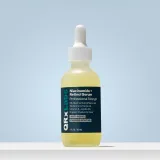
Naturally G4UClear Your Skin - Resurfacing 1% Retinol SerumYOUR PRODUCTCosmedica Skincare2.5% Retinol Facial SerumPetunia SkincareRetinol 2.5% SerumQXRLabs5% Niacinamide + Retinol Serum
Match—97%93%91%
Price—$18.00$14.90$19.00
Shared key ingredients—6 of 84 of 87 of 8
Key difference—Centella Asiatica ExtractTea ExtractNiacinamide
Irritancy High High Medium High
Drying alcohol Contains drying alcohol —— Contains drying alcohol
View product Shop Shop Shop

More alternatives: Dearskin Retinol Serum Double Retinol Dear Serum by Dearskin Retinaldehide 0.1% plus Pure Retinol 0.5% Anti-Aging Powerful Anti-Wrinkle Repair Regenerating SerumBiobare Renew & Repair - Ceramide + Collagen Ageless Serum

Cheaper alternatives? Browse formulas in the same category.
We compare ingredient profiles across our catalog — pick the closest match for your budget.
Open dupe finder
Naturally G4U Clear Your Skin - Resurfacing 1% Retinol Serum
Naturally G4UClear Your Skin - Resurfacing 1% Retinol Serum

Affiliate links · As an Amazon Associate, WIMJ earns from qualifying purchases.

As an Amazon Associate, WIMJ earns from qualifying purchases.