Doesn't work for:
based on ingredients and %- Moisturizing
Can it cause trouble?
- Irritation risk: high
- Comedogenic risk ingredients: 0
Key actives
Product Summary
Ingredient callouts
- "Natura Siberica - Oblepikha Intense Nutrition and Hydration Oblepikha Shower Gel" includes a form of Retinoids (vitamin A) - retinyl palmitate 0.30% - 0.55%, but this type of vitamin A is not very effective. It could in theory help with fine lines and wrinkles, but the effect is most likely minimal.
About the brand
According to Cruelty-Free Kitty "Natura Siberica" is cruelty free and so is its parent company.
Price
The product retails for 5.50£ in the United Kingdom.
For a detailed price comparison: click here.
Does not work for
Moisturizing
What does the product description say?
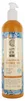
Oblepikha Intense Nutrition and Hydration Oblepikha Shower Gel
Source: From product name
Does not contain the most effective ingredients for moisturization. The emollients (macadamia ternifolia seed oil) can help soften the upper layer of the skin. Keep in mind though that this product lacks humectants that attract water. You might want to use a separate product with ingredients like hyaluronic acid or glycerin in addition (use before this product for the best results).
A plant oil that might somewhat help to neutralize free radicals. It could be irritating
Plant oil from nuts that helps soften the upper layer of the skin. Contains a high concentration of oleic acid that can weaken skin's barrier function and increase water-loss while enhancing penetration of other ingredients
An emollient that helps soften the upper layer of the skin. Might have some weak anti-oxidant properties
Used to add a nice rose smell to the product. Might help attract water to the upper layer of the skin and have some anti-oxidant effect. Can be irritating
Pure form of vitamin E. Can help moisturise and protect the skin from free radicals. Often used to help stabilise other ingredients or the formula itself
How honest is this product?
| Promise | Can it deliver? |
|---|---|
| Moisturizing |
Total Promises Fulfilled score: 50/100.
We receive a small commission for purchases made through these links at no cost for you. Thank you for your support! Learn more
Affiliate link · supports WIMJ at no cost to you
Potential irritants
Comedogenic ingredients
No comedogenic ingredients detected
User reviews (0)
Averages from community submissions.
No reviews yet for this product.
Be the first to share your experience!
Tried this product?
Help capture what the ingredient list can't—texture, finish, pilling, scent, and more. Answer what you can, skip the rest.
Takes ~30 seconds.
Reviews are shown in aggregate. No personal details.
Key Actives
Three steps removed from the active form of vitamin A - retinoic acid. To have an effect in the skin, it first needs to be converted twice to become the retinoic acid. This means it is less potent than retinol, but could also be less irritating. Once converted to the retinoic acid in the skin, it helps against all signs of aging, improves skin cell turnover and helps fight blemishes and clogged pores. However, in many cosmetic formulations, it is used in a concentration that is too low to have the full effect
Pure form of vitamin E. Can help moisturise and protect the skin from free radicals. Often used to help stabilise other ingredients or the formula itself
An emollient that helps soften the upper layer of the skin. Might have some weak anti-oxidant properties
Potential irritants
Helps water and oil mix together. Used as a cleansing ingredient. Could be an allergen
A plant oil that might somewhat help to neutralize free radicals. It could be irritating
Used as a cleansing agent (surfactant) in cleansers. Helps water and oil mix together in lotions. Can be irritating
Used to add a nice rose smell to the product. Might help attract water to the upper layer of the skin and have some anti-oxidant effect. Can be irritating
Three steps removed from the active form of vitamin A - retinoic acid. To have an effect in the skin, it first needs to be converted twice to become the retinoic acid. This means it is less potent than retinol, but could also be less irritating. Once converted to the retinoic acid in the skin, it helps against all signs of aging, improves skin cell turnover and helps fight blemishes and clogged pores. However, in many cosmetic formulations, it is used in a concentration that is too low to have the full effect
An aromatic blend of unspecified and possibly irritating ingredients
A preservative. Can be used to mask unpleasant smell. Can be irritating
A common frangrance that can easily irritate skin, especially if exposed to air, light or heat
Plant oil from nuts that helps soften the upper layer of the skin. Contains a high concentration of oleic acid that can weaken skin's barrier function and increase water-loss while enhancing penetration of other ingredients
An emollient that helps soften the upper layer of the skin. Might have some weak anti-oxidant properties
Can work as an exfoliant but is typically used to adjust the product pH
Comedogenic ingredients
We couldn't find any comedogenic ingredients in this product
All ingredients
Helps water and oil mix together. Used as a cleansing ingredient. Could be an allergen
Used to stabilize mixtures of oil and water, and create thicker, gel-like product textures
A plant oil that might somewhat help to neutralize free radicals. It could be irritating
Used as a cleansing agent (surfactant) in cleansers. Helps water and oil mix together in lotions. Can be irritating
Plant oil from nuts that helps soften the upper layer of the skin. Contains a high concentration of oleic acid that can weaken skin's barrier function and increase water-loss while enhancing penetration of other ingredients
An emollient that helps soften the upper layer of the skin. Might have some weak anti-oxidant properties
Used to add a nice rose smell to the product. Might help attract water to the upper layer of the skin and have some anti-oxidant effect. Can be irritating
Helps water and oil mix together and create a nice product texture
Three steps removed from the active form of vitamin A - retinoic acid. To have an effect in the skin, it first needs to be converted twice to become the retinoic acid. This means it is less potent than retinol, but could also be less irritating. Once converted to the retinoic acid in the skin, it helps against all signs of aging, improves skin cell turnover and helps fight blemishes and clogged pores. However, in many cosmetic formulations, it is used in a concentration that is too low to have the full effect
Pure form of vitamin E. Can help moisturise and protect the skin from free radicals. Often used to help stabilise other ingredients or the formula itself
An aromatic blend of unspecified and possibly irritating ingredients
A preservative. Can be used to mask unpleasant smell. Can be irritating
Can work as an exfoliant but is typically used to adjust the product pH
A common frangrance that can easily irritate skin, especially if exposed to air, light or heat
Ingredient list view
Water, Sodium coco-sulfate, Lauryl glucoside, Cocamidopropyl betaine, Sodium chloride, Hippophae rhamnoides fruit oil, Coco-glucoside, Glyceryl oleate, Pulmonaria officinalis extract, Unknown, Larix sibirica needle extract, Unknown, Linum usitatissimum seed oil, Macadamia ternifolia seed oil, Rubus arcticus fruit extract, Argania spinosa kernel oil, Rosa damascena flower water, Guar hydroxypropyltrimonium chloride, Hippophae rhamnoidesamidopropyl betaine, Pineamidopropyl betaine, Retinyl palmitate, Tocopherol, Parfum, Benzyl alcohol, Sodium benzoate, Potassium sorbate, Dehydroacetic acid, Citric acid, Ci 15985, Ci 19140, Limonene
- In Vitro Assessment of Skin Irritation Potential of Surfactant-based Formulations by Using a 3-D Skin Reconstructed Tissue Model and Cytokine Response
- Allergen of the Year—Alkyl Glucoside
- Contact Sensitization to Emulsifying Agents: An Underrated Issue?
- Fatty acids profile of oil from nine varieties of Macadamia nut
- Natural vegetable fats in the prevention of irritant contact dermatitis
- Annex I: Clinical evidence regarding sensitisation to individual fragrance chemicals and to natural extracts