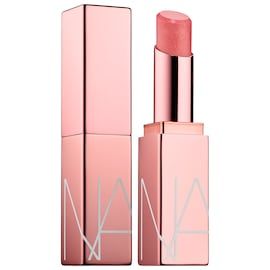
Works for
1 of 1 advertised claim delivered
Moisturizing11 ingredients credited for this claimGood support
“Provides long-lasting hydration for smooth, supple comfort. .”
This product can help improve hydration of the skin with the two types of ingredients.
The first type is called “humectants”:
these ingredients help attract water.
When humectants are on the surface of the skin, they “pull in” the moisture from the outside environment, or from
within deeper layers of the skin. The following ingredients in this product do the job:
lauryl pca.
This product also contains ingredients called “occlusives”. They help reduce the speed with which our skin loses moisture to the outside environment. These ingredients also help soften the upper layer of the skin, so it feels less tight and nicer to the touch. The following ingredients in this product do the job: bis-diglyceryl polyacyladipate-2, cera microcristallina.
Can it cause trouble?
Irritancy1 strong irritant: Gardenia taitensis flower extract — patch-test recommendedHigh risk
Comedogenic18 ingredients rated 2 or more on the 0–5 pore-clogging scale18 flagged
User reviews
Be the first — your take helps the next person decide.
Ingredients
Filter by role to see what each ingredient is doing.
Hydrogenated polyisobutene~22–33%
- Irritation risk
- Low
Used to improve the product consistency and soften the upper layer of the skin
More about Hydrogenated polyisobuteneTriisostearin~6.8–10.1%
- Irritation risk
- Low
Squalane~5–7.5%
- Irritation risk
- Low
An oil naturally present in skin. Works as an emollient to soften the skin and form a protective layer on its surface without a greasy feeling.
More about SqualaneDiphenylsiloxy phenyl trimethicone~3.9–5.8%
- Irritation risk
- Low
Help improve the product's texture
More about Diphenylsiloxy phenyl trimethiconeBis-diglyceryl polyacyladipate-2~3.2–4.7%
- Irritation risk
- Low
Helps soften the upper layer of the skin and reduce water loss from its surface
More about Bis-diglyceryl polyacyladipate-2Polyethylene~2.5–3.8%
Ethylhexyl methoxycinnamate~2.2–3.3%
- Irritation risk
- High
Octinoxate. When used in higher concentrations, works as a sunscreen protecting the skin from UVB rays. When used in lower concentration, helps to preserve the product formulation. Is shown to be harmful to coral reefs - consider avoiding bathing in coral reef areas when wearing a product with this ingredient. It can be irritating
More about Ethylhexyl methoxycinnamateMicrocrystalline wax~1.5–2.2%
Diisostearyl malate~1.2–1.9%
- Irritation risk
- Medium
Helps to soften the upper layer of the skin
More about Diisostearyl malateCocos nucifera oil~1–1.5%
- Irritation risk
- Low
- Comedogenicity
- 3/5
An emollient. Found to be as effective as a moisturizer for dry skin as mineral oil. Could be comedogenic
More about Cocos nucifera oilMica~0.9–1.35%
- Irritation risk
- Low
Creates an illusion of smoother and more radiant skin tone. Adds shimmer to the skin by reflecting light
More about MicaGlyceryl diisostearate~0.8–1.25%
Phenoxyethanol~0.5–1%
- Irritation risk
- Low
A preservative. It helps prevent bacterial growth in cosmetic products
More about PhenoxyethanolGardenia taitensis flower extract~0.4–0.95%
Simethicone~0.45–1.05%
- Irritation risk
- Low
A type of silicone that helps to create nice product texture and is used as an anti-foaming agent
More about SimethiconeTocopheryl acetate~0.4–0.95%
- Irritation risk
- Medium
A more stable but less bio-available form of vitamin E compared to Tocopherol. Might help moisturize and protect the skin from free radicals, but mostly used in low concentrations to stabilize other ingredients.
More about Tocopheryl acetateTrimethylolpropane triethylhexanoate~0.45–1%
- Irritation risk
- Low
Lauryl pca~0.35–0.8%
- Irritation risk
- Low
Helps attract water to the upper layer of the skin
More about Lauryl pcaSimmondsia chinensis seed oil~0.4–0.95%
- Irritation risk
- Medium
Softens the upper layer of skin and helps restore the healthy skin barrier. Has shown to help calm down inflammation in skin. It is a stable oil, meaning that it retains its properties even when exposed to air.
More about Simmondsia chinensis seed oilBht~0.35–0.8%
Silica~0.4–0.9%
Punica granatum flower extract~0.2–0.75%
- Irritation risk
- Low
Aluminum hydroxide~0.3–0.75%
- Irritation risk
- Low
Is used to add opaque (non-transparent) appearance to formulations. Can be used to coat other ingredients for even dispersion. This is a different ingredient compared to the ones used in antipersperants (aluminium chloride and aluminium chlorohydrate)
More about Aluminum hydroxidePolysilicone-2~0.2–0.75%
- Irritation risk
- Low
Tocopherol~0.2–0.75%
- Irritation risk
- Low
Pure form of vitamin E. Can help moisturise and protect the skin from free radicals. Often used to help stabilise other ingredients or the formula itself
More about TocopherolTin oxide~0.35–0.8%
- Irritation risk
- Low
A colorant that can add a pearl-like appearance to the formulation
More about Tin oxideTitanium dioxide~0.35–0.75%
- Irritation risk
- Low
Works as a UV filter when used in high concentrations. It is photostable and is effective mostly against the UVB light, with some protection in the UVA range. In small concentrations, used for its ability to improve the color of cosmetic products. Is usually well tolerated by the skin
More about Titanium dioxideCi 77891~0.15–0.7%
- Irritation risk
- Low
Iron oxides~0.15–0.7%
- Irritation risk
- Low
An umbrella term for the following three colorants: CI 77491, CI 77492, CI 77499. They might be able to offer some protection against visible light, but the degree of the protection is not clear
More about Iron oxidesCi 77491~0.2–0.7%
- Irritation risk
- Low
A red colorant made of iron oxide. Typically is not irritating
More about Ci 77491Ci 15850~0.2–0.7%
Ci 45410~0.2–0.7%
Ci 75470~0.2–0.7%
Hydrogenated polyisobutene~0.3–0.75%
- Irritation risk
- Low
Used to improve the product consistency and soften the upper layer of the skin
More about Hydrogenated polyisobuteneTriisostearin~0.15–0.7%
- Irritation risk
- Low
Polyethylene~0.45–1.05%
Squalane~0.35–0.8%
- Irritation risk
- Low
An oil naturally present in skin. Works as an emollient to soften the skin and form a protective layer on its surface without a greasy feeling.
More about SqualaneDiphenylsiloxy phenyl trimethicone~0.15–0.7%
- Irritation risk
- Low
Help improve the product's texture
More about Diphenylsiloxy phenyl trimethiconeBis-diglyceryl polyacyladipate-2~0.35–0.8%
- Irritation risk
- Low
Helps soften the upper layer of the skin and reduce water loss from its surface
More about Bis-diglyceryl polyacyladipate-2Ethylhexyl methoxycinnamate~0.4–0.9%
- Irritation risk
- High
Octinoxate. When used in higher concentrations, works as a sunscreen protecting the skin from UVB rays. When used in lower concentration, helps to preserve the product formulation. Is shown to be harmful to coral reefs - consider avoiding bathing in coral reef areas when wearing a product with this ingredient. It can be irritating
More about Ethylhexyl methoxycinnamateMicrocrystalline wax~0.2–0.75%
Cocos nucifera oil~0.2–0.75%
- Irritation risk
- Low
- Comedogenicity
- 3/5
An emollient. Found to be as effective as a moisturizer for dry skin as mineral oil. Could be comedogenic
More about Cocos nucifera oilPhenoxyethanol~0.2–0.75%
- Irritation risk
- Low
A preservative. It helps prevent bacterial growth in cosmetic products
More about PhenoxyethanolSynthetic wax~0.3–0.75%
- Irritation risk
- Low
Used to stabilize product formulations and thicken product consistency
More about Synthetic waxGardenia taitensis flower extract~0.15–0.7%
Diisostearyl malate~0.3–0.75%
- Irritation risk
- Medium
Helps to soften the upper layer of the skin
More about Diisostearyl malateSimethicone~0.3–0.75%
- Irritation risk
- Low
A type of silicone that helps to create nice product texture and is used as an anti-foaming agent
More about SimethiconeTocopheryl acetate~0.2–0.75%
- Irritation risk
- Medium
A more stable but less bio-available form of vitamin E compared to Tocopherol. Might help moisturize and protect the skin from free radicals, but mostly used in low concentrations to stabilize other ingredients.
More about Tocopheryl acetateGlyceryl diisostearate~0.35–0.8%
Lauryl pca~0.15–0.7%
- Irritation risk
- Low
Helps attract water to the upper layer of the skin
More about Lauryl pcaSimmondsia chinensis seed oil~0.35–0.8%
- Irritation risk
- Medium
Softens the upper layer of skin and helps restore the healthy skin barrier. Has shown to help calm down inflammation in skin. It is a stable oil, meaning that it retains its properties even when exposed to air.
More about Simmondsia chinensis seed oilBht~0.2–0.75%
Silica~0.35–0.8%
Isopropyl titanium triisostearate~0.35–0.8%
- Irritation risk
- Medium
Helps water and oil mix together
More about Isopropyl titanium triisostearatePunica granatum flower extract~0.15–0.7%
- Irritation risk
- Low
Mica~0.2–0.75%
- Irritation risk
- Low
Creates an illusion of smoother and more radiant skin tone. Adds shimmer to the skin by reflecting light
More about MicaTocopherol~0.2–0.75%
- Irritation risk
- Low
Pure form of vitamin E. Can help moisturise and protect the skin from free radicals. Often used to help stabilise other ingredients or the formula itself
More about TocopherolTin oxide~0.35–0.8%
- Irritation risk
- Low
A colorant that can add a pearl-like appearance to the formulation
More about Tin oxideCi 17200~0.2–0.7%
Titanium dioxide~0.35–0.75%
- Irritation risk
- Low
Works as a UV filter when used in high concentrations. It is photostable and is effective mostly against the UVB light, with some protection in the UVA range. In small concentrations, used for its ability to improve the color of cosmetic products. Is usually well tolerated by the skin
More about Titanium dioxideCi 77891~0.15–0.7%
- Irritation risk
- Low
Iron oxides~0.15–0.7%
- Irritation risk
- Low
An umbrella term for the following three colorants: CI 77491, CI 77492, CI 77499. They might be able to offer some protection against visible light, but the degree of the protection is not clear
More about Iron oxidesCi 77492~0.2–0.7%
Ci 15850~0.2–0.7%
Ci 45410~0.2–0.7%
Hydrogenated polyisobutene~0.3–0.75%
- Irritation risk
- Low
Used to improve the product consistency and soften the upper layer of the skin
More about Hydrogenated polyisobuteneTriisostearin~0.15–0.7%
- Irritation risk
- Low
Polyethylene~0.45–1.05%
Squalane~0.35–0.8%
- Irritation risk
- Low
An oil naturally present in skin. Works as an emollient to soften the skin and form a protective layer on its surface without a greasy feeling.
More about SqualaneDiphenylsiloxy phenyl trimethicone~0.15–0.7%
- Irritation risk
- Low
Help improve the product's texture
More about Diphenylsiloxy phenyl trimethiconeBis-diglyceryl polyacyladipate-2~0.35–0.8%
- Irritation risk
- Low
Helps soften the upper layer of the skin and reduce water loss from its surface
More about Bis-diglyceryl polyacyladipate-2Ethylhexyl methoxycinnamate~0.4–0.9%
- Irritation risk
- High
Octinoxate. When used in higher concentrations, works as a sunscreen protecting the skin from UVB rays. When used in lower concentration, helps to preserve the product formulation. Is shown to be harmful to coral reefs - consider avoiding bathing in coral reef areas when wearing a product with this ingredient. It can be irritating
More about Ethylhexyl methoxycinnamateMicrocrystalline wax~0.2–0.75%
Cocos nucifera oil~0.2–0.75%
- Irritation risk
- Low
- Comedogenicity
- 3/5
An emollient. Found to be as effective as a moisturizer for dry skin as mineral oil. Could be comedogenic
More about Cocos nucifera oilPhenoxyethanol~0.2–0.75%
- Irritation risk
- Low
A preservative. It helps prevent bacterial growth in cosmetic products
More about PhenoxyethanolSynthetic wax~0.3–0.75%
- Irritation risk
- Low
Used to stabilize product formulations and thicken product consistency
More about Synthetic waxGardenia taitensis flower extract~0.15–0.7%
Diisostearyl malate~0.3–0.75%
- Irritation risk
- Medium
Helps to soften the upper layer of the skin
More about Diisostearyl malateSimethicone~0.3–0.75%
- Irritation risk
- Low
A type of silicone that helps to create nice product texture and is used as an anti-foaming agent
More about SimethiconeTocopheryl acetate~0.2–0.75%
- Irritation risk
- Medium
A more stable but less bio-available form of vitamin E compared to Tocopherol. Might help moisturize and protect the skin from free radicals, but mostly used in low concentrations to stabilize other ingredients.
More about Tocopheryl acetateGlyceryl diisostearate~0.35–0.8%
Lauryl pca~0.15–0.7%
- Irritation risk
- Low
Helps attract water to the upper layer of the skin
More about Lauryl pcaSimmondsia chinensis seed oil~0.35–0.8%
- Irritation risk
- Medium
Softens the upper layer of skin and helps restore the healthy skin barrier. Has shown to help calm down inflammation in skin. It is a stable oil, meaning that it retains its properties even when exposed to air.
More about Simmondsia chinensis seed oilIsopropyl titanium triisostearate~0.35–0.8%
- Irritation risk
- Medium
Helps water and oil mix together
More about Isopropyl titanium triisostearateBht~0.2–0.75%
Silica~0.35–0.8%
Punica granatum flower extract~0.15–0.7%
- Irritation risk
- Low
Mica~0.2–0.75%
- Irritation risk
- Low
Creates an illusion of smoother and more radiant skin tone. Adds shimmer to the skin by reflecting light
More about MicaTocopherol~0.2–0.75%
- Irritation risk
- Low
Pure form of vitamin E. Can help moisturise and protect the skin from free radicals. Often used to help stabilise other ingredients or the formula itself
More about TocopherolTin oxide~0.35–0.8%
- Irritation risk
- Low
A colorant that can add a pearl-like appearance to the formulation
More about Tin oxideTitanium dioxide~0.35–0.75%
- Irritation risk
- Low
Works as a UV filter when used in high concentrations. It is photostable and is effective mostly against the UVB light, with some protection in the UVA range. In small concentrations, used for its ability to improve the color of cosmetic products. Is usually well tolerated by the skin
More about Titanium dioxideCi 77891~0.15–0.7%
- Irritation risk
- Low
Ci 15850~0.2–0.7%
Ci 45410~0.2–0.7%
Ci 15850~0.2–0.7%
Hydrogenated polyisobutene~0.3–0.75%
- Irritation risk
- Low
Used to improve the product consistency and soften the upper layer of the skin
More about Hydrogenated polyisobuteneTriisostearin~0.15–0.7%
- Irritation risk
- Low
Polyethylene~0.45–1.05%
Squalane~0.35–0.8%
- Irritation risk
- Low
An oil naturally present in skin. Works as an emollient to soften the skin and form a protective layer on its surface without a greasy feeling.
More about SqualaneDiphenylsiloxy phenyl trimethicone~0.15–0.7%
- Irritation risk
- Low
Help improve the product's texture
More about Diphenylsiloxy phenyl trimethiconeBis-diglyceryl polyacyladipate-2~0.35–0.8%
- Irritation risk
- Low
Helps soften the upper layer of the skin and reduce water loss from its surface
More about Bis-diglyceryl polyacyladipate-2Ethylhexyl methoxycinnamate~0.4–0.9%
- Irritation risk
- High
Octinoxate. When used in higher concentrations, works as a sunscreen protecting the skin from UVB rays. When used in lower concentration, helps to preserve the product formulation. Is shown to be harmful to coral reefs - consider avoiding bathing in coral reef areas when wearing a product with this ingredient. It can be irritating
More about Ethylhexyl methoxycinnamateMicrocrystalline wax~0.2–0.75%
Cocos nucifera oil~0.2–0.75%
- Irritation risk
- Low
- Comedogenicity
- 3/5
An emollient. Found to be as effective as a moisturizer for dry skin as mineral oil. Could be comedogenic
More about Cocos nucifera oilPhenoxyethanol~0.2–0.75%
- Irritation risk
- Low
A preservative. It helps prevent bacterial growth in cosmetic products
More about PhenoxyethanolSynthetic wax~0.3–0.75%
- Irritation risk
- Low
Used to stabilize product formulations and thicken product consistency
More about Synthetic waxGardenia taitensis flower extract~0.15–0.7%
Diisostearyl malate~0.3–0.75%
- Irritation risk
- Medium
Helps to soften the upper layer of the skin
More about Diisostearyl malateSimethicone~0.3–0.75%
- Irritation risk
- Low
A type of silicone that helps to create nice product texture and is used as an anti-foaming agent
More about SimethiconeTocopheryl acetate~0.2–0.75%
- Irritation risk
- Medium
A more stable but less bio-available form of vitamin E compared to Tocopherol. Might help moisturize and protect the skin from free radicals, but mostly used in low concentrations to stabilize other ingredients.
More about Tocopheryl acetateGlyceryl diisostearate~0.35–0.8%
Lauryl pca~0.15–0.7%
- Irritation risk
- Low
Helps attract water to the upper layer of the skin
More about Lauryl pcaSimmondsia chinensis seed oil~0.35–0.8%
- Irritation risk
- Medium
Softens the upper layer of skin and helps restore the healthy skin barrier. Has shown to help calm down inflammation in skin. It is a stable oil, meaning that it retains its properties even when exposed to air.
More about Simmondsia chinensis seed oilBht~0.2–0.75%
Isopropyl titanium triisostearate~0.35–0.8%
- Irritation risk
- Medium
Helps water and oil mix together
More about Isopropyl titanium triisostearateSilica~0.35–0.8%
Punica granatum flower extract~0.15–0.7%
- Irritation risk
- Low
Mica~0.2–0.75%
- Irritation risk
- Low
Creates an illusion of smoother and more radiant skin tone. Adds shimmer to the skin by reflecting light
More about MicaTocopherol~0.2–0.75%
- Irritation risk
- Low
Pure form of vitamin E. Can help moisturise and protect the skin from free radicals. Often used to help stabilise other ingredients or the formula itself
More about TocopherolTin oxide~0.35–0.8%
- Irritation risk
- Low
A colorant that can add a pearl-like appearance to the formulation
More about Tin oxideTitanium dioxide~0.35–0.75%
- Irritation risk
- Low
Works as a UV filter when used in high concentrations. It is photostable and is effective mostly against the UVB light, with some protection in the UVA range. In small concentrations, used for its ability to improve the color of cosmetic products. Is usually well tolerated by the skin
More about Titanium dioxideCi 77891~0.15–0.7%
- Irritation risk
- Low
Ci 15850~0.2–0.7%
Ci 19140~0.2–0.7%
Ci 15850~0.2–0.7%
Ci 45410~0.2–0.7%
Hydrogenated polyisobutene~0.3–0.75%
- Irritation risk
- Low
Used to improve the product consistency and soften the upper layer of the skin
More about Hydrogenated polyisobuteneTriisostearin~0.15–0.7%
- Irritation risk
- Low
Polyethylene~0.45–1.05%
Squalane~0.35–0.8%
- Irritation risk
- Low
An oil naturally present in skin. Works as an emollient to soften the skin and form a protective layer on its surface without a greasy feeling.
More about SqualaneDiphenylsiloxy phenyl trimethicone~0.15–0.7%
- Irritation risk
- Low
Help improve the product's texture
More about Diphenylsiloxy phenyl trimethiconeBis-diglyceryl polyacyladipate-2~0.35–0.8%
- Irritation risk
- Low
Helps soften the upper layer of the skin and reduce water loss from its surface
More about Bis-diglyceryl polyacyladipate-2Ethylhexyl methoxycinnamate~0.4–0.9%
- Irritation risk
- High
Octinoxate. When used in higher concentrations, works as a sunscreen protecting the skin from UVB rays. When used in lower concentration, helps to preserve the product formulation. Is shown to be harmful to coral reefs - consider avoiding bathing in coral reef areas when wearing a product with this ingredient. It can be irritating
More about Ethylhexyl methoxycinnamateMicrocrystalline wax~0.2–0.75%
Cocos nucifera oil~0.2–0.75%
- Irritation risk
- Low
- Comedogenicity
- 3/5
An emollient. Found to be as effective as a moisturizer for dry skin as mineral oil. Could be comedogenic
More about Cocos nucifera oilSynthetic wax~0.3–0.75%
- Irritation risk
- Low
Used to stabilize product formulations and thicken product consistency
More about Synthetic waxPhenoxyethanol~0.2–0.75%
- Irritation risk
- Low
A preservative. It helps prevent bacterial growth in cosmetic products
More about PhenoxyethanolGardenia taitensis flower extract~0.15–0.7%
Diisostearyl malate~0.3–0.75%
- Irritation risk
- Medium
Helps to soften the upper layer of the skin
More about Diisostearyl malateSimethicone~0.3–0.75%
- Irritation risk
- Low
A type of silicone that helps to create nice product texture and is used as an anti-foaming agent
More about SimethiconeTocopheryl acetate~0.2–0.75%
- Irritation risk
- Medium
A more stable but less bio-available form of vitamin E compared to Tocopherol. Might help moisturize and protect the skin from free radicals, but mostly used in low concentrations to stabilize other ingredients.
More about Tocopheryl acetateGlyceryl diisostearate~0.35–0.8%
Lauryl pca~0.15–0.7%
- Irritation risk
- Low
Helps attract water to the upper layer of the skin
More about Lauryl pcaSimmondsia chinensis seed oil~0.35–0.8%
- Irritation risk
- Medium
Softens the upper layer of skin and helps restore the healthy skin barrier. Has shown to help calm down inflammation in skin. It is a stable oil, meaning that it retains its properties even when exposed to air.
More about Simmondsia chinensis seed oilIsopropyl titanium triisostearate~0.35–0.8%
- Irritation risk
- Medium
Helps water and oil mix together
More about Isopropyl titanium triisostearateBht~0.2–0.75%
Silica~0.35–0.8%
Punica granatum flower extract~0.15–0.7%
- Irritation risk
- Low
Mica~0.2–0.75%
- Irritation risk
- Low
Creates an illusion of smoother and more radiant skin tone. Adds shimmer to the skin by reflecting light
More about MicaTocopherol~0.2–0.75%
- Irritation risk
- Low
Pure form of vitamin E. Can help moisturise and protect the skin from free radicals. Often used to help stabilise other ingredients or the formula itself
More about TocopherolTin oxide~0.35–0.8%
- Irritation risk
- Low
A colorant that can add a pearl-like appearance to the formulation
More about Tin oxideCi 15850~0.2–0.7%
Titanium dioxide~0.35–0.75%
- Irritation risk
- Low
Works as a UV filter when used in high concentrations. It is photostable and is effective mostly against the UVB light, with some protection in the UVA range. In small concentrations, used for its ability to improve the color of cosmetic products. Is usually well tolerated by the skin
More about Titanium dioxideCi 77891~0.15–0.7%
- Irritation risk
- Low
Ci 15850~0.2–0.7%
Ci 45410~0.2–0.7%
Blue 1 lake~0.2–0.7%
Ci 42090~0.2–0.7%
Hydrogenated polyisobutene~0.3–0.75%
- Irritation risk
- Low
Used to improve the product consistency and soften the upper layer of the skin
More about Hydrogenated polyisobuteneTriisostearin~0.15–0.7%
- Irritation risk
- Low
Polyethylene~0.45–1.05%
Squalane~0.35–0.8%
- Irritation risk
- Low
An oil naturally present in skin. Works as an emollient to soften the skin and form a protective layer on its surface without a greasy feeling.
More about SqualaneBis-diglyceryl polyacyladipate-2~0.35–0.8%
- Irritation risk
- Low
Helps soften the upper layer of the skin and reduce water loss from its surface
More about Bis-diglyceryl polyacyladipate-2Diphenylsiloxy phenyl trimethicone~0.15–0.7%
- Irritation risk
- Low
Help improve the product's texture
More about Diphenylsiloxy phenyl trimethiconeEthylhexyl methoxycinnamate~0.4–0.9%
- Irritation risk
- High
Octinoxate. When used in higher concentrations, works as a sunscreen protecting the skin from UVB rays. When used in lower concentration, helps to preserve the product formulation. Is shown to be harmful to coral reefs - consider avoiding bathing in coral reef areas when wearing a product with this ingredient. It can be irritating
More about Ethylhexyl methoxycinnamateMicrocrystalline wax~0.2–0.75%
Cera microcristallina~0.35–0.8%
- Irritation risk
- Low
Helps to soften the upper layer of the skin, reduce water loss from its surface and create a thicker product consistency
More about Cera microcristallinaSynthetic wax~0.3–0.75%
- Irritation risk
- Low
Used to stabilize product formulations and thicken product consistency
More about Synthetic waxCocos nucifera oil~0.2–0.75%
- Irritation risk
- Low
- Comedogenicity
- 3/5
An emollient. Found to be as effective as a moisturizer for dry skin as mineral oil. Could be comedogenic
More about Cocos nucifera oilGardenia taitensis flower extract~0.15–0.7%
Simmondsia chinensis seed oil~0.35–0.8%
- Irritation risk
- Medium
Softens the upper layer of skin and helps restore the healthy skin barrier. Has shown to help calm down inflammation in skin. It is a stable oil, meaning that it retains its properties even when exposed to air.
More about Simmondsia chinensis seed oilPunica granatum flower extract~0.15–0.7%
- Irritation risk
- Low
Isopropyl titanium triisostearate~0.35–0.8%
- Irritation risk
- Medium
Helps water and oil mix together
More about Isopropyl titanium triisostearateTocopheryl acetate~0.2–0.75%
- Irritation risk
- Medium
A more stable but less bio-available form of vitamin E compared to Tocopherol. Might help moisturize and protect the skin from free radicals, but mostly used in low concentrations to stabilize other ingredients.
More about Tocopheryl acetateSimethicone~0.3–0.75%
- Irritation risk
- Low
A type of silicone that helps to create nice product texture and is used as an anti-foaming agent
More about SimethiconeLauryl pca~0.15–0.7%
- Irritation risk
- Low
Helps attract water to the upper layer of the skin
More about Lauryl pcaBht~0.2–0.75%
Tocopherol~0.2–0.75%
- Irritation risk
- Low
Pure form of vitamin E. Can help moisturise and protect the skin from free radicals. Often used to help stabilise other ingredients or the formula itself
More about TocopherolSilica~0.35–0.8%
Tin oxide~0.35–0.8%
- Irritation risk
- Low
A colorant that can add a pearl-like appearance to the formulation
More about Tin oxidePhenoxyethanol~0.2–0.75%
- Irritation risk
- Low
A preservative. It helps prevent bacterial growth in cosmetic products
More about PhenoxyethanolIron oxides~0.15–0.7%
- Irritation risk
- Low
An umbrella term for the following three colorants: CI 77491, CI 77492, CI 77499. They might be able to offer some protection against visible light, but the degree of the protection is not clear
More about Iron oxidesCi 77492~0.2–0.7%
Iron oxides~0.15–0.7%
- Irritation risk
- Low
An umbrella term for the following three colorants: CI 77491, CI 77492, CI 77499. They might be able to offer some protection against visible light, but the degree of the protection is not clear
More about Iron oxidesCi 77499~0.2–0.7%
Mica~0.2–0.75%
- Irritation risk
- Low
Creates an illusion of smoother and more radiant skin tone. Adds shimmer to the skin by reflecting light
More about MicaCi 15850~0.2–0.7%
Titanium dioxide~0.35–0.75%
- Irritation risk
- Low
Works as a UV filter when used in high concentrations. It is photostable and is effective mostly against the UVB light, with some protection in the UVA range. In small concentrations, used for its ability to improve the color of cosmetic products. Is usually well tolerated by the skin
More about Titanium dioxideCi 77891~0.15–0.7%
- Irritation risk
- Low
Hydrogenated polyisobutene~0.3–0.75%
- Irritation risk
- Low
Used to improve the product consistency and soften the upper layer of the skin
More about Hydrogenated polyisobuteneTriisostearin~0.15–0.7%
- Irritation risk
- Low
Polyethylene~0.45–1.05%
Squalane~0.35–0.8%
- Irritation risk
- Low
An oil naturally present in skin. Works as an emollient to soften the skin and form a protective layer on its surface without a greasy feeling.
More about SqualaneBis-diglyceryl polyacyladipate-2~0.35–0.8%
- Irritation risk
- Low
Helps soften the upper layer of the skin and reduce water loss from its surface
More about Bis-diglyceryl polyacyladipate-2Diphenylsiloxy phenyl trimethicone~0.15–0.7%
- Irritation risk
- Low
Help improve the product's texture
More about Diphenylsiloxy phenyl trimethiconeEthylhexyl methoxycinnamate~0.4–0.9%
- Irritation risk
- High
Octinoxate. When used in higher concentrations, works as a sunscreen protecting the skin from UVB rays. When used in lower concentration, helps to preserve the product formulation. Is shown to be harmful to coral reefs - consider avoiding bathing in coral reef areas when wearing a product with this ingredient. It can be irritating
More about Ethylhexyl methoxycinnamateMicrocrystalline wax~0.2–0.75%
Cera microcristallina~0.35–0.8%
- Irritation risk
- Low
Helps to soften the upper layer of the skin, reduce water loss from its surface and create a thicker product consistency
More about Cera microcristallinaSynthetic wax~0.3–0.75%
- Irritation risk
- Low
Used to stabilize product formulations and thicken product consistency
More about Synthetic waxCocos nucifera oil~0.2–0.75%
- Irritation risk
- Low
- Comedogenicity
- 3/5
An emollient. Found to be as effective as a moisturizer for dry skin as mineral oil. Could be comedogenic
More about Cocos nucifera oilGardenia taitensis flower extract~0.15–0.7%
Simmondsia chinensis seed oil~0.35–0.8%
- Irritation risk
- Medium
Softens the upper layer of skin and helps restore the healthy skin barrier. Has shown to help calm down inflammation in skin. It is a stable oil, meaning that it retains its properties even when exposed to air.
More about Simmondsia chinensis seed oilPunica granatum flower extract~0.15–0.7%
- Irritation risk
- Low
Isopropyl titanium triisostearate~0.35–0.8%
- Irritation risk
- Medium
Helps water and oil mix together
More about Isopropyl titanium triisostearateTocopheryl acetate~0.2–0.75%
- Irritation risk
- Medium
A more stable but less bio-available form of vitamin E compared to Tocopherol. Might help moisturize and protect the skin from free radicals, but mostly used in low concentrations to stabilize other ingredients.
More about Tocopheryl acetateSimethicone~0.3–0.75%
- Irritation risk
- Low
A type of silicone that helps to create nice product texture and is used as an anti-foaming agent
More about SimethiconeLauryl pca~0.15–0.7%
- Irritation risk
- Low
Helps attract water to the upper layer of the skin
More about Lauryl pcaBht~0.2–0.75%
Tocopherol~0.2–0.75%
- Irritation risk
- Low
Pure form of vitamin E. Can help moisturise and protect the skin from free radicals. Often used to help stabilise other ingredients or the formula itself
More about TocopherolSilica~0.35–0.8%
Tin oxide~0.35–0.8%
- Irritation risk
- Low
A colorant that can add a pearl-like appearance to the formulation
More about Tin oxidePhenoxyethanol~0.2–0.75%
- Irritation risk
- Low
A preservative. It helps prevent bacterial growth in cosmetic products
More about PhenoxyethanolMica~0.2–0.75%
- Irritation risk
- Low
Creates an illusion of smoother and more radiant skin tone. Adds shimmer to the skin by reflecting light
More about MicaCi 15850~0.2–0.7%
Titanium dioxide~0.35–0.75%
- Irritation risk
- Low
Works as a UV filter when used in high concentrations. It is photostable and is effective mostly against the UVB light, with some protection in the UVA range. In small concentrations, used for its ability to improve the color of cosmetic products. Is usually well tolerated by the skin
More about Titanium dioxideCi 77891~0.15–0.7%
- Irritation risk
- Low
Ci 19140~0.2–0.7%
Hydrogenated polyisobutene~0.3–0.75%
- Irritation risk
- Low
Used to improve the product consistency and soften the upper layer of the skin
More about Hydrogenated polyisobuteneTriisostearin~0.15–0.7%
- Irritation risk
- Low
Polyethylene~0.45–1.05%
Squalane~0.35–0.8%
- Irritation risk
- Low
An oil naturally present in skin. Works as an emollient to soften the skin and form a protective layer on its surface without a greasy feeling.
More about SqualaneBis-diglyceryl polyacyladipate-2~0.35–0.8%
- Irritation risk
- Low
Helps soften the upper layer of the skin and reduce water loss from its surface
More about Bis-diglyceryl polyacyladipate-2Diphenylsiloxy phenyl trimethicone~0.15–0.7%
- Irritation risk
- Low
Help improve the product's texture
More about Diphenylsiloxy phenyl trimethiconeEthylhexyl methoxycinnamate~0.4–0.9%
- Irritation risk
- High
Octinoxate. When used in higher concentrations, works as a sunscreen protecting the skin from UVB rays. When used in lower concentration, helps to preserve the product formulation. Is shown to be harmful to coral reefs - consider avoiding bathing in coral reef areas when wearing a product with this ingredient. It can be irritating
More about Ethylhexyl methoxycinnamateMicrocrystalline wax~0.2–0.75%
Cera microcristallina~0.35–0.8%
- Irritation risk
- Low
Helps to soften the upper layer of the skin, reduce water loss from its surface and create a thicker product consistency
More about Cera microcristallinaSynthetic wax~0.3–0.75%
- Irritation risk
- Low
Used to stabilize product formulations and thicken product consistency
More about Synthetic waxCocos nucifera oil~0.2–0.75%
- Irritation risk
- Low
- Comedogenicity
- 3/5
An emollient. Found to be as effective as a moisturizer for dry skin as mineral oil. Could be comedogenic
More about Cocos nucifera oilGardenia taitensis flower extract~0.15–0.7%
Simmondsia chinensis seed oil~0.35–0.8%
- Irritation risk
- Medium
Softens the upper layer of skin and helps restore the healthy skin barrier. Has shown to help calm down inflammation in skin. It is a stable oil, meaning that it retains its properties even when exposed to air.
More about Simmondsia chinensis seed oilPunica granatum flower extract~0.15–0.7%
- Irritation risk
- Low
Isopropyl titanium triisostearate~0.35–0.8%
- Irritation risk
- Medium
Helps water and oil mix together
More about Isopropyl titanium triisostearateTocopheryl acetate~0.2–0.75%
- Irritation risk
- Medium
A more stable but less bio-available form of vitamin E compared to Tocopherol. Might help moisturize and protect the skin from free radicals, but mostly used in low concentrations to stabilize other ingredients.
More about Tocopheryl acetateSimethicone~0.3–0.75%
- Irritation risk
- Low
A type of silicone that helps to create nice product texture and is used as an anti-foaming agent
More about SimethiconeLauryl pca~0.15–0.7%
- Irritation risk
- Low
Helps attract water to the upper layer of the skin
More about Lauryl pcaBht~0.2–0.75%
Tocopherol~0.2–0.75%
- Irritation risk
- Low
Pure form of vitamin E. Can help moisturise and protect the skin from free radicals. Often used to help stabilise other ingredients or the formula itself
More about TocopherolSilica~0.35–0.8%
Tin oxide~0.35–0.8%
- Irritation risk
- Low
A colorant that can add a pearl-like appearance to the formulation
More about Tin oxidePhenoxyethanol~0.2–0.75%
- Irritation risk
- Low
A preservative. It helps prevent bacterial growth in cosmetic products
More about PhenoxyethanolBlue 1 lake~0.2–0.7%
Ci 42090~0.2–0.7%
Iron oxides~0.15–0.7%
- Irritation risk
- Low
An umbrella term for the following three colorants: CI 77491, CI 77492, CI 77499. They might be able to offer some protection against visible light, but the degree of the protection is not clear
More about Iron oxidesCi 77492~0.2–0.7%
Iron oxides~0.15–0.7%
- Irritation risk
- Low
An umbrella term for the following three colorants: CI 77491, CI 77492, CI 77499. They might be able to offer some protection against visible light, but the degree of the protection is not clear
More about Iron oxidesCi 77499~0.2–0.7%
Mica~0.2–0.75%
- Irritation risk
- Low
Creates an illusion of smoother and more radiant skin tone. Adds shimmer to the skin by reflecting light
More about MicaCi 15850~0.2–0.7%
Titanium dioxide~0.35–0.75%
- Irritation risk
- Low
Works as a UV filter when used in high concentrations. It is photostable and is effective mostly against the UVB light, with some protection in the UVA range. In small concentrations, used for its ability to improve the color of cosmetic products. Is usually well tolerated by the skin
More about Titanium dioxideCi 77891~0.15–0.7%
- Irritation risk
- Low
Hydrogenated polyisobutene~0.3–0.75%
- Irritation risk
- Low
Used to improve the product consistency and soften the upper layer of the skin
More about Hydrogenated polyisobuteneTriisostearin~0.15–0.7%
- Irritation risk
- Low
Polyethylene~0.45–1.05%
Squalane~0.35–0.8%
- Irritation risk
- Low
An oil naturally present in skin. Works as an emollient to soften the skin and form a protective layer on its surface without a greasy feeling.
More about SqualaneBis-diglyceryl polyacyladipate-2~0.35–0.8%
- Irritation risk
- Low
Helps soften the upper layer of the skin and reduce water loss from its surface
More about Bis-diglyceryl polyacyladipate-2Diphenylsiloxy phenyl trimethicone~0.15–0.7%
- Irritation risk
- Low
Help improve the product's texture
More about Diphenylsiloxy phenyl trimethiconeEthylhexyl methoxycinnamate~0.4–0.9%
- Irritation risk
- High
Octinoxate. When used in higher concentrations, works as a sunscreen protecting the skin from UVB rays. When used in lower concentration, helps to preserve the product formulation. Is shown to be harmful to coral reefs - consider avoiding bathing in coral reef areas when wearing a product with this ingredient. It can be irritating
More about Ethylhexyl methoxycinnamateMicrocrystalline wax~0.2–0.75%
Cera microcristallina~0.35–0.8%
- Irritation risk
- Low
Helps to soften the upper layer of the skin, reduce water loss from its surface and create a thicker product consistency
More about Cera microcristallinaSynthetic wax~0.3–0.75%
- Irritation risk
- Low
Used to stabilize product formulations and thicken product consistency
More about Synthetic waxCocos nucifera oil~0.2–0.75%
- Irritation risk
- Low
- Comedogenicity
- 3/5
An emollient. Found to be as effective as a moisturizer for dry skin as mineral oil. Could be comedogenic
More about Cocos nucifera oilGardenia taitensis flower extract~0.15–0.7%
Simmondsia chinensis seed oil~0.35–0.8%
- Irritation risk
- Medium
Softens the upper layer of skin and helps restore the healthy skin barrier. Has shown to help calm down inflammation in skin. It is a stable oil, meaning that it retains its properties even when exposed to air.
More about Simmondsia chinensis seed oilPunica granatum flower extract~0.15–0.7%
- Irritation risk
- Low
Isopropyl titanium triisostearate~0.35–0.8%
- Irritation risk
- Medium
Helps water and oil mix together
More about Isopropyl titanium triisostearateTocopheryl acetate~0.2–0.75%
- Irritation risk
- Medium
A more stable but less bio-available form of vitamin E compared to Tocopherol. Might help moisturize and protect the skin from free radicals, but mostly used in low concentrations to stabilize other ingredients.
More about Tocopheryl acetateSimethicone~0.3–0.75%
- Irritation risk
- Low
A type of silicone that helps to create nice product texture and is used as an anti-foaming agent
More about SimethiconeLauryl pca~0.15–0.7%
- Irritation risk
- Low
Helps attract water to the upper layer of the skin
More about Lauryl pcaBht~0.2–0.75%
Tocopherol~0.2–0.75%
- Irritation risk
- Low
Pure form of vitamin E. Can help moisturise and protect the skin from free radicals. Often used to help stabilise other ingredients or the formula itself
More about TocopherolSilica~0.35–0.8%
Tin oxide~0.35–0.8%
- Irritation risk
- Low
A colorant that can add a pearl-like appearance to the formulation
More about Tin oxidePhenoxyethanol~0.2–0.75%
- Irritation risk
- Low
A preservative. It helps prevent bacterial growth in cosmetic products
More about PhenoxyethanolIron oxides~0.15–0.7%
- Irritation risk
- Low
An umbrella term for the following three colorants: CI 77491, CI 77492, CI 77499. They might be able to offer some protection against visible light, but the degree of the protection is not clear
More about Iron oxidesCi 77492~0.2–0.7%
Iron oxides~0.15–0.7%
- Irritation risk
- Low
An umbrella term for the following three colorants: CI 77491, CI 77492, CI 77499. They might be able to offer some protection against visible light, but the degree of the protection is not clear
More about Iron oxidesCi 77499~0.2–0.7%
Mica~0.2–0.75%
- Irritation risk
- Low
Creates an illusion of smoother and more radiant skin tone. Adds shimmer to the skin by reflecting light
More about MicaCi 15850~0.2–0.7%
Titanium dioxide~0.35–0.75%
- Irritation risk
- Low
Works as a UV filter when used in high concentrations. It is photostable and is effective mostly against the UVB light, with some protection in the UVA range. In small concentrations, used for its ability to improve the color of cosmetic products. Is usually well tolerated by the skin
More about Titanium dioxideCi 77891~0.15–0.7%
- Irritation risk
- Low
Hydrogenated polyisobutene~0.3–0.75%
- Irritation risk
- Low
Used to improve the product consistency and soften the upper layer of the skin
More about Hydrogenated polyisobuteneTriisostearin~0.15–0.7%
- Irritation risk
- Low
Polyethylene~0.45–1.05%
Squalane~0.35–0.8%
- Irritation risk
- Low
An oil naturally present in skin. Works as an emollient to soften the skin and form a protective layer on its surface without a greasy feeling.
More about SqualaneBis-diglyceryl polyacyladipate-2~0.35–0.8%
- Irritation risk
- Low
Helps soften the upper layer of the skin and reduce water loss from its surface
More about Bis-diglyceryl polyacyladipate-2Diphenylsiloxy phenyl trimethicone~0.15–0.7%
- Irritation risk
- Low
Help improve the product's texture
More about Diphenylsiloxy phenyl trimethiconeEthylhexyl methoxycinnamate~0.4–0.9%
- Irritation risk
- High
Octinoxate. When used in higher concentrations, works as a sunscreen protecting the skin from UVB rays. When used in lower concentration, helps to preserve the product formulation. Is shown to be harmful to coral reefs - consider avoiding bathing in coral reef areas when wearing a product with this ingredient. It can be irritating
More about Ethylhexyl methoxycinnamateMicrocrystalline wax~0.2–0.75%
Cera microcristallina~0.35–0.8%
- Irritation risk
- Low
Helps to soften the upper layer of the skin, reduce water loss from its surface and create a thicker product consistency
More about Cera microcristallinaSynthetic wax~0.3–0.75%
- Irritation risk
- Low
Used to stabilize product formulations and thicken product consistency
More about Synthetic waxCocos nucifera oil~0.2–0.75%
- Irritation risk
- Low
- Comedogenicity
- 3/5
An emollient. Found to be as effective as a moisturizer for dry skin as mineral oil. Could be comedogenic
More about Cocos nucifera oilGardenia taitensis flower extract~0.15–0.7%
Simmondsia chinensis seed oil~0.35–0.85%
- Irritation risk
- Medium
Softens the upper layer of skin and helps restore the healthy skin barrier. Has shown to help calm down inflammation in skin. It is a stable oil, meaning that it retains its properties even when exposed to air.
More about Simmondsia chinensis seed oilPunica granatum flower extract~0.2–0.75%
- Irritation risk
- Low
Isopropyl titanium triisostearate~0.35–0.85%
- Irritation risk
- Medium
Helps water and oil mix together
More about Isopropyl titanium triisostearateTocopheryl acetate~0.3–0.7%
- Irritation risk
- Medium
A more stable but less bio-available form of vitamin E compared to Tocopherol. Might help moisturize and protect the skin from free radicals, but mostly used in low concentrations to stabilize other ingredients.
More about Tocopheryl acetateSimethicone~0.35–0.8%
- Irritation risk
- Low
A type of silicone that helps to create nice product texture and is used as an anti-foaming agent
More about SimethiconeLauryl pca~0.2–0.75%
- Irritation risk
- Low
Helps attract water to the upper layer of the skin
More about Lauryl pcaBht~0.3–0.75%
Tocopherol~0.3–0.7%
- Irritation risk
- Low
Pure form of vitamin E. Can help moisturise and protect the skin from free radicals. Often used to help stabilise other ingredients or the formula itself
More about TocopherolSilica~0.4–0.9%
Phenoxyethanol~0.3–0.7%
- Irritation risk
- Low
A preservative. It helps prevent bacterial growth in cosmetic products
More about PhenoxyethanolBlue 1 lake~0.2–0.8%
Ci 42090~0.2–0.8%
Iron oxides~0.2–0.75%
- Irritation risk
- Low
An umbrella term for the following three colorants: CI 77491, CI 77492, CI 77499. They might be able to offer some protection against visible light, but the degree of the protection is not clear
More about Iron oxidesCi 77492~0.2–0.8%
Iron oxides~0.2–0.75%
- Irritation risk
- Low
An umbrella term for the following three colorants: CI 77491, CI 77492, CI 77499. They might be able to offer some protection against visible light, but the degree of the protection is not clear
More about Iron oxidesCi 77499~0.2–0.8%
Mica~0.3–0.75%
- Irritation risk
- Low
Creates an illusion of smoother and more radiant skin tone. Adds shimmer to the skin by reflecting light
More about MicaCi 45410~0.3–0.7%
Titanium dioxide~0.35–0.85%
- Irritation risk
- Low
Works as a UV filter when used in high concentrations. It is photostable and is effective mostly against the UVB light, with some protection in the UVA range. In small concentrations, used for its ability to improve the color of cosmetic products. Is usually well tolerated by the skin
More about Titanium dioxideCi 77891~0.3–0.7%
- Irritation risk
- Low
Avena sativa kernel extract~0.35–0.85%
- Irritation risk
- Low
An effective moisturizing and skin barrier repair ingredient. Helps calm down inflammation and has some anti-oxidant properties
More about Avena sativa kernel extractHydrogenated polyisobutene~0.35–0.85%
- Irritation risk
- Low
Used to improve the product consistency and soften the upper layer of the skin
More about Hydrogenated polyisobuteneTriisostearin~0.3–0.7%
- Irritation risk
- Low
Polyethylene~0.5–1.15%
Squalane~0.4–0.9%
- Irritation risk
- Low
An oil naturally present in skin. Works as an emollient to soften the skin and form a protective layer on its surface without a greasy feeling.
More about SqualaneBis-diglyceryl polyacyladipate-2~0.4–0.9%
- Irritation risk
- Low
Helps soften the upper layer of the skin and reduce water loss from its surface
More about Bis-diglyceryl polyacyladipate-2Diphenylsiloxy phenyl trimethicone~0.3–0.7%
- Irritation risk
- Low
Help improve the product's texture
More about Diphenylsiloxy phenyl trimethiconeEthylhexyl methoxycinnamate~0.45–1%
- Irritation risk
- High
Octinoxate. When used in higher concentrations, works as a sunscreen protecting the skin from UVB rays. When used in lower concentration, helps to preserve the product formulation. Is shown to be harmful to coral reefs - consider avoiding bathing in coral reef areas when wearing a product with this ingredient. It can be irritating
More about Ethylhexyl methoxycinnamateMicrocrystalline wax~0.3–0.75%
Cera microcristallina~0.4–0.9%
- Irritation risk
- Low
Helps to soften the upper layer of the skin, reduce water loss from its surface and create a thicker product consistency
More about Cera microcristallinaCocos nucifera oil~0.3–0.75%
- Irritation risk
- Low
- Comedogenicity
- 3/5
An emollient. Found to be as effective as a moisturizer for dry skin as mineral oil. Could be comedogenic
More about Cocos nucifera oilGardenia taitensis flower extract~0.3–0.7%
Simmondsia chinensis seed oil~0.4–0.9%
- Irritation risk
- Medium
Softens the upper layer of skin and helps restore the healthy skin barrier. Has shown to help calm down inflammation in skin. It is a stable oil, meaning that it retains its properties even when exposed to air.
More about Simmondsia chinensis seed oilPunica granatum flower extract~0.3–0.7%
- Irritation risk
- Low
Synthetic wax~0.35–0.85%
- Irritation risk
- Low
Used to stabilize product formulations and thicken product consistency
More about Synthetic waxIsopropyl titanium triisostearate~0.4–0.9%
- Irritation risk
- Medium
Helps water and oil mix together
More about Isopropyl titanium triisostearateTocopheryl acetate~0.35–0.8%
- Irritation risk
- Medium
A more stable but less bio-available form of vitamin E compared to Tocopherol. Might help moisturize and protect the skin from free radicals, but mostly used in low concentrations to stabilize other ingredients.
More about Tocopheryl acetateSimethicone~0.35–0.85%
- Irritation risk
- Low
A type of silicone that helps to create nice product texture and is used as an anti-foaming agent
More about SimethiconeLauryl pca~0.3–0.7%
- Irritation risk
- Low
Helps attract water to the upper layer of the skin
More about Lauryl pcaBht~0.35–0.75%
Tocopherol~0.3–0.75%
- Irritation risk
- Low
Pure form of vitamin E. Can help moisturise and protect the skin from free radicals. Often used to help stabilise other ingredients or the formula itself
More about TocopherolSilica~0.4–0.95%
Tin oxide~0.4–0.95%
- Irritation risk
- Low
A colorant that can add a pearl-like appearance to the formulation
More about Tin oxidePhenoxyethanol~0.15–0.7%
- Irritation risk
- Low
A preservative. It helps prevent bacterial growth in cosmetic products
More about PhenoxyethanolIron oxides~0.15–0.5%
- Irritation risk
- Low
An umbrella term for the following three colorants: CI 77491, CI 77492, CI 77499. They might be able to offer some protection against visible light, but the degree of the protection is not clear
More about Iron oxidesCi 77492~0.1–0.45%
Mica~0.15–0.55%
- Irritation risk
- Low
Creates an illusion of smoother and more radiant skin tone. Adds shimmer to the skin by reflecting light
More about MicaCi 45410~0.1–0.4%
Titanium dioxide~0.1–0.4%
- Irritation risk
- Low
Works as a UV filter when used in high concentrations. It is photostable and is effective mostly against the UVB light, with some protection in the UVA range. In small concentrations, used for its ability to improve the color of cosmetic products. Is usually well tolerated by the skin
More about Titanium dioxideCi 77891~0.1–0.3%
- Irritation risk
- Low
Ingredient list view
Hydrogenated polyisobutene, Triisostearin, Squalane, Diphenylsiloxy phenyl trimethicone, Bis-diglyceryl polyacyladipate-2, Polyethylene, Ethylhexyl methoxycinnamate, Microcrystalline wax, Diisostearyl malate, Cocos nucifera oil, Mica, Glyceryl diisostearate, Phenoxyethanol, Gardenia taitensis flower extract, Simethicone, Tocopheryl acetate, Trimethylolpropane triethylhexanoate, Lauryl pca, Simmondsia chinensis seed oil, Bht, Silica, Punica granatum flower extract, Aluminum hydroxide, Polysilicone-2, Tocopherol, Tin oxide, Titanium dioxide, Ci 77891, Iron oxides, Ci 77491, Ci 15850, Ci 45410, Ci 75470, Hydrogenated polyisobutene, Triisostearin, Polyethylene, Squalane, Diphenylsiloxy phenyl trimethicone, Bis-diglyceryl polyacyladipate-2, Ethylhexyl methoxycinnamate, Microcrystalline wax, Cocos nucifera oil, Phenoxyethanol, Synthetic wax, Gardenia taitensis flower extract, Diisostearyl malate, Simethicone, Tocopheryl acetate, Glyceryl diisostearate, Lauryl pca, Simmondsia chinensis seed oil, Bht, Silica, Isopropyl titanium triisostearate, Punica granatum flower extract, Mica, Tocopherol, Tin oxide, Ci 17200, Titanium dioxide, Ci 77891, Iron oxides, Ci 77492, Ci 15850, Ci 45410, Hydrogenated polyisobutene, Triisostearin, Polyethylene, Squalane, Diphenylsiloxy phenyl trimethicone, Bis-diglyceryl polyacyladipate-2, Ethylhexyl methoxycinnamate, Microcrystalline wax, Cocos nucifera oil, Phenoxyethanol, Synthetic wax, Gardenia taitensis flower extract, Diisostearyl malate, Simethicone, Tocopheryl acetate, Glyceryl diisostearate, Lauryl pca, Simmondsia chinensis seed oil, Isopropyl titanium triisostearate, Bht, Silica, Punica granatum flower extract, Mica, Tocopherol, Tin oxide, Titanium dioxide, Ci 77891, Ci 15850, Ci 45410, Ci 15850, Hydrogenated polyisobutene, Triisostearin, Polyethylene, Squalane, Diphenylsiloxy phenyl trimethicone, Bis-diglyceryl polyacyladipate-2, Ethylhexyl methoxycinnamate, Microcrystalline wax, Cocos nucifera oil, Phenoxyethanol, Synthetic wax, Gardenia taitensis flower extract, Diisostearyl malate, Simethicone, Tocopheryl acetate, Glyceryl diisostearate, Lauryl pca, Simmondsia chinensis seed oil, Bht, Isopropyl titanium triisostearate, Silica, Punica granatum flower extract, Mica, Tocopherol, Tin oxide, Titanium dioxide, Ci 77891, Ci 15850, Ci 19140, Ci 15850, Ci 45410, Hydrogenated polyisobutene, Triisostearin, Polyethylene, Squalane, Diphenylsiloxy phenyl trimethicone, Bis-diglyceryl polyacyladipate-2, Ethylhexyl methoxycinnamate, Microcrystalline wax, Cocos nucifera oil, Synthetic wax, Phenoxyethanol, Gardenia taitensis flower extract, Diisostearyl malate, Simethicone, Tocopheryl acetate, Glyceryl diisostearate, Lauryl pca, Simmondsia chinensis seed oil, Isopropyl titanium triisostearate, Bht, Silica, Punica granatum flower extract, Mica, Tocopherol, Tin oxide, Ci 15850, Titanium dioxide, Ci 77891, Ci 15850, Ci 45410, Blue 1 lake, Ci 42090, Hydrogenated polyisobutene, Triisostearin, Polyethylene, Squalane, Bis-diglyceryl polyacyladipate-2, Diphenylsiloxy phenyl trimethicone, Ethylhexyl methoxycinnamate, Microcrystalline wax, Cera microcristallina, Synthetic wax, Cocos nucifera oil, Gardenia taitensis flower extract, Simmondsia chinensis seed oil, Punica granatum flower extract, Isopropyl titanium triisostearate, Tocopheryl acetate, Simethicone, Lauryl pca, Bht, Tocopherol, Silica, Tin oxide, Phenoxyethanol, Iron oxides, Ci 77492, Iron oxides, Ci 77499, Mica, Ci 15850, Titanium dioxide, Ci 77891, Hydrogenated polyisobutene, Triisostearin, Polyethylene, Squalane, Bis-diglyceryl polyacyladipate-2, Diphenylsiloxy phenyl trimethicone, Ethylhexyl methoxycinnamate, Microcrystalline wax, Cera microcristallina, Synthetic wax, Cocos nucifera oil, Gardenia taitensis flower extract, Simmondsia chinensis seed oil, Punica granatum flower extract, Isopropyl titanium triisostearate, Tocopheryl acetate, Simethicone, Lauryl pca, Bht, Tocopherol, Silica, Tin oxide, Phenoxyethanol, Mica, Ci 15850, Titanium dioxide, Ci 77891, Ci 19140, Hydrogenated polyisobutene, Triisostearin, Polyethylene, Squalane, Bis-diglyceryl polyacyladipate-2, Diphenylsiloxy phenyl trimethicone, Ethylhexyl methoxycinnamate, Microcrystalline wax, Cera microcristallina, Synthetic wax, Cocos nucifera oil, Gardenia taitensis flower extract, Simmondsia chinensis seed oil, Punica granatum flower extract, Isopropyl titanium triisostearate, Tocopheryl acetate, Simethicone, Lauryl pca, Bht, Tocopherol, Silica, Tin oxide, Phenoxyethanol, Blue 1 lake, Ci 42090, Iron oxides, Ci 77492, Iron oxides, Ci 77499, Mica, Ci 15850, Titanium dioxide, Ci 77891, Hydrogenated polyisobutene, Triisostearin, Polyethylene, Squalane, Bis-diglyceryl polyacyladipate-2, Diphenylsiloxy phenyl trimethicone, Ethylhexyl methoxycinnamate, Microcrystalline wax, Cera microcristallina, Synthetic wax, Cocos nucifera oil, Gardenia taitensis flower extract, Simmondsia chinensis seed oil, Punica granatum flower extract, Isopropyl titanium triisostearate, Tocopheryl acetate, Simethicone, Lauryl pca, Bht, Tocopherol, Silica, Tin oxide, Phenoxyethanol, Iron oxides, Ci 77492, Iron oxides, Ci 77499, Mica, Ci 15850, Titanium dioxide, Ci 77891, Hydrogenated polyisobutene, Triisostearin, Polyethylene, Squalane, Bis-diglyceryl polyacyladipate-2, Diphenylsiloxy phenyl trimethicone, Ethylhexyl methoxycinnamate, Microcrystalline wax, Cera microcristallina, Synthetic wax, Cocos nucifera oil, Gardenia taitensis flower extract, Simmondsia chinensis seed oil, Punica granatum flower extract, Isopropyl titanium triisostearate, Tocopheryl acetate, Simethicone, Lauryl pca, Bht, Tocopherol, Silica, Phenoxyethanol, Blue 1 lake, Ci 42090, Iron oxides, Ci 77492, Iron oxides, Ci 77499, Mica, Ci 45410, Titanium dioxide, Ci 77891, Avena sativa kernel extract, Hydrogenated polyisobutene, Triisostearin, Polyethylene, Squalane, Bis-diglyceryl polyacyladipate-2, Diphenylsiloxy phenyl trimethicone, Ethylhexyl methoxycinnamate, Microcrystalline wax, Cera microcristallina, Cocos nucifera oil, Gardenia taitensis flower extract, Simmondsia chinensis seed oil, Punica granatum flower extract, Synthetic wax, Isopropyl titanium triisostearate, Tocopheryl acetate, Simethicone, Lauryl pca, Bht, Tocopherol, Silica, Tin oxide, Phenoxyethanol, Iron oxides, Ci 77492, Mica, Ci 45410, Titanium dioxide, Ci 77891
Compare prices
Retailers ranked by price — lowest first.


Sources cited in this review
Every concentration estimate and effectiveness label is anchored to one of these 8 studies and safety reviews.
- 1
- 2
- 3
- 4Vitamin E in dermatologyncbi.nlm.nih.gov
- 5Vitamin E and Skin Healthlpi.oregonstate.edu
- 6Safety Assessment of Tin(IV) Oxide as Used in Cosmeticscir-safety.org

Affiliate links · As an Amazon Associate, WIMJ earns from qualifying purchases.