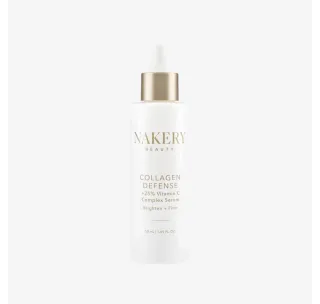
Nakery Collagen Defense + 25% Vitamin C Complex Serum

Nakery Collagen Defense + 25% Vitamin C Complex Serum

Efficacy87/100IrritancyMedium

Works for

Evens skin tone
Tranexamic acid, 3-o-ethyl ascorbic acid + 7 more
Works well
What the product description says
“This clinically proven 25% Vitamin C Serum is powered by three types of vitamin C to eliminate age spots and dark spots while boosting collagen production.”
Source: TSC

This product can help reduce hypepigmentation and even out the skin tone because it contains the following effective ingredients: alpha-arbutin, kojic acid, tranexamic acid

The following ingredient (ingredients) in this product might be helpful, but there is no evidence to confirm that it actually can help even out the skin tone: 3-o-ethyl ascorbic acid, ferulic acid.

Keep in mind that you would need to apply any topical skincare targetted at hypigmentation consistently for a couple of months to get a result. No topical skincare product can help get rid of hyperpigmentation (including post-acne marks and age spots) instantly.

Tranexamic acidKey activeEffect: HighAn amino acid that is effective in reducing hyperpigmentation and evening out the skin tone. It can also help in skin barrier recovery. It is used to treat melasma, especially with injections and when taken orally~0.3–0.75%
3-o-ethyl ascorbic acidKey activeEffect: MediumA vitamin C derivative that is more stable but less potent than pure form of vitamin C. Can help neutralize free radicals and help reduce hyperpigmentation, but the required concentration is likely to be much higher than for the pure form of vitamin C, limiting the ingredient's effectiveness in products~0.3–0.75%
Ferulic acidKey activeEffect: MediumA potent anti-oxidant that has been shown to be effective in neutralizing free radicals in skin. There seem to have a synergetic effect of ferulic acid, vitamin E and C, meaning that when the ingredients are used together, they enhance each other's ability protect the skin against free radicals. Ferulic acid also helps to stabilize other ingredients - including vitamins C and E. It can help to even out the skin tone. Ferulic acid is approved for use as a sunscreen ingredient in Japan in concentrations up to 10%~0.2–0.75%
Kojic acidKey activeEffect: HighHelps to reduce hyperpigmentation and neutralize free radicals. Can be irritating~0.15–0.55%
Alpha-arbutinKey activeEffect: HighMight help reduce hyperpigmentation when used regularly over a long period of time. Is more effective than beta-arbutin~0.15–0.55%
Hydrolyzed soy proteinEffect: LowHelps attract water to the upper layer of the skin. Might have some anti-aging, anti-oxidant, and skin lightening properties, but solid evidence is missing~0.15–0.65%
Phyllanthus emblica fruit extractEffect: Low, below effective doseA plant extract that might be helpful in neutralizing free radicals and have a skin lightening effect if used in high enough concentrations~0.15–0.65%
NiacinamideUnder-dosedIs proven to be effective in reducing blemishes, evening out skin tone and helping to improve lines and wrinkles. It helps the skin to repair sun damage, calm down inflammation and keep maintain good levels of moisture. The concentration of about 2% is effective for supporting the skin barrier and evening out the skin tone. Concentration of 4-6% is better for helping with acne and balancing the sebum production~0.4–0.9%
Tetrahexyldecyl ascorbateUnder-dosedBeing a lipid soluble form of vitamin C, it is more stable than ascorbic acid, but still degrades quickly and needs to be stabilized in a formulation with another ingredient. It is claimed to penetrate skin better than pure vitamin C and have the the similar benefits, but solid studies of its effectiveness are lacking. Is likely to require a higher concentration in a product than pure vitamin C to be effective. It might be able to help reduce pore clogging.~0.3–0.75%
Anti-aging
Ferulic acid, Tripeptide-29 + 5 more
May help
What the product description says
“This clinically proven 25% Vitamin C Serum is powered by three types of vitamin C to eliminate age spots and dark spots while boosting collagen production.”
Source: TSC

This product contains ferulic acid, tripeptide-29. There is some human evidence that these ingredients help reduce and prevent fine lines and wrinkles and improve skin elasticity and firmness, though it is smaller or less consistent than the evidence for the best anti-aging ingredients.

Ferulic acidKey activeEffect: MediumA potent anti-oxidant that has been shown to be effective in neutralizing free radicals in skin. There seem to have a synergetic effect of ferulic acid, vitamin E and C, meaning that when the ingredients are used together, they enhance each other's ability protect the skin against free radicals. Ferulic acid also helps to stabilize other ingredients - including vitamins C and E. It can help to even out the skin tone. Ferulic acid is approved for use as a sunscreen ingredient in Japan in concentrations up to 10%~0.2–0.75%
Tripeptide-29Key activeEffect: Medium~0.15–0.7%
Sodium ascorbyl phosphateEffect: LowA stable derivative of vitamin C. It is oil-soluble which means it is more likely to penetrate the skin compared to the pure form of vitamin C (which is water-soluble), but it is less bio-available and is way less effective in stimulating collagen and reducing wrinkles compared to the pure form of vitamin C (L-ascorbic acid) and its other derivatives (for example, magnesium ascorbyl phosphate). At the same time, this vitamin C derivative has been shown in studies to be effective in reducing acne, blemishes and clogged pores. It is less irritating then the pure form of vitamin C~3.6–5.5%
3-o-ethyl ascorbic acidEffect: LowA vitamin C derivative that is more stable but less potent than pure form of vitamin C. Can help neutralize free radicals and help reduce hyperpigmentation, but the required concentration is likely to be much higher than for the pure form of vitamin C, limiting the ingredient's effectiveness in products~0.3–0.75%
Phyllanthus emblica fruit extractEffect: Low, below effective doseA plant extract that might be helpful in neutralizing free radicals and have a skin lightening effect if used in high enough concentrations~0.15–0.65%
NiacinamideUnder-dosedIs proven to be effective in reducing blemishes, evening out skin tone and helping to improve lines and wrinkles. It helps the skin to repair sun damage, calm down inflammation and keep maintain good levels of moisture. The concentration of about 2% is effective for supporting the skin barrier and evening out the skin tone. Concentration of 4-6% is better for helping with acne and balancing the sebum production~0.4–0.9%
Tetrahexyldecyl ascorbateUnder-dosedBeing a lipid soluble form of vitamin C, it is more stable than ascorbic acid, but still degrades quickly and needs to be stabilized in a formulation with another ingredient. It is claimed to penetrate skin better than pure vitamin C and have the the similar benefits, but solid studies of its effectiveness are lacking. Is likely to require a higher concentration in a product than pure vitamin C to be effective. It might be able to help reduce pore clogging.~0.3–0.75%
Moisturizing
Side benefit the brand mentions · Tripeptide-29, Glycerin + 10 more
Works well
What the product description says
“It also fills in lines and wrinkles while repairing the skin at multiple levels.”
Source: N/A

This product can help improve hydration of the skin with the two types of ingredients.

The first type is called “humectants”:
these ingredients help attract water. When humectants are on the surface of the skin, they “pull in” the moisture from the outside environment, or from within deeper layers of the skin. The following ingredients in this product do the job: glycerin, rice amino acids.

This product also contains ingredients called “occlusives”. They help reduce the speed with which our skin loses moisture to the outside environment. These ingredients also help soften the upper layer of the skin, so it feels less tight and nicer to the touch. The following ingredients in this product do the job: helianthus annuus seed oil, cannabis sativa seed oil.

The following ingredients in this product are especially good for supporting the skin barrier and helping with the hydration level: tripeptide-29

Tripeptide-29HeroEffect: High~0.15–0.7%
GlycerinKey active· HumectantEffect: HighOne of the best moisturizing ingredients. Naturally present in skin. It attracts water to the upper layer of the skin working as a humectant~3.9–5.9%
Helianthus annuus seed oilKey active· Emollient, OcclusiveEffect: HighA great emollient due to its high linoleic acid content. One of the most effective plant oils in helping skin hydration and repairing skin barrier function~2.8–4.2%
Cannabis sativa seed oilKey active· EmollientEffect: HighA plant oil that due to its high linoleic acid content can help strengthen skin's barrier function and soften its upper layer~0.35–0.85%
Tranexamic acidKey activeEffect: HighAn amino acid that is effective in reducing hyperpigmentation and evening out the skin tone. It can also help in skin barrier recovery. It is used to treat melasma, especially with injections and when taken orally~0.3–0.75%
Rice amino acidsKey active· HumectantEffect: HighHelp attract water to the upper layer of the skin~0.15–0.5%
Sesamum indicum seed oilKey active· EmollientEffect: HighA good moisturizing plant oil. Due to the high linoleic acid content, it helps soften the upper layer of the skin, reduce water loss and support skin barrier function~0.15–0.7%
Hydrolyzed soy proteinKey active· HumectantEffect: MediumHelps attract water to the upper layer of the skin. Might have some anti-aging, anti-oxidant, and skin lightening properties, but solid evidence is missing~0.15–0.65%
ProlineKey activeEffect: Medium~0.15–0.5%
Caprylyl glycol· Humectant, EmollientEffect: LowHelps preserve products and creates a nice product texture~1.3–1.9%
Brassica oleracea acephala leaf extractEffect: Low, below effective doseMight be helpful in neutralizing free radicals in skin but solid research is lacking. Helps attract water to the upper layer of the skin~0.05–0.3%
NiacinamideUnder-dosedIs proven to be effective in reducing blemishes, evening out skin tone and helping to improve lines and wrinkles. It helps the skin to repair sun damage, calm down inflammation and keep maintain good levels of moisture. The concentration of about 2% is effective for supporting the skin barrier and evening out the skin tone. Concentration of 4-6% is better for helping with acne and balancing the sebum production~0.4–0.9%
Anti-oxidation
Side benefit · Sodium ascorbyl phosphate, 3-o-ethyl ascorbic acid + 7 more
Works well

This product contains antioxidants (ferulic acid, kojic acid) that can help neutralize free radicals in skin. By doing so, they can lessen the damage the skin gets from the UV light (sun).

The following ingredients - 3-o-ethyl ascorbic acid, sodium ascorbyl phosphate also can have an antioxidant effect, but there is less evidence to confirm their effectiveness in skin.

Sodium ascorbyl phosphateKey activeEffect: MediumA stable derivative of vitamin C. It is oil-soluble which means it is more likely to penetrate the skin compared to the pure form of vitamin C (which is water-soluble), but it is less bio-available and is way less effective in stimulating collagen and reducing wrinkles compared to the pure form of vitamin C (L-ascorbic acid) and its other derivatives (for example, magnesium ascorbyl phosphate). At the same time, this vitamin C derivative has been shown in studies to be effective in reducing acne, blemishes and clogged pores. It is less irritating then the pure form of vitamin C~3.6–5.5%
3-o-ethyl ascorbic acidKey activeEffect: MediumA vitamin C derivative that is more stable but less potent than pure form of vitamin C. Can help neutralize free radicals and help reduce hyperpigmentation, but the required concentration is likely to be much higher than for the pure form of vitamin C, limiting the ingredient's effectiveness in products~0.3–0.75%
Ferulic acidKey activeEffect: HighA potent anti-oxidant that has been shown to be effective in neutralizing free radicals in skin. There seem to have a synergetic effect of ferulic acid, vitamin E and C, meaning that when the ingredients are used together, they enhance each other's ability protect the skin against free radicals. Ferulic acid also helps to stabilize other ingredients - including vitamins C and E. It can help to even out the skin tone. Ferulic acid is approved for use as a sunscreen ingredient in Japan in concentrations up to 10%~0.2–0.75%
Kojic acidKey activeEffect: HighHelps to reduce hyperpigmentation and neutralize free radicals. Can be irritating~0.15–0.55%
Tocopheryl acetateEffect: LowA more stable but less bio-available form of vitamin E compared to Tocopherol. Might help moisturize and protect the skin from free radicals, but mostly used in low concentrations to stabilize other ingredients.~0.45–1%
Spinacia oleracea leaf extractEffect: LowA plant extract that might have some anti-oxidant properties~0.15–0.5%
Hydrolyzed soy proteinEffect: LowHelps attract water to the upper layer of the skin. Might have some anti-aging, anti-oxidant, and skin lightening properties, but solid evidence is missing~0.15–0.65%
Tetrahexyldecyl ascorbateUnder-dosedBeing a lipid soluble form of vitamin C, it is more stable than ascorbic acid, but still degrades quickly and needs to be stabilized in a formulation with another ingredient. It is claimed to penetrate skin better than pure vitamin C and have the the similar benefits, but solid studies of its effectiveness are lacking. Is likely to require a higher concentration in a product than pure vitamin C to be effective. It might be able to help reduce pore clogging.~0.3–0.75%
Phyllanthus emblica fruit extractUnder-dosedA plant extract that might be helpful in neutralizing free radicals and have a skin lightening effect if used in high enough concentrations~0.15–0.65%
Anti-blemish
Side benefit · Sodium ascorbyl phosphate, Niacinamide
May help

This product might be able to help reduce blemishes and clogged pores because it contains sodium ascorbyl phosphate.

Sodium ascorbyl phosphateKey activeEffect: HighA stable derivative of vitamin C. It is oil-soluble which means it is more likely to penetrate the skin compared to the pure form of vitamin C (which is water-soluble), but it is less bio-available and is way less effective in stimulating collagen and reducing wrinkles compared to the pure form of vitamin C (L-ascorbic acid) and its other derivatives (for example, magnesium ascorbyl phosphate). At the same time, this vitamin C derivative has been shown in studies to be effective in reducing acne, blemishes and clogged pores. It is less irritating then the pure form of vitamin C~3.6–5.5%
NiacinamideUnder-dosedIs proven to be effective in reducing blemishes, evening out skin tone and helping to improve lines and wrinkles. It helps the skin to repair sun damage, calm down inflammation and keep maintain good levels of moisture. The concentration of about 2% is effective for supporting the skin barrier and evening out the skin tone. Concentration of 4-6% is better for helping with acne and balancing the sebum production~0.4–0.9%

Can it cause trouble?

Irritancy
16 flagged ingredients
Medium risk
We flagged 16 ingredients with irritancy potential. Severity depends on your sensitivity threshold; the table lists the worst offenders first.
IngredientFunctionIrritationEst. amount
3-o-ethyl ascorbic acidA vitamin C derivative that is more stable but less potent than pure form of vitamin C. Can help neutralize free radicals and help reduce hyperpigmentation, but the required concentration is likely to be much higher than for the pure form of vitamin C, limiting the ingredient's effectiveness in productsHigh~0.3–0.75%est.
Kojic acidHelps to reduce hyperpigmentation and neutralize free radicals. Can be irritatingHigh~0.15–0.55%est.
Sodium ascorbyl phosphateA stable derivative of vitamin C. It is oil-soluble which means it is more likely to penetrate the skin compared to the pure form of vitamin C (which is water-soluble), but it is less bio-available and is way less effective in stimulating collagen and reducing wrinkles compared to the pure form of vitamin C (L-ascorbic acid) and its other derivatives (for example, magnesium ascorbyl phosphate). At the same time, this vitamin C derivative has been shown in studies to be effective in reducing acne, blemishes and clogged pores. It is less irritating then the pure form of vitamin CMedium~3.6–5.5%est.
1,2-hexanediolA preservativeMedium~0.5–1.2%est.
Caprylyl glycolHelps preserve products and creates a nice product textureMedium~1.3–1.9%est.
HydroxyacetophenoneUsed to increase effectiveness of preservativesMedium~1–1.5%est.
Citric acidCan work as an exfoliant but is typically used to adjust the product pHMedium~0.85–1.25%est.
Tocopheryl acetateA more stable but less bio-available form of vitamin E compared to Tocopherol. Might help moisturize and protect the skin from free radicals, but mostly used in low concentrations to stabilize other ingredients.Medium~0.45–1%est.
Cannabis sativa seed oilA plant oil that due to its high linoleic acid content can help strengthen skin's barrier function and soften its upper layerMedium~0.35–0.85%est.
Tetrahexyldecyl ascorbateBeing a lipid soluble form of vitamin C, it is more stable than ascorbic acid, but still degrades quickly and needs to be stabilized in a formulation with another ingredient. It is claimed to penetrate skin better than pure vitamin C and have the the similar benefits, but solid studies of its effectiveness are lacking. Is likely to require a higher concentration in a product than pure vitamin C to be effective. It might be able to help reduce pore clogging.Medium~0.3–0.75%est.
Phyllanthus emblica fruit extractA plant extract that might be helpful in neutralizing free radicals and have a skin lightening effect if used in high enough concentrationsMedium~0.15–0.65%est.
Alpha-arbutinMight help reduce hyperpigmentation when used regularly over a long period of time. Is more effective than beta-arbutinMedium~0.15–0.55%est.
Spinacia oleracea leaf extractA plant extract that might have some anti-oxidant propertiesMedium~0.15–0.5%est.
Leuconostoc/radish root ferment filtrateA preservative that comes from radishes fermented by a bacteria. New research suggests that the preservation properties in the ingredient come from an ammonium salt that is not present naturally in radish root but used in its cultivation. Is problematic because the exact amount of the preservative agents is difficult to determineMedium~0.1–0.45%est.
Brassica oleracea acephala leaf extractMight be helpful in neutralizing free radicals in skin but solid research is lacking. Helps attract water to the upper layer of the skinMedium~0.05–0.3%est.
Potassium sorbateA preservativeMedium~0.05–0.25%est.
Comedogenic
Clean of flagged comedogenic ingredients
None flagged
Did this help you decide?

User reviews

Would you recommend?
No community reviews yet.

Be the first — your take helps the next person decide.

Ingredients

Filter by role to see what each ingredient is doing.

Water~40–60%
Formula
Irritation risk
Low

Plain old water

More about Water
Glycerin~3.9–5.9%
Key active
Irritation risk
Low
Works for
Moisturizing

One of the best moisturizing ingredients. Naturally present in skin. It attracts water to the upper layer of the skin working as a humectant

More about Glycerin
Sodium ascorbyl phosphate~3.6–5.5%
Key activeIrritant · medium
Irritation risk
Medium
Works for
Anti-blemishAnti-oxidationAnti-aging

A stable derivative of vitamin C. It is oil-soluble which means it is more likely to penetrate the skin compared to the pure form of vitamin C (which is water-soluble), but it is less bio-available and is way less effective in stimulating collagen and reducing wrinkles compared to the pure form of vitamin C (L-ascorbic acid) and its other derivatives (for example, magnesium ascorbyl phosphate). At the same time, this vitamin C derivative has been shown in studies to be effective in reducing acne, blemishes and clogged pores. It is less irritating then the pure form of vitamin C

More about Sodium ascorbyl phosphate
Helianthus annuus seed oil~2.8–4.2%
Key active
Irritation risk
Low
Works for
Moisturizing

A great emollient due to its high linoleic acid content. One of the most effective plant oils in helping skin hydration and repairing skin barrier function

More about Helianthus annuus seed oil
Glycereth-26~2–3%
Formula
Irritation risk
Low

Helps create a thicker product consistency

More about Glycereth-26
Xanthan gum~1.6–2.4%
Formula
Irritation risk
Low
Works for
Cleansing

Used to create a thicker product consistency

More about Xanthan gum
1,2-hexanediol~0.5–1.2%
Irritant · medium
Irritation risk
Medium

A preservative

More about 1,2-hexanediol
Caprylyl glycol~1.3–1.9%
Irritant · medium
Irritation risk
Medium
Works for
Moisturizing

Helps preserve products and creates a nice product texture

More about Caprylyl glycol
Hydroxyacetophenone~1–1.5%
Irritant · medium
Irritation risk
Medium

Used to increase effectiveness of preservatives

More about Hydroxyacetophenone
Citric acid~0.85–1.25%
Irritant · medium
Irritation risk
Medium

Can work as an exfoliant but is typically used to adjust the product pH

More about Citric acid
Sclerotium gum~0.5–1.15%
Formula
Irritation risk
Low

Used to create gel-like formulas and stabilize emulsions

More about Sclerotium gum
Tocopheryl acetate~0.45–1%
Irritant · medium
Irritation risk
Medium
Works for
Anti-oxidation

A more stable but less bio-available form of vitamin E compared to Tocopherol. Might help moisturize and protect the skin from free radicals, but mostly used in low concentrations to stabilize other ingredients.

More about Tocopheryl acetate
Niacinamide~0.4–0.9%
Under-dosed
Irritation risk
Low
Works for
Anti-agingEvens skin toneMoisturizingAnti-blemishReduces irritationAntibacterialReduces rednessAnti-inflammatory

Is proven to be effective in reducing blemishes, evening out skin tone and helping to improve lines and wrinkles. It helps the skin to repair sun damage, calm down inflammation and keep maintain good levels of moisture. The concentration of about 2% is effective for supporting the skin barrier and evening out the skin tone. Concentration of 4-6% is better for helping with acne and balancing the sebum production

More about Niacinamide
Cannabis sativa seed oil~0.35–0.85%
Key activeIrritant · medium
Irritation risk
Medium
Works for
Moisturizing

A plant oil that due to its high linoleic acid content can help strengthen skin's barrier function and soften its upper layer

More about Cannabis sativa seed oil
Tranexamic acid~0.3–0.75%
Key active
Irritation risk
Low
Works for
MoisturizingEvens skin tone

An amino acid that is effective in reducing hyperpigmentation and evening out the skin tone. It can also help in skin barrier recovery. It is used to treat melasma, especially with injections and when taken orally

More about Tranexamic acid
3-o-ethyl ascorbic acid~0.3–0.75%
Key activeIrritant · high
Irritation risk
High
Works for
Anti-oxidationEvens skin toneAnti-aging

A vitamin C derivative that is more stable but less potent than pure form of vitamin C. Can help neutralize free radicals and help reduce hyperpigmentation, but the required concentration is likely to be much higher than for the pure form of vitamin C, limiting the ingredient's effectiveness in products

More about 3-o-ethyl ascorbic acid
Tetrahexyldecyl ascorbate~0.3–0.75%
Under-dosedIrritant · medium
Irritation risk
Medium
Works for
Anti-agingAnti-oxidationEvens skin tone

Being a lipid soluble form of vitamin C, it is more stable than ascorbic acid, but still degrades quickly and needs to be stabilized in a formulation with another ingredient. It is claimed to penetrate skin better than pure vitamin C and have the the similar benefits, but solid studies of its effectiveness are lacking. Is likely to require a higher concentration in a product than pure vitamin C to be effective. It might be able to help reduce pore clogging.

More about Tetrahexyldecyl ascorbate
Ferulic acid~0.2–0.75%
Key active
Irritation risk
Low
Works for
Anti-oxidationEvens skin toneAnti-inflammatoryAnti-aging

A potent anti-oxidant that has been shown to be effective in neutralizing free radicals in skin. There seem to have a synergetic effect of ferulic acid, vitamin E and C, meaning that when the ingredients are used together, they enhance each other's ability protect the skin against free radicals. Ferulic acid also helps to stabilize other ingredients - including vitamins C and E. It can help to even out the skin tone. Ferulic acid is approved for use as a sunscreen ingredient in Japan in concentrations up to 10%

More about Ferulic acid
Tripeptide-29~0.15–0.7%
Hero · Moisturizing
Irritation risk
Low
Works for
MoisturizingAnti-aging
More about Tripeptide-29
Phyllanthus emblica fruit extract~0.15–0.65%
Under-dosedIrritant · medium
Irritation risk
Medium
Works for
Anti-oxidationEvens skin toneAnti-aging

A plant extract that might be helpful in neutralizing free radicals and have a skin lightening effect if used in high enough concentrations

More about Phyllanthus emblica fruit extract
Hydrolyzed soy protein~0.15–0.65%
Key active
Irritation risk
Low
Works for
MoisturizingAnti-oxidationAnti-inflammatoryEvens skin tone

Helps attract water to the upper layer of the skin. Might have some anti-aging, anti-oxidant, and skin lightening properties, but solid evidence is missing

More about Hydrolyzed soy protein
Sesamum indicum seed oil~0.15–0.7%
Key active
Irritation risk
Low
Works for
Moisturizing

A good moisturizing plant oil. Due to the high linoleic acid content, it helps soften the upper layer of the skin, reduce water loss and support skin barrier function

More about Sesamum indicum seed oil
Kojic acid~0.15–0.55%
Key activeIrritant · high
Irritation risk
High
Works for
Evens skin toneAnti-oxidation

Helps to reduce hyperpigmentation and neutralize free radicals. Can be irritating

More about Kojic acid
Alpha-arbutin~0.15–0.55%
Key activeIrritant · medium
Irritation risk
Medium
Works for
Evens skin tone

Might help reduce hyperpigmentation when used regularly over a long period of time. Is more effective than beta-arbutin

More about Alpha-arbutin
Rice amino acids~0.15–0.5%
Key active
Irritation risk
Low
Works for
Moisturizing

Help attract water to the upper layer of the skin

More about Rice amino acids
Spinacia oleracea leaf extract~0.15–0.5%
Irritant · medium
Irritation risk
Medium
Works for
Anti-oxidation

A plant extract that might have some anti-oxidant properties

More about Spinacia oleracea leaf extract
Leuconostoc/radish root ferment filtrate~0.1–0.45%
Irritant · medium
Irritation risk
Medium

A preservative that comes from radishes fermented by a bacteria. New research suggests that the preservation properties in the ingredient come from an ammonium salt that is not present naturally in radish root but used in its cultivation. Is problematic because the exact amount of the preservative agents is difficult to determine

More about Leuconostoc/radish root ferment filtrate
Proline~0.15–0.5%
Key active
Irritation risk
Low
Works for
Moisturizing
More about Proline
Arthrospira platensis extract~0.1–0.45%
Formula
Sodium benzoate~0.05–0.3%
Formula
Irritation risk
Low

A preservative

More about Sodium benzoate
Hydrolyzed adansonia digitata seed extract~0.1–0.35%
Formula
Brassica oleracea acephala leaf extract~0.05–0.3%
Irritant · medium
Irritation risk
Medium
Works for
Moisturizing

Might be helpful in neutralizing free radicals in skin but solid research is lacking. Helps attract water to the upper layer of the skin

More about Brassica oleracea acephala leaf extract
Potassium sorbate~0.05–0.25%
Irritant · medium
Irritation risk
Medium

A preservative

More about Potassium sorbate
Mica~0.05–0.15%
Formula
Irritation risk
Low

Creates an illusion of smoother and more radiant skin tone. Adds shimmer to the skin by reflecting light

More about Mica
Ingredient list view

Water, Glycerin, Sodium ascorbyl phosphate, Helianthus annuus seed oil, Glycereth-26, Xanthan gum, 1,2-hexanediol, Caprylyl glycol, Hydroxyacetophenone, Citric acid, Sclerotium gum, Tocopheryl acetate, Niacinamide, Cannabis sativa seed oil, Tranexamic acid, 3-o-ethyl ascorbic acid, Tetrahexyldecyl ascorbate, Ferulic acid, Tripeptide-29, Phyllanthus emblica fruit extract, Hydrolyzed soy protein, Sesamum indicum seed oil, Kojic acid, Alpha-arbutin, Rice amino acids, Spinacia oleracea leaf extract, Leuconostoc/radish root ferment filtrate, Proline, Arthrospira platensis extract, Sodium benzoate, Hydrolyzed adansonia digitata seed extract, Brassica oleracea acephala leaf extract, Potassium sorbate, Mica

Compare prices

Retailers ranked by price — lowest first.

Amazon USPrice as of 11/24 00:06 GMT
$29.40
Buy

Affiliate links · As an Amazon Associate, WIMJ earns from qualifying purchases.

Worth comparing, line by line.

Match % combines shared ingredients, the first five ingredients, shared actives and hero ingredients, irritancy (lower counts in the alternative's favour), texture and body area. Only products in the same routine step are compared.

Side-by-side comparison of this product against its closest alternatives
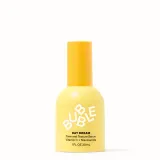
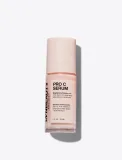
NakeryCollagen Defense + 25% Vitamin C Complex SerumYOUR PRODUCThellobubbleDay Dream TONE AND TEXTURE SERUMBubble SkincareDay Dream Tone and Texture SerumINNBEAUTY PROJECTPro C Serum
Match—78%78%76%
Price$29.40$17.00−$12.40$11.13−$18.27$64.00+$34.60
Shared key ingredients—5 of 145 of 146 of 14
Key difference—Ceramide EopCeramide EopVitamin C
Irritancy Medium Low Low Medium
Drying alcohol————
View product Shop Shop Shop

More alternatives: Undefined Beauty R&R Day SerumBiopelle Emepelle Serum

Cheaper alternatives? See how this stacks up against similar formulas.
We compare ingredient profiles across our catalog — pick the closest match for your budget.
Open dupe finder

Product summary

"Nakery - Collagen Defense + 25% Vitamin C Complex Serum" is effective for: Moisturizing and Evens skin tone

This product could be helpful for: Anti-aging, but its actives are not the most effective or are not well-studied.

Ingredient callouts

  • Peptides (tripeptide-29 0.15% - 0.70%). There are many different kind of Peptides and they are naturally present in our skin. They all are a combination of aminoacids. Some of them work as natural antibiotics, promote wound-healing and production of collagen. The science is still not settled on how effective Peptides are in skincare, but it is very likely that they have a benefit. They might help restore the skin barrier and fight the signs of aging. At the very least, Peptides work as humectants: they attract water to the upper layer of the skin and improve its hydration.
  • Humectants (rice amino acids 0.15% - 0.50% and glycerin 3.90% - 5.90%). These ingredients help attract water to the upper layer of the skin and improve the skin hydration.

Sources cited in this review

Every concentration estimate and effectiveness label is anchored to one of these 39 studies and safety reviews.

  1. 1
  2. 2
  3. 3
  4. 4
  5. 5
  6. 6
Nakery Collagen Defense + 25% Vitamin C Complex Serum
NakeryCollagen Defense + 25% Vitamin C Complex Serum

Affiliate links · As an Amazon Associate, WIMJ earns from qualifying purchases.

As an Amazon Associate, WIMJ earns from qualifying purchases.