
Works for:
based on ingredients and %- Moisturizing
Can it cause trouble?
- Irritation risk: high
- Comedogenic risk ingredients: 0
Key actives

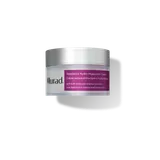

Product Summary
Based on the ingredients included, "Murad - Essential-C Overnight Barrier Repair Cream" works well for moisturizing the skin. The formulation is based on a combination of good humectants and emollients. Both are needed to increase the skin hydration level. Urea, betaine, glycerin, inositol and trehalose in this product (humectants) attract water molecules to the upper layer of the skin (the water comes from the outside air or from the deeper layers of the skin if the air is dry). Cetylhydroxyproline palmitamide, jojoba esters, dimethicone, brassica campestris sterols and hexyldecanol in this product help decrease the water evoporation from the skin, so that it stays hydrated for longer. These ingredients also soften the skin and take away the feeling of tightness and dryness.
This product contains ingredients that could be beneficial, but their concentrations are too low in this formulation: tetrahexyldecyl ascorbate, stearic acid, allantoin and vitamin eIrritation risk
This moisturizer contains a bunch of common irritants, including ingredients that do not provide any known benefit for the skin. It might not be the best choice if your skin is sensitive. We assess the overall irritancy of this moisturizer to be high. For a detailed overview of all potential irritants: click here
You can see the detailed formula review with the breakdown of all actives in the product and the full ingredient list with estimated concentrations in the tables below.
About the brand
According to Cruelty-Free Kitty "Murad" is cruelty free, but its parent company is not.
Price
The product retails for 83.00$ in the United States and from 83.00£ up to 150.00£ in the United Kingdom.
For a detailed price comparison: click here.
Works for
Moisturizing
What does the product description say?
Essential-C Overnight Barrier Repair Cream
Source: From product name
This product can help improve hydration of the skin with the two types of ingredients.
The first type is called “humectants”:
these ingredients help attract water.
When humectants are on the surface of the skin, they “pull in” the moisture from the outside environment, or from
within deeper layers of the skin. The following ingredients in this product do the job:
betaine, glycerin.
This product also contains ingredients called “occlusives”. They help reduce the speed with which our skin loses moisture to the outside environment. These ingredients also help soften the upper layer of the skin, so it feels less tight and nicer to the touch. The following ingredients in this product do the job: dimethicone, cetylhydroxyproline palmitamide.
The following ingredients in this product are especially good for supporting the skin barrier and helping with the hydration level: urea
An emollient made of jojoba oil. Helps soften the skin and support its barrier function
Helps soften the upper layer of the skin
A type of lipid similar to ceramides naturally present in skin. Helps to soften the upper layer of the skin and supports the skin barrier function to keep it hydrated. Can help to prevent inflammation in skin
Naturally present in skin (urea makes up about 7% of natural moisturizing factors in skin). Attracts water to the upper layer of the skin. Also has a positive effect on the skin barrier beyond the humectant action. Can enhance penetration of other ingredients. Is an exfoliating ingredient when used in high concentrations
A sugar that attracts water to the upper layer of the skin
A silicone that helps to reduce water loss from the surface of the skin. Can temporarily "fill in" lines and wrinkles, absorb oil, and create a nice product finish
Softens the upper layer of the skin and can support skin barrier function
One of the best moisturizing ingredients. Naturally present in skin. It attracts water to the upper layer of the skin working as a humectant
Helps soften the upper layer of the skin
Helps attract water to the upper layer of the skin and improves the product texture
Help soften the upper layer of the skin
Help soften the upper layer of the skin
Helps soften the upper layer of the skin
Used to preserve products, dissolve other ingredients and create a nice product texture
Helps products spread more easily and works as an emollient to soften skin
Helps oil and water mix together while softening the upper layer of the skin
An emollient that softens the skin
An emollient that helps soften the upper layer of the skin
An emollient that helps soften the skin. It also forms a protective on its surface to reduce water loss.
Helps calm down inflammation in skin and can help reduce itching. Helps to repair the skin barrier and keep skin hydrated
Might be somewhat helpful in reducing hyperpigmentation and neutralizing free radicals but its typical concentration in a product is too low for having an effect
Helps oil and water mix together and works as an emollient
Pure form of vitamin E. Can help moisturise and protect the skin from free radicals. Often used to help stabilise other ingredients or the formula itself
How honest is this product?
| Promise | Can it deliver? |
|---|---|
| Moisturizing |
Total Promises Fulfilled score: 100/100.
We receive a small commission for purchases made through these links at no cost for you. Thank you for your support! Learn more
Potential irritants
Comedogenic ingredients
No comedogenic ingredients detected
User reviews (0)
Averages from community submissions.
No reviews yet for this product.
Be the first to share your experience!
Tried this product?
Help capture what the ingredient list can't—texture, finish, pilling, scent, and more. Answer what you can, skip the rest.
Takes ~30 seconds.
Reviews are shown in aggregate. No personal details.
| Product | Similarity | Price | Irritancy |
|---|---|---|---|
 Murad Essential-C Overnight Barrier Repair Cream | Current | ≈ $92.17 | |
 GUERLAIN Orchide Impriale - The Light Cream | 61% | - | |
Murad Restorative Hydro-Hyaluronic Cream | 60% | ≈ $86.89 | |
Elizabeth Grant Caviar Cellular Recharge Super Night Cream | 58% | $80.00 | |
 Dr. Barbara Sturm Clarifying Face Cream | 58% | ≈ $200.52 | |
 Biopelle Tensage Soothing Cream Moisturizer | 58% | $77.56 |
Key Actives
Helps calm down inflammation in skin and can help reduce itching. Helps to repair the skin barrier and keep skin hydrated
Pure form of vitamin E. Can help moisturise and protect the skin from free radicals. Often used to help stabilise other ingredients or the formula itself
An active component of chamomile plant that historically has been used to calm down irritated skin. A recent study shows that bisabolol indeed can have some anti-inflammatory effect on skin, even though conclusive data is lacking. Bisabolol has a sweet floral scent and can be added to products for its aromatic properties
A type of lipid similar to ceramides naturally present in skin. Helps to soften the upper layer of the skin and supports the skin barrier function to keep it hydrated. Can help to prevent inflammation in skin
A silicone that helps to reduce water loss from the surface of the skin. Can temporarily "fill in" lines and wrinkles, absorb oil, and create a nice product finish
Naturally present in skin (urea makes up about 7% of natural moisturizing factors in skin). Attracts water to the upper layer of the skin. Also has a positive effect on the skin barrier beyond the humectant action. Can enhance penetration of other ingredients. Is an exfoliating ingredient when used in high concentrations
One of the best moisturizing ingredients. Naturally present in skin. It attracts water to the upper layer of the skin working as a humectant
An emollient made of jojoba oil. Helps soften the skin and support its barrier function
Helps soften the upper layer of the skin
Helps soften the upper layer of the skin
Helps attract water to the upper layer of the skin and improves the product texture
Softens the upper layer of the skin and can support skin barrier function
A sugar that attracts water to the upper layer of the skin
Potential irritants
A plant extract that can contain an irritating essential oil. Might have some anti-oxidant effect, but evidence is lacking
A common frangrance that can easily irritate skin, especially if exposed to air, light or heat
An aromatic blend of unspecified and possibly irritating ingredients
An emollient made of jojoba oil. Helps soften the skin and support its barrier function
Might be somewhat helpful in reducing hyperpigmentation and neutralizing free radicals but its typical concentration in a product is too low for having an effect
A plant extract that might have some anti-oxidant properties. Avoid if you are sensitive to gluten
Could be helpful in reducing inflammation in skin, evening out the skin tone and neutralizing free radicals, but more research is needed to confirm its effectiveness
Used to preserve products, dissolve other ingredients and create a nice product texture
Maintains the texture of skincare products. Allows the product to spread evenly. Helps oil and water mix together
Being a lipid soluble form of vitamin C, it is more stable than ascorbic acid, but still degrades quickly and needs to be stabilized in a formulation with another ingredient. It is claimed to penetrate skin better than pure vitamin C and have the the similar benefits, but solid studies of its effectiveness are lacking. Is likely to require a higher concentration in a product than pure vitamin C to be effective. It might be able to help reduce pore clogging.
A preservative that comes from radishes fermented by a bacteria. New research suggests that the preservation properties in the ingredient come from an ammonium salt that is not present naturally in radish root but used in its cultivation. Is problematic because the exact amount of the preservative agents is difficult to determine
Can work as an exfoliant but is typically used to adjust the product pH
Comedogenic ingredients
We couldn't find any comedogenic ingredients in this product
All ingredients
One of the best moisturizing ingredients. Naturally present in skin. It attracts water to the upper layer of the skin working as a humectant
Helps products spread more easily and works as an emollient to soften skin
An emollient that helps soften the skin. It also forms a protective on its surface to reduce water loss.
An emollient made of jojoba oil. Helps soften the skin and support its barrier function
Helps oil and water mix together while softening the upper layer of the skin
A silicone that helps to reduce water loss from the surface of the skin. Can temporarily "fill in" lines and wrinkles, absorb oil, and create a nice product finish
Help soften the upper layer of the skin
A plant extract that can contain an irritating essential oil. Might have some anti-oxidant effect, but evidence is lacking
Pure form of vitamin E. Can help moisturise and protect the skin from free radicals. Often used to help stabilise other ingredients or the formula itself
Naturally present in skin (urea makes up about 7% of natural moisturizing factors in skin). Attracts water to the upper layer of the skin. Also has a positive effect on the skin barrier beyond the humectant action. Can enhance penetration of other ingredients. Is an exfoliating ingredient when used in high concentrations
Might be somewhat helpful in reducing hyperpigmentation and neutralizing free radicals but its typical concentration in a product is too low for having an effect
Helps calm down inflammation in skin and can help reduce itching. Helps to repair the skin barrier and keep skin hydrated
An active component of chamomile plant that historically has been used to calm down irritated skin. A recent study shows that bisabolol indeed can have some anti-inflammatory effect on skin, even though conclusive data is lacking. Bisabolol has a sweet floral scent and can be added to products for its aromatic properties
A plant extract that might have some anti-oxidant properties. Avoid if you are sensitive to gluten
Helps attract water to the upper layer of the skin and improves the product texture
Softens the upper layer of the skin and can support skin barrier function
Could be helpful in reducing inflammation in skin, evening out the skin tone and neutralizing free radicals, but more research is needed to confirm its effectiveness
A type of lipid similar to ceramides naturally present in skin. Helps to soften the upper layer of the skin and supports the skin barrier function to keep it hydrated. Can help to prevent inflammation in skin
Used to preserve products, dissolve other ingredients and create a nice product texture
An emollient that helps soften the upper layer of the skin
Maintains the texture of skincare products. Allows the product to spread evenly. Helps oil and water mix together
Being a lipid soluble form of vitamin C, it is more stable than ascorbic acid, but still degrades quickly and needs to be stabilized in a formulation with another ingredient. It is claimed to penetrate skin better than pure vitamin C and have the the similar benefits, but solid studies of its effectiveness are lacking. Is likely to require a higher concentration in a product than pure vitamin C to be effective. It might be able to help reduce pore clogging.
Might help to reduce inflammation in skin, but solid research is lacking
A preservative that comes from radishes fermented by a bacteria. New research suggests that the preservation properties in the ingredient come from an ammonium salt that is not present naturally in radish root but used in its cultivation. Is problematic because the exact amount of the preservative agents is difficult to determine
Can work as an exfoliant but is typically used to adjust the product pH
A preservative. It helps prevent bacterial growth in cosmetic products
A common frangrance that can easily irritate skin, especially if exposed to air, light or heat
An aromatic blend of unspecified and possibly irritating ingredients
Ingredient list view
Water, Glycerin, Dicaprylyl carbonate, Isodecyl neopentanoate, Jojoba esters, Glyceryl stearate citrate, Dimethicone, Synthetic beeswax, Hydrogenated palm kernel glycerides, Zingiber officinale root extract, Tocopherol, Urea, Yeast amino acids, Cucumis sativus fruit extract, Helianthus annuus seed extract, Hydrolyzed jojoba esters, Aminomethyl propanol, Allantoin, Bisabolol, Hordeum vulgare extract, Brassica campestris sterols, Marrubium vulgare extract, Betaine, Inositol, Ectoin, Taurine, 4-t-butylcyclohexanol, Cetylhydroxyproline palmitamide, Stearic acid, Pentylene glycol, Hexyldecanol, Propylene glycol dicaprate, Acrylates/c10-30 alkyl acrylate crosspolymer, Disodium edta, Ethylhexylglycerin, Tetrahexyldecyl ascorbate, Hydrogenated palm glycerides, Hydroxyphenyl propamidobenzoic acid, Trehalose, Leuconostoc/radish root ferment filtrate, Citric acid, Phenoxyethanol, Benzyl salicylate, Limonene, Linalool, Parfum
- Glycerol and the skin: holistic approach to its origin and functions
- Dimethicone as a protective ingredient in topical medications
- Final Report on the Safety Assessment of Dimethicone Copolyol
- Some phytochemical, pharmacological and toxicological properties of ginger (Zingiber officinale Roscoe): A review of recent research
- Vitamin E in dermatology
- Vitamin E and Skin Health
- Topical urea in skincare: A review
- Profile of wound healing process induced by allantoin
- α-(-)-Bisabolol Reduces Pro-Inflammatory Cytokine Production and Ameliorates Skin Inflammation
- Celiac Disease & Skin Care Products
- Preventive and Therapeutic Role of Functional Ingredients of Barley Grass for Chronic Diseases in Human Beings
- Cosmeceuttical Critigue: Taurine
- Double-blind, half-face study comparing topical vitamin C and vehicle for rejuvenation of photodamage
- Application of tetra-isopalmitoyl ascorbic acid in cosmetic formulations: Stability studies and in vivo efficacy