Works for:
based on ingredients and %- Moisturizing
Doesn't work for:
based on ingredients and %- Exfoliation
Can it cause trouble?
- Irritation risk: high
- Comedogenic risk ingredients: 1
Key actives

Moisturizing
What does the product description say?
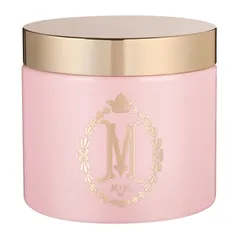
Featuring a heavenly sweet fragrance with notes of Vanilla, Cotton Candy and sugar-dipped Rose Petals, the scrub contains Sugar Crystals to gently buff away dead skin cells and impurities, whilst nourishing natural oils of Avocado, Sunflower and Soybean help balance optimum moisture levels.
Source: Mankind
This product can help improve hydration of the skin with the two types of ingredients.
The first type is called “humectants”:
these ingredients help attract water.
When humectants are on the surface of the skin, they “pull in” the moisture from the outside environment, or from
within deeper layers of the skin. The following ingredients in this product do the job:
glycerin, sucrose.
This product also contains ingredients called “occlusives”. They help reduce the speed with which our skin loses moisture to the outside environment. These ingredients also help soften the upper layer of the skin, so it feels less tight and nicer to the touch. The following ingredients in this product do the job: helianthus annuus seed oil, glycine soja oil.
Can help attract water to the upper layer of the skin. In crystal form, it can work as a gentle exfoliant, gentler than the salt scrub. Helps stabilize the emulsion
A great emollient due to its high linoleic acid content. One of the most effective plant oils in helping skin hydration and repairing skin barrier function
Plant oil that due to the high content of linoleic acid can support skin's barrier function and reduce moisture loss
An emollient that helps soften the skin and could be helpful in repairing its barrier function
A good emollient that helps soften the skin and helps repair its barrier function. It can clog pores if used in high concentrations.
One of the best moisturizing ingredients. Naturally present in skin. It attracts water to the upper layer of the skin working as a humectant
Plant oil from nuts that helps soften the upper layer of the skin. Contains a high concentration of oleic acid that can weaken skin's barrier function and increase water-loss while enhancing penetration of other ingredients
A fruit extract that might help attract water to the upper layer of the skin. There is no evidence of other benefits in skin
A plant extract that can help soften the upper layer of the skin. It can be irritating
Used to create a nice product consistency
A fruit extract that might have some antioxidant properties and might help attract water to the skin, but evidence of effectiveness is lacking
Exfoliation
What does the product description say?
Marshmallow Sugar Crystal Body Scrub
Source: From product name
This product does not contain effective exfoliating ingredients. It might be able to deliver physical exfoliation, that is scrub off some of the dead cells on the surface of the skin. We do not recommend physical exfoliation, because it is not uniform (some bits of skin can get exfoliated too much while others not at all). It can also traumatize the skin and aggrevate acne and other skin conditions.
Three steps removed from the active form of vitamin A - retinoic acid. To have an effect in the skin, it first needs to be converted twice to become the retinoic acid. This means it is less potent than retinol, but could also be less irritating. Once converted to the retinoic acid in the skin, it helps against all signs of aging, improves skin cell turnover and helps fight blemishes and clogged pores. However, in many cosmetic formulations, it is used in a concentration that is too low to have the full effect
How honest is this product?
| Promise | Can it deliver? |
|---|---|
| Moisturizing | |
| Exfoliation |
Total Promises Fulfilled score: 37/100.
We receive a small commission for purchases made through these links at no cost for you. Thank you for your support! Learn more
Potential irritants
Comedogenic ingredients
User reviews (0)
Averages from community submissions.
No reviews yet for this product.
Be the first to share your experience!
Tried this product?
Help capture what the ingredient list can't—texture, finish, pilling, scent, and more. Answer what you can, skip the rest.
Takes ~30 seconds.
Reviews are shown in aggregate. No personal details.
Key Actives
Can help attract water to the upper layer of the skin. In crystal form, it can work as a gentle exfoliant, gentler than the salt scrub. Helps stabilize the emulsion
One of the best moisturizing ingredients. Naturally present in skin. It attracts water to the upper layer of the skin working as a humectant
A great emollient due to its high linoleic acid content. One of the most effective plant oils in helping skin hydration and repairing skin barrier function
A good emollient that helps soften the skin and helps repair its barrier function. It can clog pores if used in high concentrations.
Plant oil that due to the high content of linoleic acid can support skin's barrier function and reduce moisture loss
An emollient that helps soften the skin and could be helpful in repairing its barrier function
Potential irritants
An aromatic blend of unspecified and possibly irritating ingredients
Plant oil that due to the high content of linoleic acid can support skin's barrier function and reduce moisture loss
An essential oil that is likely to be irritating and can cause photosensitivity
A plant extract that can help soften the upper layer of the skin. It can be irritating
Plant extract that can have healing and anti-inflammatory properties. It is a potential allergen and can be irritating
Three steps removed from the active form of vitamin A - retinoic acid. To have an effect in the skin, it first needs to be converted twice to become the retinoic acid. This means it is less potent than retinol, but could also be less irritating. Once converted to the retinoic acid in the skin, it helps against all signs of aging, improves skin cell turnover and helps fight blemishes and clogged pores. However, in many cosmetic formulations, it is used in a concentration that is too low to have the full effect
A good emollient that helps soften the skin and helps repair its barrier function. It can clog pores if used in high concentrations.
Plant oil from nuts that helps soften the upper layer of the skin. Contains a high concentration of oleic acid that can weaken skin's barrier function and increase water-loss while enhancing penetration of other ingredients
An emollient that helps soften the skin and could be helpful in repairing its barrier function
A fruit extract that might help attract water to the upper layer of the skin. There is no evidence of other benefits in skin
A fruit extract that might have some antioxidant properties and might help attract water to the skin, but evidence of effectiveness is lacking
A more stable but less bio-available form of vitamin E compared to Tocopherol. Might help moisturize and protect the skin from free radicals, but mostly used in low concentrations to stabilize other ingredients.
Comedogenic ingredients
A good emollient that helps soften the skin and helps repair its barrier function. It can clog pores if used in high concentrations.
All ingredients
Can help attract water to the upper layer of the skin. In crystal form, it can work as a gentle exfoliant, gentler than the salt scrub. Helps stabilize the emulsion
One of the best moisturizing ingredients. Naturally present in skin. It attracts water to the upper layer of the skin working as a humectant
An aromatic blend of unspecified and possibly irritating ingredients
A great emollient due to its high linoleic acid content. One of the most effective plant oils in helping skin hydration and repairing skin barrier function
A good emollient that helps soften the skin and helps repair its barrier function. It can clog pores if used in high concentrations.
Plant oil that due to the high content of linoleic acid can support skin's barrier function and reduce moisture loss
An essential oil that is likely to be irritating and can cause photosensitivity
Plant oil from nuts that helps soften the upper layer of the skin. Contains a high concentration of oleic acid that can weaken skin's barrier function and increase water-loss while enhancing penetration of other ingredients
An emollient that helps soften the skin and could be helpful in repairing its barrier function
A plant extract that can help soften the upper layer of the skin. It can be irritating
A fruit extract that might help attract water to the upper layer of the skin. There is no evidence of other benefits in skin
A fruit extract that might have some antioxidant properties and might help attract water to the skin, but evidence of effectiveness is lacking
Plant extract that can have healing and anti-inflammatory properties. It is a potential allergen and can be irritating
A more stable but less bio-available form of vitamin E compared to Tocopherol. Might help moisturize and protect the skin from free radicals, but mostly used in low concentrations to stabilize other ingredients.
Three steps removed from the active form of vitamin A - retinoic acid. To have an effect in the skin, it first needs to be converted twice to become the retinoic acid. This means it is less potent than retinol, but could also be less irritating. Once converted to the retinoic acid in the skin, it helps against all signs of aging, improves skin cell turnover and helps fight blemishes and clogged pores. However, in many cosmetic formulations, it is used in a concentration that is too low to have the full effect
Ingredient list view
Sucrose, Glycerin, Silica, Peg-8, Oleth-30, Parfum, Helianthus annuus seed oil, Glycine soja oil, Rosa rubiginosa seed oil, Zingiber officinale root oil, Macadamia ternifolia seed oil, Prunus persica kernel oil, Persea gratissima oil, Althaea officinalis leaf/root extract, Mangifera indica fruit extract, Prunus armeniaca fruit extract, Chamomilla recutita flower extract, Tocopheryl acetate, Retinyl palmitate, Geraniol, Citronellol
- Glycerol and the skin: holistic approach to its origin and functions
- Effect of Olive and Sunflower Seed Oil on the Adult Skin Barrier: Implications for Neonatal Skin Care
- Topically Applied Sunflower Seed Oil Prevents Invasive Bacterial Infections in Preterm Infants in Egypt
- Effect of topically applied lipids on surfactant-irritated skin
- Impact of topical oils on the skin barrier: possible implications for neonatal health in developing countries
- Zingiber officinale Rosc. essential oil, a review on its composition and bioactivity
- Fatty acids profile of oil from nine varieties of Macadamia nut
- Annex I: Clinical evidence regarding sensitisation to individual fragrance chemicals and to natural extracts