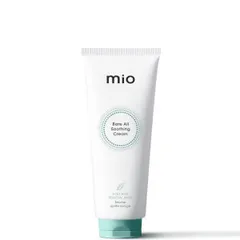
Works for:
based on ingredients and %- Moisturizing
- Anti-oxidation
Doesn't work for:
based on ingredients and %- Exfoliation
Can it cause trouble?
- Irritation risk: high
- Comedogenic risk ingredients: 2
Key actives
Anti-oxidation
This product contains antioxidants (tartaric acid) that might be able to help neutralize free radicals in skin to lessen the damage it gets from the UV light (sun). There is not enough evidence to confirm their effectiveness in skin though.
An AHA (alpha-hydroxy acid). It oxidizes quickly which makes it less effective in skincare formulations. It can support skin's barrier and moisture levels
An active component of chamomile plant that historically has been used to calm down irritated skin. A recent study shows that bisabolol indeed can have some anti-inflammatory effect on skin, even though conclusive data is lacking. Bisabolol has a sweet floral scent and can be added to products for its aromatic properties
A vitamin C derivative. Studies show that is might be effective in reducing hyperpigmentation, but there are no studies confirming that it is effectively converted into the bioavailable form of Vitamin C in skin. It is not clear how this derivative compares in effectiveness to the topical application of bioavailable form of vitamin C (L-ascorbic acid)
Pure form of vitamin E. Can help moisturise and protect the skin from free radicals. Often used to help stabilise other ingredients or the formula itself
A plant extract that can help neutralize free radicals in skin. It contains a compound salicin that can theoretically be converted into salicylic acid that, in turn, helps reduce inflammation in skin, but the evidence of effectiveness in skin is lacking and the extract is usually not used in a concentration that would enable an exfoliating effect
An emollient that does not leave a greasy finish
Moisturizing
What does the product description say?
Hydrating bisabolol lends a soothing effect as glycerin aims to alleviate dry skin. 100% Recyclable. Vegan and cruelty-free.
Source: Skinstore
This product contains good ingredients to attract water to the upper layer of the skin. These ingredients are called "humectants": glycerin, sarcosine.
When humectants are on the surface of the skin, they “pull in” the moisture from the outside environment, or from within deeper layers of the skin. If the air is dry, humectants can speed up the moisture loss from the skin. This is why it is a good idea to use another product on top of this one to help "seal in" the moisture (look for ingredients like dimethicone, squalane, oils and butters).
Helps soften the upper layer of the skin. Can contain an essential oil that can be irritating
A plant oil that because of its high content of alpha-linolenic acid help support skin barrier function and moisturize the skin
Helps to enhance the penetration of other ingredients and attract water to the upper layer of the skin
One of the best moisturizing ingredients. Naturally present in skin. It attracts water to the upper layer of the skin working as a humectant
One of the best moisturizing ingredients. Attracts water into the upper layer of the skin
Helps soften the upper layer of the skin
Helps soften the upper layer of the skin
An AHA (alpha-hydroxy acid). It oxidizes quickly which makes it less effective in skincare formulations. It can support skin's barrier and moisture levels
Might be helpful in restoring skin barrier function and calm down inflammation in skin
An oil from a mixture of different vegetables. Helps soften the upper layer of the skin
Cottonseed oil. It is used as an emollient and occlusive in products. It is rich palmitic, oleic acid, and linoleic fatty acids.
Helps oil and water mix together and can enhance the penetration of other ingredients into the skin. It can be irritating
Helps soften the upper layer of the skin and improve the product's texture
Helps products spread more easily and works as an emollient to soften skin
Improves the texture of the product and helps soften the skin. Helps oil and water mix together and can be used as a cleansing agent
Forms a protective film on the surface of the skin to prevent moisture loss. Gives a velvety feel to products while reducing tackiness
An oil from a mixture of different vegetables. Helps soften the upper layer of the skin
An emollient that is naturally present in skin and helps soften it
An exfoliating and moisturizing alpha-hydroxy acid (AHA). Typically causes less irritation than other AHAs, for example, glycolic acid. At high concentrations (about 15%), lactic acid can help reduce lines and wrinkles. Recent studies show that lactic acid can support the "good" bacteria living on skin's surface (healthy skin microbiome)
An emollient that does not leave a greasy finish
Used mostly for creating emulsions - helping oil and water mix together. Helps soften the upper layer of the skin
Pure form of vitamin E. Can help moisturise and protect the skin from free radicals. Often used to help stabilise other ingredients or the formula itself
A vitamin C derivative. Studies show that is might be effective in reducing hyperpigmentation, but there are no studies confirming that it is effectively converted into the bioavailable form of Vitamin C in skin. It is not clear how this derivative compares in effectiveness to the topical application of bioavailable form of vitamin C (L-ascorbic acid)
Exfoliation
What does the product description say?
Scented with a serene floral aroma, the cream is enriched with white willow bark extract, seeking to exfoliate dead skin cells that can contribute to ingrown hairs.
Source: Skinstore
This product might help exfoliate the skin with tartaric acid, but This ingredient is not the most effective.
An AHA (alpha-hydroxy acid). It oxidizes quickly which makes it less effective in skincare formulations. It can support skin's barrier and moisture levels
An exfoliating and moisturizing alpha-hydroxy acid (AHA). Typically causes less irritation than other AHAs, for example, glycolic acid. At high concentrations (about 15%), lactic acid can help reduce lines and wrinkles. Recent studies show that lactic acid can support the "good" bacteria living on skin's surface (healthy skin microbiome)
A plant extract that can help neutralize free radicals in skin. It contains a compound salicin that can theoretically be converted into salicylic acid that, in turn, helps reduce inflammation in skin, but the evidence of effectiveness in skin is lacking and the extract is usually not used in a concentration that would enable an exfoliating effect
How honest is this product?
| Promise | Can it deliver? |
|---|---|
| Moisturizing | |
| Exfoliation |
Total Promises Fulfilled score: 62/100.
We receive a small commission for purchases made through these links at no cost for you. Thank you for your support! Learn more
Affiliate link · supports WIMJ at no cost to you
Potential irritants
Comedogenic ingredients
User reviews (0)
Averages from community submissions.
No reviews yet for this product.
Be the first to share your experience!
Tried this product?
Help capture what the ingredient list can't—texture, finish, pilling, scent, and more. Answer what you can, skip the rest.
Takes ~30 seconds.
Reviews are shown in aggregate. No personal details.
Key Actives
Pure form of vitamin E. Can help moisturise and protect the skin from free radicals. Often used to help stabilise other ingredients or the formula itself
An exfoliating and moisturizing alpha-hydroxy acid (AHA). Typically causes less irritation than other AHAs, for example, glycolic acid. At high concentrations (about 15%), lactic acid can help reduce lines and wrinkles. Recent studies show that lactic acid can support the "good" bacteria living on skin's surface (healthy skin microbiome)
An active component of chamomile plant that historically has been used to calm down irritated skin. A recent study shows that bisabolol indeed can have some anti-inflammatory effect on skin, even though conclusive data is lacking. Bisabolol has a sweet floral scent and can be added to products for its aromatic properties
An AHA (alpha-hydroxy acid). It oxidizes quickly which makes it less effective in skincare formulations. It can support skin's barrier and moisture levels
An emollient that does not leave a greasy finish
A plant oil that because of its high content of alpha-linolenic acid help support skin barrier function and moisturize the skin
Might be helpful in restoring skin barrier function and calm down inflammation in skin
One of the best moisturizing ingredients. Naturally present in skin. It attracts water to the upper layer of the skin working as a humectant
Helps soften the upper layer of the skin
Used to create a gel-like product texture, as well as to stabilize emulsions
Helps soften the upper layer of the skin. Can contain an essential oil that can be irritating
Helps soften the upper layer of the skin
Helps to enhance the penetration of other ingredients and attract water to the upper layer of the skin
One of the best moisturizing ingredients. Attracts water into the upper layer of the skin
Potential irritants
An aromatic blend of unspecified and possibly irritating ingredients
Helps soften the upper layer of the skin. Can contain an essential oil that can be irritating
Helps oil and water mix together and can enhance the penetration of other ingredients into the skin. It can be irritating
A plant extract that can help neutralize free radicals in skin. It contains a compound salicin that can theoretically be converted into salicylic acid that, in turn, helps reduce inflammation in skin, but the evidence of effectiveness in skin is lacking and the extract is usually not used in a concentration that would enable an exfoliating effect
Can be drying and contribute to skin irritation. Used in formulars to dissolve other ingredients, create a thinner product consistency or for its antibacterial properties
Helps soften the upper layer of the skin and improve the product's texture
An emollient that does not leave a greasy finish
A plant oil that because of its high content of alpha-linolenic acid help support skin barrier function and moisturize the skin
Can work as an exfoliant but is typically used to adjust the product pH
An AHA (alpha-hydroxy acid). It oxidizes quickly which makes it less effective in skincare formulations. It can support skin's barrier and moisture levels
An exfoliating and moisturizing alpha-hydroxy acid (AHA). Typically causes less irritation than other AHAs, for example, glycolic acid. At high concentrations (about 15%), lactic acid can help reduce lines and wrinkles. Recent studies show that lactic acid can support the "good" bacteria living on skin's surface (healthy skin microbiome)
Can temporarily tighten the skin right after application of the product. The effect will be short-lived. Helps improve the product considtency
A vitamin C derivative. Studies show that is might be effective in reducing hyperpigmentation, but there are no studies confirming that it is effectively converted into the bioavailable form of Vitamin C in skin. It is not clear how this derivative compares in effectiveness to the topical application of bioavailable form of vitamin C (L-ascorbic acid)
Comedogenic ingredients
Cottonseed oil. It is used as an emollient and occlusive in products. It is rich palmitic, oleic acid, and linoleic fatty acids.
All ingredients
Helps products spread more easily and works as an emollient to soften skin
One of the best moisturizing ingredients. Naturally present in skin. It attracts water to the upper layer of the skin working as a humectant
Helps soften the upper layer of the skin and improve the product's texture
Forms a protective film on the surface of the skin to prevent moisture loss. Gives a velvety feel to products while reducing tackiness
An active component of chamomile plant that historically has been used to calm down irritated skin. A recent study shows that bisabolol indeed can have some anti-inflammatory effect on skin, even though conclusive data is lacking. Bisabolol has a sweet floral scent and can be added to products for its aromatic properties
A preservative. It helps prevent bacterial growth in cosmetic products
Used to create a gel-like product texture, as well as to stabilize emulsions
An emollient that is naturally present in skin and helps soften it
Helps to retain moisture by creating a protective barrier on the skin. Rich in fatty acids. Improves product texture and helps with the penetration of other ingredients.
An emollient that does not leave a greasy finish
An aromatic blend of unspecified and possibly irritating ingredients
Cottonseed oil. It is used as an emollient and occlusive in products. It is rich palmitic, oleic acid, and linoleic fatty acids.
Helps soften the upper layer of the skin. Can contain an essential oil that can be irritating
A plant oil that because of its high content of alpha-linolenic acid help support skin barrier function and moisturize the skin
Helps oil and water mix together and can enhance the penetration of other ingredients into the skin. It can be irritating
Used to thicken product formulations and create gel-like textures
A plant extract that can help neutralize free radicals in skin. It contains a compound salicin that can theoretically be converted into salicylic acid that, in turn, helps reduce inflammation in skin, but the evidence of effectiveness in skin is lacking and the extract is usually not used in a concentration that would enable an exfoliating effect
Helps water and oil mix together and create gel-like textures
Can work as an exfoliant but is typically used to adjust the product pH
Improves the texture of the product and helps soften the skin. Helps oil and water mix together and can be used as a cleansing agent
Pure form of vitamin E. Can help moisturise and protect the skin from free radicals. Often used to help stabilise other ingredients or the formula itself
Helps to enhance the penetration of other ingredients and attract water to the upper layer of the skin
An AHA (alpha-hydroxy acid). It oxidizes quickly which makes it less effective in skincare formulations. It can support skin's barrier and moisture levels
An exfoliating and moisturizing alpha-hydroxy acid (AHA). Typically causes less irritation than other AHAs, for example, glycolic acid. At high concentrations (about 15%), lactic acid can help reduce lines and wrinkles. Recent studies show that lactic acid can support the "good" bacteria living on skin's surface (healthy skin microbiome)
Can be drying and contribute to skin irritation. Used in formulars to dissolve other ingredients, create a thinner product consistency or for its antibacterial properties
Might be helpful in restoring skin barrier function and calm down inflammation in skin
Used mostly for creating emulsions - helping oil and water mix together. Helps soften the upper layer of the skin
Can temporarily tighten the skin right after application of the product. The effect will be short-lived. Helps improve the product considtency
One of the best moisturizing ingredients. Attracts water into the upper layer of the skin
An oil from a mixture of different vegetables. Helps soften the upper layer of the skin
An oil from a mixture of different vegetables. Helps soften the upper layer of the skin
A vitamin C derivative. Studies show that is might be effective in reducing hyperpigmentation, but there are no studies confirming that it is effectively converted into the bioavailable form of Vitamin C in skin. It is not clear how this derivative compares in effectiveness to the topical application of bioavailable form of vitamin C (L-ascorbic acid)
A type of sugar that is used to support delivery of active ingredients and can enhance their penetration into the skin without disrupting the skin's barrier
Ingredient list view
Water, Dicaprylyl carbonate, Glycerin, C12-16 alcohols, Pentaerythrityl distearate, Isononyl isononanoate, Camelina sativa seed oil, Bisabolol, Phenoxyethanol, Sodium polyacrylate, Palmitic acid, Hydrogenated lecithin, Sodium stearoyl glutamate, Camellia oleifera seed oil, Parfum, Gossypium herbaceum seed oil, Xanthan gum, Caryocar brasiliense fruit oil, Echium plantagineum seed oil, Mauritia flexuosa fruit oil, Sodium cocoyl amino acids, Propylene glycol, Hydroxyethylcellulose, Chlorphenesin, Salix alba bark extract, Acrylamide/sodium acryloyldimethyltaurate copolymer, Citric acid, Isohexadecane, Tocopherol, Sarcosine, Tartaric acid, Cyclopia intermedia leaf extract, Sodium dehydroacetate, Lactic acid, Polysorbate 80, Alcohol, Magnesium aspartate, Potassium aspartate, Sorbitan oleate, Lecithin, Rhizobian gum, Sodium hyaluronate, Opuntia ficus-indica stem extract, Olus oil, Vegetable oil, Sodium benzoate, Vitex agnus castus extract, Ascorbyl tetraisopalmitate, Cyclodextrin, Potassium sorbate, Sodium hydroxide
- Glycerol and the skin: holistic approach to its origin and functions
- Physical and chemical characteristics and fatty acids composition of seeds oil isolated from Camelina sativa (L) cultivated in Mongolia
- α-(-)-Bisabolol Reduces Pro-Inflammatory Cytokine Production and Ameliorates Skin Inflammation
- Aroma volatiles of pequi fruit (Caryocar brasiliense Camb.)
- Healing fats of the skin: the structural and immunologic roles of the omega-6 and omega-3 fatty acids
- Surfactants and experimental irritant contact dermatitis
- Propylene Glycol
- Skin-sensitizing and irritant properties of propylene glycol
- Efficacy and Safety of White Willow Bark (Salix alba) Extract
- An evaluation of the effect of a topical product containing salicin on the visible signs of human skin aging
- Vitamin E in dermatology
- Vitamin E and Skin Health
- Control of keratinization with á-hydroxy acids and related compounds: I. Topical treatment of ichthyotic disorders
- Dual Effects of Alpha-Hydroxy Acids on the Skin
- Method of treating wrinkles using tartaric acid
- Impact of the condition of storage of tartaric acid solutions on the production and stability of glyoxylic acid
- 4 Final Report on the Safety Assessment of Sodium Dehydroacetate and Dehydroacetic Acid
- Epidermal and dermal effects of topical lactic acid
- Dual Effects of Alpha-Hydroxy Acids on the Skin
- Magnesium ions inhibit the antigen-presenting function of human epidermal Langerhans cells in vivo and in vitro. Involvement of ATPase, HLA-DR, B7 molecules, and cytokines
- Hyaluronic acid: A key molecule in skin aging
- Hyaluronan (Hyaluronic Acid): a natural moisturizer for skin care
- Assessment of penetration of Ascorbyl Tetraisopalmitate into biological membranes by molecular dynamics
- Stability evaluation of tocopheryl acetate and ascorbyl tetraisopalmitate in isolation and incorporated in cosmetic formulations using thermal analysis
- A new lipophilic pro-vitamin C, tetra-isopalmitoyl ascorbic acid (VC-IP), prevents UV-induced skin pigmentation through its anti-oxidative properties
- New lipophilic pro-vitamin C, tetra-isopalmitoyl ascorbic acid (VC-IP), suppresses senile lentigo through controlling of melanocytes-keratinocytes interaction
- Cyclodextrins: new drug delivery systems in dermatology