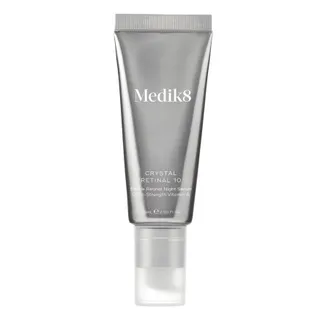
Medik8 Crystal Retinal 10 Stable Retinal Night Serum
Works for
Anti-blemishRetinal, Melia azadirachta leaf extractWorks well
“Not only designed to target signs of ageing, Crystal Retinal helps to reduce blemish-causing bacteria, visibly improving skin clarity.”
This product can help reduce breakouts and clogged pores because it contains the following ingredient: retinal. This ingredient is used for treating acne and can have a noticeable effect.
Anti-agingRetinal, 3-o-ethyl ascorbic acid + 1 moreWorks well
“Crystal Retinal™ is a cult advanced anti-ageing serum crafted with stabilised retinaldehyde (retinal), a next-generation form of vitamin A.”
This product can help reduce and prevent fine lines and wrinkles, improve skin elasticity and firmness because it contains retinal.
Keep in mind that it typically takes at least 6 weeks to notice any results because the changes that are needed to improve fine lines and elasticity happen in the deeper layers of the skin. No topical anti-aging product can “erase” wrinkles or fully reverse signs of aging.
Evens skin toneRetinal, Tetrahexyldecyl ascorbate + 1 moreWorks well
“Key Benefits 0.01% retinaldehyde, stabilised in a crystal encapsulation A youthful-looking complexion Results up to 11x faster than retinol Visibly improves lines and wrinkles, sun damage and uneven skin tone Reduces the appearance of blemishes Hyaluronic acid and glycerin hydrate the skin at every level UK200030070”
This product can help reduce hypepigmentation and even out the skin tone because it contains the following effective ingredients: retinal.
Keep in mind that you would need to apply any topical skincare targetted at hypigmentation consistently for a couple of months to get a result. No topical skincare product can help get rid of hyperpigmentation (including post-acne marks and age spots) instantly.
MoisturizingCaprylic/capric triglyceride, Glycerin + 9 moreWorks
“Key Benefits 0.01% retinaldehyde, stabilised in a crystal encapsulation A youthful-looking complexion Results up to 11x faster than retinol Visibly improves lines and wrinkles, sun damage and uneven skin tone Reduces the appearance of blemishes Hyaluronic acid and glycerin hydrate the skin at every level UK200030070”
This product can help improve hydration of the skin with the two types of ingredients.
The first type is called “humectants”:
these ingredients help attract water.
When humectants are on the surface of the skin, they “pull in” the moisture from the outside environment, or from
within deeper layers of the skin. The following ingredients in this product do the job:
glycerin, sodium hyaluronate.
This product also contains ingredients called “occlusives”. They help reduce the speed with which our skin loses moisture to the outside environment. These ingredients also help soften the upper layer of the skin, so it feels less tight and nicer to the touch. The following ingredients in this product do the job: caprylic/capric triglyceride, squalane.
Can it cause trouble?
Irritancy3 strong irritants: Retinal, Vanilla planifolia fruit extract + 1 more — patch-test recommendedHigh risk
Comedogenic1 ingredient rated 2 or more on the 0–5 pore-clogging scale1 flagged
User reviews
Be the first — your take helps the next person decide.
Ingredients
Filter by role to see what each ingredient is doing.
Water~45–55%
Caprylic/capric triglyceride~5.9–7.2%
- Irritation risk
- Medium
A good mix of fatty acids that forms a protective layer on the skin. Improves the shelf life of products. Derived from coconut and glycerin
More about Caprylic/capric triglycerideGlycerin~4.1–5%
- Irritation risk
- Low
One of the best moisturizing ingredients. Naturally present in skin. It attracts water to the upper layer of the skin working as a humectant
More about GlycerinIsododecane~3.2–3.9%
- Irritation risk
- Low
An emollient that helps soften the skin and can decrease moisture loss. Helps create a nice product texture
More about IsododecaneCetearyl olivate~2.4–2.9%
Sodium acrylate/sodium acryloyldimethyl taurate copolymer~1.9–2.3%
- Irritation risk
- Low
Used to create a thicker product consistency
More about Sodium acrylate/sodium acryloyldimethyl taurate copolymerCetearyl alcohol~1.7–2.1%
- Irritation risk
- Low
- Comedogenicity
- 2/5
A non-drying alcohol. Works as an emollient. Helps water and oil mix together and creates a nice product texture
More about Cetearyl alcoholPpg-12/smdi copolymer~1.5–1.9%
Sorbitan olivate~1.2–1.4%
Tocopheryl acetate~0.95–1.15%
- Irritation risk
- Medium
A more stable but less bio-available form of vitamin E compared to Tocopherol. Might help moisturize and protect the skin from free radicals, but mostly used in low concentrations to stabilize other ingredients.
More about Tocopheryl acetateTitanium dioxide~1.1–1.3%
- Irritation risk
- Low
Works as a UV filter when used in high concentrations. It is photostable and is effective mostly against the UVB light, with some protection in the UVA range. In small concentrations, used for its ability to improve the color of cosmetic products. Is usually well tolerated by the skin
More about Titanium dioxideSqualane~0.65–0.95%
- Irritation risk
- Low
An oil naturally present in skin. Works as an emollient to soften the skin and form a protective layer on its surface without a greasy feeling.
More about SqualaneEclipta prostrata extract~0.5–0.75%
- Irritation risk
- High
A plant extract that might help neutralize free radicals in skin. It can be irritating
More about Eclipta prostrata extractHydroxyethyl acrylate/sodium acryloyldimethyl taurate copolymer~0.45–0.7%
- Irritation risk
- Medium
A gelling agent that thickens the product consistency and leaves the skin with a velvety finish
More about Hydroxyethyl acrylate/sodium acryloyldimethyl taurate copolymerPhenoxyethanol~0.45–0.65%
- Irritation risk
- Low
A preservative. It helps prevent bacterial growth in cosmetic products
More about PhenoxyethanolCyclodextrin~0.4–0.65%
- Irritation risk
- Low
A type of sugar that is used to support delivery of active ingredients and can enhance their penetration into the skin without disrupting the skin's barrier
More about CyclodextrinHydroxypropyl methylcellulose~0.45–0.65%
- Irritation risk
- Medium
Used to create a thicker product consistency and stabilize the formulation
More about Hydroxypropyl methylcelluloseSodium hyaluronate~0.35–0.6%
- Irritation risk
- Low
One of the best moisturizing ingredients. Attracts water into the upper layer of the skin
More about Sodium hyaluronateTetrahexyldecyl ascorbate~0.3–0.6%
- Irritation risk
- Medium
Being a lipid soluble form of vitamin C, it is more stable than ascorbic acid, but still degrades quickly and needs to be stabilized in a formulation with another ingredient. It is claimed to penetrate skin better than pure vitamin C and have the the similar benefits, but solid studies of its effectiveness are lacking. Is likely to require a higher concentration in a product than pure vitamin C to be effective. It might be able to help reduce pore clogging.
More about Tetrahexyldecyl ascorbateMelia azadirachta leaf extract~0.3–0.5%
- Irritation risk
- High
A plant extract that has anti-bacterial properties. Can be used to preserve the product. Can be irritating
More about Melia azadirachta leaf extractAlumina~0.45–0.65%
- Irritation risk
- Low
The same compound that is used safely in dental implants and bone cements. In cosmetics, it is used to improve the consistency of products
More about AluminaIsostearic acid~0.35–0.65%
- Irritation risk
- Low
Used to create a nice product texture
More about Isostearic acidLecithin~0.25–0.5%
- Irritation risk
- Low
Used mostly for creating emulsions - helping oil and water mix together. Helps soften the upper layer of the skin
More about LecithinPolyglyceryl-3 polyricinoleate~0.25–0.5%
- Irritation risk
- Medium
Helps oil and water mix together
More about Polyglyceryl-3 polyricinoleateDisodium edta~0.25–0.45%
Hydroxyacetophenone~0.25–0.45%
Polyhydroxystearic acid~0.25–0.5%
- Irritation risk
- Medium
Used to create a thicker product consistency and stabilize the formulation
More about Polyhydroxystearic acidStearic acid~0.35–0.65%
- Irritation risk
- Low
Helps oil and water mix together and works as an emollient
More about Stearic acidEthylhexylglycerin~0.25–0.45%
3-o-ethyl ascorbic acid~0.25–0.4%
- Irritation risk
- High
A vitamin C derivative that is more stable but less potent than pure form of vitamin C. Can help neutralize free radicals and help reduce hyperpigmentation, but the required concentration is likely to be much higher than for the pure form of vitamin C, limiting the ingredient's effectiveness in products
More about 3-o-ethyl ascorbic acidDaucus carota sativa seed oil~0.25–0.5%
- Irritation risk
- Low
A plant oil that might help neutralize free radicals and have an anti-bacterial effect
More about Daucus carota sativa seed oilSodium polyaspartate~0.25–0.45%
- Irritation risk
- Medium
Helps attract water to the upper layer of the skin and can help stabilize the product formulation
More about Sodium polyaspartateClimbazole~0.25–0.4%
- Irritation risk
- Low
Retinal~0.25–0.45%
- Irritation risk
- High
One step removed from the biologically active in skin form of vitamin A. Once converted to the retinoic acid in the skin, retinal is proven to be effective against all signs of aging. It improves skin cell turnover, helps fight blemishes and clogged pores, can regulate excess oil production and even skin tone. Concentrations of 0.05% and 0.1% are shown to be effective. It can, however, be irritating
More about RetinalDipteryx odorata bean extract~0.2–0.35%
- Irritation risk
- Low
Lonicera japonica flower extract~0.2–0.4%
- Irritation risk
- High
A plant extract that might help neutralize free radicals in skin. Can contain volalite oils and be irritating
More about Lonicera japonica flower extractLonicera caprifolium flower extract~0.2–0.35%
- Irritation risk
- High
A plant extract that might help neutralize free radicals in skin. Can contain volalite oils and be irritating
More about Lonicera caprifolium flower extractRubus chamaemorus seed oil~0.2–0.4%
- Irritation risk
- High
A berry extract that can have some anti-oxidant properties. It helps to preserve product formulations and improve their smell. It can be irritating
More about Rubus chamaemorus seed oilMoringa oleifera seed oil~0.25–0.45%
- Irritation risk
- Medium
A plant oil that helps soften the upper layer of the skin. Is unlikely to be helpful in restoring skin barrier function due to the low content of linoleic acid
More about Moringa oleifera seed oilPolysorbate 60~0.2–0.4%
Sorbitan isostearate~0.2–0.4%
- Irritation risk
- Low
Helps oil and water mix together
More about Sorbitan isostearatePentylene glycol~0.25–0.4%
- Irritation risk
- Medium
Used to preserve products, dissolve other ingredients and create a nice product texture
More about Pentylene glycolVanilla planifolia fruit extract~0.15–0.3%
- Irritation risk
- High
A plant extract used as a fragrance. Can be irritating
More about Vanilla planifolia fruit extractDecylene glycol~0.15–0.3%
- Irritation risk
- Low
Used to creat a nice product texture and support penetration of other ingredients
More about Decylene glycolBht~0.15–0.25%
1,2-hexanediol~0.15–0.25%
Coumarin~0.1–0.15%
Ingredient list view
Water, Caprylic/capric triglyceride, Glycerin, Isododecane, Cetearyl olivate, Sodium acrylate/sodium acryloyldimethyl taurate copolymer, Cetearyl alcohol, Ppg-12/smdi copolymer, Sorbitan olivate, Tocopheryl acetate, Titanium dioxide, Squalane, Eclipta prostrata extract, Hydroxyethyl acrylate/sodium acryloyldimethyl taurate copolymer, Phenoxyethanol, Cyclodextrin, Hydroxypropyl methylcellulose, Sodium hyaluronate, Tetrahexyldecyl ascorbate, Melia azadirachta leaf extract, Alumina, Isostearic acid, Lecithin, Polyglyceryl-3 polyricinoleate, Disodium edta, Hydroxyacetophenone, Polyhydroxystearic acid, Stearic acid, Ethylhexylglycerin, 3-o-ethyl ascorbic acid, Daucus carota sativa seed oil, Sodium polyaspartate, Climbazole, Retinal, Dipteryx odorata bean extract, Lonicera japonica flower extract, Lonicera caprifolium flower extract, Rubus chamaemorus seed oil, Moringa oleifera seed oil, Polysorbate 60, Sorbitan isostearate, Pentylene glycol, Vanilla planifolia fruit extract, Decylene glycol, Bht, 1,2-hexanediol, Coumarin
Compare prices
Retailers ranked by price — lowest first.

Worth comparing, line by line.
Match % combines shared ingredients, the first five ingredients, shared actives and hero ingredients, irritancy (lower counts in the alternative's favour), texture and body area. Only products in the same routine step are compared.
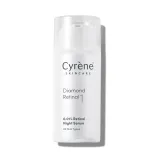
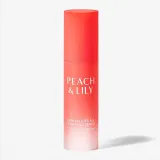
| Medik8Crystal Retinal 10 Stable Retinal Night SerumYOUR PRODUCT | Cyrène SkincareDiamond Retinal 1 | PEACH & LILYRetinal For All Renewing Serum | skinmadeTranexamic acid + Retinal serum | |
|---|---|---|---|---|
| Match | — | 96% | 84% | 82% |
| Price | — | $18.90 | $55.00 | — |
| Shared key ingredients | — | 6 of 8 | 5 of 8 | 5 of 8 |
| Key difference | — | Madecassoside | Ceramide Eop | Bakuchiol |
| Irritancy | High | Medium | High | Medium |
| Drying alcohol | — | — | — | — |
| View product | Shop | Shop | Shop |


More alternatives: Ursa Major Lunar Bloom Retinal SerumMeditherapy Retinal Skin Booster Serum
Product summary
"Medik8 - Crystal Retinal 10 Stable Retinal Night Serum" is effective for: Anti-blemish, Anti-aging and Evens skin tone
This product could be helpful for: Moisturizing, but its actives are not the most effective or are not well-studied.
Ingredient callouts
- this product contains an effective form of Retinoids (vitamin A): retinal 0.25% - 0.45%. Retinoids are potent multitasking actives. They work to improve and prevent early signs of aging, reduce hyperpigmentation (age spots and post-acne marks), and prevent inflamed blemishes and clogged pores. The downside of Retinoids is that they can be irritating. If you are not already using a Retinoid in your routine, it is best to start slowly and apply the Retinoid product only a few times per week. If your skin tolerates it well, you can gradually increase the frequency to daily.
- Humectants (sodium hyaluronate 0.35% - 0.60% and glycerin 4.10% - 5.00%). These ingredients help attract water to the upper layer of the skin and improve the skin hydration.
About the brand
According to Cruelty-Free Kitty "Medik8" is cruelty free, but its parent company is not.
Price
The product retails from 42.00£ up to 105.00£ in the United Kingdom.
For a detailed price comparison: click here.
Sources cited in this review
Every concentration estimate and effectiveness label is anchored to one of these 19 studies and safety reviews.
- 1
- 2
- 3
- 4Hyaluronic acid: A key molecule in skin agingncbi.nlm.nih.gov
- 5
- 6

Affiliate links · As an Amazon Associate, WIMJ earns from qualifying purchases.