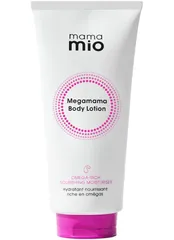
Works for:
based on ingredients and %- Moisturizing
Doesn't work for:
based on ingredients and %- Anti-aging
- Evens skin tone
Can it cause trouble?
- Irritation risk: high
- Comedogenic risk ingredients: 3
Key actives

Moisturizing
What does the product description say?
Formulated to refresh and revitalise dry skin, this light lotion is packed full of omegas to intensely hydrate revealing smooth, supple and beautifully soft skin from top to toe.
Source: Mio
This product can help improve hydration of the skin with the two types of ingredients.
The first type is called “humectants”:
these ingredients help attract water.
When humectants are on the surface of the skin, they “pull in” the moisture from the outside environment, or from
within deeper layers of the skin. The following ingredients in this product do the job:
glycerin, sodium hyaluronate.
This product also contains ingredients called “occlusives”. They help reduce the speed with which our skin loses moisture to the outside environment. These ingredients also help soften the upper layer of the skin, so it feels less tight and nicer to the touch. The following ingredients in this product do the job: caprylic/capric triglyceride, cocos nucifera oil.
An emollient that helps soften the upper layer of the skin. Might have some weak anti-oxidant properties
One of the best moisturizing ingredients. Naturally present in skin. It attracts water to the upper layer of the skin working as a humectant
An emollient that helps soften the skin and could be helpful in repairing its barrier function
A plant oil that works as a good moisturizer by softening the upper layer of the skin. Might be helpful in reducing inflammation in skin and reducing blemishes due to the large content of linoleic acid
Sugar extract that helps attract water to the upper layer of the skin
One of the best moisturizing ingredients. Attracts water into the upper layer of the skin
Naturally present in skin and helps to attract water to its upper layer
A good mix of fatty acids that forms a protective layer on the skin. Improves the shelf life of products. Derived from coconut and glycerin
An emollient. Found to be as effective as a moisturizer for dry skin as mineral oil. Could be comedogenic
Helps to soften the upper layer of the skin without creating a greasy texture
A non-drying alcohol. Works as an emollient. Helps water and oil mix together and creates a nice product texture
A non-drying alcohol that works to soften the skin and stabilize product formulations helping oil and water mix together
An emollient that helps soften the skin
Traditionally used to treat sunburns, dermatitis and inflammation, but evidence for its effectiveness is lacking. The extract can contain humectants that help attract water into the skin
Helps preserve products and creates a nice product texture
Pure form of vitamin E. Can help moisturise and protect the skin from free radicals. Often used to help stabilise other ingredients or the formula itself
Anti-aging
What does the product description say?
Both Vitamin C and an AHA blend encourage a brighter all-over tone while supporting normal collagen production.
Source: Mankind
Effective ingredients missing or their concentration is too low.
Traditionally used to treat sunburns, dermatitis and inflammation, but evidence for its effectiveness is lacking. The extract can contain humectants that help attract water into the skin
A vitamin C derivative that is more stable but less potent than pure form of vitamin C. Has a potential to boost collagen production, nutralise free radicals and reduce hyperpigmentation, but the required concentration is likely to be much higher than for the pure form of vitamin C, limiting the ingredient's effectiveness in products
Pure form of vitamin E. Can help moisturise and protect the skin from free radicals. Often used to help stabilise other ingredients or the formula itself
Evens skin tone
What does the product description say?
Both Vitamin C and an AHA blend encourage a brighter all-over tone while supporting normal collagen production.
Source: Mankind
Effective ingredients missing or their concentration is too low
A vitamin C derivative that is more stable but less potent than pure form of vitamin C. Has a potential to boost collagen production, nutralise free radicals and reduce hyperpigmentation, but the required concentration is likely to be much higher than for the pure form of vitamin C, limiting the ingredient's effectiveness in products
How honest is this product?
| Promise | Can it deliver? |
|---|---|
| Moisturizing | |
| Anti-aging | |
| Evens skin tone |
Total Promises Fulfilled score: 25/100.
We receive a small commission for purchases made through these links at no cost for you. Thank you for your support! Learn more
Potential irritants
Comedogenic ingredients
User reviews (0)
Averages from community submissions.
No reviews yet for this product.
Be the first to share your experience!
Tried this product?
Help capture what the ingredient list can't—texture, finish, pilling, scent, and more. Answer what you can, skip the rest.
Takes ~30 seconds.
Reviews are shown in aggregate. No personal details.
Key Actives
Pure form of vitamin E. Can help moisturise and protect the skin from free radicals. Often used to help stabilise other ingredients or the formula itself
A vitamin C derivative that is more stable but less potent than pure form of vitamin C. Has a potential to boost collagen production, nutralise free radicals and reduce hyperpigmentation, but the required concentration is likely to be much higher than for the pure form of vitamin C, limiting the ingredient's effectiveness in products
An emollient that helps soften the upper layer of the skin. Might have some weak anti-oxidant properties
An emollient. Found to be as effective as a moisturizer for dry skin as mineral oil. Could be comedogenic
A good mix of fatty acids that forms a protective layer on the skin. Improves the shelf life of products. Derived from coconut and glycerin
An emollient that helps soften the skin and could be helpful in repairing its barrier function
One of the best moisturizing ingredients. Naturally present in skin. It attracts water to the upper layer of the skin working as a humectant
A plant oil that works as a good moisturizer by softening the upper layer of the skin. Might be helpful in reducing inflammation in skin and reducing blemishes due to the large content of linoleic acid
Sugar extract that helps attract water to the upper layer of the skin
Naturally present in skin and helps to attract water to its upper layer
One of the best moisturizing ingredients. Attracts water into the upper layer of the skin
Potential irritants
An aromatic blend of unspecified and possibly irritating ingredients
A common frangrance that can easily irritate skin, especially if exposed to air, light or heat
A plant extract that is used as a fragrance. Can be irritating and lead to photosensitivity
Used as a fragrance. Can be irritating and cause photosensitivity
Helps mask the smell of other ingredients and helps preserve the product formulation
A berry extract. Might have some anti-oxidant properties
Traditionally used to treat sunburns, dermatitis and inflammation, but evidence for its effectiveness is lacking. The extract can contain humectants that help attract water into the skin
A good mix of fatty acids that forms a protective layer on the skin. Improves the shelf life of products. Derived from coconut and glycerin
An emollient that helps soften the skin and could be helpful in repairing its barrier function
A gelling agent that thickens the product consistency and leaves the skin with a velvety finish
A plant extract that might help neutralize free radicals in skin, but research on its efficacy in skin is lacking
An emollient that helps soften the upper layer of the skin. Might have some weak anti-oxidant properties
A vitamin C derivative that is more stable but less potent than pure form of vitamin C. Has a potential to boost collagen production, nutralise free radicals and reduce hyperpigmentation, but the required concentration is likely to be much higher than for the pure form of vitamin C, limiting the ingredient's effectiveness in products
Helps preserve products and creates a nice product texture
A plant extract that contains small percentage of AHAs. Is unlikely to have any skin benefit due the small concentration of the active compounds
Comedogenic ingredients
A non-drying alcohol. Works as an emollient. Helps water and oil mix together and creates a nice product texture
An emollient. Found to be as effective as a moisturizer for dry skin as mineral oil. Could be comedogenic
All ingredients
Traditionally used to treat sunburns, dermatitis and inflammation, but evidence for its effectiveness is lacking. The extract can contain humectants that help attract water into the skin
A non-drying alcohol. Works as an emollient. Helps water and oil mix together and creates a nice product texture
An emollient. Found to be as effective as a moisturizer for dry skin as mineral oil. Could be comedogenic
A good mix of fatty acids that forms a protective layer on the skin. Improves the shelf life of products. Derived from coconut and glycerin
A non-drying alcohol that works to soften the skin and stabilize product formulations helping oil and water mix together
An emollient that helps soften the skin and could be helpful in repairing its barrier function
One of the best moisturizing ingredients. Naturally present in skin. It attracts water to the upper layer of the skin working as a humectant
An aromatic blend of unspecified and possibly irritating ingredients
A preservative. It helps prevent bacterial growth in cosmetic products
A gelling agent that thickens the product consistency and leaves the skin with a velvety finish
A plant extract that might help neutralize free radicals in skin, but research on its efficacy in skin is lacking
An emollient that helps soften the upper layer of the skin. Might have some weak anti-oxidant properties
A plant oil that works as a good moisturizer by softening the upper layer of the skin. Might be helpful in reducing inflammation in skin and reducing blemishes due to the large content of linoleic acid
A common frangrance that can easily irritate skin, especially if exposed to air, light or heat
Helps to soften the upper layer of the skin without creating a greasy texture
Sugar extract that helps attract water to the upper layer of the skin
Pure form of vitamin E. Can help moisturise and protect the skin from free radicals. Often used to help stabilise other ingredients or the formula itself
Naturally present in skin and helps to attract water to its upper layer
A vitamin C derivative that is more stable but less potent than pure form of vitamin C. Has a potential to boost collagen production, nutralise free radicals and reduce hyperpigmentation, but the required concentration is likely to be much higher than for the pure form of vitamin C, limiting the ingredient's effectiveness in products
A plant extract that is used as a fragrance. Can be irritating and lead to photosensitivity
Used as a fragrance. Can be irritating and cause photosensitivity
Helps preserve products and creates a nice product texture
A plant extract that contains small percentage of AHAs. Is unlikely to have any skin benefit due the small concentration of the active compounds
One of the best moisturizing ingredients. Attracts water into the upper layer of the skin
Helps mask the smell of other ingredients and helps preserve the product formulation
A berry extract. Might have some anti-oxidant properties
Ingredient list view
Aloe barbadensis leaf juice, Water, Cetearyl alcohol, Cocos nucifera oil, Caprylic/capric triglyceride, Cetyl alcohol, Persea gratissima oil, Coconut alkanes, Glycerin, Menthone glycerin acetal, Parfum, Phenoxyethanol, Hydroxyethyl acrylate/sodium acryloyldimethyl taurate copolymer, Vaccinium myrtillus fruit extract, Argania spinosa kernel oil, Plukenetia volubilis seed oil, Limonene, Sodium stearoyl glutamate, Coco-caprylate/caprate, Saccharum officinarum extract, Methylpropanediol, Tocopherol, Xanthan gum, Sodium pca, Ascorbyl glucoside, Ethylhexylglycerin, Citrus aurantium dulcis fruit extract, Citrus limon fruit extract, Caprylyl glycol, Polysorbate 60, Sorbitan isostearate, Acer saccharum extract, Sodium hydroxide, Sodium hyaluronate, Citral, Phenylpropanol, Vaccinium macrocarpon fruit extract, Linalool
- Glycerol and the skin: holistic approach to its origin and functions
- Lonicera caerulea and Vaccinium myrtillus fruit polyphenols protect HaCaT keratinocytes against UVB-induced phototoxic stress and DNA damage
- Herbal Medicine: Biomolecular and Clinical Aspects. 2nd edition.
- Natural vegetable fats in the prevention of irritant contact dermatitis
- Chemical composition of Sacha Inchi ( Plukenetia volubilis L.) seeds and characteristics of their lipid fraction
- Safety Assessment of Alkyl Esters as Used in Cosmetics
- Vitamin E in dermatology
- Vitamin E and Skin Health
- The Roles of Vitamin C in Skin Health
- Stability, transdermal penetration, and cutaneous effects of ascorbic acid and its derivatives
- Safety Assessment of Citrus Fruit-Derived Ingredients as Used in Cosmetics
- Photosensitivity in children: An approach to diagnosis and management
- Safety Assessment of Citrus-Derived Peel Oils as Used in Cosmetics
- Hyaluronic acid: A key molecule in skin aging
- Hyaluronan (Hyaluronic Acid): a natural moisturizer for skin care