
Works for:
based on ingredients and %- Moisturizing
- Anti-oxidation
Can it cause trouble?
- Irritation risk: high
- Comedogenic risk ingredients: 4
Key actives


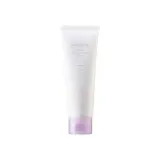
Product Summary
"Mad Hippie - Ultra-Rich Barrier Cream" has a good moisturizing formula. As we expect from a proper moisturizer, the formula includes a combo of effective humectants and emollients. These are the two different types of ingredients that are essential for improving the skin hydration and supporting a healthy skin barrier. Glycerin, hyaluronic acid, polyglutamic acid, sodium hyaluronate and glucosyl hesperidin in this product (humectants) attract water molecules to the upper layer of the skin (the water comes from the outside air or from the deeper layers of the skin if the air is dry). Emollients in this formulation (lanolin, theobroma cacao seed butter, butyrospermum parkii butter, squalane and cetearyl alcohol) help to reduce the moisture loss from the skin. They also soften the skin surface and relieve the feeling of dryness and tightness.
This product contains ingredients that could be beneficial, but their concentrations are too low in this formulation: sodium ascorbyl phosphate, butyrospermum parkii butter, niacinamide and caprylic/capric triglycerideIrritation risk
This moisturizer contains a bunch of common irritants, including ingredients that do not provide any known benefit for the skin. It might not be the best choice if your skin is sensitive. We assess the overall irritancy of this moisturizer to be high. For a detailed overview of all potential irritants: click here
You can see the detailed formula review with the breakdown of all actives in the product and the full ingredient list with estimated concentrations in the tables below.
About the brand
According to Cruelty-Free Kitty "Mad Hippie" is cruelty free and so is its parent company.
Works for
Moisturizing
What does the product description say?
Ultra-Rich Barrier Cream
Source: From product name
This product can help improve hydration of the skin with the two types of ingredients.
The first type is called “humectants”:
these ingredients help attract water.
When humectants are on the surface of the skin, they “pull in” the moisture from the outside environment, or from
within deeper layers of the skin. The following ingredients in this product do the job:
glycerin, hyaluronic acid.
This product also contains ingredients called “occlusives”. They help reduce the speed with which our skin loses moisture to the outside environment. These ingredients also help soften the upper layer of the skin, so it feels less tight and nicer to the touch. The following ingredients in this product do the job: butyrospermum parkii butter, squalane.
The following ingredients in this product are especially good for supporting the skin barrier and helping with the hydration level: lanolin
Helps soften the upper layer of the skin and might as well help to attract moisture to its upper layer
One of the best moisturizing ingredients. Attracts water into the upper layer of the skin. Naturally present in skin. Typically has large molecule size unless advertised otherwise on the product label. Helps support skin's barrier function and may help to reduce inflammation
Sebum of wool-bearing animals (most commonly sheep). Helps soften the upper layer of the skin and reduce the skin water loss. In rare cases could be an allergen. Not suitable for vegans
Helps soften the upper layer of the skin and can be helpful in restoring the skin barrier function. Might have some anti-oxidant effect
A great moisturising ingredient that softens the skin and reduces water loss from its upper layer. It also can be helpful in protecting skin from free radicals
Helps attract water to the upper layer of the skin.
One of the best moisturizing ingredients. Attracts water into the upper layer of the skin
An oil naturally present in skin. Works as an emollient to soften the skin and form a protective layer on its surface without a greasy feeling.
One of the best moisturizing ingredients. Naturally present in skin. It attracts water to the upper layer of the skin working as a humectant
A non-drying alcohol that works to soften the skin and stabilize product formulations helping oil and water mix together
A non-drying alcohol. Works as an emollient. Helps water and oil mix together and creates a nice product texture
Help soften the upper layer of the skin
Might be able to neutralize free radicals in skin. Also works as a humectant
An emollient that softens the skin and forms a protective layer on its surface. Helps water and oil mix together
Non-drying alcohol that helps water and oil mix together. Also serves as an emollient
Helps preserve products and creates a nice product texture
Used to soften the upper layer of the skin and create a thicker product consistency
Is proven to be effective in reducing blemishes, evening out skin tone and helping to improve lines and wrinkles. It helps the skin to repair sun damage, calm down inflammation and keep maintain good levels of moisture. The concentration of about 2% is effective for supporting the skin barrier and evening out the skin tone. Concentration of 4-6% is better for helping with acne and balancing the sebum production
A good mix of fatty acids that forms a protective layer on the skin. Improves the shelf life of products. Derived from coconut and glycerin
Anti-oxidation
This product contains antioxidants (rubus idaeus seed oil) that might be able to help neutralize free radicals in skin to lessen the damage it gets from the UV light (sun). There is not enough evidence to confirm their effectiveness in skin though.
A plant oil that might be able to help neutralize free radicals in skin
A plant extract that has astringent properties. In other words, it might be able to interact with keratin in the uppermost layer of the skin to reduce swelling and create a temporal tightening effect. It can be irritating
A great moisturising ingredient that softens the skin and reduces water loss from its upper layer. It also can be helpful in protecting skin from free radicals
Might be able to neutralize free radicals in skin. Also works as a humectant
Helps soften the upper layer of the skin and can be helpful in restoring the skin barrier function. Might have some anti-oxidant effect
Plant extract that can help neutralize free radicals in skin. Can be used as a fragrance. Can be irritating
A plant extract that has some anti-oxidant and anti-bacterial properties. Can be irritating
A stable derivative of vitamin C. It is oil-soluble which means it is more likely to penetrate the skin compared to the pure form of vitamin C (which is water-soluble), but it is less bio-available and is way less effective in stimulating collagen and reducing wrinkles compared to the pure form of vitamin C (L-ascorbic acid) and its other derivatives (for example, magnesium ascorbyl phosphate). At the same time, this vitamin C derivative has been shown in studies to be effective in reducing acne, blemishes and clogged pores. It is less irritating then the pure form of vitamin C
A plant extract that might be helpful in neutralizing free radicals and have a skin lightening effect if used in high enough concentrations
How honest is this product?
| Promise | Can it deliver? |
|---|---|
| Moisturizing |
Total Promises Fulfilled score: 100/100.
We receive a small commission for purchases made through these links at no cost for you. Thank you for your support! Learn more
Potential irritants
Comedogenic ingredients
User reviews (0)
Averages from community submissions.
No reviews yet for this product.
Be the first to share your experience!
Tried this product?
Help capture what the ingredient list can't—texture, finish, pilling, scent, and more. Answer what you can, skip the rest.
Takes ~30 seconds.
Reviews are shown in aggregate. No personal details.
| Product | Similarity | Price | Irritancy |
|---|---|---|---|
 Mad Hippie Ultra-Rich Barrier Cream | Current | $17.99 | |
Evercell Radiance Lifting Cream | 79% | $12.35 | |
HWARANG Bellflower Moisturizing Barrier Cream | 78% | $16.83 | |
Rephr intense hydration cream 1.0 | 78% | - | |
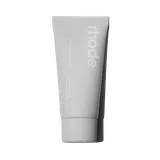 Rhode barrier restore cream — big | 78% | - | |
REVOLUTION SKINCARE Pro Miracle Water Cream | 78% | ≈ $13.91 |
Key Actives
Is proven to be effective in reducing blemishes, evening out skin tone and helping to improve lines and wrinkles. It helps the skin to repair sun damage, calm down inflammation and keep maintain good levels of moisture. The concentration of about 2% is effective for supporting the skin barrier and evening out the skin tone. Concentration of 4-6% is better for helping with acne and balancing the sebum production
A great moisturising ingredient that softens the skin and reduces water loss from its upper layer. It also can be helpful in protecting skin from free radicals
A great moisturising ingredient that softens the skin and reduces water loss from its upper layer. It also can be helpful in protecting skin from free radicals
One of the best moisturizing ingredients. Attracts water into the upper layer of the skin. Naturally present in skin. Typically has large molecule size unless advertised otherwise on the product label. Helps support skin's barrier function and may help to reduce inflammation
Helps soften the upper layer of the skin and can be helpful in restoring the skin barrier function. Might have some anti-oxidant effect
A plant extract that might be helpful in neutralizing free radicals and have a skin lightening effect if used in high enough concentrations
Sebum of wool-bearing animals (most commonly sheep). Helps soften the upper layer of the skin and reduce the skin water loss. In rare cases could be an allergen. Not suitable for vegans
Helps soften the upper layer of the skin and might as well help to attract moisture to its upper layer
One of the best moisturizing ingredients. Naturally present in skin. It attracts water to the upper layer of the skin working as a humectant
A good mix of fatty acids that forms a protective layer on the skin. Improves the shelf life of products. Derived from coconut and glycerin
One of the best moisturizing ingredients. Attracts water into the upper layer of the skin
Helps attract water to the upper layer of the skin.
An oil naturally present in skin. Works as an emollient to soften the skin and form a protective layer on its surface without a greasy feeling.
A plant oil that might be able to help neutralize free radicals in skin
Potential irritants
A plant extract that has astringent properties. In other words, it might be able to interact with keratin in the uppermost layer of the skin to reduce swelling and create a temporal tightening effect. It can be irritating
A plant extract that is added for its fragrance. Can be irritating
Plant extract that can help neutralize free radicals in skin. Can be used as a fragrance. Can be irritating
A plant extract that has some anti-oxidant and anti-bacterial properties. Can be irritating
Plant extract that can have healing and anti-inflammatory properties. It is a potential allergen and can be irritating
A plant extract that can contain an active compound curcumin, that may have some anti-inflammatory properties when applied to the skin, but solid research is lacking and the typical concentration used in skincare products is too low. Can be an irritant
Helps soften the upper layer of the skin and might as well help to attract moisture to its upper layer
Helps water and oil in the product mix well together and improves product texture
A good mix of fatty acids that forms a protective layer on the skin. Improves the shelf life of products. Derived from coconut and glycerin
A stable derivative of vitamin C. It is oil-soluble which means it is more likely to penetrate the skin compared to the pure form of vitamin C (which is water-soluble), but it is less bio-available and is way less effective in stimulating collagen and reducing wrinkles compared to the pure form of vitamin C (L-ascorbic acid) and its other derivatives (for example, magnesium ascorbyl phosphate). At the same time, this vitamin C derivative has been shown in studies to be effective in reducing acne, blemishes and clogged pores. It is less irritating then the pure form of vitamin C
Helps preserve products and creates a nice product texture
A plant oil that might be able to help neutralize free radicals in skin
A plant extract that might be helpful in neutralizing free radicals and have a skin lightening effect if used in high enough concentrations
Comedogenic ingredients
A great moisturising ingredient that softens the skin and reduces water loss from its upper layer. It also can be helpful in protecting skin from free radicals
A non-drying alcohol. Works as an emollient. Helps water and oil mix together and creates a nice product texture
A great moisturising ingredient that softens the skin and reduces water loss from its upper layer. It also can be helpful in protecting skin from free radicals
Helps soften the upper layer of the skin and can be helpful in restoring the skin barrier function. Might have some anti-oxidant effect
All ingredients
Sebum of wool-bearing animals (most commonly sheep). Helps soften the upper layer of the skin and reduce the skin water loss. In rare cases could be an allergen. Not suitable for vegans
A great moisturising ingredient that softens the skin and reduces water loss from its upper layer. It also can be helpful in protecting skin from free radicals
A non-drying alcohol. Works as an emollient. Helps water and oil mix together and creates a nice product texture
A non-drying alcohol that works to soften the skin and stabilize product formulations helping oil and water mix together
Used to soften the upper layer of the skin and create a thicker product consistency
Non-drying alcohol that helps water and oil mix together. Also serves as an emollient
Helps soften the upper layer of the skin and might as well help to attract moisture to its upper layer
One of the best moisturizing ingredients. Naturally present in skin. It attracts water to the upper layer of the skin working as a humectant
Helps water and oil in the product mix well together and improves product texture
A good mix of fatty acids that forms a protective layer on the skin. Improves the shelf life of products. Derived from coconut and glycerin
An emollient that softens the skin and forms a protective layer on its surface. Helps water and oil mix together
Is proven to be effective in reducing blemishes, evening out skin tone and helping to improve lines and wrinkles. It helps the skin to repair sun damage, calm down inflammation and keep maintain good levels of moisture. The concentration of about 2% is effective for supporting the skin barrier and evening out the skin tone. Concentration of 4-6% is better for helping with acne and balancing the sebum production
A great moisturising ingredient that softens the skin and reduces water loss from its upper layer. It also can be helpful in protecting skin from free radicals
A stable derivative of vitamin C. It is oil-soluble which means it is more likely to penetrate the skin compared to the pure form of vitamin C (which is water-soluble), but it is less bio-available and is way less effective in stimulating collagen and reducing wrinkles compared to the pure form of vitamin C (L-ascorbic acid) and its other derivatives (for example, magnesium ascorbyl phosphate). At the same time, this vitamin C derivative has been shown in studies to be effective in reducing acne, blemishes and clogged pores. It is less irritating then the pure form of vitamin C
Helps preserve products and creates a nice product texture
One of the best moisturizing ingredients. Attracts water into the upper layer of the skin. Naturally present in skin. Typically has large molecule size unless advertised otherwise on the product label. Helps support skin's barrier function and may help to reduce inflammation
One of the best moisturizing ingredients. Attracts water into the upper layer of the skin
A plant extract that has astringent properties. In other words, it might be able to interact with keratin in the uppermost layer of the skin to reduce swelling and create a temporal tightening effect. It can be irritating
A plant extract that is added for its fragrance. Can be irritating
Plant extract that can help neutralize free radicals in skin. Can be used as a fragrance. Can be irritating
Helps soften the upper layer of the skin and can be helpful in restoring the skin barrier function. Might have some anti-oxidant effect
An oil naturally present in skin. Works as an emollient to soften the skin and form a protective layer on its surface without a greasy feeling.
A plant oil that might be able to help neutralize free radicals in skin
A plant extract that has some anti-oxidant and anti-bacterial properties. Can be irritating
A plant extract that might be helpful in neutralizing free radicals and have a skin lightening effect if used in high enough concentrations
Might be able to neutralize free radicals in skin. Also works as a humectant
Plant extract that can have healing and anti-inflammatory properties. It is a potential allergen and can be irritating
A plant extract that can contain an active compound curcumin, that may have some anti-inflammatory properties when applied to the skin, but solid research is lacking and the typical concentration used in skincare products is too low. Can be an irritant
Ingredient list view
Water, Unknown, Lanolin, Butyrospermum parkii butter, Glyceryl rosinate, Olea europaea oil unsaponifiables, Cetearyl alcohol, Cetyl alcohol, Arachidyl alcohol, Behenyl alcohol, Theobroma grandiflorum seed butter, Arachidyl glucoside, Glycerin, Cetearyl glucoside, Caprylic/capric triglyceride, Glyceryl stearate, Niacinamide, Butyrospermum parkii butter, Linseed oil/palm oil aminopropanediol esters, Sodium ascorbyl phosphate, Opuntia ficus-indica stem extract, Phenethyl alcohol, Caprylyl glycol, Ethylhexylglycerin, Hyaluronic acid, Sodium hyaluronate, Malva sylvestris extract, Mentha piperita leaf extract, Primula veris extract, Alchemilla vulgaris extract, Veronica officinalis extract, Melissa officinalis leaf extract, Achillea millefolium extract, Xanthan gum, Theobroma cacao seed butter, Polyglutamic acid, Squalane, Rubus idaeus seed oil, Calendula officinalis flower extract, Phyllanthus emblica fruit extract, Glucosyl hesperidin, Unknown, Chamomilla recutita flower extract, Curcuma longa root extract
- The lanolin paradox revisited Matiz, Catalina et al. Journal of the American Academy of Dermatology, Volume 64, Issue 1, 197
- Advanced Skin Care – A Novel Ingredient
- Glycerol and the skin: holistic approach to its origin and functions
- Niacinamide - mechanisms of action and its topical use in dermatology
- Gehring, W. (2004). Nicotinic acid/niacinamide and the skin. Journal of Cosmetic Dermatology, 3(2), 88–93. doi:10.1111/j.1473-2130.2004.00115.x
- Sodium ascorbyl phosphate shows in vitro and in vivo efficacy in the prevention and treatment of acne vulgaris
- Sodium ascorbyl phosphate in topical microemulsions
- Final report of the safety assessment of L-Ascorbic Acid, Calcium Ascorbate, Magnesium Ascorbate, Magnesium Ascorbyl Phosphate, Sodium Ascorbate, and Sodium Ascorbyl Phosphate as used in cosmetics
- Regulation of collagen synthesis in human dermal fibroblasts by the sodium and magnesium salts of ascorbyl-2-phosphate
- Comparison of clinical efficacies of sodium ascorbyl phosphate, retinol and their combination in acne treatment
- Application of l-ascorbic acid and its derivatives (sodium ascorbyl phosphate and magnesium ascorbyl phosphate) in topical cosmetic formulations: stability studies
- Sodium L-ascorbyl-2-phosphate 5% lotion for the treatment of acne vulgaris: a randomized, double-blind, controlled trial
- Final Report on the Safety Assessment of Phenethyl Alcohol
- Efficacy of a New Topical Nano-hyaluronic Acid in Humans
- Physiochemical properties and application of hyaluronic acid: a systematic review
- Hyaluronic acid: A key molecule in skin aging
- Hyaluronan (Hyaluronic Acid): a natural moisturizer for skin care
- Effect of herbal mixture composed of Alchemilla vulgaris and Mimosa on wound healing process.
- Contact dermatitis as an adverse reaction to some topically used European herbal medicinal products – part 1: Achillea millefolium–Curcuma longa
- Cocoa polyphenols and their influence on parameters involved in ex vivo skin restructuring
- γ‐Polyglutamic Acid Produced by Bacillus Subtilis (Natto): Structural Characteristics, Chemical Properties and Biological Functionalities
- Natural and edible biopolymer poly‐γ‐glutamic acid: synthesis, production, and applications
- Topical application of Calendula officinalis (L.): Formulation and evaluation of hydrophilic cream with antioxidant activity
- The seamy side of natural medicines: contact sensitization to arnica (Arnica montana L.) and marigold (Calendula officinalis L.)
- Final report on the safety assessment of Calendula officinalis extract and Calendula officinalis
- Emblica
- Amla (Emblica officinalis Gaertn.) extract promotes procollagen production and inhibits matrix metalloproteinase-1 in human skin fibroblasts
- Emblica Cascading Antioxidant: A Novel Natural Skin Care Ingredient
- Vaughn, A. R., Branum, A., & Sivamani, R. K. (2016). Effects of Turmeric (Curcuma longa) on Skin Health: A Systematic Review of the Clinical Evidence. Phytotherapy Research, 30(8), 1243–1264. doi:10.1002/ptr.5640