Works for:
based on ingredients and %- Cleansing
- Exfoliation
Doesn't work for:
based on ingredients and %- Anti-blemish
Can it cause trouble?
- Irritation risk: high
- Comedogenic risk ingredients: 1
Key actives
Cleansing
What does the product description say?
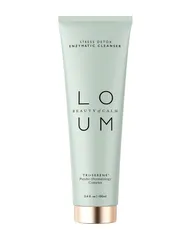
Stress Detox Enzymatic Cleanser
Source: Cultbeauty
This product works by removing dirt and oil from the surface of the skin. It uses a combination of mild cleansing agents (cetearyl alcohol, cetyl alcohol, cocamidopropyl betaine, cocamidopropyl dimethylamine, cocamidopropyl hydroxysultaine, glycol distearate, stearic acid, xanthan gum) and should be able to cleanse the skin gently. Still keep in mind that any cleansing can disrupt the skin barrier, and most people do not need to cleanse their skin more than once per day.
Even though this formulation is mild, the following cleansing agents could trigger an irritation or allergy for some people: cocamidopropyl betaine, cocamidopropyl dimethylamine
A non-drying alcohol. Works as an emollient. Helps water and oil mix together and creates a nice product texture
A non-drying alcohol that works to soften the skin and stabilize product formulations helping oil and water mix together
Helps water and oil mix together. Used as a cleansing ingredient. Could be an allergen
Helps oil and water mix together. Can work as a cleansing agent. Can be irritating
Used as a cleansing agent. Helps water and oil mix together
Helps water and oil mix together
Helps oil and water mix together and works as an emollient
Used to create a thicker product consistency
Exfoliation
What does the product description say?
Setting your skin on a clearer, calmer course, this helps to address signs of stress from excess oil and blemishes to breakouts thanks to the proprietary Tri-Serene Complex (a cocktail of whole plant extracts with marine micro-algae and wild indigo extract to dial down the give-away signs of stressed skin), alongside resurfacing fruit enzymes (pumpkin and papaya) and mandelic acid (a mild AHA), which brighten and clarify lacklustre skin.
Source: Cultbeauty
This product can help exfoliate the skin. In other words, it helps break down the bonds between dead cells on the surface of the skin and speed up the skin turnover. Skin often appears softer and brighter after exfoliation, but overdoing it can result in disrupted skin barrier. The following ingredient is doing the exfoliating job in this product: glycolic acid, mandelic acid.
An alpha-hydroxy acid (AHA) that helps to remove the dead skin cells on the surface of the skin reveling a more even, smoother complexation. It is also able to stimulate collagen production with long-term use. Could help to reduce pore congestion. It can be irritating to the skin. Apply sunscreen daily if using products with glycolic acid
Helps shed the upper layer of dead cells from the surface of the skin revealing smoother, brighter skin. It can help to reduce hyperpigmentation. It has anti-bacterial properties, and might help to reduce blemishes, as well as fine lines and wrinkles. It is considered to be gentler than glycolic acid
An enzyme-based exfoliant
A plant extract that can help neutralize free radicals in skin. It contains a compound salicin that can theoretically be converted into salicylic acid that, in turn, helps reduce inflammation in skin, but the evidence of effectiveness in skin is lacking and the extract is usually not used in a concentration that would enable an exfoliating effect
Anti-blemish
What does the product description say?
Setting your skin on a clearer, calmer course, this helps to address signs of stress from excess oil and blemishes to breakouts thanks to the proprietary Tri-Serene Complex (a cocktail of whole plant extracts with marine micro-algae and wild indigo extract to dial down the give-away signs of stressed skin), alongside resurfacing fruit enzymes (pumpkin and papaya) and mandelic acid (a mild AHA), which brighten and clarify lacklustre skin.
Source: Cultbeauty
This product contains ingredients (cannabidiol - derived from extract or tincture or resin of cannabis, glycolic acid, mandelic acid) that could help reduce blemishes and clogged pores in theory, but there is not enough evidence that they actually work.
CBD. Can bind to skin cell receptors and can reduce inflammation, itching, and help support skin barrier function
An alpha-hydroxy acid (AHA) that helps to remove the dead skin cells on the surface of the skin reveling a more even, smoother complexation. It is also able to stimulate collagen production with long-term use. Could help to reduce pore congestion. It can be irritating to the skin. Apply sunscreen daily if using products with glycolic acid
Helps shed the upper layer of dead cells from the surface of the skin revealing smoother, brighter skin. It can help to reduce hyperpigmentation. It has anti-bacterial properties, and might help to reduce blemishes, as well as fine lines and wrinkles. It is considered to be gentler than glycolic acid
A plant extract that can help neutralize free radicals in skin. It contains a compound salicin that can theoretically be converted into salicylic acid that, in turn, helps reduce inflammation in skin, but the evidence of effectiveness in skin is lacking and the extract is usually not used in a concentration that would enable an exfoliating effect
How honest is this product?
| Promise | Can it deliver? |
|---|---|
| Cleansing | |
| Exfoliation | |
| Anti-blemish |
Total Promises Fulfilled score: 83/100.
We receive a small commission for purchases made through these links at no cost for you. Thank you for your support! Learn more
Affiliate link · supports WIMJ at no cost to you
Potential irritants
Comedogenic ingredients
User reviews (0)
Averages from community submissions.
No reviews yet for this product.
Be the first to share your experience!
Tried this product?
Help capture what the ingredient list can't—texture, finish, pilling, scent, and more. Answer what you can, skip the rest.
Takes ~30 seconds.
Reviews are shown in aggregate. No personal details.
Key Actives
CBD. Can bind to skin cell receptors and can reduce inflammation, itching, and help support skin barrier function
Helps shed the upper layer of dead cells from the surface of the skin revealing smoother, brighter skin. It can help to reduce hyperpigmentation. It has anti-bacterial properties, and might help to reduce blemishes, as well as fine lines and wrinkles. It is considered to be gentler than glycolic acid
An alpha-hydroxy acid (AHA) that helps to remove the dead skin cells on the surface of the skin reveling a more even, smoother complexation. It is also able to stimulate collagen production with long-term use. Could help to reduce pore congestion. It can be irritating to the skin. Apply sunscreen daily if using products with glycolic acid
A non-drying alcohol that works to soften the skin and stabilize product formulations helping oil and water mix together
A non-drying alcohol. Works as an emollient. Helps water and oil mix together and creates a nice product texture
Helps oil and water mix together and works as an emollient
Helps water and oil mix together. Used as a cleansing ingredient. Could be an allergen
Used as a cleansing agent. Helps water and oil mix together
One of the best moisturizing ingredients. Naturally present in skin. It attracts water to the upper layer of the skin working as a humectant
Used to create a thicker product consistency
Helps oil and water mix together. Can work as a cleansing agent. Can be irritating
Potential irritants
Helps water and oil mix together. Used as a cleansing ingredient. Could be an allergen
Helps oil and water mix together. Can work as a cleansing agent. Can be irritating
An aromatic blend of unspecified and possibly irritating ingredients
Helps shed the upper layer of dead cells from the surface of the skin revealing smoother, brighter skin. It can help to reduce hyperpigmentation. It has anti-bacterial properties, and might help to reduce blemishes, as well as fine lines and wrinkles. It is considered to be gentler than glycolic acid
An alpha-hydroxy acid (AHA) that helps to remove the dead skin cells on the surface of the skin reveling a more even, smoother complexation. It is also able to stimulate collagen production with long-term use. Could help to reduce pore congestion. It can be irritating to the skin. Apply sunscreen daily if using products with glycolic acid
A plant extract that can help neutralize free radicals in skin. It contains a compound salicin that can theoretically be converted into salicylic acid that, in turn, helps reduce inflammation in skin, but the evidence of effectiveness in skin is lacking and the extract is usually not used in a concentration that would enable an exfoliating effect
Used as a cleansing agent. Helps water and oil mix together
Can work as an exfoliant but is typically used to adjust the product pH
CBD. Can bind to skin cell receptors and can reduce inflammation, itching, and help support skin barrier function
A more stable but less bio-available form of vitamin E compared to Tocopherol. Might help moisturize and protect the skin from free radicals, but mostly used in low concentrations to stabilize other ingredients.
A plant extract that might help attract water to the upper layer of the skin. The manufacturer claims that it can help "break down cortisol production in skin production in skin cells", but actual benefits to the skin are not clear
A plant extract that can contain an antioxidant compound
A preservative that comes from radishes fermented by a bacteria. New research suggests that the preservation properties in the ingredient come from an ammonium salt that is not present naturally in radish root but used in its cultivation. Is problematic because the exact amount of the preservative agents is difficult to determine
Comedogenic ingredients
A non-drying alcohol. Works as an emollient. Helps water and oil mix together and creates a nice product texture
All ingredients
A non-drying alcohol that works to soften the skin and stabilize product formulations helping oil and water mix together
Helps water and oil mix together. Used as a cleansing ingredient. Could be an allergen
A non-drying alcohol. Works as an emollient. Helps water and oil mix together and creates a nice product texture
Used as a cleansing agent. Helps water and oil mix together
One of the best moisturizing ingredients. Naturally present in skin. It attracts water to the upper layer of the skin working as a humectant
Used to stabilize mixtures of oil and water, and create thicker, gel-like product textures
Acts as a solvent for other ingredients. Speeds up the absorption of other ingredients into the skin
Helps water and oil mix together and create a nice product texture
Helps oil and water mix together. Can work as a cleansing agent. Can be irritating
An aromatic blend of unspecified and possibly irritating ingredients
Can work as an exfoliant but is typically used to adjust the product pH
CBD. Can bind to skin cell receptors and can reduce inflammation, itching, and help support skin barrier function
A more stable but less bio-available form of vitamin E compared to Tocopherol. Might help moisturize and protect the skin from free radicals, but mostly used in low concentrations to stabilize other ingredients.
Helps shed the upper layer of dead cells from the surface of the skin revealing smoother, brighter skin. It can help to reduce hyperpigmentation. It has anti-bacterial properties, and might help to reduce blemishes, as well as fine lines and wrinkles. It is considered to be gentler than glycolic acid
An alpha-hydroxy acid (AHA) that helps to remove the dead skin cells on the surface of the skin reveling a more even, smoother complexation. It is also able to stimulate collagen production with long-term use. Could help to reduce pore congestion. It can be irritating to the skin. Apply sunscreen daily if using products with glycolic acid
A plant extract that might help attract water to the upper layer of the skin. The manufacturer claims that it can help "break down cortisol production in skin production in skin cells", but actual benefits to the skin are not clear
A plant extract that can contain an antioxidant compound
A plant extract that can help neutralize free radicals in skin. It contains a compound salicin that can theoretically be converted into salicylic acid that, in turn, helps reduce inflammation in skin, but the evidence of effectiveness in skin is lacking and the extract is usually not used in a concentration that would enable an exfoliating effect
A preservative that comes from radishes fermented by a bacteria. New research suggests that the preservation properties in the ingredient come from an ammonium salt that is not present naturally in radish root but used in its cultivation. Is problematic because the exact amount of the preservative agents is difficult to determine
Ingredient list view
Water, Cetyl alcohol, Cocamidopropyl betaine, Cetearyl alcohol, Cocamidopropyl hydroxysultaine, Glycerin, Glycol distearate, Stearic acid, Sodium chloride, Propanediol, Menthoxypropanediol, Sodium benzoate, Xanthan gum, Guar hydroxypropyltrimonium chloride, Potassium sorbate, Cocamidopropyl dimethylamine, Parfum, Citric acid, Sodium phytate, Cannabidiol - derived from extract or tincture or resin of cannabis, Rhodosorus marinus extract, Tocopheryl acetate, Lactobacillus/pumpkin ferment extract, Mandelic acid, Lactobacillus/papaya fruit ferment extract, Glycolic acid, Unknown, Tephrosia purpurea seed extract, Citrullus lanatus fruit extract, Citrus grandis seed extract, Salix alba bark extract, Leuconostoc/radish root ferment filtrate
- Glycerol and the skin: holistic approach to its origin and functions
- Final Report on On the Safety Assessment of Galactomannans As Used in Cosmetics
- Occupational contact allergy to cocamidopropyl betaine and its impurities
- Summary of mandelic acid for the improvement of skin conditions
- Comparative Evaluation of Efficacy and Tolerability of Glycolic Acid, Salicylic Mandelic Acid, and Phytic Acid Combination Peels in Melasma
- Photoprotective and antiinflammatory effects of topical glycolic acid