Tephrosia purpurea seed extract
In 6 skincare routines
Summary
Works for
- Moisturizing
Irritancy risk
2
MediumA plant extract that might help attract water to the upper layer of the skin. The manufacturer claims that it can help "break down cortisol production in skin production in skin cells", but actual benefits to the skin are not clear
Products with Tephrosia purpurea seed extract
 Nip + FabProtein Fix Skin Longevity Hydramist 5%
tripeptide-29panthenolmagnesium aspartate +5 actives
Moisturizing Anti-aging
Price unavailable
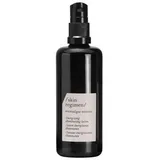 Comfort ZoneSkin Regimen Microalgae Essence
niacinamidelactic acidurea +8 actives
Moisturizing Anti-oxidation +1
Price unavailable
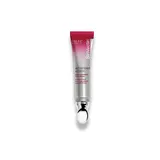 StriVectinAdvanced Retinol Multi-Correct Eye Cream
retinoladenosinecamellia oleifera seed oil +15 actives
Anti-aging Anti-oxidation +3
Price unavailable
 RevidermBARRIER REPAIR NIGHT
niacinamidepalmitoyl tetrapeptide-7palmitoyl tripeptide-1 +13 actives
Moisturizing Anti-aging
Price unavailable
Beekman 1802Midnight Milk Better Aging Sleep Creambakuchiolpalmitoyl tripeptide-38panthenol +9 actives
Anti-aging Moisturizing +3
Price unavailable
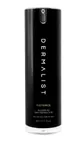 DermalistAllSerum™ Skin Perfector
niacinamideacetyl tetrapeptide-2acetyl octapeptide-3 +10 actives
Anti-aging Moisturizing +2
Price unavailable

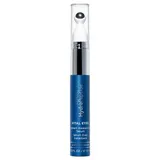 HydroPeptideVital Eyes Instant Awakening Serum
pentapeptide-18bakuchiolacetyl hexapeptide-8 +4 actives
Anti-aging Evens skin tone +2
Price unavailable
 Eve LomTime Retreat Radiance Essence by Eve Lom
niacinamideretinolanhydroxylitol +5 actives
Anti-aging Moisturizing +4
Price unavailable
 MuradHydration Recovery Serum
niacinamideureaacetyl hexapeptide-8 +15 actives
Anti-aging Moisturizing +2
FragranceAlcohol
Price unavailable
Similar ingredients
1-TRIMETHYL-2-CYCLOHEXENYL-1-PENTEN-3-ONEPOLYGLYCERIN-6Helps attract water to the upper layer of the skinACETYL GLUCOSAMINEAn effective moisturizing ingredient that also has been shown to be effective in evening out the skin tone and reducing hyperpigmentation. It can help somewhat reduce wrinkles in skinAHNFELTIA CONCINNA EXTRACTAn algae extract that helps attract water to the upper layer of the skin. Also used to create a thicker product textureAHNFELTIOPSIS CONCINNA EXTRACTHelps attract water to the upper layer of the skinALARIA ESCULENTA EXTRACTWorks as a humectant helping to attract water to the upper layer of the skin and might be effective as an anti-oxidant. ALGAE EXTRACTPlant extract that helps the skin to attract water and make it more smooth for touch. Also shows promise of anti-aging properties, but research is not extensive yetALLANTOINHelps calm down inflammation in skin and can help reduce itching. Helps to repair the skin barrier and keep skin hydratedALOE BARBADENSIS LEAF EXTRACTTraditionally used to treat sunburns, dermatitis and inflammation, but evidence for its effectiveness is lacking. The extract can contain humectants that help attract water into the skinALOE BARBADENSIS LEAF JUICETraditionally used to treat sunburns, dermatitis and inflammation, but evidence for its effectiveness is lacking. The extract can contain humectants that help attract water into the skinALOE BARBADENSIS LEAF WATERTraditionally used to treat sunburns, dermatitis and inflammation, but data on its effectiveness is lacking. While the majority of the content is plain water, it can contain some goodies like vitamins, enzymes, minerals, and humectants that help attract water into the skinANHYDROXYLITOLHelps attract water to the upper layer of the skin and repair the skin barrir functionARGININEAn amino acid that is naturally present in skin and helps keep it hydrated. When used together with AHAs, it can reduce their irritating effect on the skinDIMER DILINOLEYL DIMER DILINOLEATEHelps create a nice product texture and soften the upper layer of the skinASCORBYL TETRAISOPALMITATEA vitamin C derivative. Studies show that is might be effective in reducing hyperpigmentation, but there are no studies confirming that it is effectively converted into the bioavailable form of Vitamin C in skin. It is not clear how this derivative compares in effectiveness to the topical application of bioavailable form of vitamin C (L-ascorbic acid) AVENA SATIVA KERNEL EXTRACTAn effective moisturizing and skin barrier repair ingredient. Helps calm down inflammation and has some anti-oxidant propertiesBATYL ALCOHOLNon-drying alcohol. Used to stabilize other ingredients and is an emollientBEESWAXForms a protective barrier that holds water and keeps dry skin hydrated. Keeps an emulsion from separating into its oil and liquid components, and increases the thickness of a product. Can be an allergenBEHENYL ALCOHOLNon-drying alcohol that helps water and oil mix together. Also serves as an emollientBETAINEHelps attract water to the upper layer of the skin and improves the product textureBETULA ALBA BARK EXTRACTHas astringent properties. Creates a tightening and drying effect on the skin. Can be irritatingBIOSACCHARIDE GUM-1Helps attract water to the upper layer of the skin and is claimed to provide a longer-lasting hydration because of its ability to create a water-binding film on the surface of the skinBIS-BEHENYL/ISOSTEARYL/PHYTOSTERYL DIMER DILINOLEYL DIMER DILINOLEATEBRASSICA OLERACEA ACEPHALA LEAF EXTRACTMight be helpful in neutralizing free radicals in skin but solid research is lacking. Helps attract water to the upper layer of the skinBUTYLENE GLYCOLUsed to create a nice product texture and help delivery of other ingredients. Might be somewhat helpful in attracting water to the upper layer of the skinBUTYROSPERMUM PARKII BUTTERA great moisturising ingredient that softens the skin and reduces water loss from its upper layer. It also can be helpful in protecting skin from free radicalsBUTYROSPERMUM PARKII BUTTER EXTRACTA great moisturising ingredient that softens the skin and reduces water loss from its upper layer. It also can be helpful in protecting skin from free radicalsC10-18 TRIGLYCERIDESHelps soften the skin and attract water to its upper layer. Helps create nice product textureC12-15 ALKYL BENZOATEEnhances the product texture and makes it more spreadable. Helps reduce water loss from the outer layer of skin. Extands the shelf life by preventing bacteria growthC12-16 ALCOHOLSHelps soften the upper layer of the skin and improve the product's textureC13-14 ISOPARAFFINHelps soften the upper layer of the skin, dissolve other ingredients and create a thicker product consistencyC20-40 ALCOHOLSCAMELLIA OLEIFERA SEED OILAn emollient that does not leave a greasy finish CAPROOYL TETRAPEPTIDE-3A type of peptide. Peptides are excellent moisturizers and might be able support collagen production reducing fine lines and wrinklesCARTHAMUS TINCTORIUS SEED OILAn emollient that helps soften the skin and might help calm down inflammationCETEARYL ALCOHOLA non-drying alcohol. Works as an emollient. Helps water and oil mix together and creates a nice product textureCETEARYL ETHYLHEXANOATEAn emollient that helps soften the skinCETYL ALCOHOLA non-drying alcohol that works to soften the skin and stabilize product formulations helping oil and water mix togetherCETYL ETHYLHEXANOATEAn emollient that helps soften the skin and creates a thicker product textureCETYL PALMITATEAn emollient that helps soften the skin and is used to improve product texture and stabilityCHLORELLA PROTOTHECOIDES OILAn emollient. Is unlikely to have additional benefits for the skin CAPRYLYL GLYCOLHelps preserve products and creates a nice product textureVIOLA TRICOLOR EXTRACTA plant extract that might have an anti-inflammatory effect in skinCAPRYLOYL GLYCERIN/SEBACIC ACID COPOLYMERHelps soften the upper layer of the skinCAPRYLIC/CAPRIC TRIGLYCERIDEA good mix of fatty acids that forms a protective layer on the skin. Improves the shelf life of products. Derived from coconut and glycerin CHOLESTEROLAn emollient that is naturally found in skinCHONDRUS CRISPUS EXTRACTRed algae extract that helps attract water to the upper layer of the skin and create a nicer product consistencyCOCO-CAPRYLATEAn emollient that softens skin and creates a nice product textureCOCOGLYCERIDESHelp soften the upper layer of the skin and make it easier for oil and water mix together. Recently, a rising number of allergic reactions to cocoglycerides and other coconut-derived surfactants has been reported. As there is a significant overlap between frequent irritants and allergens, we flag this ingredient for attention of those with very sensitive, reactive skin COCONUT ALKANESAn emollient that helps soften the skinCOCOS NUCIFERA OILAn emollient. Found to be as effective as a moisturizer for dry skin as mineral oil. Could be comedogenicCOLLOIDAL OATMEALHelps to restore skin barrier function, soften the upper layer of the skin and calm down inflammationCOPERNICIA CERIFERA WAXHelps to soften the upper layer of the skin and create a nice product consistency CUCUMIS SATIVUS FRUIT EXTRACTMight be somewhat helpful in reducing hyperpigmentation and neutralizing free radicals but its typical concentration in a product is too low for having an effectCYCLOHEXASILOXANEA silicone that serves as an emollient. Helps create a nice non-greasy feelsDEXTRANHelps attract water to the most upper layer of the skin. Derived from sugarDICAPRYLYL CARBONATEHelps products spread more easily and works as an emollient to soften skinDIGLYCERINHelps attract water to the upper layer of the skinDIMETHICONEA silicone that helps to reduce water loss from the surface of the skin. Can temporarily "fill in" lines and wrinkles, absorb oil, and create a nice product finish DIMETHICONOLA silicone that makes products more spreadable and keeps skin smooth. Helps to add gloss to skin and may visually fill in fine lines/wrinkles for short time DIPALMITOYL HYDROXYPROLINEIs claimed to stimulate collagen and elastin production, as well as work as an anti-oxidant. There is however not enough evidence for its effectiveness DIPENTAERYTHRITYL HEXACAPRYLATE/HEXACAPRATEETHYLHEXYL PALMITATEAn emollient that helps soften the skin and create a nice product textureETHYLHEXYL STEARATEHelps soften the upper layer of the skinGLUCOSAMINE HCLMight be able to stimulate production of skin's natural moisturizing compounds such as hyaluronic acid. Could be helpful for evening the skin tone.GLYCERINOne of the best moisturizing ingredients. Naturally present in skin. It attracts water to the upper layer of the skin working as a humectantGLYCERYL CAPRYLATEAn emollient that can also help water and oil mix together, as well as prevent bacteria growth in productsGLYCERYL STEARATEAn emollient that softens the skin and forms a protective layer on its surface. Helps water and oil mix togetherGLYCERYL STEARATE SEUsed to stabilize the product formulations and works as an emollientGLYCINE SOJA OILA good emollient that helps soften the skin and helps repair its barrier functionGLYCINE SOJA PROTEINA plant extract that helps to attract water to the upper layer of the skin and soften it. It might be helpful in neutralizing free radicals. It might be somewhat helpful for evening out the skin tone. It might be able to support elastin production but solid research is lackingGLYCINE SOJA SEED EXTRACTAn emollient that helps soften the skin. Might be somewhat helpful in evening the skin tone.GLYCINE SOJA STEROLSAn emollient that helps soften the skinHELIANTHUS ANNUUS SEED OILA great emollient due to its high linoleic acid content. One of the most effective plant oils in helping skin hydration and repairing skin barrier functionHIPPOPHAE RHAMNOIDES OILA good emollient. Contains various ingredients including vitamins and fatty acids that could work in the skin to neutralize free radicals and minimize moisture loss - if enough of these compounds is able to penetrate the skin in an active form. HYALURONIC ACIDOne of the best moisturizing ingredients. Attracts water into the upper layer of the skin. Naturally present in skin. Typically has large molecule size unless advertised otherwise on the product label. Helps support skin's barrier function and may help to reduce inflammationHYDROGENATED PALM GLYCERIDESAn emollient that softens the skinHYDROLYZED CONCHIOLIN PROTEINHYDROLYZED HYALURONIC ACIDOne of the best moisturizing ingredients. Attracts water into the upper layer of the skin. A version of it is naturally present in skinHYDROLYZED SILKCan help attract water to the upper layer of the skinHYDROLYZED SOY PROTEINHelps attract water to the upper layer of the skin. Might have some anti-aging, anti-oxidant, and skin lightening properties, but solid evidence is missingHYDROLYZED VIOLA TRICOLOR EXTRACTMight have some moisturizing and anti-inflammatory properties. Can be added to products to create a nice smell. HYDROXYSTEARIC/LINOLENIC/OLEIC POLYGLYCERIDESINOSITOLISOCETYL STEARATEAn emollient that helps soften the skinISODECYL NEOPENTANOATEAn emollient that helps soften the skin. It also forms a protective on its surface to reduce water loss.ISOHEXADECANEImproves the texture of the product and helps soften the skin. Helps oil and water mix together and can be used as a cleansing agentISONONYL ISONONANOATEForms a protective film on the surface of the skin to prevent moisture loss. Gives a velvety feel to products while reducing tackinessISOPROPYL ISOSTEARATEAn emollient that helps soften the skinISOPROPYL MYRISTATEAn emollient that helps soften the skin. Could be comedogenicJOJOBA ESTERSAn emollient made of jojoba oil. Helps soften the skin and support its barrier functionKALANCHOE PINNATA LEAF EXTRACTIs claimed to improve skin's ability to produce its natural moisturizers, but solid research is lackingHYDROGENATED POLYISOBUTENEUsed to improve the product consistency and soften the upper layer of the skinCYCLOMETHICONEA type of silicone that leaves a nice silky finish on the skin and can help soften its upper layerLACTIC ACIDAn exfoliating and moisturizing alpha-hydroxy acid (AHA). Typically causes less irritation than other AHAs, for example, glycolic acid. At high concentrations (about 15%), lactic acid can help reduce lines and wrinkles. Recent studies show that lactic acid can support the "good" bacteria living on skin's surface (healthy skin microbiom) LIMNANTHES ALBA SEED OILThis oil's cmposition is closest to rapeseed oil. It is a very stable oil and serves as an emoillientLINOLENIC ACIDAn emollient that helps soften the skin and calm down inflammationMYRISTYL MYRISTATEAn emollient. Is not recommended for acne-prone skin as it can be comedogenicNELUMBO NUCIFERA FLOWER EXTRACTNICOTIANA SYLVESTRIS LEAF CELL CULTUREHas been claimed to have an ability to protect collagen and stimulate its production in skin but further research is lacking so farOCTYLDODECANOLAn emollient that helps to soften the skin and create a pleasant product texture and stabilize the formulationOCTYLDODECYL MYRISTATEHelps soften the upper layer of the skinOLEA EUROPAEA FRUIT EXTRACTAn emollient that helps soften the skin but is not effective for restoring its barrier function. Might be helpful to calm down inflammationOLEA EUROPAEA FRUIT OILAn emollient that helps soften the skin but is not effective for restoring its barrier function. Might be helpful to calm down inflammationORYZA SATIVA GERM OILPALMITIC ACIDAn emollient that is naturally present in skin and helps soften itSACCHAROMYCES/RICE FERMENT FILTRATEA product of yeast fermentation. Can contain humectants that help attract water to the upper layer of the skin and might help neutralize free oxidantsPEG-12 DIMETHICONEHelps soften the upper layer of the skin and create a nice product texturePANTHENOLHelps attract water to the upper layer of the skin and can help improve skin barrier functionPARAFFINUM LIQUIDUMMineral oil. One of the most effective and well studied occlusive and emollient moisturizing ingredients. Helps reduce moisture loss in skin and repair skin barrier functionPASSIFLORA EDULIS SEED OILA good emollient helping to soften the skin. Might have some anti-oxidant properties. Adds a fragrance to the productPEG-8Used to create a nice product consistencyPEG/PPG-14/7 DIMETHYL ETHERAn emollient that helps soften the skin. It also forms a protective on its surface to reduce water lossPEG/PPG-18/18 DIMETHICONEA silicone that mixes with water creating nice light-weight product texturePENTAERYTHRITYL TETRACAPRYLATE/TETRACAPRATEAn emollient that helps soften the skinPENTYLENE GLYCOLUsed to preserve products, dissolve other ingredients and create a nice product texturePERSEA GRATISSIMA OILAn emollient that helps soften the skin and could be helpful in repairing its barrier functionPETROLATUMOne of the most effective and the most studied occlusive ingredients that creates a protective layer on top of the skin preventing moisture lossPHYTOSTEROLSLipids that work as an emollient and can be helpful in repairing skin barrier functionPHYTOSTERYL/OCTYLDODECYL LAUROYL GLUTAMATEA mix of amino acids and plant-based lipids. Helps to soften the upper layer of the skin and reduce water loss over timePOLYAMIDE-5An emollient that helps soften the skin and create a nice product feel and texturePOLYSILICONE-11A silicone that forms a light film on the skin surface helping to bind water and temporarily absorb oils creating a matt and powdery feelPRUNUS AMYGDALUS DULCIS OILAn emollient that softens the skinPRUNUS ARMENIACA KERNEL OILAn emollient that helps soften the skinBRASSICA OLERACEA ITALICA SEED OILA plant seed oil that consists mainly of erucic acid and used to help soften the upper layer of the skin. This fatty acid can enhance penetration of other ingredients into the skin but it is not a good moisturizer on its ownRIBES NIGRUM SEED OILAn emollient. Can be helpful for restoring skin barrier function.ROSA CANINA FRUIT OILA great emollient. Contains vitamin E (tocopherol) which may give it some anti-oxidant properties. Can contain volatile compounds and can be irritatingROYAL JELLY EXTRACTA compound secreted by bees. Might be able to attract water to the top layer of the skin. Avoid if sensitive to honey and bee productsSACCHARIDE ISOMERATEHelps attract water to the upper layer of the skinSACCHAROMYCES CEREVISIAE EXTRACTA moisturizing ingredient that works as a humectant to attract water to the upper layer of the skin. SACCHAROMYCES LYSATE EXTRACTHelps attract water to the upper layer of the skin. Can have some anti-inflammatory effectSANICULA EUROPAEA EXTRACTClaimed to be helpful for restoring skin barrier function but solid research is lackingSCLEROCARYA BIRREA SEED OILAn emollient that helps to soften the skin. It has a high contetn of oleic acid that might weaken the skin barrier. Might have some anti-oxidant properties. It might be somewhat helpful against hyperpigmentation. PENTAERYTHRITYL TETRAETHYLHEXANOATEUsed to create a nice product consistency while softening the upper layer of the skinPOLYGLYCERYL-2 TRIISOSTEARATEHelps to soften the upper layer of the skin and create a nice product textureORYZA SATIVA EXTRACTA grain extract that helps to create a thicker product consistency. It might have some anti-oxidant properties and help attract water to the upper layer of the skinRICINUS COMMUNIS SEED OILA plant oil that can help soften the skin. It might be helpful in calming down inflammation, but solid research is lacking. Is often used in lip products to create the needed product consistencyLECITHINUsed mostly for creating emulsions - helping oil and water mix together. Helps soften the upper layer of the skinSERICINSHOREA ROBUSTA SEED BUTTERHelps to softent the upper layer of the skinSILYBUM MARIANUM EXTRACTMight be able to help neutralize free radical, calm down inflammation in skin, and even skin toneSIMMONDSIA CHINENSIS SEED OILSoftens the upper layer of skin and helps restore the healthy skin barrier. Has shown to help calm down inflammation in skin. It is a stable oil, meaning that it retains its properties even when exposed to air. SODIUM HYALURONATEOne of the best moisturizing ingredients. Attracts water into the upper layer of the skinSODIUM HYALURONATE CROSSPOLYMERAttracts water into the upper layer of the skinSODIUM LACTATEHelps attract water to the upper layer of the skin. Is often used to adjust the pH level of the productSODIUM PCANaturally present in skin and helps to attract water to its upper layerSORBITOLHelps attract water to the upper layer of the skin and improves the product textureSQUALANEAn oil naturally present in skin. Works as an emollient to soften the skin and form a protective layer on its surface without a greasy feeling. STEARIC ACIDHelps oil and water mix together and works as an emollientSTEAROXYTRIMETHYLSILANESTEARYL GLYCYRRHETINATEA fatty acid derived from licorice. Works as an emollient and can help calm down inflammationSTEARYL HEPTANOATESUCCINOGLYCANSUCROSECan help attract water to the upper layer of the skin. In crystal form, it can work as a gentle exfoliant, gentler than the salt scrub. Helps stabilize the emulsionTHERMUS THERMOPHILLUS FERMENTMight be helpful in neutralising free radicals in skin and have some hydration propertiesTREHALOSEA sugar that attracts water to the upper layer of the skinTRICAPRYLINAn emollient that helps soften the skin. Can increase penetration of other ingredientsTRITICUM VULGARE GERM EXTRACTPlant extract that might have moisturizing properties. Avoid if you suffer from wheat or gluten intoleranceTRITICUM VULGARE GERM OILA good emoillient. Contains vitamin E which can help neutralise free radicals, however the oil is unstable. Avoid if you have gluten or wheat sensitivity (including food allergies). VITIS VINIFERA SEED OILA great emollient that can also have anti-oxidant propertiesXYLITYLGLUCOSIDEHelps attract water to the upper layer of the skin and repair the skin barrier functionYEAST EXTRACTHelps attract water to the upper layer of the skin and might have some anti-oxidant and skin lightening properties. It can help calm down inflammation in skinGLUCOSEHelps attract water to the upper layer of the skin. Could be helpful in restoring the skin barrier functionPOLYQUATERNIUM-51An emollient that helps create a nice silky finish on the skinISODODECANEAn emollient that helps soften the skin and can decrease moisture loss. Helps create a nice product textureTOCOPHEROLPure form of vitamin E. Can help moisturise and protect the skin from free radicals. Often used to help stabilise other ingredients or the formula itselfPADINA PAVONICA THALLUS EXTRACTMight help to soften the upper layer of the skin. Is claimed to have anti-oxidant properties, but evidence in missingPROPYLENE GLYCOL DICAPRATEAn emollient that helps soften the upper layer of the skinWHEY PROTEINA protein derived from milk. In skincare products, might help to soften the upper layer of the skinALGAE EXOPOLYSACCHARIDESSugars produced by sea bacteria that can help to attract water to the upper layer of the skinBIS-PEG-18 METHYL ETHER DIMETHYL SILANEA type of silicone that helps soften the upper layer of the skin and create a nice product textureDIPOTASSIUM GLYCYRRHIZATEA salt derived from licorice. Works as an emollient to soften the upper layer of the skin and can help calm down inflammation. Might be helpful for skin lighteningLENS ESCULENTA FRUIT EXTRACTA plant extract containing sugars that might help attract water to the upper layer of the skin. Is claimed by the manufacturer to help reduce pore size but evidence is lackingNEOPENTYL GLYCOL DIHEPTANOATEHelps soften the upper layer of the skin and create a nice product consistencyETHYLHEXYL ISONONANOATEHelps soften the upper layer of the skin and improve the product consistencyPEG-10 DIMETHICONEA silicone that works to soften the upper layer of the skin and reduce its water loss DI-C12-15 ALKYL FUMARATEUsed to soften the upper layer of the skin and create a nice product textureGENTIANA LUTEA ROOT EXTRACTA plant extract that can help strengthen the skin barrier function and improve skin moisture levelsHYPNEA MUSCIFORMIS EXTRACTMight help to attract water to the upper layer of the skinCETYL PEG/PPG-10/1 DIMETHICONEA type of silicone that helps water and oil mix together. Can help to soften upper layer of the skinLAMINARIA DIGITATA EXTRACTSeaweed extract that helps the skin to attract water and make it more smooth for touch. Also shows promise of anti-aging properties, but good research is lacking at the momentLAURYL PEG-9 POLYDIMETHYLSILOXYETHYL DIMETHICONEA type of silicone that helps to soften upper layer of the skin and create a nice product textureSODIUM POLYASPARTATEHelps attract water to the upper layer of the skin and can help stabilize the product formulationPYRUS MALUS FRUIT EXTRACTCan have some moisturizing properties due to its sugar contentLAMINARIA SACCHARINA EXTRACTA seaweed extract that contains sugars and can be helpful in attracting water to the upper layers of the skin if used in high enough concentrationsPHENYL TRIMETHICONEA type of silicone that can decrease loss of moisture from the skin surface. It helps create a nice product textureOLEANOLIC ACIDMight be helpful against blemishes, work as an anti-oxidant, reduce inflammation and improve skin's ability to hold on to moisture, but more research is needed to confirm its effectiveness when applied topically to human skinURSOLIC ACIDBIOTINMight have some moisturising properties. Is not effective when applied topically beyond some moisturizing effectLANOLINSebum of wool-bearing animals (most commonly sheep). Helps soften the upper layer of the skin and reduce the skin water loss. In rare cases could be an allergen. Not suitable for vegansISOPROPYL PALMITATEHelps soften the upper layer of the skin and create a thicker product consistencyCETYL ESTERSHelps soften upper layer of the skin and can enhance penetration of other ingredients into the upper layer of the skinCERESINTRAMETES VERSICOLOR EXTRACTA mushroom extract that might have some skin-lightening and moisturizing properties, but solid research is lacking. It is unlikely to be effective in the concentration used in skincare productsSCUTELLARIA BAICALENSIS ROOT EXTRACTA plant extract that might contain a compound baicalin that could be helpful in neutralizing free radicals and reducing inflammation in skin. The baicalin concentration in skincare products is often too low for an effective action. Can be used for its fragrant propertiesMOLASSES EXTRACTHelps attract water to the upper layer of the skin. Might have a weak skin-lightening effect, but solid research is missingSNAIL SECRETION FILTRATETypically contains hyaluronic acid that helps attract water to the upper layer of the skin. Might contain allantoin that is helpful in calming down inflammation. There is no evidence that it can have any further benefits for the skin, especially when used in skincare productsBIFIDA FERMENT LYSATEConsists of remains of dead yeast bacteria cells. Helps to hydrate the skin and reduce irritation. Might has some anti-oxidant effectMETHYL GLUCETH-20Helps attract water to the upper layer of the skin and soften itPEG-75Helps create a nice product texture and soften the upper layer of the skin. HYDROLYZED ALGINDerived from brown algae. Helps attract water to the upper layer of the skinPANTETHINEHelps to hydrate the skin by improving its barrier funcitonCERA ALBAForms a protective barrier that holds water and keeps dry skin hydrated. Keeps an emulsion from separating into its oil and liquid components, and increases the thickness of a product. Can be an allergenCOLLAGEN AMINO ACIDSHelp attract water to the upper layer of the skin, soften it and support the skin barrier functionPARACHLORELLA BEIJERINCKII EXOPOLYSACCHARIDESCompounds extracted from green algae that could help neutralize free radicals, but evidence of effectiveness in skincare products (topical applicaiton) is missing. Helps moisturize the skin by attracting water to its upper layer CYLINDROTHECA FUSIFORMIS EXTRACTHelps skin moisturization by attracting water to the upper layer of the skin. Might have some anti-oxidant properties but research confirming effectiveness in skin is lackingHYDROLYZED YEAST EXTRACTHelps attract water to the upper layer of the skin and might have some anti-oxidant and skin lightening propertiesVITIS VINIFERA JUICE EXTRACTContains AHAs that exfoliate the upper layer of the skin. Can help attract water to the upper layer of the skin due to the sugar contentHYDROLYZED QUINOAMight help to attract water to the upper layer of the skinHYDROLYZED WHEAT PROTEINCan help attract water to the upper layer of the skin. Avoid if sensitive to gluten GLYCINEHelps to attract water to the upper layer of the skin and can help restore the skin barrier functionHYDROGENATED POLYDECENEHelps to soften the upper layer of the skin and create a nice product texturePEG-6Helps to dissolve other ingredients and attract water to the upper layer of the skinPEG-32Helps dissolve other ingredients and attract water to the upper layer of the skinCHLORELLA VULGARIS EXTRACTA plant extract that can help to attract water to the upper layer of the skin and might have some anti-oxidant and anti-inflammatory propertiesSODIUM ACETYLATED HYALURONATEA type of hyaluronic acid that works as an excellent moisturizer by attracting water into the upper layer of the skin. Is typically feels less sticky on the skin compared to the usual hyaluronic acidHYDROXYPROLINEIs helpful in restoring skin barrier function supporting its moisture levels. Is claimed to stimulte collagen production in skin but evidence is lackingPHYTOSTERYL MACADAMIATEHelps soften the upper layer of the skinPASSIFLORA INCARNATA SEED OILA plant oil that can help soften the upper layer of the skin. Contains essential oil that can be irritatingSILYBUM MARIANUM SEED OILA plant oil that contains essential oils that can be irritating. Can help soften the upper layer of the skin. Might have some anti-oxidant activity but evidence is lackingPORPHYRA UMBILICALIS EXTRACTAn algae extract that can help attract water to the upper layer of the skin. Might have an anti-oxidant effect in skin but evidence is lackingTRIHYDROXYSTEARINHelps soften the upper layer of the skin and improve the product textureDIMETHICONE CROSSPOLYMERUsed to create a thicker product texture. Helps soften the upper layer of the skin and might be able to prevent moisture loss from its surfaceSACCHAROMYCES/COPPER FERMENTYeast extract that contains copper. Can help to attract water to the upper layer of the skin and can help in skin wound healingSACCHAROMYCES/MAGNESIUM FERMENTYeast extract that contains magnesium. Can help to attract water to the upper layer of the skin. Evidence of effectiveness for other benefits is missingSACCHAROMYCES/IRON FERMENTYeast extract that contains iron. Can help to attract water to the upper layer of the skin. Evidence of effectiveness for other benefits is missingSACCHAROMYCES/SILICON FERMENTYeast extract that contains silicon. Can help to attract water to the upper layer of the skin. Evidence of effectiveness for other benefits is missingSACCHAROMYCES/ZINC FERMENTYeast extract that contains zinc. Can help to attract water to the upper layer of the skin. Evidence of effectiveness for other benefits is missingTHEOBROMA CACAO SEED BUTTERHelps soften the upper layer of the skin and can be helpful in restoring the skin barrier function. Might have some anti-oxidant effectCOCO-CAPRYLATE/CAPRATEHelps to soften the upper layer of the skin without creating a greasy textureDIISOSTEARYL MALATEHelps to soften the upper layer of the skinPHYTOSTERYL/ISOSTEARYL/CETYL/STEARYL/BEHENYL DIMER DILINOLEATEHelps soften the upper layer of the skin and create a nice product consistencyEUPHORBIA CERIFERA CERAHelps soften the upper layer of the skin and thickens the product's textureCAMELLIA SINENSIS SEED OILA plant oil that helps to soften the upper layer of the skin and can help restore the skin barrier. Might have some anti-oxidant effectHYDROGENATED SUNFLOWER SEED OILMACADAMIA INTEGRIFOLIA SEED OILA plant oil that helps soften the upper layer of the skinMONASCUS EXTRACTA yeast extract that might help to attract water to the upper layer of the skinARACHIDYL ALCOHOLUsed to soften the upper layer of the skin and create a thicker product consistencyTRIBEHENINUsed to create a thicker product consistency and soften the upper layer of the skinCENTELLA ASIATICA EXTRACTA plant extract that has been shown to be able to reduce inflammation in skin, support restoration of skin barrier function, as well as support collagen production. Contains active compounds called centelloids: asiaticoside, madecasosside, asiatic acid and madecassic acid. Might be helpful in preventing stretch marks. It can be itself be irritating though. VITIS VINIFERA FRUIT EXTRACTA plant extract that helps attract water to the upper layer of the skin. It might be helpful in neutralizing free radicals in skin, but is less potent than the extract from the seedsCASTANEA SATIVA SEED EXTRACTA plant extract that helps attract water to the upper layer of the skin and can help neutralize free radicalsSOY AMINO ACIDSHelp attract water to the upper layer of the skinOLUS OILAn oil from a mixture of different vegetables. Helps soften the upper layer of the skinCHONDRUS CRISPUSRed algae extract that helps attract water to the upper layer of the skin and create a nicer product consistencyISOSTEARYL NEOPENTANOATEUsed to create a nice product texture and helps soften the upper layer of the skin. Could be comedogenicDIISOPROPYL SEBACATEHelps soften the upper layer of the skin without creatng a greasy finishGLYCERYL GLUCOSIDECan help to restore skin barrier function and soften its upper layerSACCHARIDE HYDROLYSATEHYDROGENATED VEGETABLE OILAn oil from a mixture of different vegetables. Helps soften the upper layer of the skinVEGETABLE OILAn oil from a mixture of different vegetables. Helps soften the upper layer of the skinPOLYGLYCERYL-6 DISTEARATEHelps oil and water mix together while softening the upper layer of the skinROSA DAMASCENA FLOWER WAXIs likely to contain rose essential oil that can be irritating. Typically used for its fragrance and to create a thicker product consistencyROSA CENTIFOLIA FLOWER WAXIs likely to contain an essential oil that can be irritating. Typically used for its fragrance and to create a thicker product consistencyALTEROMONAS FERMENT EXTRACTA marine extract that helps attract water to the upper layer of the skin. It is claimed to have anti-inflammatory properties but research is lackingPPG-15 STEARYL ETHERHelp soften the upper layer of the skin and create a nice product consistencyHYDROXYPROPYL TETRAHYDROPYRANTRIOLA sugar-derived compound that helps to attract water to the upper layer of the skin and might be able to stimulate synthesis of skin's own moisturizing factors, but solid research is lacking. It could be irritatingPCANaturally present in skin and helps to attract water to its upper layerALANINEAn amino-acid that helps to attract water to the upper layer of the skin and might help to lighten the skin, but solid evidence is lackingSODIUM CHONDROITIN SULFATEIs naturally present in skin. Helps to attract water to its upper layerATELOCOLLAGENA protein that helps to attract moisture to the upper layer of the skin and might be helpful in reducing fine lines and wrinklesCALCIUM GLUCONATEHelps attract water to the upper layer of the skin and helps to improve appearance of the productMANNITOLHelps to attract water to the upper layer of the skinMANGANESE GLUCONATEMight be able to help restore skin barrier function supporting its hydrationZINC GLUCONATETypically used to stabilize the product formulations. It is a salt of a polyhydroxy acid (PHA) and in larger concentrations, can help shed the dead cells from the skin surface revealing smoother skin. It can help attract water to the upper layer of the skin. Might to be helpful against acne and clogged pores. Could be helpful in neutralizing free radicals, but solid research is missing. Due to the zinc content, might help calm down inflammation in skinSERINEAn amino-acid that helps to attract water to the upper layer of the skin. In combination with other amino-acids, might help to reduce fine lines and wrinklesTHREONINEAn amino-acid that helps to attract water to the upper layer of the skin. In combination with other amino-acids, might help to reduce fine lines and wrinklesLYSINEAn amino-acid that helps to attract water to the upper layer of the skin. In combination with other amino-acids, might help to reduce fine lines and wrinklesHISTIDINE HCLA salt of an amino-acid that helps attract water to the upper layer of the skin. Might be helpful in restoring the skin barrier functionHISTIDINELYSINE HCLCITRULLINEAn amino-acid that helps attract water to the upper layer of the skinGLUTAMIC ACIDAn amino-acid that helps attract water to the upper layer of the skinGLYCOGENHelps attract water to the upper layer of the skinGALACTOARABINANHelps attract water to the upper layer of the skinMICROCOCCUS LYSATEConsists of remains of dead bacteria cells. Is likely helpful in attracting water to the upper layer of the skin. Might be helpful in reducing inflammation and neutralizing free radicals in skin. It is claimed to be a "DNA repair enzyme"PORIA COCOS SCLEROTIUM EXTRACTA mushroom extract that can help attract water to the upper layer of the skin and might be able to help reduce irritation and support restoration of skin barrierFAEXYeast extract. Helps to attract water to the upper layer of the skinCARYOCAR BRASILIENSE FRUIT OILHelps soften the upper layer of the skin. Can contain an essential oil that can be irritatingASTROCARYUM MURUMURU SEED BUTTERHelps soften the upper layer of the skin. Could be comedogenic due to the myrisic acid contentCAPRYLYL METHICONEA type of silicone that helps to soften the upper layer of the skin and create a nice product finish on the skinMETHICONEA type of silicone that helps soften the upper layer of the skin and reduces the water loss from the skin surfaceBETA-GLUCANHelps attract water to the upper layer of the skin, calm down inflammation and irritation, restore the barrier function and support wound healing. It can be helpful in reducing fine lines and wrinklesBORAGO OFFICINALIS SEED OILA plant oil that is effective in reducing irritation in skin, restore the barrier function and support its hydrationGLUCONOLACTONEA polyhydroxy acid (PHA) that helps shed the dead cells from the skin surface revealing smoother skin. Is believed to be genter than AHAs. It helps attract water to the upper layer of the skin and can stimulate production of skin's own hyaluronic acid resulting in improved hydration levels. It has been shown to be helpful against acne and clogged pores if used consistently (e.g over a period of 12 weeks) in high enough concentration. It can help reduce fine lines and wrinkles and improve skin tone with long-term application. Can help neutralize free radicalsLACTOBIONIC ACIDA polyhydroxy acid (PHA) that helps shed dead cells from the surface of the skin revealing a smoother, more even skin. PHAs tend to be gentler on the skin compared to AHAs (for example, glycolic acid). It also has hydrating properties and helps attract water to the upper layer of the skin. It can help calm down inflammation in skin and support restoration of the barrier function. It has an anti-oxidant effect as well. It can help reduce fine line, wrinkles and improve skin elasticity ACETYL CARNITINE HCLMight be helpful in decreasing sebum production making the skin less oily. Is claimed to be able to support ceramide production in skin that leads to better hydration, but evidence is lacking. Is able to attract water to the upper layer of the skinORBIGNYA OLEIFERA SEED OILA plant oil that can help soften the upper layer of the skin. Might be helpful in calming down inflammation in skinHYDROLYZED RICE PROTEINHelps attract water to the upper layer of the skin. Might have some anti-oxidant propertiesSACCHARUM OFFICINARUM EXTRACTSugar extract that helps attract water to the upper layer of the skinARTEMIA EXTRACTZooplankton extract that can attract water to the upper level of the skin and might have some anti-oxidant effectBIS-DIGLYCERYL POLYACYLADIPATE-2Helps soften the upper layer of the skin and reduce water loss from its surfaceCOPPER GLUCONATETypically used to stabilize the product formulations. It is a salt of polyhydroxy acid (PHA) and in larger concentrations, can help shed the dead cells from the skin surface revealing smoother skin. It can help attract water to the upper layer of the skin. Might to be helpful against acne and clogged pores. Could be helpful in neutralizing free radicals, but solid research is missingHEXYL LAURATEHelps soften the upper layer of the skin and create a nice product consistencyCAPRYLIC/CAPRIC/MYRISTIC/STEARIC TRIGLYCERIDEHelps to soften the upper layer of the skinPALMITOYL HEXAPEPTIDE-19A type of peptide. Peptides are excellent moisturizers and might be able support collagen production reducing fine lines and wrinklesDEXTRINA sugar that is used to stabilize the product formulation. Can help attract water to the upper layer of the skinGLYCERYL ACRYLATE/ACRYLIC ACID COPOLYMERHelps attract water to the upper layer of the skin and provide a longer-lasting hydration. Can create a thicker product consistencyGELIDIELLA ACEROSA EXTRACTAn algae extract that can help attract water to the upper layer of the skin and have some anti-oxidant propertiesMAGNESIUM ASPARTATEMight be helpful in restoring skin barrier function and calm down inflammation in skinCYCLOPENTASILOXANEA silicone that helps improve the product texture and spreadability. Can absord oil creating a short-term mattifying effect on the skinORYZA SATIVA BRAN OILHelps soften the upper layer of the skin and might have some anti-oxidant propertiesCERA MICROCRISTALLINAHelps to soften the upper layer of the skin, reduce water loss from its surface and create a thicker product consistencyMALTOBIONIC ACIDA polyhydroxy acid (PHA) that helps shed the dead cells from the skin surface revealing smoother skin. Is genter than AHAs. In addition, it helps attract water to the upper layer of the skin. It has been shown to be helpful against acne and clogged pores. Might help reduce fine lines and wrinkles and improve skin tone with long-term application. Can help neutralize free radicalsHYDROXYETHYL UREAA derivative of urea, a compound that is naturally present in skin. Attracts water to the upper layer of the skin. Can enhance penetration of other ingredientsHEPTYL UNDECYLENATEHelps soften the upper layer of the skin, reduce water loss from the skin surface over time and create a nice product finishPLUKENETIA VOLUBILIS SEED OILA plant oil that works as a good moisturizer by softening the upper layer of the skin. Might be helpful in reducing inflammation in skin and reducing blemishes due to the large content of linoleic acidROSA CANINA SEED OILA plant oil that helps soften the upper layer of the skin. It might have anti-oxidant properties. Might help reduce inflammation in skin and help against blemishesCAESALPINIA SPINOSA GUMHYDROLYZED CAESALPINIA SPINOSA GUMHelps softent the upper layer of the skin and create a thicker product consistencySTEVIA REBAUDIANA EXTRACTA plant extract that adds a sweat taste to products (for example, for lip products). Might help to attract water to the upper layer of the skin and have some anti-oxidant effect PYRUS COMMUNIS FRUIT EXTRACTCan have some moisturizing properties due to its sugar contentDICAPRYLYL ETHERHelps soften the upper layer of the skin while creating a non-greasy feel on the skin. Helps to dissolve other ingredientsZINC PCAA compound that combines zinc with a hydrating ingredient PCA. Might to be helpful against acne and clogged pores. Can help calm down inflammation in skin. Could be helpful in reducing the formation of free radicals in skin. Might help to reduce fine lines in wrinkles, but solid evidence is missingGLYCERYL STEARATE CITRATEHelps oil and water mix together while softening the upper layer of the skinCUCUMIS SATIVUS OILA plant oil that works as a great moisturizer by softening the upper layer of the skin. Due to the high linoleic acid content, can help reduce inflammation in skinSQUALENEAn oil that is naturally part of skin sebum that helps to soften its upper layer, reduce water loss and neutralize free radicals. It might be comedogenic. Avoid applying large concentrations (or pure oil) before sun exposure as oxidized squalene can clog pores and lead to skin irritation. Today squalene is mostly derived from vegetable oils or synthetized by yeastDUNALIELLA SALINA EXTRACTA green micro-algae extract that might help neutralize free radicals in skin, but solid evidence is lacking. It helps to soften the upper layer of the skinHYDROGENATED STARCH HYDROLYSATEHelps to attract water to the upper layer of the skin. Can add sweet taste to lip productsHYDROGENATED CASTOR OILA plant oil that can help soften the skin. It might be helpful in calming down inflammation, but solid research is lacking. Is often used in lip products to create the needed product consistencyDICAPRYLYL MALEATEUsed to dissolve other ingredients, create a nice product texture and soften the upper layer of the skin. Can be an allergenCASTOR ISOSTEARATE SUCCINATEHelps soften the upper layer of the skin and add shine to its surfaceMALTOOLIGOSYL GLUCOSIDEHelps water and oil mix together and can help attract water to the upper layer of the skinELAEIS GUINEENSIS OILHelps soften the upper layer of the skinOLIVINE EXTRACTA mineral, magnesium iron silicate. It can help add minerals to the surface of the skin that might be helpful for its barrier function. It is claimed to be able to support collagen production but evidence of effectiveness in skin is lackingSOLUBLE COLLAGENA typically plant-derived compound that is supposed mimic human collagen. Cannot penetrate the skin barrier so is not particularly useful in skincare products beyond attracting water to the upper layer of the skinHYDROLYZED COLLAGENA typically plant-derived compound that is supposed mimic human collagen. Cannot penetrate the skin barrier so is not particularly useful in skincare products beyond attracting water to the upper layer of the skinJOJOBA ALCOHOLPALMITOYL PROLINEAn amino-acid that helps attract watet to the upper layer of the skin and might have some anti-aging propertiesACETYL HEXAPEPTIDE-7A type of peptide. Peptides are excellent moisturizers and might be able support collagen production reducing fine lines and wrinklesACETYL OCTAPEPTIDE-3A type of peptide. Peptides are excellent moisturizers and might be able support collagen production reducing fine lines and wrinklesPALMITOYL TRIPEPTIDE-4A type of peptide. Peptides are excellent moisturizers and might be able support collagen production reducing fine lines and wrinklesMAGNESIUM PALMITOYL GLUTAMATEAn amino acid that helps attract water to the upper layer of the skin. Might be helpful against lines and wrinkles, but evidence of effectiveness is lackingCARNITINE HCLMight be helpful in decreasing sebum production making the skin less oily. Is claimed to be able to support ceramide production in skin that leads to better hydration, but evidence is lacking. Is able to attract water to the upper layer of the skinETHYLHEXYL HYDROXYSTEARATEHelps soften the upper layer of the skin and reduce water loss from itRICE AMINO ACIDSHelp attract water to the upper layer of the skinCHITOSANInhibits acne-causing bacteria on the surface of the skin. Can help to reduce inflammation caused by bacteria. Helps neutralize free radicals in skin. Helps to attract water to the upper layer of the skinETHYL LINOLEATEHelps reduce acne and blemishes. Helps to soften the upper layer of the skin and reduce inflammation. Might be helpful in reducing hyperpigmentation and evening out the skin tone, but evidence of effectiveness in skin are lackingSIMMONDSIA CHINENSIS LEAF EXTRACTA plant extract that might have an antioxidant effect and help attract water to the upper layer of the skinSESAMUM INDICUM SEED OILA good moisturizing plant oil. Due to the high linoleic acid content, it helps soften the upper layer of the skin, reduce water loss and support skin barrier function ALANYL GLUTAMINEA type of peptide. Peptides are excellent moisturizers and might be able support collagen production reducing fine lines and wrinklesBETA-SITOSTEROLA phytosterol that can support skin's barrier function and help the skin stay hydratedPOLYGLYCERYL-10 STEARATEHelps water and oil mix together and softens the upper layer of the skinCOCOS NUCIFERA WATERMight help to attract water to the upper layer of the skinSELAGINELLA LEPIDOPHYLLA EXTRACTA plant extract that might be able to attract water to the upper layer of the skin, soften it and have some antioxidant effect, but evidence of effectiveness in skin is lackingCARNOSINEA type of peptide. It attracts water to the upper layer of the skin. It can help neutralize free radicals in skin combatting the sun damageERYTHRITOLHelps to attract water to the upper layer of the skinPANTHENYL ETHYL ETHERHelps attract water to the upper layer of the skin and can help improve skin barrier functionZEA MAYS OILA good moisturizing plant oil. Due to the high linoleic acid content, it helps soften the upper layer of the skin, reduce water loss and support skin barrier function HELIANTHUS ANNUUS SEED WAXHelps soften the upper layer of the skin and support skin's barrier function while creating a thicker product consistencyPOLYGLYCERIN-3Helps to attract water to the upper layer of the skinSOLANUM LYCOPERSICUM SEED OILA good emollient that helps soften the upper layer of the skin and, due to the high linoleic acid content, can support the skin's barrier functionVACCINIUM MACROCARPON SEED OILA plant oil that can help neutralize free radicals, soften the upper layer of the skin, and support skin's barrier functionSHEA BUTTER ETHYL ESTERSHelps soften the upper layer of the skinC12-15 ALKYL ETHYLHEXANOATEHelps soften the upper layer of the skin and create a nice product finishCAPRYLIC/CAPRIC/STEARIC TRIGLYCERIDEHelps soften the upper layer of the skin and create a nice product texturePOLYMETHYLSILSESQUIOXANE/SILICA CROSSPOLYMERA type of silicone that helps add a "soft focus" effect on the surface of the skin and create a nice product textureHYDROXYDECYL UBIQUINONEAn analogue of coenzyme Q10 that has a lower molecular weight, which can improve its ability to penetrate the skin. It helps neutralize free radicals in skin, improves skin hydration and might be helpful agains fine lines and wrinkles. It can be an allergenLYCIUM BARBARUM FRUIT EXTRACTA plant extract that can help neutralize free radicals in skin and attract water to its upper layerPLANKTON EXTRACTCan help attract water to the upper layer of the skinALOE BARBADENSIS LEAF JUICE POWDERTraditionally used to treat sunburns, dermatitis and inflammation, but evidence for its effectiveness is lacking. The extract can contain humectants that help attract water into the skinPARAFFINPrevents water loss from the skin surface and thickens the product consistencyCANOLA OILA plant oil that can help soften the upper layer of the skinHONEYHelps attract water to the skin and might have some anti-bacterial properties. Can be an allergenC12-14 ISOPARAFFINHelps soften the upper layer of the skin, dissolve other ingredients and create a thicker product consistencySCENEDESMUS RUBESCENS EXTRACTA micro-algae extract that might help attract water to the upper layer of the skin, support its barrier function, amd might help neutralize free radicals, but evidence of effectiveness in skin is lackingTRIDECYL STEARATEUsed to create a thicker product consistency and soften the upper layer of the skinTRIDECYL TRIMELLITATEUsed to create a thicker product consistency and soften the upper layer of the skinSEA WHIP EXTRACTMight help neutrlize free radicals, calm down inflammation, and attract water to the upper layer of the skinAGARPolysaccharide derived from seaweed. Used to create a thicker product consistency and might help attract water to the upper layer of the skinGLUCONIC ACIDA polyhydroxy acid (PHA) that helps shed the dead cells from the skin surface revealing smoother skin. Is believed to be genter than AHAs. It helps attract water to the upper layer of the skin and can stimulate production of skin's own hyaluronic acid resulting in imporved hydration levels. It has been shown to be helpful against acne and clogged pores. Might help reduce fine lines and wrinkles and improve skin tone with long-term application. Can help neutralize free radicalsLACTOCOCCUS FERMENT LYSATEConsists of remains of dead bacteria cells. Is likely helpful in attracting water to the upper layer of the skin. Might be helpful in reducing inflammation and neutralizing free radicals in skinPHOSPHOLIPIDSEmollients that are naturaly present in skin. In addition, they help water and oil mix together in the product LACTOBACILLUS/ARUNDINARIA GIGANTEA LEAF FERMENT FILTRATEFermented bamboo. Is used to create a nice product texture. Might have some antioxidant effectDIHEPTYL SUCCINATEHelps to soften the upper layer of the skin and creates a nice product finish on the skinOLIGOPEPTIDE-10A type of peptide. Peptides are excellent moisturizers and might be able support collagen production reducing fine lines and wrinklesSALVIA HISPANICA SEED EXTRACTA plant extract that typically contains linolenic and linoleic acids that help soften the upper layer of the skin and can support skin barrier functionPHYTOSTERYL CANOLA GLYCERIDESHelps soften the upper layer of the skinTRIOLEINHelps soften the upper layer of the skinOLEIC ACIDHelps soften the upper layer of the skin. At the same time, it can weaken the skin's barrier enhancing penetration of other ingredients and increasing the risk of skin drynessTAMARINDUS INDICA SEED GUMHelps to attract water to the upper layer of the skin and create a nice product finish on the skinLITHOTHAMNION CALCAREUM EXTRACTA mineral-rich extract from red algae. Might be able to help attract water to the upper layer of the skinMACADAMIA TERNIFOLIA SEED OILPlant oil from nuts that helps soften the upper layer of the skin. Contains a high concentration of oleic acid that can weaken skin's barrier function and increase water-loss while enhancing penetration of other ingredientsACETYL HYDROXYPROLINEAn amino-acid that can support ceramides production in skin and reduce water-lossBUTYROSPERMUM PARKII BUTTER UNSAPONIFIABLESA great moisturizing ingredient that softens the skin and reduces water loss from its upper layer. It also can be helpful in protecting skin from free radicalsSESAMUM INDICUM SEED EXTRACTPlant oil that due to its high content of linoleic acid can help support skin's barrier function improving its hydrationGRIFOLA FRONDOSA FRUITING BODY EXTRACTMushroom extract that helps attract water to the upper layer of the skin and might be able to stimulate sebum production in skinSIMMONDSIA CHINENSIS SEED EXTRACTPlant oil that helps soften the upper layer of the skinALOE BARBADENSIS EXTRACTTraditionally used to treat sunburns, dermatitis and inflammation, but evidence for its effectiveness is lacking. The extract can contain humectants that help attract water into the skinRICE FERMENT FILTRATEHelps attract water to the upper layer of the skin. Might have some anti-oxidant propertiesROSA RUBIGINOSA SEED OILPlant oil that due to the high content of linoleic acid can support skin's barrier function and reduce moisture lossTREMELLA FUCIFORMIS SPOROCARP EXTRACTMushroom extract that helps attract water to the upper layer of the skinELAEIS GUINEENSIS KERNEL OILHelps soften the upper layer of the skinCALCIUM PCAHelps attract water to the upper layer of the skinGALACTOMYCES FERMENT FILTRATEA yeast ferment filtrate (also known as Pitera - a trademarked name for the filtrate reserved by the SK-II brand). It helps attract water to the upper layer of the skin, can help neutralize antioxidants and can be helpful in evening out the skin tone. It might be somewhat helpful in preventing premature skin aging but solid evidence is lacking. A small manufacturer study also shows that, when used in high concentrations, it can help reduce sebum production and help against blocked poresALTHAEA ROSEA ROOT EXTRACTA plant extract that has some anti-inflammatory properties, can help attract water to the upper layer of the skin and is also used to thicken the product formulationsLACTOBACILLUS/RICE FERMENT FILTRATEA fermentation product created by bacteria Lactobacillus out of rice. The fermented product helps attract water to the upper layer of the skin. It has anti-bacterial properties and might be helpful in calming down inflammation, but studies are lackingTARAXACUM PLATYCARPUM EXTRACTA plant extract that can help attract water to the upper layer of the skinPORTULACA OLERACEA EXTRACTA plant extract that has some anti-oxidant activity, but solid research is lacking. Can help attract water to the upper layer of the skinPERILLA OCYMOIDES SEED OILA plant extract that works as an emollient. It might help neutralize free radicals in skin but solid research is lacking. Contains some volatile compounds and could be irritatingSACCHAROMYCES/IMPERATA CYLINDRICA ROOT FERMENT EXTRACTYeast extract obtained from a plant root (cogon grass). It works as an excellent humectant attracting water to the upper layer of the skin. Can have some anti-inflammatory effectLACTOBACILLUS/SOYBEAN FERMENT EXTRACTA fermentation product created by bacteria Lactobacillus out of soybean. The fermented product helps to attract water to the upper layer of the skin and has anti-bacterial properties. It might be helpful in calming down inflammation and could be helpful in evening out skin tone, but studies are lackingHYDROGENATED VEGETABLE GLYCERIDESHelp soften the upper layer of the skinECHIUM PLANTAGINEUM SEED OILA plant oil that because of its high content of alpha-linolenic acid help support skin barrier function and moisturize the skinPANTOLACTONEHelps attract water to the upper layer of the skinFRUCTOSEHelps attract water to the upper layer of the skinAPHANIZOMENON FLOS-AQUAE EXTRACTAn extract from ablue-green algae. Can help attract water to the upper layer of the skin and might help to neutralize free radicals10-HYDROXYDECANOIC ACIDHelps soften the upper layer of the skin and slow down the water loss from its surface2-OLEAMIDO-1,3-OCTADECANEDIOLHelps soften the upper layer of the skin and slow down the water loss over time3-GLYCERYL ASCORBATEA moisturizing vitamin C derivative. It is considered to be one of the most stable ones. It is effective in neutralizing free radicals and can help to even out the skin tone if used in high enough concentrationACACIA DECURRENS/JOJOBA/SUNFLOWER SEED WAX POLYGLYCERYL-3 ESTERSHelps soften the upper layer of the skin and create a nice product textureUREANaturally present in skin (urea makes up about 7% of natural moisturizing factors in skin). Attracts water to the upper layer of the skin. Also has a positive effect on the skin barrier beyond the humectant action. Can enhance penetration of other ingredients. Is an exfoliating ingredient when used in high concentrationsACETYL TETRAPEPTIDE-15A type of peptide. Peptides are excellent moisturizers and might be able support collagen production reducing fine lines and wrinklesMILKMight have some moisturizing propertiesARGININE HCLAn amino acid that is naturally present in skin and helps keep it hydrated. When used together with AHAs, it can reduce their irritating effect on the skinASCOPHYLLUM NODOSUM EXTRACTBrown seaweed extract. Can help attract water to the upper layer of the skin and might have some antioxidant effectASPARAGOPSIS ARMATA EXTRACTRed seaweed extract. Can help attract water to the upper layer of the skin and might have some antioxidant effectASPARTIC ACIDAn amino-acid that helps increase skin hydration and might help to slightly improve skin firmness, potentially reducing lines and wrinklesNIACINA form of vitamin B3. It is similar in action to niacinamide, but is more likely to cause red flashes in skin as the side effectCALCIUM PANTOTHENATEHelps support skin barrier function improving skin hydration and reducing sensitivityCARNITINECETEARYL DIMETHICONE CROSSPOLYMERHelps create a nice product texture and soften the upper layer of the skinCHONDRUS CRISPUS POWDERA powder from red algae extract that helps attract water to the upper layer of the skin and create a nicer product consistencyCOCOS NUCIFERA FRUIT EXTRACTAn emollient. Found to be as effective as a moisturizer for dry skin as mineral oil. Could be comedogenicCORALLINA OFFICINALIS EXTRACTRed algae extract that helps attract water to the upper layer of the skin and might contain antioxidantsHALIDRYS SILIQUOSA EXTRACTExtract from large brown algae that can help attract water to the upper layer of the skinHYDROLYZED JOJOBA ESTERSHelps soften the upper layer of the skinHYDROGENATED JOJOBA OILHelps soften the upper layer of the skinHYDROLYZED SODIUM HYALURONATEAttracts water into the upper layer of the skinHYDROXYPALMITOYL SPHINGANINEA type of lipid similar to ceramides naturally present in skin. Helps to soften the upper layer of the skin and supports the skin barrier function to keep it hydrated. Can help to prevent inflammation in skinLANOLIN OILSebum of wool-bearing animals (most commonly sheep). Helps soften the upper layer of the skin and reduce the skin water loss. In rare cases could be an allergen. Not suitable for vegansPORTULACA PILOSA EXTRACTTAMARINDUS INDICA EXTRACTA plant extract that might have antioxidant and anti-inflammatory effect in skin but solid evidence is lackingUNDARIA PINNATIFIDA EXTRACTA seaweed extract that helps attract water to the upper layer of the skin and might have an anti-oxidant effectHYDROLYZED PRUNUS DOMESTICAA plant extract that might have some anti-oxidant propertiesHEXYLDECANOLHelps soften the upper layer of the skinHELIANTHUS ANNUUS SEED OIL UNSAPONIFIABLESA great emollient due to its high linoleic acid content. One of the most effective plant oils in helping skin hydration and repairing skin barrier functionCETYLHYDROXYPROLINE PALMITAMIDEA type of lipid similar to ceramides naturally present in skin. Helps to soften the upper layer of the skin and supports the skin barrier function to keep it hydrated. Can help to prevent inflammation in skinMORINGA OLEIFERA SEED OILA plant oil that helps soften the upper layer of the skin. Is unlikely to be helpful in restoring skin barrier function due to the low content of linoleic acidBRASSICA CAMPESTRIS STEROLSHelp soften the upper layer of the skinPONGAMIA GLABRA SEED OILA plant oil that helps soften the upper layer of the skinHOMARINE HCLMight help to improve skin hydration levelsHONEY EXTRACTHelps attract water to the upper layer of the skinSACCHAROMYCES FERMENT FILTRATEA product of yeast fermentation. Helps attract water to the upper layer of the skinSACCHAROMYCES FERMENTA product of yeast fermentation. Helps attract water to the upper layer of the skinSHOREA STENOPTERA SEED BUTTERHelps soften the upper layer of the skin and can be helpful in restoring the skin barrier functionISOPROPYL LAUROYL SARCOSINATEHelps soften the upper layer of the skin and create a nice product consistencyISOPROPYL STEARATEHelps soften the upper layer of the skinLAURYL PCAHelps attract water to the upper layer of the skinPALMARIA PALMATA EXTRACTRed algae extract that helps attract water to the upper layer of the skinPROPOLIS EXTRACTA complex substance produced by honey bees. Can have anti-bacterial and some anti-oxidant effect. Is an allergen and can be irritatingSIMMONDSIA CHINENSIS BUTTERHelps soften the upper layer of the skinSTEARYL DIMETHICONEHelps soften the upper layer of the skinSYNTHETIC BEESWAXHelps soften the upper layer of the skinMADECASSOSIDEAn antioxidant that is typically derived from plant Centella Asiatica. It can help neutralize free radicals in skin and support skin barrier function. It could, however, itself be irritating. It is often unstable in formulationsECTOINSoftens the upper layer of the skin and can support skin barrier functionLACTOBACILLUS FERMENTA fermentation product created by bacteria Lactobacillus. The fermented product has anti-bacterial properties and might be helpful in calming down inflammation, but studies are lacking. Helps attract water to the upper layer of the skin. Can be used as a preservativeGLYCOSAMINOGLYCANSLong sugars that help attract water to the upper layer of the skinHYDROLYZED GLYCOSAMINOGLYCANSLong sugars that help attract water to the upper layer of the skinPANTOTHENIC ACIDHelps attract water to the upper layer of the skin and may help reduce inflammation in skinTRIPEPTIDE-10CETYL RICINOLEATEAn emollient that helps soften the upper layer of the skinLANOLIN ALCOHOLHelps oil and water mix together. Can be irritatingELAEIS GUINEENSIS BUTTERA type of palm oil. Helps soften the upper layer of the skinISOMALTHelps attract water to the upper layer of the skinCRAMBE ABYSSINICA SEED OILHelps soften the upper layer of the skinADANSONIA DIGITATA OILBaobab oil. Helps soften the upper layer of the skinPHYTOLMight be helpful in attracting water to the upper layer of the skin. Is claimed by the manufacturer to have other skin benefits but any evidence is lacking. Can be irritatingSALVIA HISPANICA SEED OILChia seed oil. Helps to soften the upper layer of the skin and might be helpful in repairing skin barrierSALVIA HISPANICA SEEDPIPTADENIA COLUBRINA PEEL EXTRACTHelps attract water to the upper layer of the skin. Preliminary research has shown that the extract contains chemicals that might be able to support skin hydration in other ways, but the evidence is lackingARGININE PCAAn amino-acid. Helps attract water to the upper layer of the skin and can help neutralize free radicals in skinTRIETHYLHEXANOINHelps soften the upper layer of the skinHYDROLYZED OPUNTIA FICUS-INDICA FLOWER EXTRACTA plant extract. Can help attract water the upper layer of the skin and might have some anti-oxidant propertiesBUTYROSPERMUM PARKII OILPOLYGLUTAMIC ACIDHelps attract water to the upper layer of the skin. PISTACIA VERA SEED OILHelps soften the upper layer of the skinCANNABIS SATIVA SEED EXTRACTCANNABIS SATIVA SEED OILA plant oil that due to its high linoleic acid content can help strengthen skin's barrier function and soften its upper layerPOLYGLYCERYL-10 DECAOLEATEHelps soften the upper layer of the skinLAURYL LAURATEHelps soften the upper layer of the skinDILINOLEIC ACIDHYDROXYPROPYL BISPALMITAMIDE MEAGUAIAZULENEA blue-colored ingredient that is traditionally used as a colorant. It has anti-inflammatory properties. For example, it is successfully used to treat diaper rash for new borns. It can help support the skin barrier by reducing inflammationADENOSINEMight help improve cell turnover and reduce inflammation in skin. One study shows that the ingredients might be able to stimulate collagen production in skinPROLINENARINGENINA flavanoid that can be found in high concentrations in grapefruits, oranges, other citrus fruits, and tomato skin. Early studies suggest that it might be able to help reduce inflammation in skin and neutralize free radicalsMETHYLSILANOL HYDROXYPROLINE ASPARTATEAn amino-acid. There is not strong evidence of a particular beneficial effect for skin in topical applications, beyond attracting water to the upper layer of the skinOLIGOPEPTIDE-68A type of peptide. Peptides are excellent moisturizers and might be able support collagen production reducing fine lines and wrinklesVINYL DIMETHICONEA type of silicone that helps to create a nice product texture and soften the upper layer of the skinTRIHEPTANOINA synthetic triglyceride. Helps soften the upper layer of the skinLYSOLECITHINLecithin derivative. It helps oil and water mix together and can enhance penetration of other ingredients. It helps soften the upper layer of the skinPANTHENYL TRIACETATEA stable oil-soluble derivative of vitamin B5. It can help support skin barrier and reduce inflammation in skinAMINOPROPYL DIMETHICONEA type of silicone. Helps soften the upper layer of the skin and create a nice product textureALEURITES MOLUCCANUS SEED OILHelps soften the upper layer of the skinACETYL FARNESYLCYSTEINEA synthetic amino-acid that might help calm down inflammation in skin and reduce its irritation, but conclusive studies are not available at the moment. It can help to attract water to the upper layer of the skin and support skin barrierLYSOPHOSPHATIDIC ACIDA phospholipid. It is naturally present in skin and plays a signaling role there. It is involved in cell prolifiratio, skin inflammatory responses and wound healing. In cosmetics, it might help to support the skin barrier functionISOLEUCINEAn amino acid that can help attract water to the upper layer of the skin and support skin's barrier functionC15-19 ALKANEHelps soften the upper layer of the skin and create a nice product textureMALTITOLHelps attract water to the upper layer of the skinCETYL DIMETHICONEA type of silicone. Helps soften the upper layer of the skin and creates a nice, light product textureMETHYL DIHYDROABIETATEHelps soften the upper layer of the skin OENOTHERA BIENNIS OILHelps soften the upper layer of the skin and can support skin barrier functionMAGNESIUM GLUCONATEA mineral that might be able to support skin hydration, but convincing research on its effectiveness in topical skincare is lackingDIISOPROPYL ADIPATEHelps soften the upper layer of the skinDIETHYLHEXYL SUCCINATEHelps soften the upper layer of the skin and create a nice product textureGLYCERYL STEARATESHelp soften the upper layer of the skinPOLYMETHYLSILSESQUIOXANEA silicone that improves product texture and helps dissolve other ingredients. Can form a non-greasy film on the skin to prevent moisture lossCARTHAMUS TINCTORIUS OLEOSOMESHelps soften the upper layer of the skinDIBUTYL ADIPATEHelps soften the upper layer of the skin and create a nice product consistencyUBIQUINONECoenzyme Q10. It helps neutralize free radicals in skin, improves skin hydration and might be helpful agains fine lines and wrinkles. It can be an allergenHYDROLYZED LINSEED EXTRACTHelps soften the upper layer of the skinASIATICOSIDEAn active compound of Centella Asiatica plant extract. In combination with other active compounds of Centella Asiatica extract (madecasosside, asiatic
acid and madecassic acid), asiaticoside has been shown to be helpful in wound-healing, restoring skin barrier function and supporting collagen production in skin. It can, however, itself be irritatingMADECASSIC ACIDAn active compound of Centella Asiatica plant extract. In combination with other active compounds of Centella Asiatica extract (asiaticoside, madecasosside and asiatic
acid), madecassic acid has been shown to be helpful in wound-healing, restoring skin barrier function and supporting collagen production in skin. It can, however, itself be irritatingHYDROLYZED MILK PROTEINGLYCOSYL TREHALOSEGLYCOPROTEINSTYROSINEFAEX EXTRACTYeast extract. Helps attract water to the upper layer of the skinRASPBERRY SEED OIL/PALM OIL AMINOPROPANEDIOL ESTERSHelps soften the upper layer of the skinCOENOCHLORIS SIGNIENSIS EXTRACTAn algae extract that might help attract water to the upper layer of the skin and neutralize free radicalsHYDROLYZED OAT PROTEINHelps attract water to the upper layer of the skinMORINGA OLEIFERA SEED EXTRACTHelps soften the upper layer of the skin and might have some antioxidant effectCHLORELLA PYRENOIDOSA EXTRACTAn algae extract. Can help attract water to the upper layer of the skin and might help neutralize free radicals in skinMEDICAGO SATIVA SEED POWDERMight help soften the upper layer of the skin and help thicken the product formulation. It might have some anti-oxidant effectVIGNA RADIATA SEED EXTRACTBean extract that in theory might help to reduce hyperpigmentation, but evidence of effectiveness in skin are missingAVENA SATIVA KERNEL OILAn effective moisturizing and skin barrier repair ingredient. Helps calm down inflammation and has some anti-oxidant propertiesPERSEA GRATISSIMA OIL UNSAPONIFIABLESHelps soften the upper layer of the skinETHYLHEXYL COCOATEHelps soften the upper layer of the skinC13-14 ALKANEHelps soften the upper layer of the skinCOLLOIDAL GOLD/CAMELLIA SINENSIS LEAF POWDERMight provide some anti-oxidant benefits and help attract water to the upper layer of the skinC8-12 ACID TRIGLYCERIDEHelps soften the upper layer of the skinMAURITIA FLEXUOSA FRUIT OILHelps soften the upper layer of the skinCANNABIDIOL - SYNTHETICALLY PRODUCEDCBD. Can bind to skin cell receptors and can reduce inflammation, itching, and help support skin barrier functionCANNABIDIOL - DERIVED FROM EXTRACT OR TINCTURE OR RESIN OF CANNABISCBD. Can bind to skin cell receptors and can reduce inflammation, itching, and help support skin barrier functionLUPINUS ALBUS SEED EXTRACTA plant extract that helps soften the upper layer of the skin HYDROLYZED HIBISCUS ESCULENTUS EXTRACTA plant extract that might contain a peptide (Myoxinol). It could be helpful in attracting water to the upper layer of the skin and might have some anti-aging effect, but the research is lacking and it is rarely used in a high enough concentrationOLEOYL DIPEPTIDE-15A type of peptide. Peptides are excellent moisturizers and might be able support collagen production reducing fine lines and wrinklesBIS-PEG-12 DIMETHICONEA type of silicone. Helps soften the upper layer of the skin CENTELLA ASIATICA LEAF CELL EXTRACTA plant extract that has been shown to be able to reduce inflammation in skin, support restoration of skin barrier function, as well as support collagen production. It can be irritating to sensitive skin. Might be helpful in preventing stretch marks. It could, however, itself be irritating.CENTELLA ASIATICA FLOWER/LEAF/STEM EXTRACTA plant extract that has been shown to be able to reduce inflammation in skin, support restoration of skin barrier function, as well as support collagen production. Contains active compounds called centelloids: asiaticoside, madecasosside, asiatic acid and madecassic acid. Might be helpful in preventing stretch marks. It can be itself be irritating though. ASIATIC ACIDAn active compound of Centella Asiatica plant extract. In combination with other active compounds of Centella Asiatica extract (asiaticoside, madecasosside and madecassic acid) asiatic acid has been shown to be helpful in wound-healing, restoring skin barrier function and supporting collagen production in skin. It can, however, itself be irritatingTHEOBROMA GRANDIFLORUM SEED BUTTERHelps soften the upper layer of the skin and might as well help to attract moisture to its upper layerPEG-8 DIMETHICONEA type of silicone that can help create nice product texture and soften the upper layer of the skinPEG/PPG-20/6 DIMETHICONEA type of silicone. Helps create a nice product texture and can help soften the upper layer of the skinCUCUMIS SATIVUS JUICECucumber juice. Might help attract water to the upper layer of the skin, but mostly works as plain water in skincarePOTASSIUM GLUCONATEA mineral that might be able to support skin hydration, but convincing research on its effectiveness in topical skincare is lackingCOENZYME AHelps soften the upper layer of the skin and dissolve other ingredients in a productCHENOPODIUM QUINOA SEED OILA plant oil that contains a high percentage of linoleic acid. It softens the upper layer of the skin and can help strengthen the skin barrierBUPLEURUM FALCATUM ROOT EXTRACTA plant extract that might help to attract water to the upper layer of the skin, but it is not well studied. It can be irritatingSPIRAEA ULMARIA LEAF EXTRACTAn algae extract that might help attract water to the upper layer of the skinLACTOBACILLUS FERMENT LYSATEA "broth" with parts of dead cells of lactobacteria. Might be helpful supporting diverse microbiome in skin, but evidence is lackingBRASSICA CAMPESTRIS SEED OILHelps soften the upper layer of the skinPRUNUS DOMESTICA SEED OILHelps soften the upper layer of the skinPPG-10 METHYL GLUCOSE ETHERHelps create a nice product texture and can help attract water to the upper layer of the skinOPHIOPOGON JAPONICUS ROOT EXTRACTPlant extract that might help neutralize free radicals and support skin barrier function, but research on its effectiveness in skin is lackingMELHelps to soften the upper layer of the skin and attract water to itALPHA-GLUCAN OLIGOSACCHARIDEHelps attract water to the upper layer of the skinCOPPER PCAHelps attract water to the upper layer of the skinACER SACCHARUM SAP EXTRACTHelps attract water to the upper layer of the skinPEARL POWDERConsists of 95% calcium carbonate that does not have any effect on the skin. The remaining 5% can include compounds that can help neutralize free radicals and support skin barrier functionALGINUsed to thicken product formulation. Can help attract water to the upper layer of the skinSACCHAROMYCES/BARLEY SEED FERMENT FILTRATEA yeast extract that can help neutralize free radicals in skin and can help attract water to its upper layersSISYMBRIUM IRIO SEED OILA plant oil that helps soften the upper layer of the skin. Could help reduce inflammation due to high content of linolenic acidINULINHelps attract water to the upper layer of the skin. Is claimed to support the growth of "good" bacteria in skin (as a "prebiotic"), but the research is lackingDECYL OLEATEHelps soften the upper layer of the skinPOTASSIUM AZELOYL DIGLYCINATEA derivative of azelaic acid. It is obtained by reacting
the chloride of azelaic acid with two molecules of glycine (an amino acid) and potassium hydroxide. It is less studied than azelaic acid, but the available research suggests that it also can be effective in reducing skin redness, hyperpigmentation and blemishes. There are claims that it is more bio-available and more effective than azelaic acid, but no comparison study is available. Potassium azeloyl diglycinate is better soluble in water compared with azelaic acid. Because of this property, products with potassium azeloyl digclycinate can have a nicer textureSUPEROXIDE DISMUTASEAn antioxidant enzyme that is naturally present in skin. It can help support skin barrier function and reduce inflammation in skin. It is used in topical medications for inflammatory skin conditions including atopic dermatitis (eczema) and psoriasis. There are three types of natural Superoxide Dismutase in human skin. The compound used in topical treatments and cosmetics are mimics of typically one of these natural variantsPRUNUS AMYGDALUS DULCIS SEEDHelps soften the upper layer of the skinCERAMIDE 5SPHINGOLIPIDSSphingolipids are a group of lipids with a common chemical structure. Some of them are naturally present in skin and can be converted to ceramidesGLYCOSPHINGOLIPIDSA type of lipids naturally present in skin. They can be converted to ceramides in skinCAPRYLIC/CAPRIC GLYCERIDESHelp soften the upper layer of the skinGLUTATHIONEA peptide that can help neutralize free radicals in skin and reduce melanin production resulting in skin lightening effect and reduction in hyperpigmentation. It can also help attract moisture to the upper layer of the skinANANAS SATIVUS FRUIT EXTRACTA fruit extract that might help to attract water to the upper layer of the skin, but there is no evidence for any other benefits to the skinMANGIFERA INDICA FRUIT EXTRACTA fruit extract that might help attract water to the upper layer of the skin. There is no evidence of other benefits in skinPLEIOGYNIUM TIMORIENSE FRUIT EXTRACTA fruit extract that might help attract water to the upper layer of the skin and have some anti-oxidant effect, but evidence of effectiveness in skin is lackingPODOCARPUS ELATUS FRUIT EXTRACTA fruit extract that might help attract water to the upper layer of the skin and might have some antioxidant properties but evidence of effectiveness in skin is missingNEOPENTYL GLYCOL DICAPRATEHelps soften the upper layer of the skinSILK AMINO ACIDSMight help attract water to the upper layer of the skinTARTARIC ACIDAn AHA (alpha-hydroxy acid). It oxidizes quickly which makes it less effective in skincare formulations. It can support skin's barrier and moisture levelsPRUNUS ARMENIACA FRUIT EXTRACTA fruit extract that might have some antioxidant properties and might help attract water to the skin, but evidence of effectiveness is lackingCUCUMIS MELO CANTALUPENSIS FRUIT EXTRACTA fruit extract that might help attract water to the upper layer of the skin and might have some antioxidant properties but evidence of effectiveness in skin is missingPOLYGLYCERYL-10 OLEATEHelps soften the upper layer of the skinGLUCOSE OXIDASEHelps attract water to the upper layer of the skinLACTOPEROXIDASEHelps attract water to the upper layer of the skin. In theory, could support healthy skin's microbiome, but evidence of effectiveness in skin is lackingGLYCERYL LINOLENATEHelps soften the upper layer of the skinSH-POLYPEPTIDE-16A type of peptide. Peptides are excellent moisturizers and might be able support collagen production reducing fine lines and wrinklesCYANOCOBALAMINCan support skin barrier function and reduce inflammation in skinPUNICA GRANATUM SEED OILHelps soften the upper layer of the skinPALMITOYL DIPEPTIDE-28 D-SERINE DIPEPTIDE-7 PALMITAMIDEPORPHYRA YEZOENSIS EXTRACTHelps attract water to the upper layer of the skin and might have some anti-oxidant propertiesPROPYLENE GLYCOL DICAPRYLATEHelps soften the upper layer of the skin and create a nice product textureTETRADECYL AMINOBUTYROYLVALYLAMINOBUTYRIC UREA TRIFLUOROACETATEA peptide. It helps attract water to the upper layer of the skin, support skin's barrier function and might have some slight anti-aging effect through stimulating skin's own production of hyaluronic acidPENTAERYTHRITOLHelps create a nice product texture and soften the upper layer of the skinMELIA AZADIRACHTA SEED OILHelps soften the upper layer of the skin and can support skin barrier function due to the high linoleic acid contentBUTYLENE GLYCOL DICAPRYLATE/DICAPRATEHelps soften the upper layer of the skinHYDROLYZED JOJOBA PROTEINHelps attract water to the upper layer of the skinOCTYLDODECYL STEARATEHelps soften the upper layer of the skinDIETHYLHEXYL CARBONATEHelps soften the upper layer of the skinAMINOBUTYRIC ACIDHas been shown to support wound healing and skin barrier function when used topically in rats. Is likely to be effective in supporting skin's hydration and barrier function, but research for human skin is missing. Might have some anti-aging properties but the research is missingHYDROGENATED OLIVE OIL UNSAPONIFIABLESHelp soften the upper layer of the skinTETRAPEPTIDE-36A type of peptide. Peptides are excellent moisturizers and might be able support collagen production reducing fine lines and wrinklesTETRAPEPTIDE-5A type of peptide. Peptides are excellent moisturizers and might be able support collagen production reducing fine lines and wrinklesPENTACLETHRA MACROLOBA SEED OILA plant oil that can help soften the upper layer of the skin. It mostly contains oleic acid that according to some studies can increase transepidermal water loss, but might have an anti-inflammatory effectTETRAPEPTIDE-40A type of peptide. Peptides are excellent moisturizers and might be able support collagen production reducing fine lines and wrinklesHELIANTHUS ANNUUS SPROUT EXTRACTHelps soften the upper layer of the skin and can help support the skin barrierPALMITOYL TRIPEPTIDE-28PALMITOYL TRIPEPTIDE-31A type of peptide. Peptides are excellent moisturizers and might be able support collagen production reducing fine lines and wrinklesHEXAPEPTIDE-42A type of peptide. Peptides are excellent moisturizers and might be able support collagen production reducing fine lines and wrinklesHEXAPEPTIDE-33A type of peptide. Peptides are excellent moisturizers and might be able support collagen production reducing fine lines and wrinklesKAPPAPHYCUS ALVAREZII EXTRACTA red algae extract that can help attract water to the upper layer of the skin and might have some antioxidant propertiesTRIPEPTIDE-13A type of peptide. Peptides are excellent moisturizers and might be able support collagen production reducing fine lines and wrinklesAZELAOYL BIS-DIPEPTIDE-10A type of peptide. Peptides are excellent moisturizers and might be able support collagen production reducing fine lines and wrinklesALTHAEA OFFICINALIS LEAF/ROOT EXTRACTA plant extract that can help soften the upper layer of the skin. It can be irritatingHYDROXYMETHOXYPHENYL DECANONEAn anti-oxidant. It might be able to neutralize free radicals in skin. The manufacturer claims that it is able to stimulate synthesis of hyaluronic acid in skin, but there is no evidence of effectiveness of this ingredient so farCYSTEINEMight help neutralize free radicals in skin and might be helpful against hyperpigmentationLAUROYL LYSINEHelps soften the upper layer of the skin and creates a nice product texturePSEUDOZYMA EPICOLA/CAMELLIA SINENSIS SEED OIL/GLUCOSE/MALT EXTRACT/SOYBEAN FLOUR/YEAST EXTRACT FERMENT FILTRATEHelps attract water to the upper layer of the skin and might help neutralize free radicalsISOSORBIDE DICAPRYLATEHelps soften the upper layer of the skin. Early studies suggest that it can help strengthen the skin barrierACETYL SH-HEPTAPEPTIDE-1A type of peptide. Peptides are excellent moisturizers and might be able support collagen production reducing fine lines and wrinklesBIOTINOYL TRIPEPTIDE-1A type of peptide. Peptides are excellent moisturizers and might be able support collagen production reducing fine lines and wrinklesMYRISTOYL PENTAPEPTIDE-17A type of peptide. Peptides are excellent moisturizers and might be able support collagen production reducing fine lines and wrinklesN-PROLYL PALMITOYL TRIPEPTIDE-56 ACETATEA type of peptide. Peptides are excellent moisturizers and might be able support collagen production reducing fine lines and wrinklesNICOTIANA BENTHAMIANA HEXAPEPTIDE-40 SH-OLIGOPEPTIDE-1A type of peptide. Peptides are excellent moisturizers and might be able support collagen production reducing fine lines and wrinklesCRITHMUM MARITIMUM CALLUS CULTURE FILTRATEA plant cell extract that helps attract water to the upper layer of the skin and might have some anti-oxidant propertiesCOPPER HEPTAPEPTIDE-14 PANTOTHENATEA type of peptide. Peptides are excellent moisturizers and might be able support collagen production reducing fine lines and wrinklesCYCLOTETRAPEPTIDE-24 AMINOCYCLOHEXANE CARBOXYLATEA type of peptide. Peptides are excellent moisturizers and might be able support collagen production reducing fine lines and wrinklesDECAPEPTIDE-1A type of peptide. Peptides are excellent moisturizers and might be able support collagen production reducing fine lines and wrinklesDECAPEPTIDE-22A type of peptide. Peptides are excellent moisturizers and might be able support collagen production reducing fine lines and wrinklesEGG YOLK EXTRACTMight help moisturize the skinFERULOYL OLIGOPEPTIDE-33A type of peptide. Peptides are excellent moisturizers and might be able support collagen production reducing fine lines and wrinklesHEXAPEPTIDE-2A type of peptide. Peptides are excellent moisturizers and might be able support collagen production reducing fine lines and wrinklesPORPHYRIDIUM CRUENTUM EXTRACTA red algae extract. Can help attract water to the upper layer of the skin and might have an antioxidant effectDIETHYLHEXYL ADIPATEHelps soften the upper layer of the skinCARYODENDRON ORINOCENSE SEED OILA plant oil with a high content of linoleic acid that helps soften the upper layer of the skin and helps strengthen the skin barrier. It is an excellent moisturizer. Might have an anti-oxidant effectC13-16 ISOPARAFFINIs mostly used to dissolve other ingredients. Helps soften the upper layer of the skin. It might be comedogenic when used in high concentrationsCOPERNICIA CERIFERA CERABrazilian palm wax. Helps soften the upper layer of the skinUNDECANEHelps create a non-greasy finish on the skinFRAGARIA ANANASSA SEED OILHelps soften the upper layer of the skinPEG/PPG/POLYBUTYLENE GLYCOL-8/5/3 GLYCERINHelps create a nice product texture and attract water to the upper layer of the skinLACTOSEHelps attract water to the upper layer of the skinNICOTIANA BENTHAMIANA HEXAPEPTIDE-40 SH-POLYPEPTIDE-76A fusion peptide that combines peptides produced by human and plant cells. It might have anti-aging effect in skin and can help the skin moisturizationPHORMIUM TENAX SEED OILA plant oil rich in linoleic acid. Can help soften the upper layer of the skin and support the barrier functionPOLYGLYCERYL-2 DIPOLYHYDROXYSTEARATEHelps to soften the upper layer of the skinNITROSOMONAS EUTROPHAAmmonia oxidising bacteria. There is convincing evidence that these bacteria are beneficial for the skin beyond an effect of a simple moisturizer. Existing studies are of a poor quality. CASSIA ANGUSTIFOLIA SEED POLYSACCHARIDEHelps attract water to the upper layer of the skin. Is sometimes referred to as "natural" hyaluronic acid (even though hyaluronic acid is not unnatural and is present in human skin)HYDROLYZED ALGAE EXTRACTHelps attract water to the upper layer of the skinOLEYL ERUCATEHelps soften the upper layer of the skin and create a nice product textureTRIPELARGONINHelps soften the upper layer of the skinROSA CANINA SEEDSH-POLYPEPTIDE-17A type of peptide. Peptides are excellent moisturizers and might be able support collagen production reducing fine lines and wrinklesHYDROGENATED POLY(C6-14 OLEFIN)Helps soften the upper layer of the skin and create a nice product textureMILK PROTEINHelps attract water to the upper layer of the skinSPIRULINA PLATENSIS EXTRACTAn algae extract. Might help to attract water to the upper layer of the skin and have an anti-oxidant effectHYDROGENATED STYRENE/METHYLSTYRENE/INDENE COPOLYMERHelps form a film on the skin surfaceNICOTIANA BENTHAMIANA SH-POLYPEPTIDE-15 HEXAPEPTIDE-40ASPERGILLUS FERMENTAn extract from fungus (mold) that typically appears on rice. It can help attract water to the upper layer of the skin, might help neutralize free radicals and possibly somewhat reduce hyperpigmentationOPUNTIA FICUS-INDICA SEED OILA plant oil that helps soften the upper layer of the skin and can support skin's barrier function due to its high content of linoleic acid. It also has anti-microbial propertiesRHAMNOSEHelps oil and water mix together. It also helps attract water to the upper layer of the skinFRUCTOOLIGOSACCHARIDESHelp attract water to the upper layer of the skinIMPERATA CYLINDRICA ROOT EXTRACTA plat extract that might help neutralize free radicals in skin and attract water to its upper layerLACTOBACILLUSA non-living ingredient made by fermentation with the bacteria Lactobacillus. It can help attract water to the upper layer of the skin and might help reduce inflammation SARCOSINEHelps to enhance the penetration of other ingredients and attract water to the upper layer of the skinCAPRYLYL CAPRYLATE/CAPRATEHelps soften the upper layer of the skinVITIS VINIFERA OILA great emollient that can also have anti-oxidant propertiesMALVA SYLVESTRIS LEAF EXTRACTA plant extract that might help in reducing inflammationPROPYLHEPTYL CAPRYLATEHelps soften the upper layer of the skinOLEA EUROPAEA OIL UNSAPONIFIABLESHelp soften the upper layer of the skinDIPHENYLSILOXY PHENYL TRIMETHICONEHelp improve the product's textureHYDROLYZED CORN STARCHHelps improve the product textureALTHAEA OFFICINALIS ROOT EXTRACTA plant extract that can help attract water to the upper layer of the skin and might help to reduce inflammationNIGELLA SATIVA SEED OILHelps soften the upper layer of the skin and support the skin's barrier due to the high content of linoleic acidVACCINIUM CORYMBOSUM SEED OILHelps soften the upper layer of the skin, support the skin's barrier function and might help neutralize free radicalsHELIANTHUS ANNUUS HYBRID OILHelps soften the upper layer of the skinSTEARYL BEHENATEHelps soften the upper layer of the skinHELIANTHUS ANNUUS SEED CERAHelps soften the upper layer of the skinDIBUTYL ETHYLHEXANOYL GLUTAMIDEHelps improve the product texture and soften the upper layer of the skinLEONTOPODIUM ALPINUM CALLUS CULTURE EXTRACTA plant stem cell extract that might help neutralize free radicals and reduce inflammation in skinALCALIGENES POLYSACCHARIDESHelp attract water to the upper layer of the skinGARCINIA MANGOSTANA FRUIT EXTRACTA fruit extract that might have some anti-oxidant propertiesSH-OLIGOPEPTIDE-9A type of peptide. Peptides are excellent moisturizers and might be able support collagen production reducing fine lines and wrinklesNICOTINOYL TRIPEPTIDE-1A type of peptide. Peptides are excellent moisturizers and might be able support collagen production reducing fine lines and wrinklesHELIANTHUS ANNUUS EXTRACTHelps soften the upper layer of the skinHYDROGENATED PALM OILHelps soften the upper layer of the skinPRUNUS AMYGDALUS DULCIS SEED EXTRACTAlmond extract (oil) - helps soften the upper layer of the skinLACTOBACILLUS FERMENT FILTRATEHelps attract water to the upper layer of the skin and might support the healthy skin microbiomeTANACETUM ANNUUM FLOWER OILAn essential oil that has anti-inflammatory properties but also contains irritating compoundsMELIA AZEDARACH FRUIT EXTRACTPlant extract that can help attract water to the upper layer of the skin. Can can be irritatingMUSA ACUMINATA FRUIT EXTRACTLAMINARIA OCHROLEUCA EXTRACTHelps attract water to the upper layer of the skinPERSEA GRATISSIMA FRUIT EXTRACTCUCURBITA PEPO SEED OILHelps soften the upper layer of the skinMALUS DOMESTICA FRUIT EXTRACTHelps attract water to the upper layer of the skinARGANIA SPINOSA SPROUT CELL EXTRACTPlant stem cell extract. Can help attract water to the upper layer of the skin and might be helpful in neutralizing free radicalsPUNICA GRANATUM SEED EXTRACTLAMINARIA JAPONICA EXTRACTSeaweed extract that might help to attract water to the upper layer of the skin and have some anti-oxidant propertiesMAGNESIUM CARBOXYMETHYL BETA-GLUCANHelps attract water to the upper layer of the skinCAPRYLOYL GLYCINEHelps oil and water mix together, preserve cosmetic products, and attract water to the upper layer of the skinROYAL JELLYHelps attract water to the upper layer of the skinEMU OILHelps soften the upper layer of the skinISOCETYL STEAROYL STEARATEHelps soften the upper layer of the skinSALICYLOYL PHYTOSPHINGOSINEHelps attract water to the upper layer of the skin. Might have anti-aging benefits but solid study data is lackingJUGLANS REGIA SEED OILHelps to soften the upper layer of the skinPENTAPEPTIDE-59GANODERMA LUCIDUM EXTRACTHelps attract water to the upper layer of the skinHYDROGENATED ETHYLHEXYL OLIVATEHelps soften the upper layer of the skinCOLLAGENCannot penetrate the skin barrier so is not particularly useful in skincare products PHOSPHATIDYLGLYCEROLHelps soften the upper layer of the skin. It might help reduce inflammation and support the barrier function. This compound is naturally present in animal and plant tissueTERMINALIA FERDINANDIANA SEED OILHelps soften the upper layer of the skinPSIDIUM GUAJAVA SEED OILHelps soften the upper layer of the skinBARLEY SH-OLIGOPEPTIDE-1SACCHAROMYCES/MANGANESE FERMENTA yeast extract that helps attract water to the upper layer of the skinCAMELINA SATIVA SEED OILHelps soften the upper layer of the skinMAGNESIUM PCAHelps attract water to the upper layer of the skinMANGANESE PCAHelps attract water to the upper layer of the skin. Often used as a part of an ingredient complex Physiogenyl together with Sodium PCA, Magnesium PCA and Zinc PCA. The manufacturer claims that it does more than attracting water, but there is no evidence or studies supporting this claimHYDROLYZED VITIS LABRUSCA SKIN EXTRACTAn extract from grape skin. Might help neutralize free radicals in skinADANSONIA DIGITATA SEED OILHelps soften the upper layer of the skinSCHIZOSACCHAROMYCES POMBE EXTRACTA yeast extract. Can help attract water to the upper layer of the skinPADINA PAVONICA EXTRACTAn algae extract. Helps attract water to the upper layer of the skinSECALE CEREALE SEED EXTRACTRye seed extract. Helps soften the upper layer of the skinHYDROGENATED PALM KERNEL GLYCERIDESHelp soften the upper layer of the skinACETYL TYROSINAMIDEAn amino acid derivative. A manufacturer's study shows that it can help somewhat reduce wrinkles when used in combination with a low concentration of glycolic acid. No independent human in-vivo studies of this compound are availableDIPEPTIDE-1A type of peptide. Helps attract water to the upper layer of the skin and might have anti-aging benefitsPLEUROTUS OSTREATUS EXTRACTA mushroom extract. Helps attract water to the upper layer of the skinPENTAPEPTIDE-48A type of peptide. Helps attract water to the upper layer of the skin and might have anti-aging benefits7-DEHYDROCHOLESTEROLPro-vitamin D. It is claimed to have anti-inflammatory effect in skin, but there is no research available confirming that this compound converts to vitamin D in skin or has any other benefits apart from softening the upper layer of the skin. This compound is different from the Vitamin D3 analogues used in medicine to treat psoriasisORNITHINEAn amino-acid. Helps attract water to the upper layer of the skinARGANIA SPINOSA KERNEL OILAn emollient that helps soften the upper layer of the skin. Might have some weak anti-oxidant properties SACCHAROMYCES FERMENT LYSATE FILTRATEHelps attract water to the upper layer of the skinPOLYMNIA SONCHIFOLIA ROOT JUICEA plant extract that helps attract water to the upper layer of the skin and might have some anti-oxidant propertiesHIPPOPHAE RHAMNOIDES FRUIT OILA plant oil that might somewhat help to neutralize free radicals. It could be irritatingMANGIFERA INDICA SEED BUTTERHelps to soften the upper layer of the skin and might have some anti-oxidant effectOCTYLDODECYL NEOPENTANOATEAn emollient that helps soften the skin. Often used to stabilize other ingredients, for example, sunscreenDI-PPG-3 MYRISTYL ETHER ADIPATEHelps soften the upper layer of the skin and create a nice product textureALOE BARBADENSIS LEAF POWDERA plant extract that might help attract water to the upper layer of the skinAVENA SATIVA KERNEL FLOURUsed to create a thicker product consistencyLACTOBACILLUS/ARUNDINARIA GIGANTEA FERMENT FILTRATEFermented bamboo. It is mainly used to improve the product textureEPIGALLOCATECHIN GALLATEA polyphenol found in tea. This particular compound abbreviated EGCG is the most powerful antioxidant among those extracted from tea (usually green tea). Unfortunately, EGCG is unstable, requires a low pH (below 4) to prevent quick degradation, and does not penetrate the skin very well. This is why the full anti-oxidant effect of EGCG is typically not realized when it is added to topical skincareSACCHAROMYCES/XYLINUM/BLACK TEA FERMENTA fermented sweet black tea. There is no studies on particular benefits of this ingredient in skin. It can help attract water to the upper layer of the skin, and might have some anti-oxidant effect. It is used in skincare for mostly marketing purposes because of the popularity of kombucha drinksPROPYLENE GLYCOLHelps oil and water mix together and can enhance the penetration of other ingredients into the skinPOLYGLYCERYL-6 STEARATEHelps soften the upper layer of the skinBACILLUS FERMENTA product of bacterial fermentation. Can help attract water to the upper layer of the skinMORINGA PTERYGOSPERMA SEED EXTRACTMight help attract water to the upper layer of the skinNIACINAMIDEIs proven to be effective in reducing blemishes, evening out skin tone and helping to improve lines and wrinkles. It helps the skin to repair sun damage, calm down inflammation and keep maintain good levels of moistureOLIGOPEPTIDE-33A type of peptide. Peptides are excellent moisturizers and might be able support collagen production reducing fine lines and wrinklesNONAPEPTIDE-1A type of peptide. Peptides are excellent moisturizers and might be able support collagen production reducing fine lines and wrinklesPALMITOYL OLIGOPEPTIDEA type of peptide. Peptides are excellent moisturizers and might be able support collagen production reducing fine lines and wrinklesPALMITOYL PENTAPEPTIDE-4A type of peptide. Peptides are excellent moisturizers and might be able support collagen production reducing fine lines and wrinklesCERAMIDE NS DILAURATEPALMITOYL TETRAPEPTIDE-7A type of peptide. Peptides are excellent moisturizers and might be able support collagen production reducing fine lines and wrinklesCAPROOYL PHYTOSPHINGOSINEA component of ceramides. Helps to soften the upper layer of the skin and supports the skin barrier function to keep it hydrated. Can help to prevent inflammation in skinPALMITOYL SH-TRIPEPTIDE-4 AMIDEA type of peptide. Peptides are excellent moisturizers and might be able support collagen production reducing fine lines and wrinklesTETRAPEPTIDE-7A type of peptide. Peptides are excellent moisturizers and might be able support collagen production reducing fine lines and wrinklesLAUROYL SH-OLIGOPEPTIDE-33A type of peptide. Peptides are excellent moisturizers and might be able support collagen production reducing fine lines and wrinklesMYRISTOYL NONAPEPTIDE-3A type of peptide. Peptides are excellent moisturizers and might be able support collagen production reducing fine lines and wrinklesACETYL HEXAPEPTIDE-37A type of peptide. Peptides are excellent moisturizers and might be able support collagen production reducing fine lines and wrinklesCERAMIDE NGA type of lipid similar to ceramides naturally present in skin. Helps to soften the upper layer of the skin and supports the skin barrier function to keep it hydrated. Can help to prevent inflammation in skinACETYL DIPEPTIDE-1 CETYL ESTERA type of peptide. Peptides are excellent moisturizers and might be able support collagen production reducing fine lines and wrinklesMYRISTOYL PENTAPEPTIDE-8A type of peptide. Peptides are excellent moisturizers and might be able support collagen production reducing fine lines and wrinklesTRIPEPTIDE-1A type of peptide. Peptides are excellent moisturizers and might be able support collagen production reducing fine lines and wrinklesCERAMIDE ASA type of lipid similar to ceramides naturally present in skin. Helps to soften the upper layer of the skin and supports the skin barrier function to keep it hydrated. Can help to prevent inflammation in skinCERAMIDE 1 AGLUCOSYL CERAMIDECERAMIDE EOSA type of lipid similar to ceramides naturally present in skin. Helps to soften the upper layer of the skin and supports the skin barrier function to keep it hydrated. Can help to prevent inflammation in skinDIPEPTIDE-8A type of peptide. Peptides are excellent moisturizers and might be able support collagen production reducing fine lines and wrinklesCERAMIDE AGACETYL DECAPEPTIDE-3A type of peptide. Peptides are excellent moisturizers and might be able support collagen production reducing fine lines and wrinklesCERAMIDE 2A type of lipid similar to ceramides naturally present in skin. Helps to soften the upper layer of the skin and supports the skin barrier function to keep it hydrated. Can help to prevent inflammation in skinSH-OLIGOPEPTIDE-2A type of peptide. Peptides are excellent moisturizers and might be able support collagen production reducing fine lines and wrinklesACETYL TETRAPEPTIDE-11A type of peptide. Peptides are excellent moisturizers and might be able support collagen production reducing fine lines and wrinklesPALMITOYL TRIPEPTIDE-5A type of peptide. Peptides are excellent moisturizers and might be able support collagen production reducing fine lines and wrinklesSH-POLYPEPTIDE-22A type of peptide. Peptides are excellent moisturizers and might be able support collagen production reducing fine lines and wrinklesCERAMIDE 1A type of lipid similar to ceramides naturally present in skin. Helps to soften the upper layer of the skin and supports the skin barrier function to keep it hydrated. Can help to prevent inflammation in skinOLIGOPEPTIDE-31A type of peptide. Peptides are excellent moisturizers and might be able support collagen production reducing fine lines and wrinklesHEXAPEPTIDE-11A type of peptide. Peptides are excellent moisturizers and might be able support collagen production reducing fine lines and wrinklesDIPEPTIDE DIAMINOBUTYROYL BENZYLAMIDE DIACETATEA type of peptide. Peptides are excellent moisturizers and might be able support collagen production reducing fine lines and wrinklesHEXAPEPTIDE-3A type of peptide. Peptides are excellent moisturizers and might be able support collagen production reducing fine lines and wrinklesSH-POLYPEPTIDE-3A type of peptide. Peptides are excellent moisturizers and might be able support collagen production reducing fine lines and wrinklesACETYL TETRAPEPTIDE-9A type of peptide. Peptides are excellent moisturizers and might be able support collagen production reducing fine lines and wrinklesOLIGOPEPTIDE-4A type of peptide. Peptides are excellent moisturizers and might be able support collagen production reducing fine lines and wrinklesCERAMIDE 6 IIA type of lipid similar to ceramides naturally present in skin. Helps to soften the upper layer of the skin and supports the skin barrier function to keep it hydrated. Can help to prevent inflammation in skinACETYL TETRAPEPTIDE-5A type of peptide. Peptides are excellent moisturizers and might be able support collagen production reducing fine lines and wrinklesFERRIC HEXAPEPTIDE-35A type of peptide. Peptides are excellent moisturizers and might be able support collagen production reducing fine lines and wrinklesCERAMIDE APA type of lipid similar to ceramides naturally present in skin. Helps to soften the upper layer of the skin and supports the skin barrier function to keep it hydrated. Can help to prevent inflammation in skinTRIPEPTIDE-10 CITRULLINEA type of peptide. Peptides are excellent moisturizers and might be able support collagen production reducing fine lines and wrinklesOLIGOPEPTIDE-30A type of peptide. Peptides are excellent moisturizers and might be able support collagen production reducing fine lines and wrinklesPALMITOYL DIPEPTIDE-5 DIAMINOBUTYROYL HYDROXYTHREONINESH-OCTAPEPTIDE-4A type of peptide. Peptides are excellent moisturizers and might be able support collagen production reducing fine lines and wrinklesCERAMIDE 4MYRISTOYL HEXAPEPTIDE-16A type of peptide. Peptides are excellent moisturizers and might be able support collagen production reducing fine lines and wrinklesPALMITOYL TRIPEPTIDE-56A type of peptide. Peptides are excellent moisturizers and might be able support collagen production reducing fine lines and wrinklesOCTAPEPTIDE-2A type of peptide. Peptides are excellent moisturizers and might be able support collagen production reducing fine lines and wrinklesCERAMIDE EOPA type of lipid similar to ceramides naturally present in skin. Helps to soften the upper layer of the skin and supports the skin barrier function to keep it hydrated. Can help to prevent inflammation in skinSH-POLYPEPTIDE-9A type of peptide. Peptides are excellent moisturizers and might be able support collagen production reducing fine lines and wrinklesOLIGOPEPTIDE-32A type of peptide. Peptides are excellent moisturizers and might be able support collagen production reducing fine lines and wrinklesOLIGOPEPTIDE-41A type of peptide. Peptides are excellent moisturizers and might be able support collagen production reducing fine lines and wrinklesHEXAPEPTIDE-9A type of peptide. Peptides are excellent moisturizers and might be able support collagen production reducing fine lines and wrinklesACETYL HEPTAPEPTIDE-9A type of peptide. Peptides are excellent moisturizers and might be able support collagen production reducing fine lines and wrinklesPALMITOYL HEXAPEPTIDE-12A type of peptide. Peptides are excellent moisturizers and might be able support collagen production reducing fine lines and wrinklesCOPPER PALMITOYL HEPTAPEPTIDE-14A synthetic peptide. Peptides are excellent moisturizers and might be able support collagen production reducing fine lines and wrinkles. Can help speed up wound healingTRIFLUOROACETYL TRIPEPTIDE-2A type of peptide. Peptides are excellent moisturizers and might be able support collagen production reducing fine lines and wrinklesOLEOYL TETRAPEPTIDE-31A type of peptide. Peptides are excellent moisturizers and might be able support collagen production reducing fine lines and wrinklesHEXAPEPTIDE-48 HCLA type of peptide. Peptides are excellent moisturizers and might be able support collagen production reducing fine lines and wrinklesOLIGOPEPTIDE-3A type of peptide. Peptides are excellent moisturizers and might be able support collagen production reducing fine lines and wrinklesOLIGOPEPTIDE-24A type of peptide. Peptides are excellent moisturizers and might be able support collagen production reducing fine lines and wrinklesOLIGOPEPTIDE-35A type of peptide. Peptides are excellent moisturizers and might be able support collagen production reducing fine lines and wrinklesOLIGOPEPTIDE-1A type of peptide. Peptides are excellent moisturizers and might be able support collagen production reducing fine lines and wrinklesOLIGOPEPTIDE-5A type of peptide. Peptides are excellent moisturizers and might be able support collagen production reducing fine lines and wrinklesTETRAPEPTIDE-14ACETYL HEXAPEPTIDE-8A type of peptide. Peptides are excellent moisturizers and might be able support collagen production reducing fine lines and wrinklesTRIPEPTIDE-32A type of peptide. Peptides are excellent moisturizers and might be able support collagen production reducing fine lines and wrinklesCERAMIDE NSA type of lipid similar to ceramides naturally present in skin. Helps to soften the upper layer of the skin and supports the skin barrier function to keep it hydrated. Can help to prevent inflammation in skinOLIGOPEPTIDE-34A type of peptide. Peptides are excellent moisturizers and might be able support collagen production reducing fine lines and wrinklesPENTAPEPTIDE-18A type of peptide. Peptides are excellent moisturizers and might be able support collagen production reducing fine lines and wrinklesDIPEPTIDE-2A type of peptide. Peptides are excellent moisturizers and might be able support collagen production reducing fine lines and wrinklesSH-POLYPEPTIDE-2A type of peptide. Peptides are excellent moisturizers and might be able support collagen production reducing fine lines and wrinklesACETYL CYCLOHEXAPEPTIDE-34A type of peptide. Peptides are excellent moisturizers and might be able support collagen production reducing fine lines and wrinklesTETRAPEPTIDE-30PHYTOSPHINGOSINEA type of lipid that is naturally present in skin. It might help in repairing skin barrier function and has anti-bacterial effectNIACINAMIDE/YEAST POLYPEPTIDEA type of peptide. Peptides are excellent moisturizers and might be able support collagen production reducing fine lines and wrinklesARGININE/LYSINE POLYPEPTIDEA type of peptide. Peptides are excellent moisturizers and might be able support collagen production reducing fine lines and wrinklesHEXANOYL DIPEPTIDE-3 NORLEUCINE ACETATEA type of peptide. Peptides are excellent moisturizers and might be able support collagen production reducing fine lines and wrinklesCERAMIDE 3A type of lipid similar to ceramides naturally present in skin. Helps to soften the upper layer of the skin and supports the skin barrier function to keep it hydrated. Can help to prevent inflammation in skinPENTAPEPTIDE-4A type of peptide. Peptides are excellent moisturizers and might be able support collagen production reducing fine lines and wrinklesTETRAPEPTIDE-38A type of peptide. Peptides are excellent moisturizers and might be able support collagen production reducing fine lines and wrinklesACETYL HEXAPEPTIDE-1A type of peptide. Peptides are excellent moisturizers and might be able support collagen production reducing fine lines and wrinklesOLIGOPEPTIDESCOPPER TRIPEPTIDE-1A naturally occurring peptide. One of the most studied peptides in dermatology. It is sometimes abbreviated GHK-Cu. Belongs to the class of carrier peptides. It stimulates both synthesis and breakdown of collagen in skin. It is released in skin wounds and inflammation to support healing. It accelerates wound-healing of the skin and can stimulate hair growth. There are preliminary studies that confirm that copper tripeptide can help support collagen production reducing fine lines and wrinkles and decrease inflammation in skin. ACETYL HEXAPEPTIDE-30A type of peptide. Peptides are excellent moisturizers and might be able support collagen production reducing fine lines and wrinklesPALMITOYL TRIPEPTIDE-1A type of peptide. Peptides are excellent moisturizers and might be able support collagen production reducing fine lines and wrinklesACETYL TETRAPEPTIDE-17A type of peptide. Peptides are excellent moisturizers and might be able support collagen production reducing fine lines and wrinklesCAPROOYL SPHINGOSINEA component of ceramides. Helps to soften the upper layer of the skin and supports the skin barrier function to keep it hydrated. Can help to prevent inflammation in skinHEPTAPEPTIDE-15 PALMITATEA type of peptide. Peptides are excellent moisturizers and might be able support collagen production reducing fine lines and wrinklesPENTAPEPTIDE-34 TRIFLUOROACETATEA type of peptide that works as a great moisturizer. It might also have some anti-aging effect and help neutralize free radicals in skinDIPEPTIDE-4A type of peptide. Peptides are excellent moisturizers and might be able support collagen production reducing fine lines and wrinklesCERAMIDE NPA type of lipid similar to ceramides naturally present in skin. Helps to soften the upper layer of the skin and supports the skin barrier function to keep it hydrated. Can help to prevent inflammation in skinSH-POLYPEPTIDE-45A type of peptide. Peptides are excellent moisturizers and might be able support collagen production reducing fine lines and wrinklesPALMITOYL HEXAPEPTIDE-52A type of peptide. Peptides are excellent moisturizers and might be able support collagen production reducing fine lines and wrinklesPALMITOYL DIPEPTIDE-10A type of peptide. Peptides are excellent moisturizers and might be able support collagen production reducing fine lines and wrinklesACETYL TETRAPEPTIDE-2A type of peptide. Peptides are excellent moisturizers and might be able support collagen production reducing fine lines and wrinklesACETYL TETRAPEPTIDE-3A type of peptide. Peptides are excellent moisturizers and might be able support collagen production reducing fine lines and wrinklesASCORBIC ACID POLYPEPTIDEA type of peptide. Might help neutralize free radicals in skin. Peptides are excellent moisturizers and might be able support collagen production reducing fine lines and wrinklesOCTAPEPTIDE-7A type of peptide. Peptides are excellent moisturizers and might be able support collagen production reducing fine lines and wrinklesSH-POLYPEPTIDE-8A type of peptide. Peptides are excellent moisturizers and might be able support collagen production reducing fine lines and wrinklesTETRAPEPTIDE-21A type of peptide. Peptides are excellent moisturizers and might be able support collagen production reducing fine lines and wrinklesPALMITOYL TRIPEPTIDE-38A type of peptide. Peptides are excellent moisturizers and might be able support collagen production reducing fine lines and wrinklesSH-DECAPEPTIDE-7A type of peptide. Peptides are excellent moisturizers and might be able support collagen production reducing fine lines and wrinklesSH-POLYPEPTIDE-11A type of peptide. Peptides are excellent moisturizers and might be able support collagen production reducing fine lines and wrinklesGLUCOSYL CERAMIDE NPLINOLEIC ACIDAn excellent emollient. Helps soften the skin, restore its barrier function, and can help to calm down inflammation. It can be helpful to prevent blemishes and clogged poresTRIPEPTIDE-29ACETYL HEXAPEPTIDE-38ACETYL HEXAPEPTIDE-49OLIGOPEPTIDE-9PALMITOYL DECAPEPTIDE-21PALMITOYL HEPTAPEPTIDE-18PALMITOYL HEXAPEPTIDE-14PALMITOYL SH-TRIPEPTIDE-5 NORISOLEUCYL SH-NONAPEPTIDE-1PALMITOYL TETRAPEPTIDE-50PALMITOYL TRIPEPTIDE-1 ACETATEPALMITOYL TRIPEPTIDE-37PALMITOYL TRIPEPTIDE-8PANTOTHENIC ACID/YEAST POLYPEPTIDEPENTAPEPTIDE-28PISUM SATIVUM PEPTIDERH-OLIGOPEPTIDE-33SACCHAROMYCES POLYPEPTIDESSH-OLIGOPEPTIDE-1A type of peptide. Peptides are excellent moisturizers and might be able support collagen production reducing fine lines and wrinklesSH-OLIGOPEPTIDE-33SH-PENTAPEPTIDE-19SH-POLYPEPTIDE-1A type of peptide. Peptides are excellent moisturizers and might be able support collagen production reducing fine lines and wrinklesSH-POLYPEPTIDE-59SH-POLYPEPTIDE-7TETRAPEPTIDE-23TRIPEPTIDE-3TROLOXOYL OLIGOPEPTIDE-33VALPROOYL OLIGOPEPTIDE-33ZINC PALMITOYL NONAPEPTIDE-14N-ACETYL DIHYDROSPHINGOSINEACETYLPHYTOSPHINGOSINECERAMIDE NG DILAURATEPHYTOSPHINGOSINE GLYCOLATETETRAACETYLPHYTOSPHINGOSINETRIACETYL RETINOYL PHYTOSPHINGOSINETRIMETHYL PHYTOSPHINGOSINE IODIDEHYDROLYZED SOYBEAN FIBERLINUM USITATISSIMUM SEED OILCOLLOIDAL OATMEAL EXTRACTHelps to restore skin barrier function, soften the upper layer of the skin and calm down inflammationPLACENTAL PROTEINRH-OLIGOPEPTIDE-17CUCUMIS SATIVUS FRUIT WATERGARCINIA INDICA SEED BUTTERHelps soften the upper layer of the skin. It mostly contains oleic acid which is not the most effective emollient to prevent water loss, but might have an anti-inflammatory effectTREMELLA FUCIFORMIS EXTRACTA mushroom extract that might help attract water to the upper layer of the skinLACTOBACILLUS/KELP FERMENT FILTRATECHENOPODIUM QUINOA SEED EXTRACTHelps soften the upper layer of the skinSYMPHYTUM OFFICINALE ROOT EXTRACTA plant extract that might be able to help decrease inflammation in skin and have an anti-oxidant effectULMUS DAVIDIANA ROOT EXTRACTA plant root extract that helps attract water to the upper layer of the skin. It might have an anti-inflammatory effect and could help neturalize free radicals in skin