Works for:
based on ingredients and %- Moisturizing
Can it cause trouble?
- Irritation risk: high
- Comedogenic risk ingredients: 1
Key actives

Works for
Moisturizing
What does the product description say?
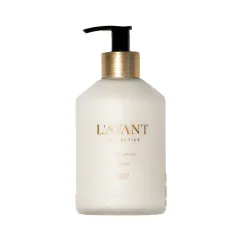
Luxurious and ultra hydrating, L’AVANT Hand Lotion is equal parts pampering and protection.
Source: Bluemercury
This product can help soften the skin and reduce its moisture loss with emollients and occlusives: butyrospermum parkii butter, helianthus annuus seed oil.
Keep in mind that this product does not contain effective ingredients to attract water to the upper layer of the skin. This is why an additional product with humectants like glycerin or hyaluronic acid can be helpful (apply it before this product for the best results).
A great emollient due to its high linoleic acid content. One of the most effective plant oils in helping skin hydration and repairing skin barrier function
A great moisturising ingredient that softens the skin and reduces water loss from its upper layer. It also can be helpful in protecting skin from free radicals
Is mostly used to dissolve other ingredients. Helps soften the upper layer of the skin. It might be comedogenic when used in high concentrations
A non-drying alcohol that works to soften the skin and stabilize product formulations helping oil and water mix together
Helps create a non-greasy finish on the skin
An emollient that softens the skin and forms a protective layer on its surface. Helps water and oil mix together
Traditionally used to treat sunburns, dermatitis and inflammation, but evidence for its effectiveness is lacking. The extract can contain humectants that help attract water into the skin
Non-drying alcohol that helps water and oil mix together. Also serves as an emollient
An exfoliating and moisturizing alpha-hydroxy acid (AHA). Typically causes less irritation than other AHAs, for example, glycolic acid. At high concentrations (about 15%), lactic acid can help reduce lines and wrinkles. Recent studies show that lactic acid can support the "good" bacteria living on skin's surface (healthy skin microbiome)
Helps calm down inflammation in skin and can help reduce itching. Helps to repair the skin barrier and keep skin hydrated
Used mostly for creating emulsions - helping oil and water mix together. Helps soften the upper layer of the skin
Pure form of vitamin E. Can help moisturise and protect the skin from free radicals. Often used to help stabilise other ingredients or the formula itself
How honest is this product?
| Promise | Can it deliver? |
|---|---|
| Moisturizing |
Total Promises Fulfilled score: 75/100.
We receive a small commission for purchases made through these links at no cost for you. Thank you for your support! Learn more
Potential irritants
Comedogenic ingredients
User reviews (0)
Averages from community submissions.
No reviews yet for this product.
Be the first to share your experience!
Tried this product?
Help capture what the ingredient list can't—texture, finish, pilling, scent, and more. Answer what you can, skip the rest.
Takes ~30 seconds.
Reviews are shown in aggregate. No personal details.
Key Actives
Helps calm down inflammation in skin and can help reduce itching. Helps to repair the skin barrier and keep skin hydrated
An exfoliating and moisturizing alpha-hydroxy acid (AHA). Typically causes less irritation than other AHAs, for example, glycolic acid. At high concentrations (about 15%), lactic acid can help reduce lines and wrinkles. Recent studies show that lactic acid can support the "good" bacteria living on skin's surface (healthy skin microbiome)
Pure form of vitamin E. Can help moisturise and protect the skin from free radicals. Often used to help stabilise other ingredients or the formula itself
A great moisturising ingredient that softens the skin and reduces water loss from its upper layer. It also can be helpful in protecting skin from free radicals
A great emollient due to its high linoleic acid content. One of the most effective plant oils in helping skin hydration and repairing skin barrier function
Is mostly used to dissolve other ingredients. Helps soften the upper layer of the skin. It might be comedogenic when used in high concentrations
Potential irritants
An aromatic blend of unspecified and possibly irritating ingredients
A common frangrance that can easily irritate skin, especially if exposed to air, light or heat
An essential oil. Potential allergen and can be irritating. It has some anti-bacterial properties
Traditionally used to treat sunburns, dermatitis and inflammation, but evidence for its effectiveness is lacking. The extract can contain humectants that help attract water into the skin
Used to create a thicker product consistency and help soften the upper layer of the skin
An exfoliating and moisturizing alpha-hydroxy acid (AHA). Typically causes less irritation than other AHAs, for example, glycolic acid. At high concentrations (about 15%), lactic acid can help reduce lines and wrinkles. Recent studies show that lactic acid can support the "good" bacteria living on skin's surface (healthy skin microbiome)
Comedogenic ingredients
A great moisturising ingredient that softens the skin and reduces water loss from its upper layer. It also can be helpful in protecting skin from free radicals
All ingredients
Traditionally used to treat sunburns, dermatitis and inflammation, but evidence for its effectiveness is lacking. The extract can contain humectants that help attract water into the skin
A great moisturising ingredient that softens the skin and reduces water loss from its upper layer. It also can be helpful in protecting skin from free radicals
A great emollient due to its high linoleic acid content. One of the most effective plant oils in helping skin hydration and repairing skin barrier function
A non-drying alcohol that works to soften the skin and stabilize product formulations helping oil and water mix together
Is mostly used to dissolve other ingredients. Helps soften the upper layer of the skin. It might be comedogenic when used in high concentrations
Acts as a solvent for other ingredients. Speeds up the absorption of other ingredients into the skin
An emollient that softens the skin and forms a protective layer on its surface. Helps water and oil mix together
An aromatic blend of unspecified and possibly irritating ingredients
A common frangrance that can easily irritate skin, especially if exposed to air, light or heat
Non-drying alcohol that helps water and oil mix together. Also serves as an emollient
Used to create a thicker product consistency and help soften the upper layer of the skin
Used mostly for creating emulsions - helping oil and water mix together. Helps soften the upper layer of the skin
An exfoliating and moisturizing alpha-hydroxy acid (AHA). Typically causes less irritation than other AHAs, for example, glycolic acid. At high concentrations (about 15%), lactic acid can help reduce lines and wrinkles. Recent studies show that lactic acid can support the "good" bacteria living on skin's surface (healthy skin microbiome)
Helps calm down inflammation in skin and can help reduce itching. Helps to repair the skin barrier and keep skin hydrated
Pure form of vitamin E. Can help moisturise and protect the skin from free radicals. Often used to help stabilise other ingredients or the formula itself
An essential oil. Potential allergen and can be irritating. It has some anti-bacterial properties
Ingredient list view
Water, Aloe barbadensis leaf juice, Butyrospermum parkii butter, Helianthus annuus seed oil, Cetyl alcohol, C13-16 isoparaffin, Propanediol, Undecane, Glyceryl stearate, Tridecane, Parfum, Limonene, Benzyl salicylate, Citronellol, Hydroxycitronellal, Sodium stearoyl glutamate, Sorbitan caprylate, Behenyl alcohol, Glyceryl behenate, Sodium benzoate, Xanthan gum, Lecithin, Lactic acid, Potassium sorbate, Tetrasodium glutamate diacetate, Allantoin, Tocopherol, Sodium hydroxide, Iodopropynyl butylcarbamate, Ocimum basilicum oil, Citrus limon peel oil, Lavandula angustifolia oil, Pelargonium graveolens oil, Salvia sclarea oil
- Effect of Olive and Sunflower Seed Oil on the Adult Skin Barrier: Implications for Neonatal Skin Care
- Topically Applied Sunflower Seed Oil Prevents Invasive Bacterial Infections in Preterm Infants in Egypt
- Effect of topically applied lipids on surfactant-irritated skin
- Impact of topical oils on the skin barrier: possible implications for neonatal health in developing countries
- Safety Assessment of Isoparaffins as Used in Cosmetics
- Epidermal and dermal effects of topical lactic acid