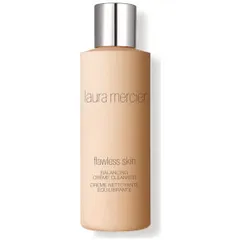
Works for:
based on ingredients and %- Cleansing
Can it cause trouble?
- Irritation risk: medium
- Comedogenic risk ingredients: 2
Key actives

Works for
Cleansing
What does the product description say?
Balancing Crème Cleanser
Source: From product name
This product works by removing dirt and oil from the surface of the skin. It uses a combination of mild cleansing agents (cocamidopropyl betaine, coconut acid, decyl glucoside, glycol distearate, hexylene glycol, myristic acid, palmitic acid, sodium cocoyl glycinate, sodium cocoyl isethionate, stearic acid, xanthan gum) and should be able to cleanse the skin gently. Still keep in mind that any cleansing can disrupt the skin barrier, and most people do not need to cleanse their skin more than once per day.
Even though this formulation is mild, the following cleansing agents could trigger an irritation or allergy for some people: cocamidopropyl betaine, decyl glucoside
Helps water and oil mix together. Used as a cleansing ingredient. Could be an allergen
Helps oil and water mix together. Can be irritating
Helps water and oil mix together
Helps create a more spreadable product texture
Helps oil and water mix together. Could be comedogenic
An emollient that is naturally present in skin and helps soften it
Helps oil and water mix together
Helps water and oil mix together. Can be used as a cleansing agent
Helps oil and water mix together and works as an emollient
Used to create a thicker product consistency
How honest is this product?
| Promise | Can it deliver? |
|---|---|
| Cleansing |
Total Promises Fulfilled score: 100/100.
We receive a small commission for purchases made through these links at no cost for you. Thank you for your support! Learn more
Potential irritants
Comedogenic ingredients
User reviews (0)
Averages from community submissions.
No reviews yet for this product.
Be the first to share your experience!
Tried this product?
Help capture what the ingredient list can't—texture, finish, pilling, scent, and more. Answer what you can, skip the rest.
Takes ~30 seconds.
Reviews are shown in aggregate. No personal details.
Key Actives
An emollient that is naturally present in skin and helps soften it
Helps oil and water mix together and works as an emollient
One of the best moisturizing ingredients. Naturally present in skin. It attracts water to the upper layer of the skin working as a humectant
Helps water and oil mix together. Can be used as a cleansing agent
Helps oil and water mix together. Can be irritating
Helps water and oil mix together. Used as a cleansing ingredient. Could be an allergen
An emollient. Found to be as effective as a moisturizer for dry skin as mineral oil. Could be comedogenic
Used to create a thicker product consistency
Helps create a more spreadable product texture
Helps soften the upper layer of the skin
Helps oil and water mix together. Could be comedogenic
Potential irritants
Helps water and oil mix together. Used as a cleansing ingredient. Could be an allergen
An aromatic blend of unspecified and possibly irritating ingredients
Helps water and oil mix together. Can be used as a cleansing agent
Helps preserve products and creates a nice product texture
Maintains the texture of skincare products. Allows the product to spread evenly. Helps oil and water mix together
Used to improve stability of the formulation
Plant oil from nuts that helps soften the upper layer of the skin. Contains a high concentration of oleic acid that can weaken skin's barrier function and increase water-loss while enhancing penetration of other ingredients
Helps oil and water mix together. Could be comedogenic
Helps stabilize emulsions and create a nice product texture
Comedogenic ingredients
An emollient. Found to be as effective as a moisturizer for dry skin as mineral oil. Could be comedogenic
Helps oil and water mix together. Could be comedogenic
All ingredients
One of the best moisturizing ingredients. Naturally present in skin. It attracts water to the upper layer of the skin working as a humectant
Helps water and oil mix together. Can be used as a cleansing agent
Helps water and oil mix together. Used as a cleansing ingredient. Could be an allergen
An emollient that is naturally present in skin and helps soften it
Used to create a nice product texture and help delivery of other ingredients. Might be somewhat helpful in attracting water to the upper layer of the skin
An emollient. Found to be as effective as a moisturizer for dry skin as mineral oil. Could be comedogenic
Used to stabilize mixtures of oil and water, and create thicker, gel-like product textures
A preservative. It helps prevent bacterial growth in cosmetic products
Helps preserve products and creates a nice product texture
Maintains the texture of skincare products. Allows the product to spread evenly. Helps oil and water mix together
A mineral that is used as an optical filter (makes the skin looks nicer through light reflection) and to improve the texture of cosmetic products
An aromatic blend of unspecified and possibly irritating ingredients
Used to improve stability of the formulation
Plant oil from nuts that helps soften the upper layer of the skin. Contains a high concentration of oleic acid that can weaken skin's barrier function and increase water-loss while enhancing penetration of other ingredients
Helps oil and water mix together. Could be comedogenic
A colorant that can add a pearl-like appearance to the formulation
Helps stabilize emulsions and create a nice product texture
Works as a UV filter when used in high concentrations. It is photostable and is effective mostly against the UVB light, with some protection in the UVA range. In small concentrations, used for its ability to improve the color of cosmetic products. Is usually well tolerated by the skin
Ingredient list view
Water, Glycerin, Sodium cocoyl isethionate, Decyl glucoside, Cocamidopropyl betaine, Sodium cocoyl glycinate, Palmitic acid, Butylene glycol, Stearic acid, Glycol distearate, Coconut acid, Cocos nucifera oil, Sodium chloride, Sodium isethionate, Phenoxyethanol, Caprylyl glycol, Xanthan gum, Acrylates/c10-30 alkyl acrylate crosspolymer, Synthetic fluorphlogopite, Parfum, Potassium sorbate, Sodium benzoate, Methyldihydrojasmonate, Trisodium ethylenediamine disuccinate, Hexylene glycol, Macadamia ternifolia seed oil, Aleurites moluccanus seed oil, Myristic acid, Rhus verniciflua peel cera, Rhus verniciflua peel wax, Tin oxide, Isoamyl laurate, Ci 77891, Titanium dioxide