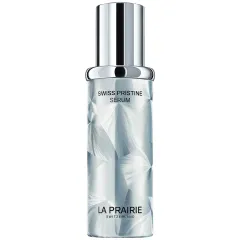
Works for:
based on ingredients and %- Anti-aging
- Moisturizing
- Evens skin tone
- Anti-blemish
Can it cause trouble?
- Irritation risk: high
- Comedogenic risk ingredients: 1
Key actives


Anti-aging
What does the product description say?
From the very first application, the barrier feels repaired, and the six visible signs of healthy skin: fine lines, pores, roughness, lack radiance, unevenness, and redness (due to dryness) begin to improve.
Source: Dermstore
This product can help reduce and prevent fine lines and wrinkles, improve skin elasticity and firmness because it contains niacinamide.
Keep in mind that it typically takes at least 6 weeks to notice any results because the changes that are needed to improve fine lines and elasticity happen in the deeper layers of the skin. No topical anti-aging product can “erase” wrinkles or fully reverse signs of aging.
Is proven to be effective in reducing blemishes, evening out skin tone and helping to improve lines and wrinkles. It helps the skin to repair sun damage, calm down inflammation and keep maintain good levels of moisture. The concentration of about 2% is effective for supporting the skin barrier and evening out the skin tone. Concentration of 4-6% is better for helping with acne and balancing the sebum production
An exfoliating and moisturizing alpha-hydroxy acid (AHA). Typically causes less irritation than other AHAs, for example, glycolic acid. At high concentrations (about 15%), lactic acid can help reduce lines and wrinkles. Recent studies show that lactic acid can support the "good" bacteria living on skin's surface (healthy skin microbiome)
Pure form of vitamin E. Can help moisturise and protect the skin from free radicals. Often used to help stabilise other ingredients or the formula itself
Anti-blemish
This product can help reduce breakouts and clogged pores because it contains the following ingredient: niacinamide. This ingredient is used for treating acne and can have a noticeable effect.
Is proven to be effective in reducing blemishes, evening out skin tone and helping to improve lines and wrinkles. It helps the skin to repair sun damage, calm down inflammation and keep maintain good levels of moisture. The concentration of about 2% is effective for supporting the skin barrier and evening out the skin tone. Concentration of 4-6% is better for helping with acne and balancing the sebum production
Evens skin tone
This product can help reduce hypepigmentation and even out the skin tone because it contains the following effective ingredients: niacinamide
Keep in mind that you would need to apply any topical skincare targetted at hypigmentation consistently for a couple of months to get a result. No topical skincare product can help get rid of hyperpigmentation (including post-acne marks and age spots) instantly.
Is proven to be effective in reducing blemishes, evening out skin tone and helping to improve lines and wrinkles. It helps the skin to repair sun damage, calm down inflammation and keep maintain good levels of moisture. The concentration of about 2% is effective for supporting the skin barrier and evening out the skin tone. Concentration of 4-6% is better for helping with acne and balancing the sebum production
An exfoliating and moisturizing alpha-hydroxy acid (AHA). Typically causes less irritation than other AHAs, for example, glycolic acid. At high concentrations (about 15%), lactic acid can help reduce lines and wrinkles. Recent studies show that lactic acid can support the "good" bacteria living on skin's surface (healthy skin microbiome)
Helps attract water to the upper layer of the skin and might have some anti-oxidant and skin lightening properties. It can help calm down inflammation in skin
Moisturizing
What does the product description say?
Swiss Pristine Serum is the ultimate barrier repair serum, clinically proven to restore and fortify the skin's natural barrier.
Source: Dermstore
This product contains good ingredients to attract water to the upper layer of the skin. These ingredients are called "humectants": biosaccharide gum-1, glycerin.
When humectants are on the surface of the skin, they “pull in” the moisture from the outside environment, or from within deeper layers of the skin. If the air is dry, humectants can speed up the moisture loss from the skin. This is why it is a good idea to use another product on top of this one to help "seal in" the moisture (look for ingredients like dimethicone, squalane, oils and butters).
The following ingredients in this product are especially good for supporting the skin barrier and helping with the hydration level: niacinamide
A product of yeast fermentation. Helps attract water to the upper layer of the skin
One of the best moisturizing ingredients. Attracts water into the upper layer of the skin
Is proven to be effective in reducing blemishes, evening out skin tone and helping to improve lines and wrinkles. It helps the skin to repair sun damage, calm down inflammation and keep maintain good levels of moisture. The concentration of about 2% is effective for supporting the skin barrier and evening out the skin tone. Concentration of 4-6% is better for helping with acne and balancing the sebum production
A moisturizing ingredient that works as a humectant to attract water to the upper layer of the skin.
One of the best moisturizing ingredients. Naturally present in skin. It attracts water to the upper layer of the skin working as a humectant
A fermentation product created by bacteria Lactobacillus. The fermented product has anti-bacterial properties and might be helpful in calming down inflammation, but studies are lacking. Helps attract water to the upper layer of the skin. Can be used as a preservative
Helps attract water to the upper layer of the skin and is claimed to provide a longer-lasting hydration because of its ability to create a water-binding film on the surface of the skin
A plant extract that can help to attract water to the upper layer of the skin and might have some anti-oxidant and anti-inflammatory properties
Helps preserve products and creates a nice product texture
Helps attract water to the upper layer of the skin and might have some anti-oxidant and skin lightening properties. It can help calm down inflammation in skin
An exfoliating and moisturizing alpha-hydroxy acid (AHA). Typically causes less irritation than other AHAs, for example, glycolic acid. At high concentrations (about 15%), lactic acid can help reduce lines and wrinkles. Recent studies show that lactic acid can support the "good" bacteria living on skin's surface (healthy skin microbiome)
Pure form of vitamin E. Can help moisturise and protect the skin from free radicals. Often used to help stabilise other ingredients or the formula itself
Used mostly for creating emulsions - helping oil and water mix together. Helps soften the upper layer of the skin
How honest is this product?
| Promise | Can it deliver? |
|---|---|
| Anti-aging | |
| Moisturizing |
Total Promises Fulfilled score: 100/100.
We receive a small commission for purchases made through these links at no cost for you. Thank you for your support! Learn more
Potential irritants
Comedogenic ingredients
User reviews (0)
Averages from community submissions.
No reviews yet for this product.
Be the first to share your experience!
Tried this product?
Help capture what the ingredient list can't—texture, finish, pilling, scent, and more. Answer what you can, skip the rest.
Takes ~30 seconds.
Reviews are shown in aggregate. No personal details.
| Product | Similarity | Price | Irritancy |
|---|---|---|---|
 La Prairie Swiss Pristine Serum | Current | $320.00 | |
Westman Atelier Skin Activator Serum with Hyaluronic Acid + Niacinamide | 93% | ≈ $146.69 | |
Holika Holika Prime Youth 24K Gold Repair Ampoule | 91% | $58.80 | |
 MISSHA Super Aqua Ultra Waterful Intensive Serum | 91% | - | |
 Thank You Farmer Miracle Age Repair Serum | 91% | ≈ $43.30 | |
 Noreva Iklen+ [Pure-C-Reverse] Regenerating & Perfecting Booster Serum | 91% | ≈ $19.39 |
Key Actives
Is proven to be effective in reducing blemishes, evening out skin tone and helping to improve lines and wrinkles. It helps the skin to repair sun damage, calm down inflammation and keep maintain good levels of moisture. The concentration of about 2% is effective for supporting the skin barrier and evening out the skin tone. Concentration of 4-6% is better for helping with acne and balancing the sebum production
Helps attract water to the upper layer of the skin and might have some anti-oxidant and skin lightening properties. It can help calm down inflammation in skin
A fermentation product created by bacteria Lactobacillus. The fermented product has anti-bacterial properties and might be helpful in calming down inflammation, but studies are lacking. Helps attract water to the upper layer of the skin. Can be used as a preservative
One of the best moisturizing ingredients. Naturally present in skin. It attracts water to the upper layer of the skin working as a humectant
A moisturizing ingredient that works as a humectant to attract water to the upper layer of the skin.
A product of yeast fermentation. Helps attract water to the upper layer of the skin
One of the best moisturizing ingredients. Attracts water into the upper layer of the skin
Helps attract water to the upper layer of the skin and is claimed to provide a longer-lasting hydration because of its ability to create a water-binding film on the surface of the skin
Potential irritants
Produces temporary toning effect. Can help dissolve other ingredients or preserve products
A plant extract that might have some anti-inflammatory properties, but solid evidence is lacking. It can be irritating
A plant extract that might have anti-oxidant properties. Can be irritating
Can be drying and contribute to skin irritation. Used in formulars to dissolve other ingredients, create a thinner product consistency or for its antibacterial properties
An aromatic blend of unspecified and possibly irritating ingredients
Helps stabilize emulsions and create a nice product texture
A moisturizing ingredient that works as a humectant to attract water to the upper layer of the skin.
A plant extract that can help to attract water to the upper layer of the skin and might have some anti-oxidant and anti-inflammatory properties
An exfoliating and moisturizing alpha-hydroxy acid (AHA). Typically causes less irritation than other AHAs, for example, glycolic acid. At high concentrations (about 15%), lactic acid can help reduce lines and wrinkles. Recent studies show that lactic acid can support the "good" bacteria living on skin's surface (healthy skin microbiome)
Used to create a thicker product consistency and stabilize emulsions
Helps preserve products and creates a nice product texture
Used to improve stability of the formulation
Comedogenic ingredients
A plant extract that can help to attract water to the upper layer of the skin and might have some anti-oxidant and anti-inflammatory properties
All ingredients
One of the best moisturizing ingredients. Naturally present in skin. It attracts water to the upper layer of the skin working as a humectant
Produces temporary toning effect. Can help dissolve other ingredients or preserve products
Is proven to be effective in reducing blemishes, evening out skin tone and helping to improve lines and wrinkles. It helps the skin to repair sun damage, calm down inflammation and keep maintain good levels of moisture. The concentration of about 2% is effective for supporting the skin barrier and evening out the skin tone. Concentration of 4-6% is better for helping with acne and balancing the sebum production
Helps stabilize emulsions and create a nice product texture
A plant extract that might have some anti-inflammatory properties, but solid evidence is lacking. It can be irritating
A plant extract that might have anti-oxidant properties. Can be irritating
A moisturizing ingredient that works as a humectant to attract water to the upper layer of the skin.
A fermentation product created by bacteria Lactobacillus. The fermented product has anti-bacterial properties and might be helpful in calming down inflammation, but studies are lacking. Helps attract water to the upper layer of the skin. Can be used as a preservative
A plant extract that can help to attract water to the upper layer of the skin and might have some anti-oxidant and anti-inflammatory properties
Helps attract water to the upper layer of the skin and might have some anti-oxidant and skin lightening properties. It can help calm down inflammation in skin
A product of yeast fermentation. Helps attract water to the upper layer of the skin
One of the best moisturizing ingredients. Attracts water into the upper layer of the skin
Helps attract water to the upper layer of the skin and is claimed to provide a longer-lasting hydration because of its ability to create a water-binding film on the surface of the skin
An exfoliating and moisturizing alpha-hydroxy acid (AHA). Typically causes less irritation than other AHAs, for example, glycolic acid. At high concentrations (about 15%), lactic acid can help reduce lines and wrinkles. Recent studies show that lactic acid can support the "good" bacteria living on skin's surface (healthy skin microbiome)
Used to create a thicker product consistency and stabilize emulsions
Used mostly for creating emulsions - helping oil and water mix together. Helps soften the upper layer of the skin
Helps preserve products and creates a nice product texture
Pure form of vitamin E. Can help moisturise and protect the skin from free radicals. Often used to help stabilise other ingredients or the formula itself
Used to improve stability of the formulation
Can be drying and contribute to skin irritation. Used in formulars to dissolve other ingredients, create a thinner product consistency or for its antibacterial properties
An aromatic blend of unspecified and possibly irritating ingredients
A preservative. It helps prevent bacterial growth in cosmetic products
Ingredient list view
Water, Glycerin, Alcohol denat., Niacinamide, Isoamyl laurate, Glycoproteins, Panax ginseng root extract, Equisetum arvense extract, Saccharomyces cerevisiae extract, Lactobacillus ferment, Chlorella vulgaris extract, Yeast extract, Sargassum vulgare extract, Saccharomyces ferment filtrate, Lens esculenta seed extract, Withania somnifera root extract, Sodium hyaluronate, Xanthan gum, Biosaccharide gum-1, Lactic acid, Hydroxypropyl guar, Lecithin, Sodium hydroxide, 1,2-hexanediol, Caprylyl glycol, Tocopherol, Ethylhexylglycerin, Trisodium ethylenediamine disuccinate, Alcohol, Parfum, Phenoxyethanol, Sodium dehydroacetate, Potassium sorbate
- Glycerol and the skin: holistic approach to its origin and functions
- Niacinamide - mechanisms of action and its topical use in dermatology
- Gehring, W. (2004). Nicotinic acid/niacinamide and the skin. Journal of Cosmetic Dermatology, 3(2), 88–93. doi:10.1111/j.1473-2130.2004.00115.x
- Ginseng in Dermatology: A Review
- Antiaging effects of the mixture of Panax ginseng and Crataegus pinnatifida in human dermal fibroblasts and healthy human skin
- The effect of probiotics on immune regulation, acne, and photoaging
- Comparison of clinical and histological effects between lactobacillus-fermented Chamaecyparis obtusa and tea tree oil for the treatment of acne: an eight-week double-blind randomized controlled split-face study
- Use of Probiotics for Dermal Applications
- The natural yeast extract isolated by ethanol precipitation inhibits melanin synthesis by modulating tyrosinase activity and downregulating melanosome transfer
- Evaluation of dermatological effects of cosmetic formulations containing Saccharomyces cerevisiae extract and vitamins
- Hyaluronic acid: A key molecule in skin aging
- Hyaluronan (Hyaluronic Acid): a natural moisturizer for skin care
- Epidermal and dermal effects of topical lactic acid
- Dual Effects of Alpha-Hydroxy Acids on the Skin
- The influence of alkane chain length on the skin irritation potential of 1,2-alkanediols
- Vitamin E in dermatology
- Vitamin E and Skin Health
- 4 Final Report on the Safety Assessment of Sodium Dehydroacetate and Dehydroacetic Acid